Canada’s Quirky Fishing Shacks
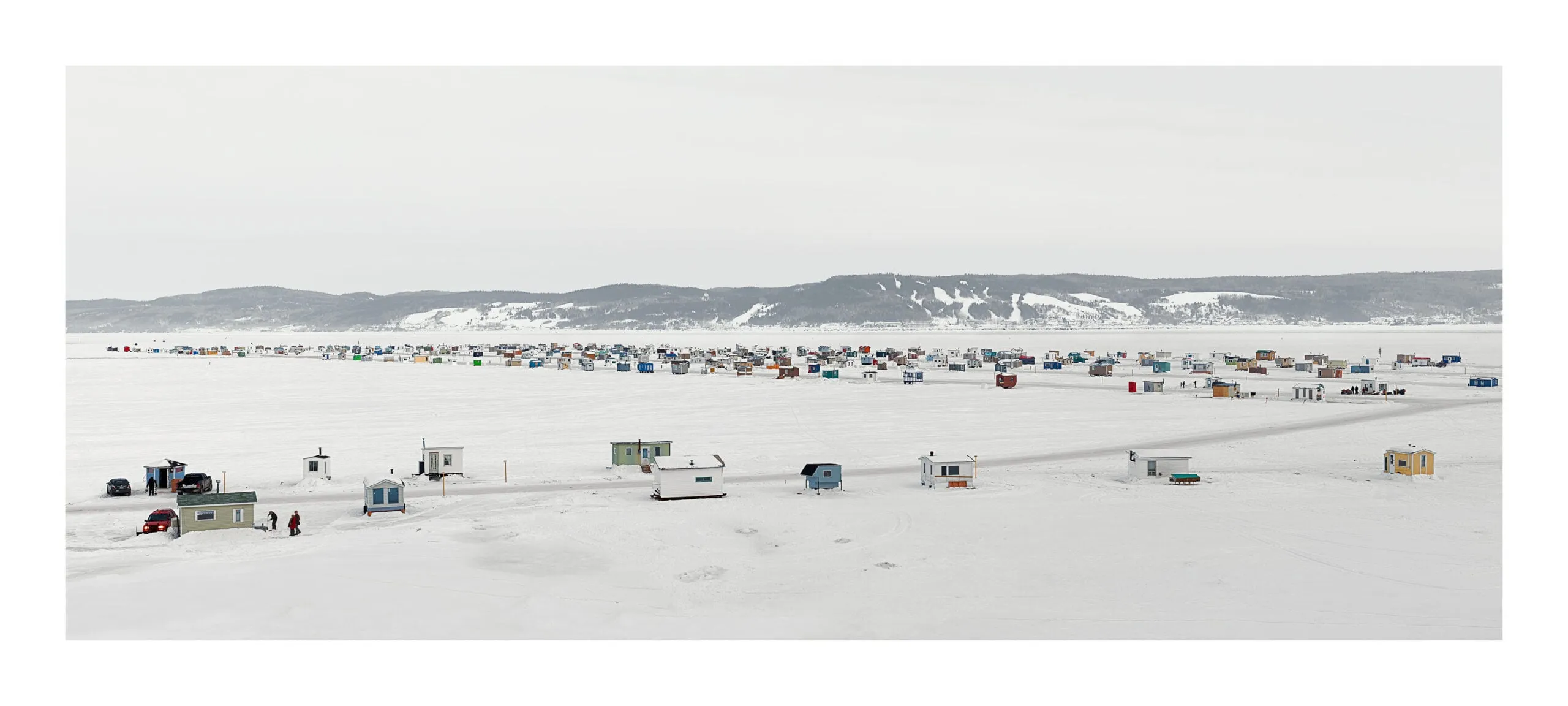
Every winter, tiny shelters pop up on frozen lakes across the country. Their purpose is quaint and simple: to provide a warm room where fishers sit around a hole drilled into the ice, their lines dangling into the dark. These are ice huts—portable, makeshift structures built by anglers during the fishing season.
For the record, ice huts are not made of ice. They’re pieced together from whatever the builder has in the garage, be it plywood, lumber or tarps. They date back to Indigenous fishers who chipped holes through the ice with bone or stone tools and speared fish through the opening. To better see into the water below, they built simple coverings to block the light.
Over the centuries, as ice fishing drifted from necessity to pastime, the huts evolved, too. Some are now fitted with heaters, chimneys, windows and chairs for all-day comfort. Others are nothing more than posts and plastic. In the Maritimes, where the temperatures are warmer and the ice conditions less predictable, fishers often use tarpaulin-based structures that can be quickly disassembled. In parts of the country where ice fishing is a social activity, the ice huts are larger, more elaborate and sometimes even equipped for overnight stays. Each is built by hand, and no two are the same: some are painted in bright colours, others plastered with posters.
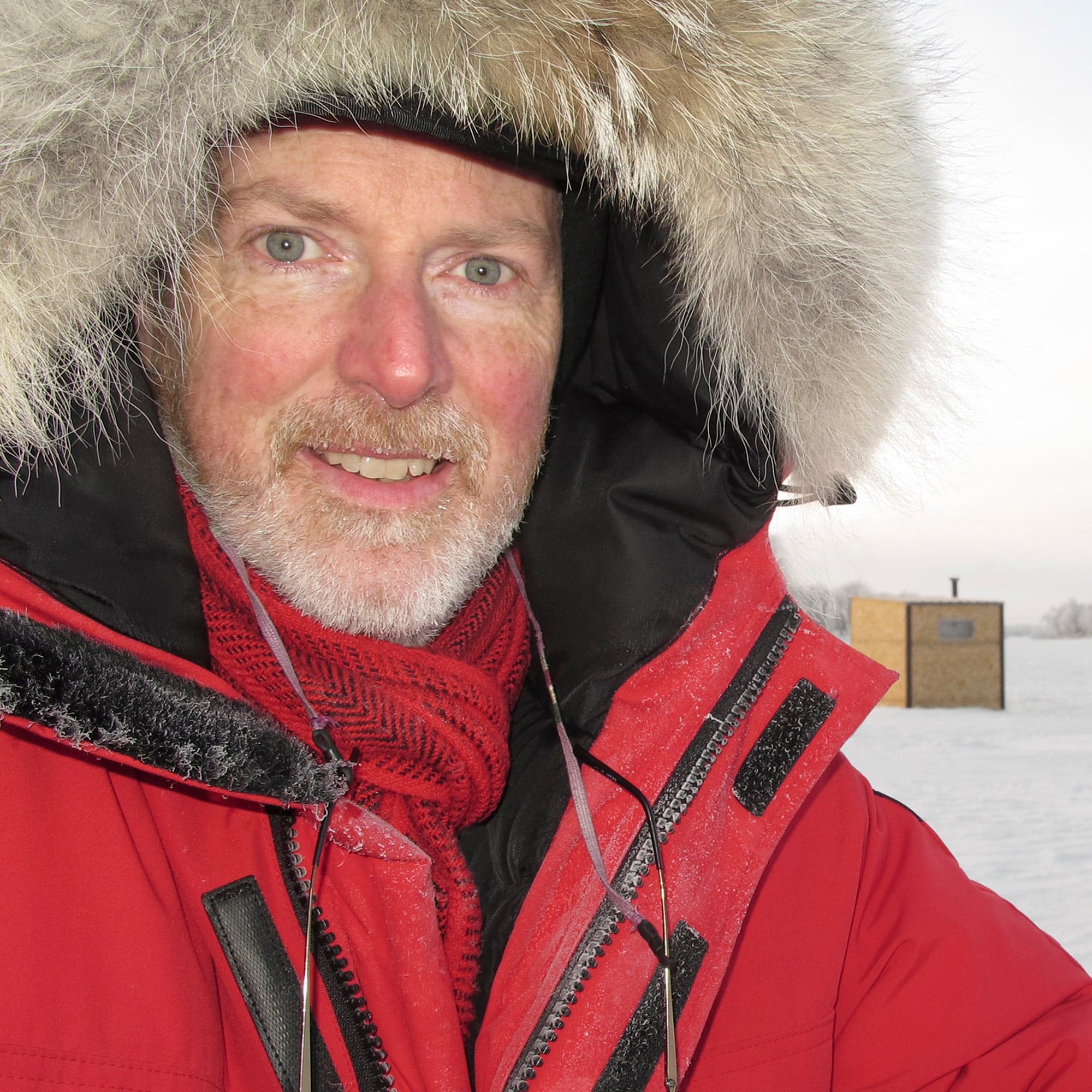
The late photographer Richard Johnson saw his first ice hut by chance in 1992, on a family trip to New Liskeard, Ontario, recalls his wife, Lucie Bergeron-Johnson. “When he learned that people build them by hand for fishing, Richard was hooked,” she says. “They’re unpolished and unfinished, which I think is partly why Richard liked them.” Around the house, her handy husband had a habit of starting construction projects without finishing them. He loved winter and froze his hands once or twice building outdoor forts for his daughters. Ice huts appealed to his inner child and outer adult alike.
What began as a roadside curiosity became a fascination. That same year, Johnson opened the Toronto-based gallery Interior Images (now Richard Johnson Photography) with himself as the artist and Bergeron-Johnson as studio manager. “He fired me many times over the years,” she says, “but he’d apologize and hire me back the next day.” Graphic design and commissioned photography paid the bills, but ice huts were his strongest passion.
Related Posts

How to Win the Westminster Dog Show

The Golden Age of Smut
For more than a decade, the Johnsons sometimes skipped the highways in favour of backroad travel, chasing new scenery and the chance to spot an ice hut in action. Johnson, who died in 2021, ultimately photographed more than a thousand structures in every province, some 200 of which appear in his forthcoming book from Figure 1 Publishing, Resilience—Ice Huts and Root Cellars, out October 7. Here, Bergeron-Johnson shares the stories behind some of her late husband’s favourite images.
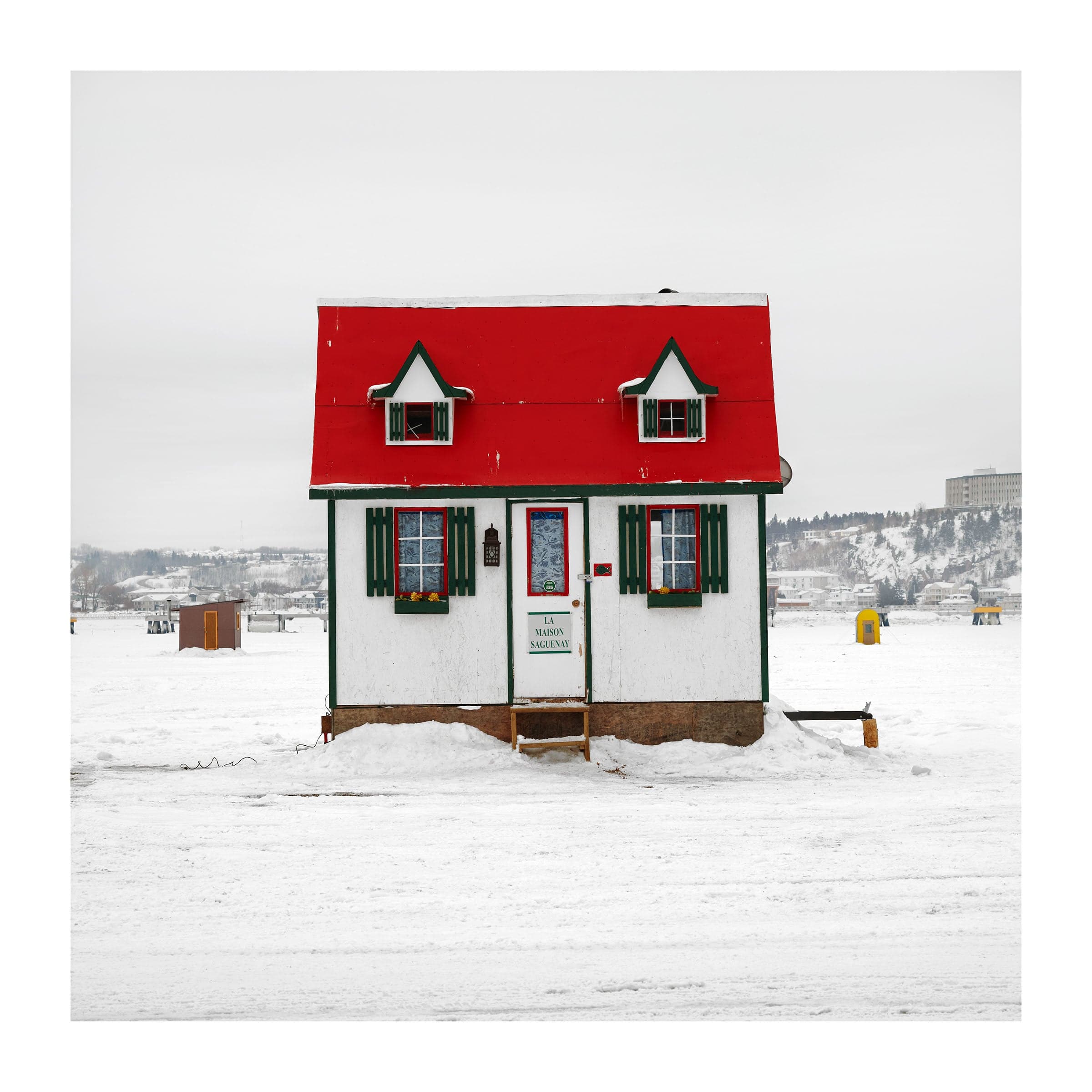
Saguenay River, Quebec, 2010: “Many ice huts are simple; some, like this one, are not. This looks almost like a tiny home or a winter cottage. People sometimes sleep in their ice huts, so this could’ve easily had a sleeping loft in what you might call the upstairs.”
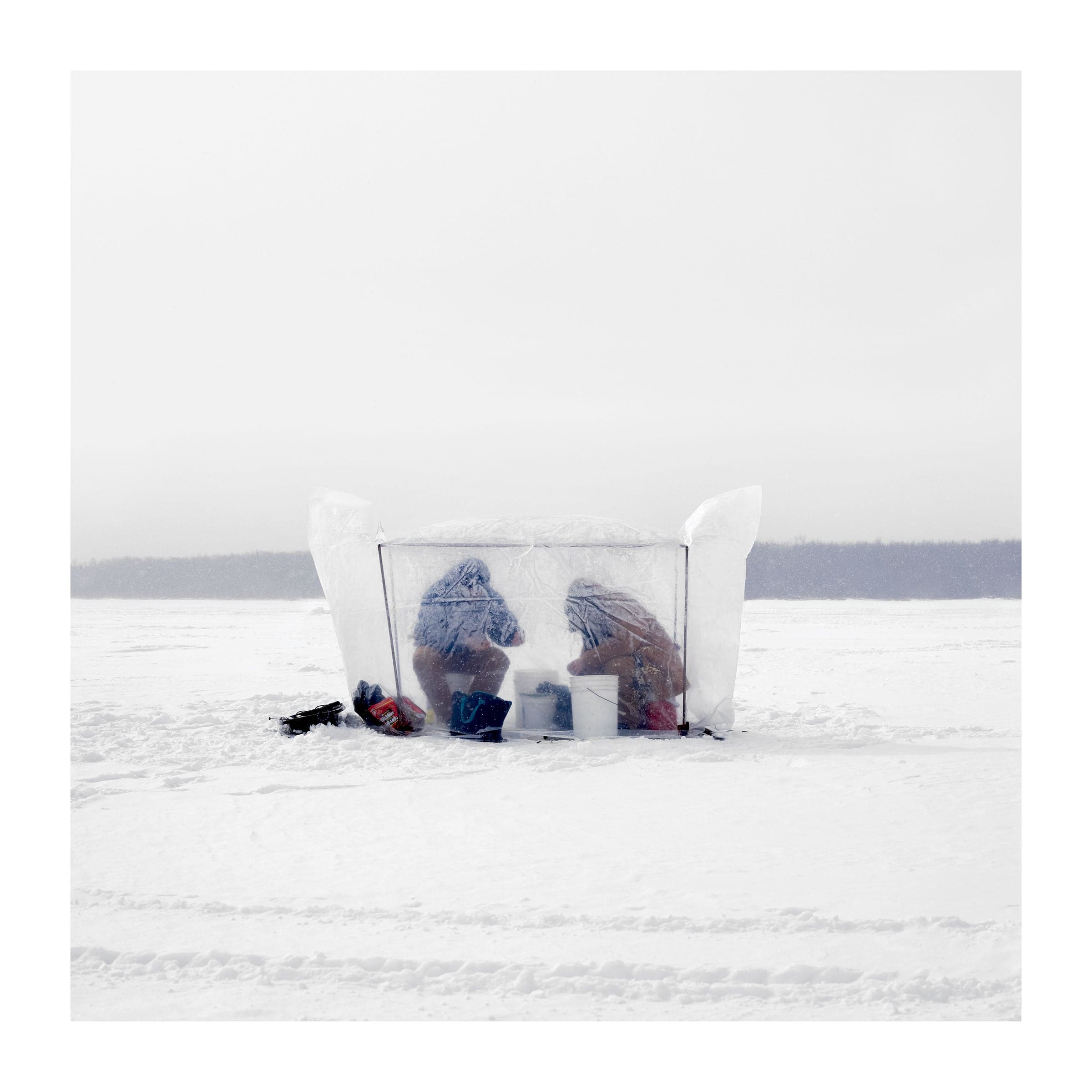
Lake Simcoe, Ontario, 2007: “Richard preferred to shoot his photos on weekdays, when the huts were usually empty and there were no people to distract him. This is a rare photo with people in it. It’s interesting because you can see right through the hut—it’s just a frame surrounded with plastic. You can see how people ice-fish, just sitting on buckets on either side of the fishing hole.”
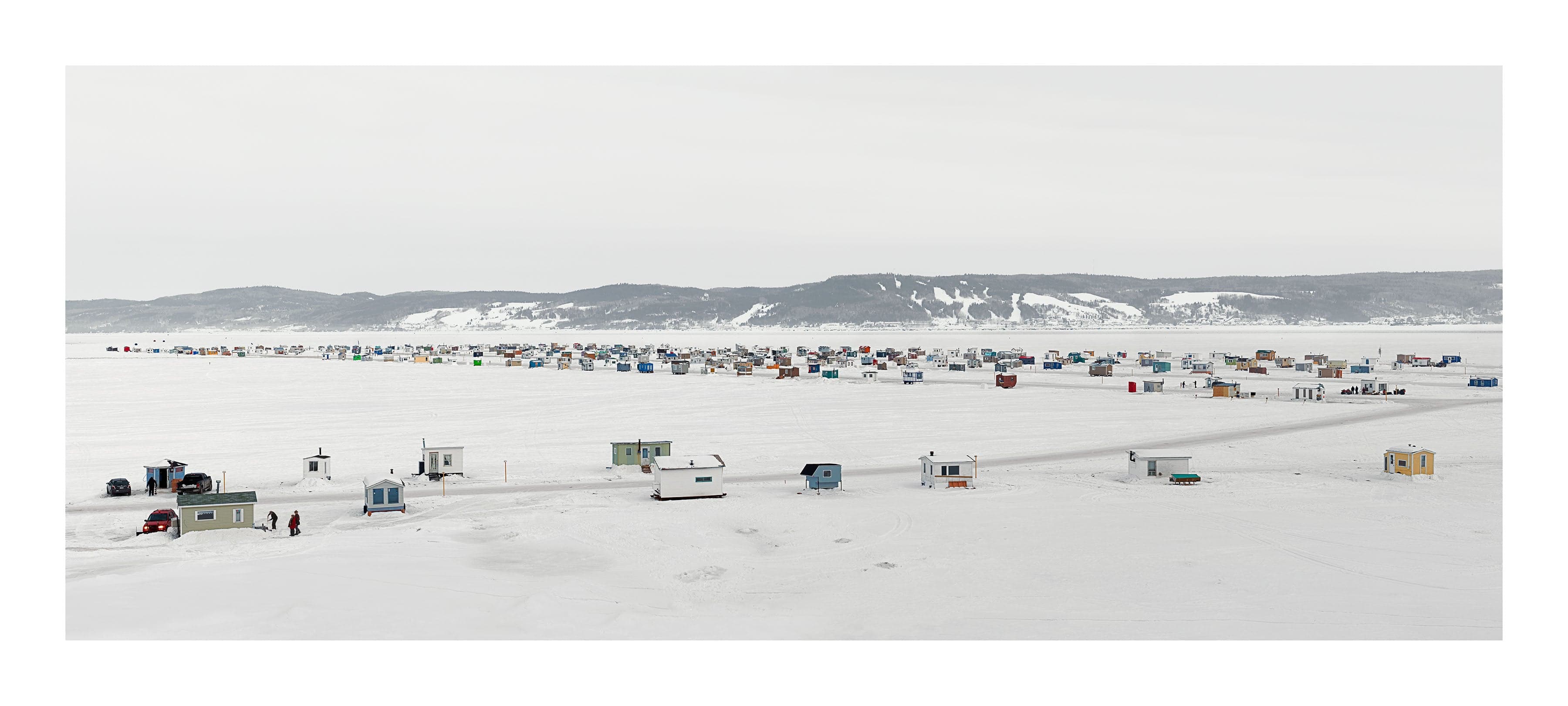
Saguenay River, Quebec, 2014: “Richard first visited this ice village in 2010. It was far sparser and more haphazard then. When he returned four years later, there were so many ice huts—at least 200—that people organized them like a town with roads going through. The fun part was that by then fishers could get food delivered; if they wanted to order some pizza or Chinese food while they fished, they could.”
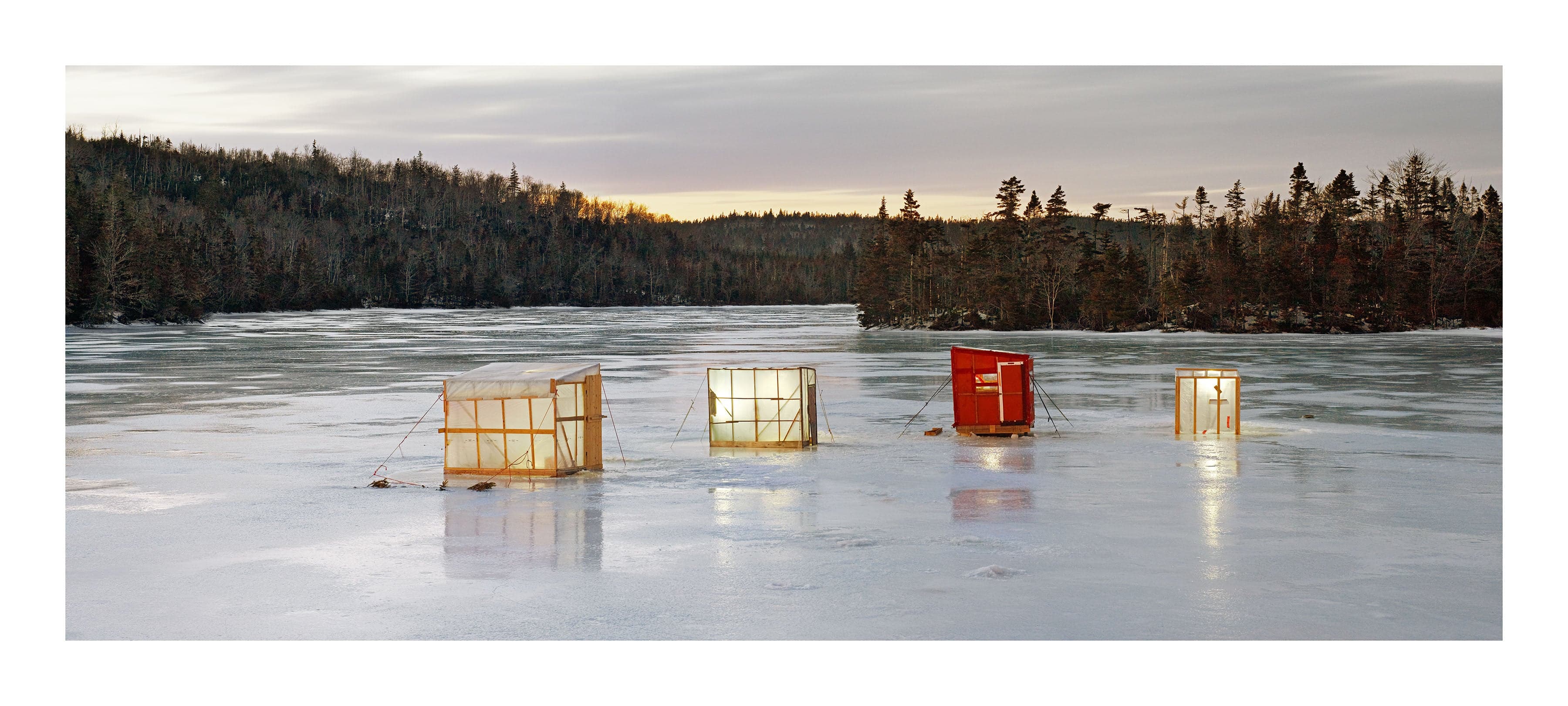
Oyster Pond, Nova Scotia, 2015: “This pond is connected to the Atlantic, so the weather is warmer and changes constantly. The top layer of the ice here is melting, which made a fabulous reflective surface. The huts were empty, so Richard begged a storeowner to open his shop and sell him four flashlights. He knew the huts lit up would look magnificent.”
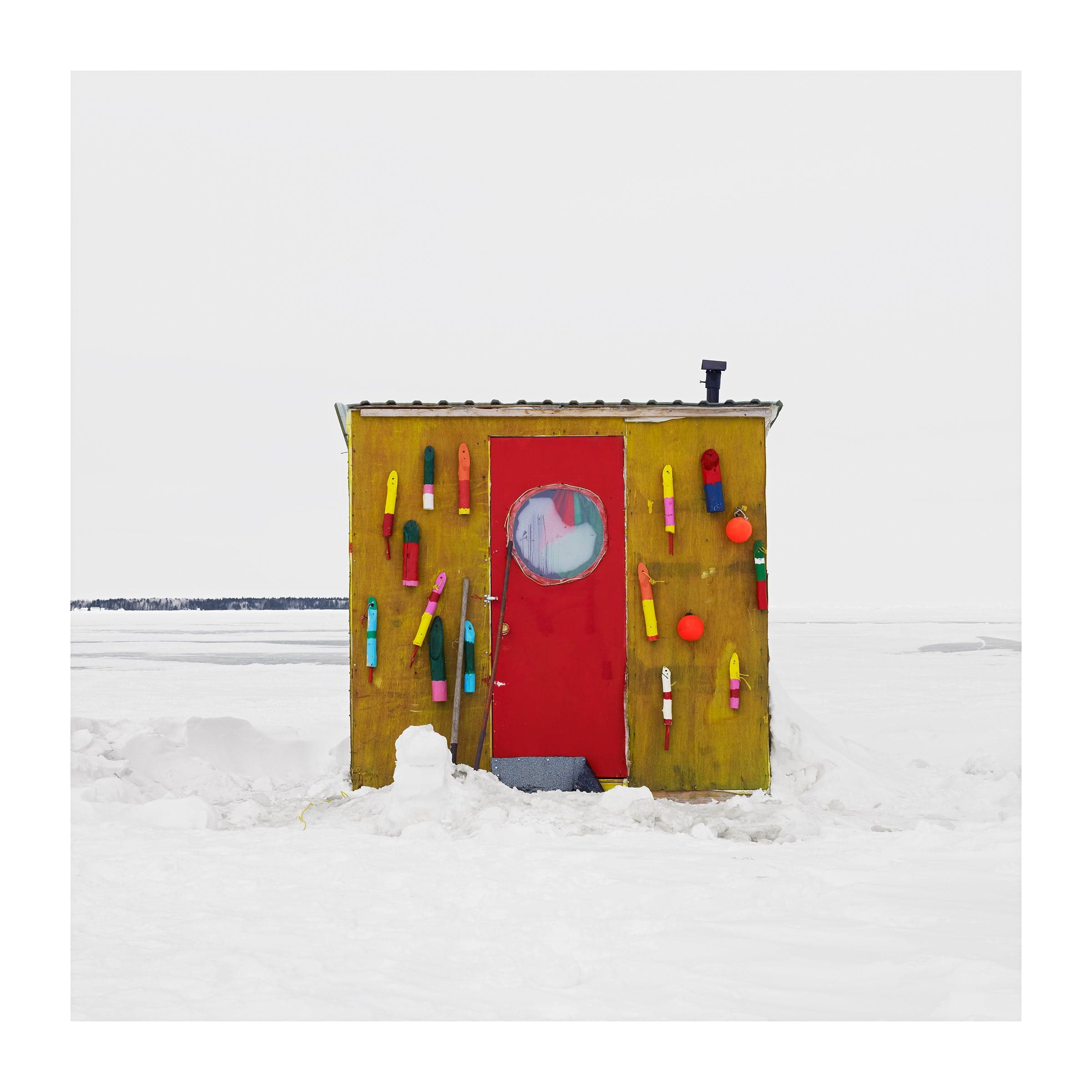
Saint-Laurent, Quebec, 2015: “Since these angler’s lures are very colourful and fun, the owner has hung them outside—handy for later use, but also great as decoration. He will have no problem finding his hut.”
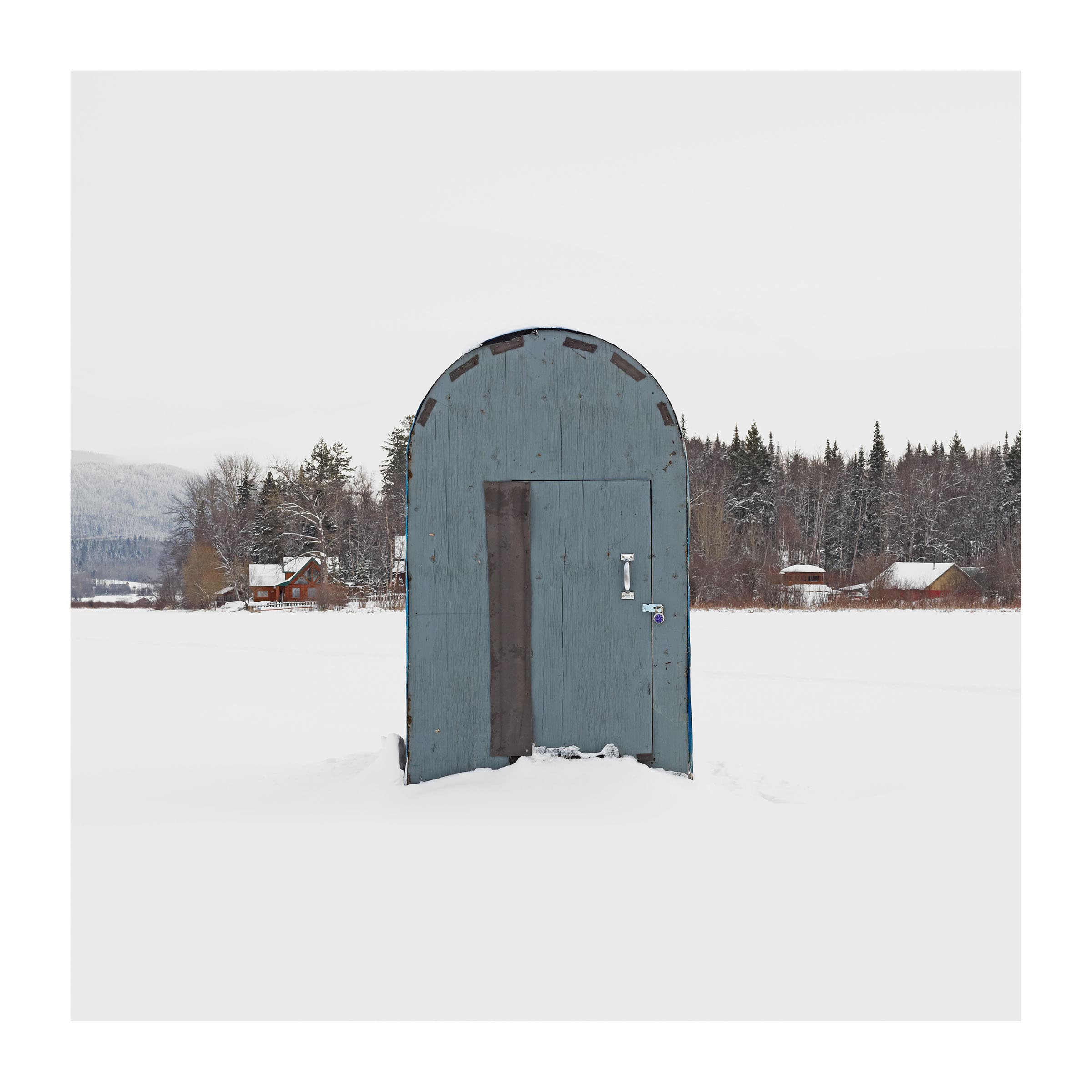
Dragon Lake, B.C., 2015: “Here, you see some houses in the background, which makes the ice hut feel like an escape, a bit like a man cave.”
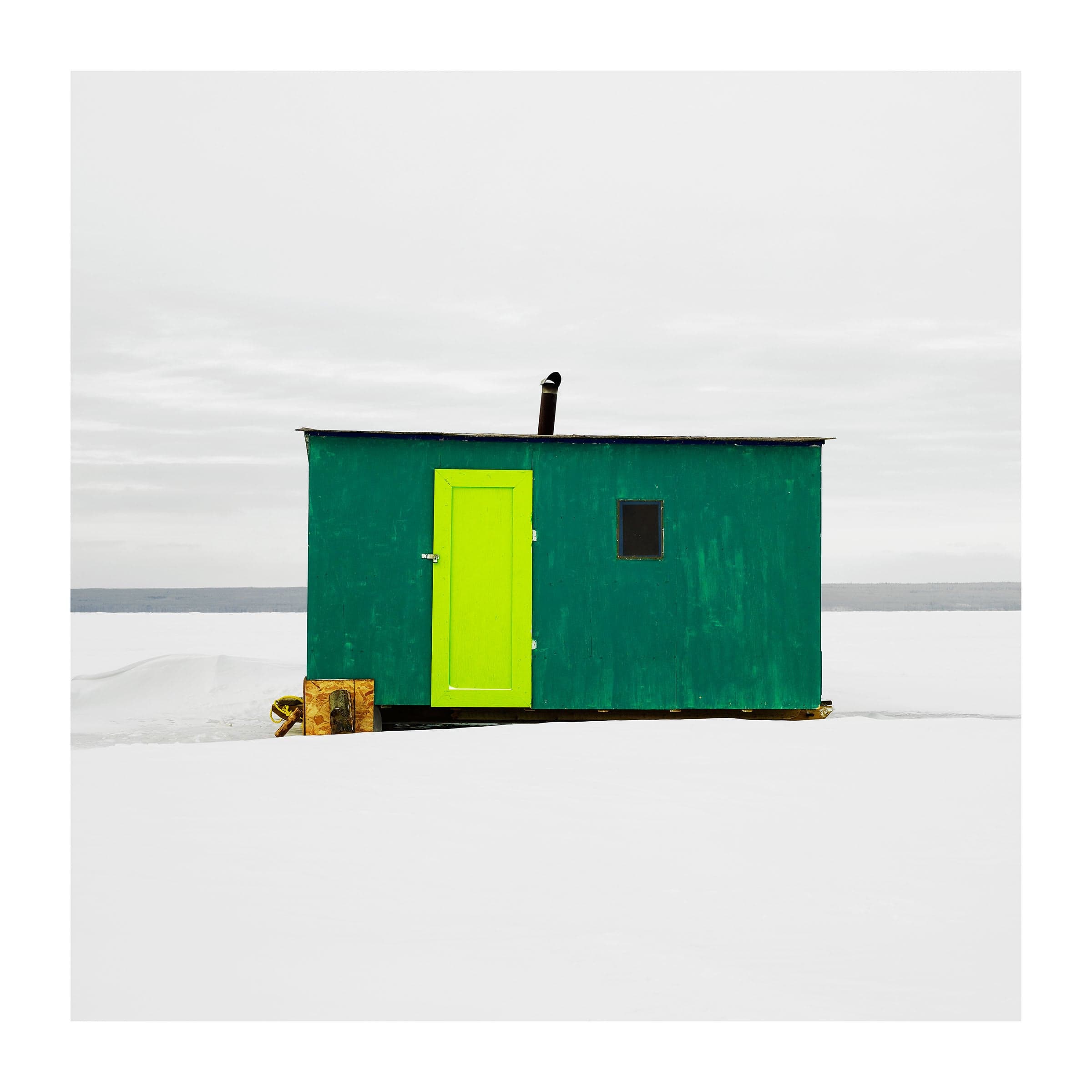
Lesser Slave Lake, Alberta, 2011: “Ice huts are deliberately colourful, because if you’re walking out there in a storm or the fog, you want to be able to instantly find your hut. There are no house numbers in an ice village, so you want yours to stand out.”
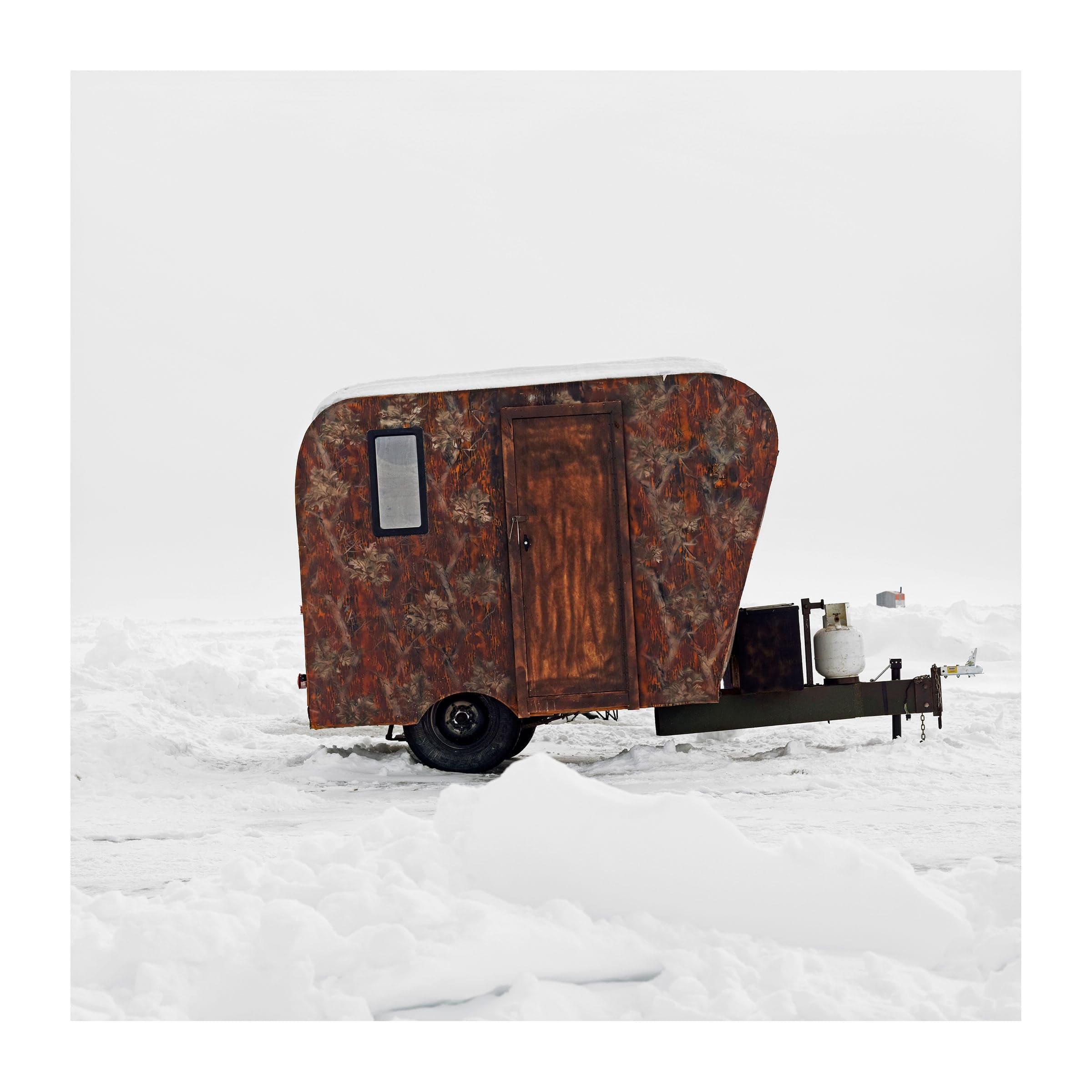
Lake Winnipeg, Manitoba, 2010: “This one is an old converted trailer. It’s very cold in Winnipeg, so you can see what’s likely a tank of propane for the heater. The background is almost invisible, as Richard chose days when the sun wasn’t out and the weather was yucky. He wanted the ice hut to stand out from the sky and snow.”

Rosemary Counter is a Toronto-based writer and journalist whose reporting and essays have appeared in The New York Times, Vanity Fair, The Guardian, National Geographic, Reader’s Digest and many more. She’s currently writing columns at The Globe and Mail, Report on Business and Zoomer magazine. Find her at www.rosemarycounter.com.
Related Posts

Canada’s Indiana Jones

How the Olympics Remade Montreal

How My Book, Heated Rivalry, Became A TV Phenomenon

Heated Rivalry Is Anti-Dystopia Art
Get the Best of Maclean’s straight to your inbox.
Sign up for news, commentary and analysis. Join 60,000+ Canadian readers.