Montreal’s First Photography Tycoon
In May, Canadian photography got some dazzling recognition: UNESCO added the Notman Photographic Archives to its Memory of the World International Register, a short list of humanity’s most treasured historical records. Housed at Montreal’s McCord Stewart Museum, the Notman collection captures Canadian life between 1856 and 1935 in striking detail. At its heart is William Notman, whose business savvy and creative vision made him Canada’s first celebrity photographer.
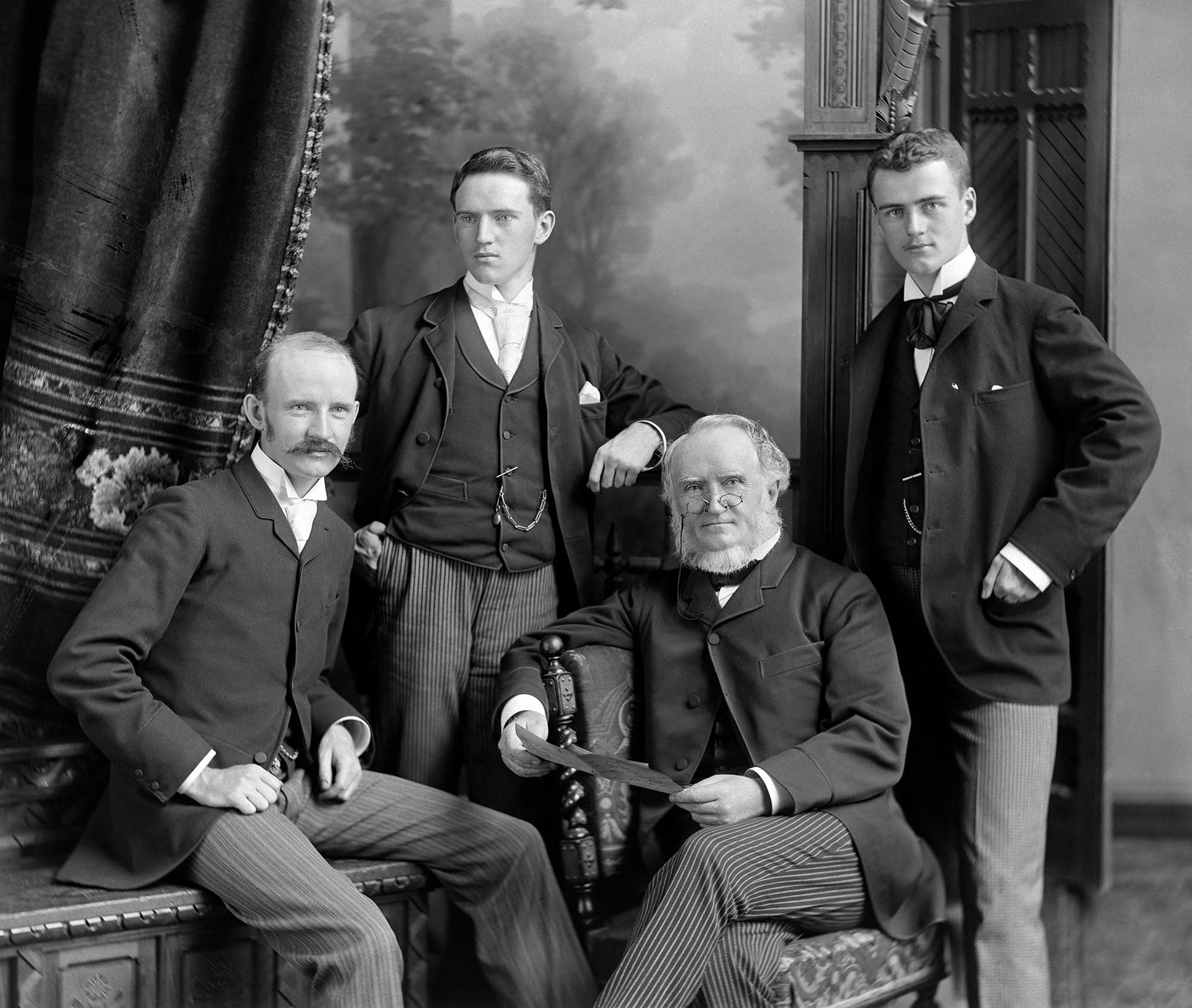
Notman didn’t have such good luck growing up in Glasgow in the 1840s and 1850s. He started out working for his family’s cloth-manufacturing business and, during an economic downturn, fabricated client orders. When fraud charges were laid, he fled for Montreal and tried his luck in photography. Beginning as one of about 10 professional photographers in the city, he ran a studio on Bleury Street that catered mostly to upper-class clients. His team of artists, apprentices and assistants styled and posed subjects in front of intricately painted backdrops, sometimes with props like fake snow and toboggans. After the shoots, he even retouched negatives, serving as a 19th-century human Photoshop.
Sometimes, his team lugged cameras outside the studio to photograph Indigenous camps, tram lines and natural wonders. Notman was also commissioned to document era-defining infrastructure projects like the Victoria Bridge and the Canadian Pacific Railway. He snapped famous faces whenever possible, sent copies of photographs to journals for publication and, in one particularly ballsy move, mailed a box of prints to Queen Victoria. (Notman later added “Photographer to the Queen” to his advertising.) Thanks to his top-notch self-promotion and branding skills, Notman quickly became the city’s most prominent photographer, eventually growing his business into an international enterprise, with some 30 studios in Ottawa, Halifax, Toronto, Boston and New York.
Zoë Tousignant, a historian and curator at the McCord, says accessibility no doubt fuelled the excitement around photography in the 19th century. “It was suddenly affordable, so if you wanted to send a photograph overseas to show friends and family what Canada was like, you could,” she says.
Unlike his competitors, Notman meticulously catalogued his images with names and dates, leaving a repository of more than 450,000 images. Notman didn’t take all of them, but all were captured by photographers hired by William Notman Inc., which was also a family affair. Three of Notman’s seven children eventually ran the business until the youngest sold William Notman & Son in 1935 to the production company Associated Screen News. The collection mostly sat in a basement collecting dust until, 20 years later, three buyers paid $25,000 (more than $280,000 today) for first publishing rights to Notman’s robust archive, now known as the Notman Photographic Archives. Here, Tousignant shares stories about some standout photos from the artist’s oeuvre.
Related Posts

Heated Rivalry Is Anti-Dystopia Art
Canada’s Indiana Jones
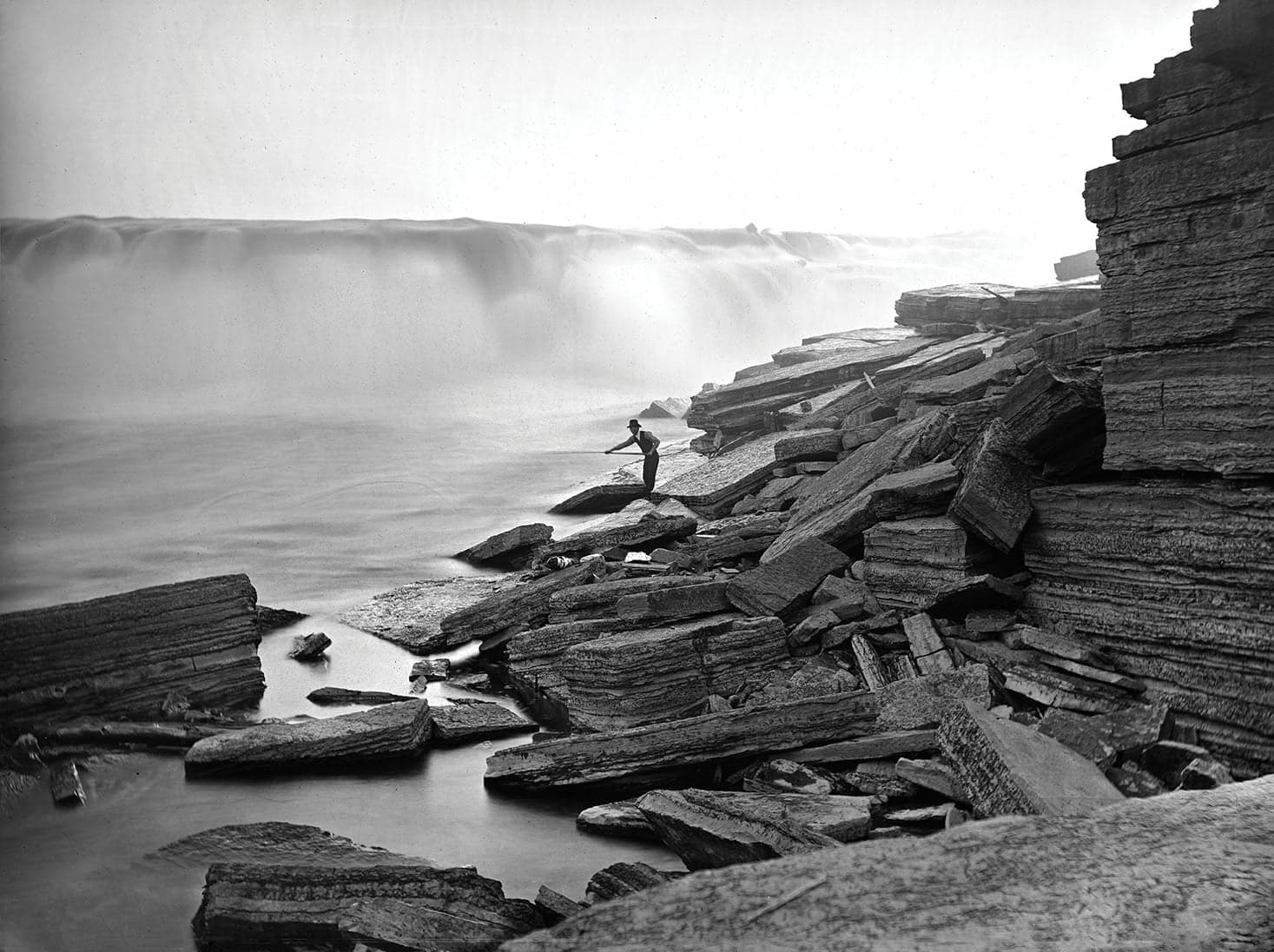
Ottawa, 1870: “This shot of the Chaudière Falls is one of Notman’s earliest landscape photos. In the decades after it was taken, the company sent photographers out west to capture images. They mostly depicted Canada as an empty space ripe for extraction and colonization. Photos like this were sold as prints in the studio, as well as reproduced in books and magazines. Later on, they became postcards too.”
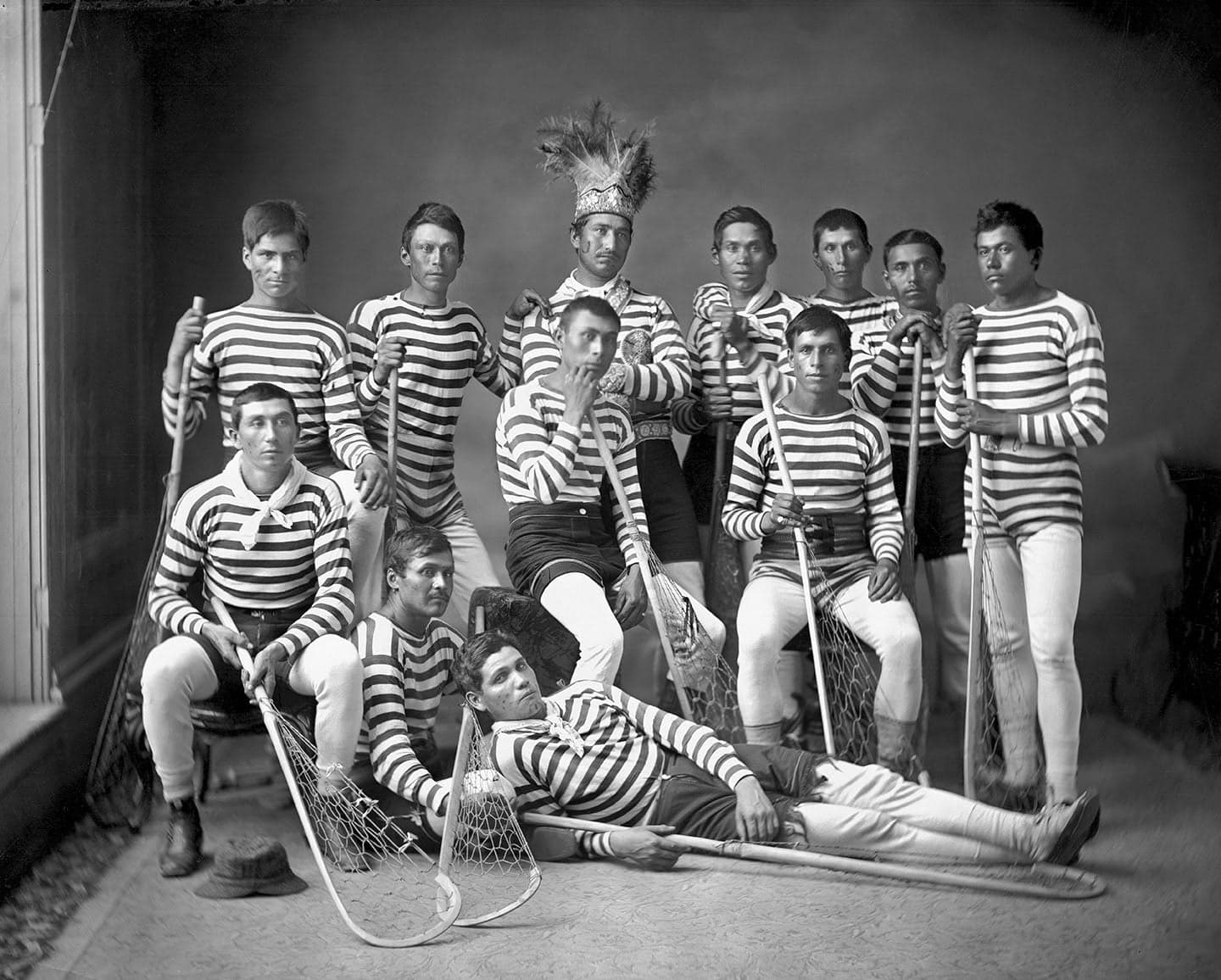
Montreal, 1876: “Lacrosse was a huge sport at the time. The same year this photograph was taken, two Canadian teams—one from Kahnawà:ke, pictured here, and another from Montreal—travelled to England and played for Queen Victoria at Windsor Castle. This photo is a favourite among McCord employees. The team’s stripes and sticks are so visually appealing.”
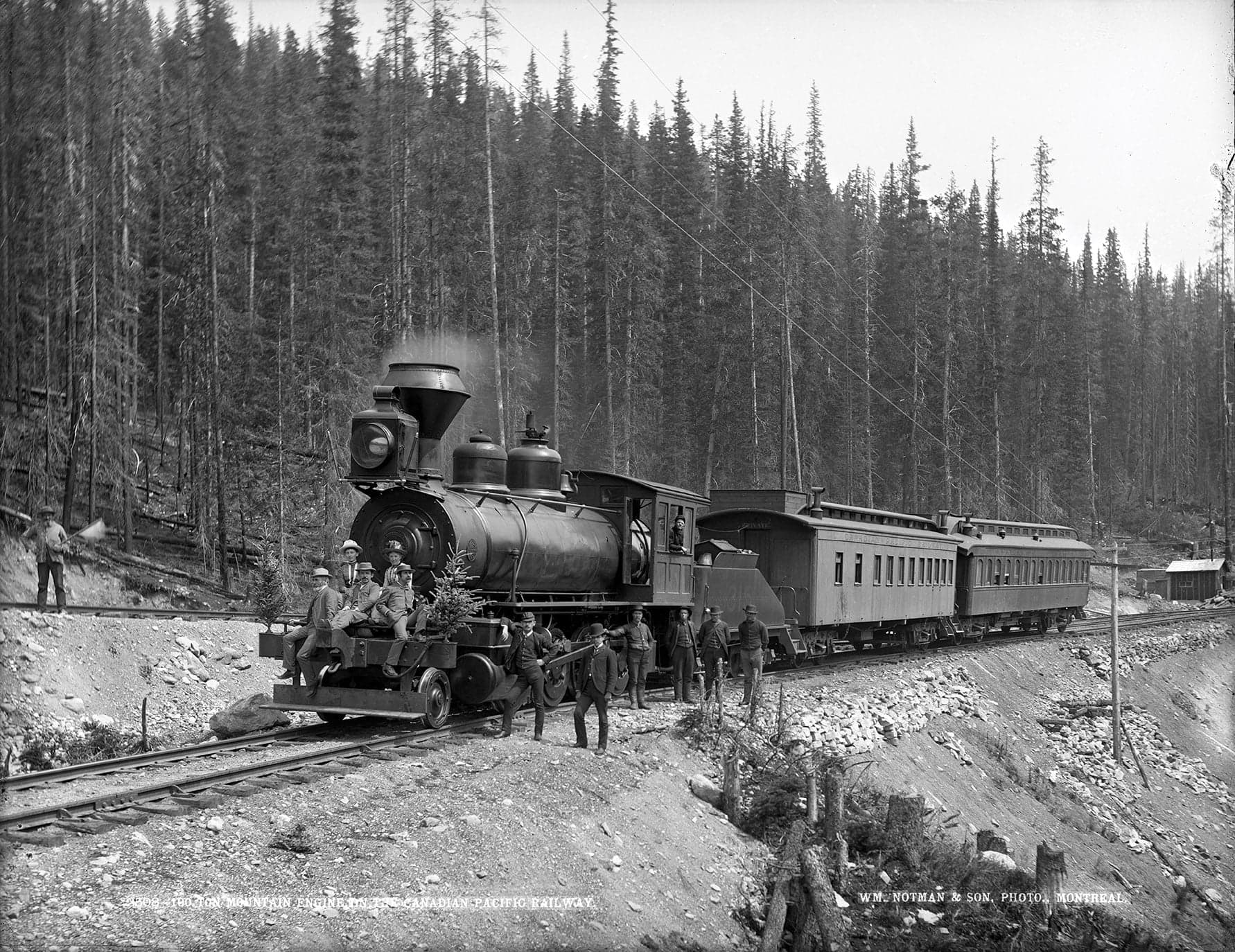
Near Field, B.C., 1889: “The Canadian Pacific Railway hired the Notman studio to document its railway expansion. This image has a ‘mastery of man over nature’ angle that the client surely loved. The bosses are likely sitting on the front of the train, conductors standing on the side and the workers in the back.”
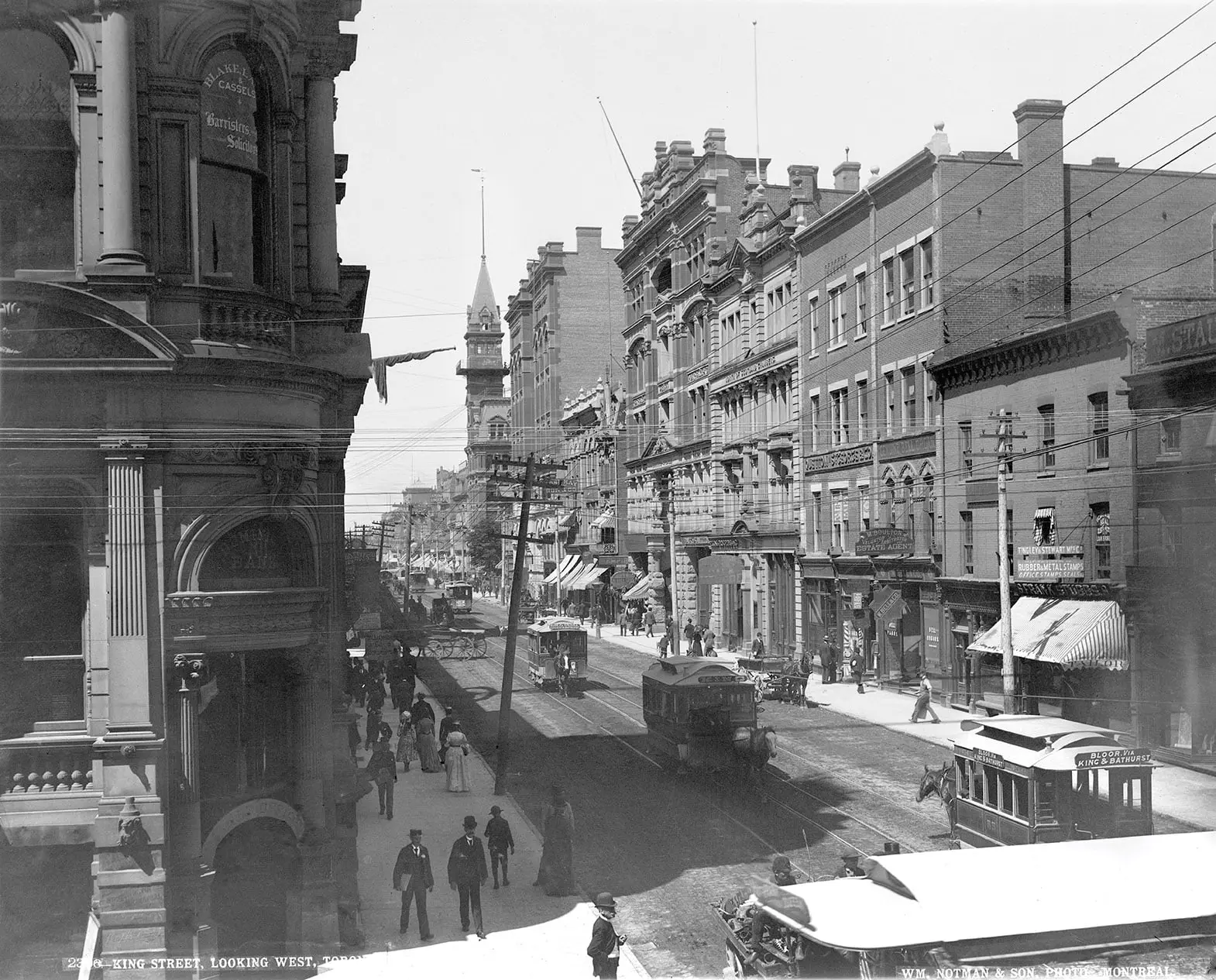
Toronto, circa 1890: “This image, shot on King Street, is an early example of street photography. These kinds of cityscapes showed people going about their business. Because the Notman studio’s negatives are incredibly detailed, digital technology today lets us scan photos at a very high resolution, allowing us to dive deeply into the details. You can see people’s hats and purses and whatever they hold in their hands.”
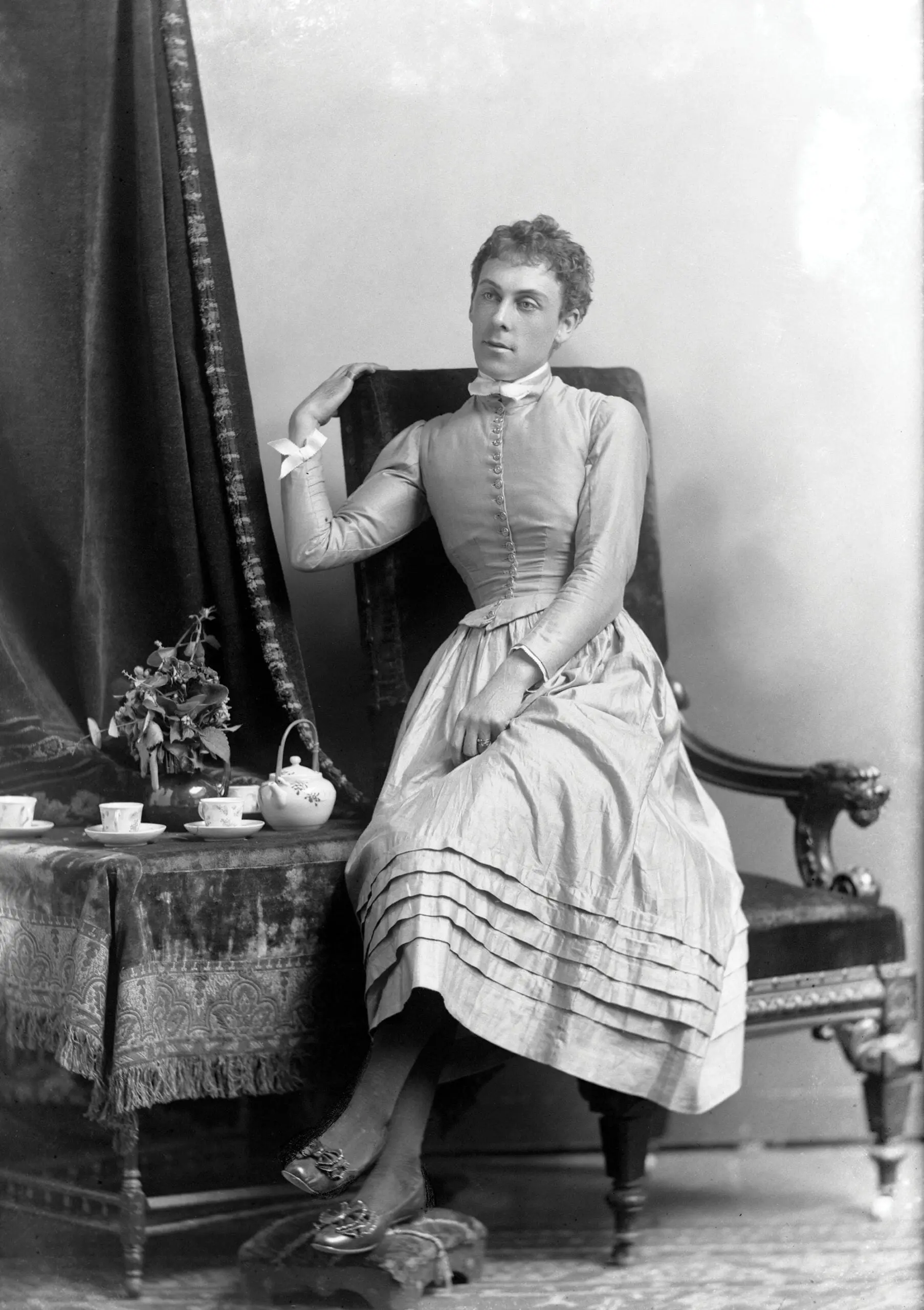
Montreal, 1889: “We think this is a portrait of a trans woman who may have lived in Montreal. She visited the studio with a member of her family, a Mrs. Austin, who must have been an ally—she paid for this portrait and two more. The negative shows how the photo was retouched to enhance her femininity. We’re hoping to discover who she is someday.”
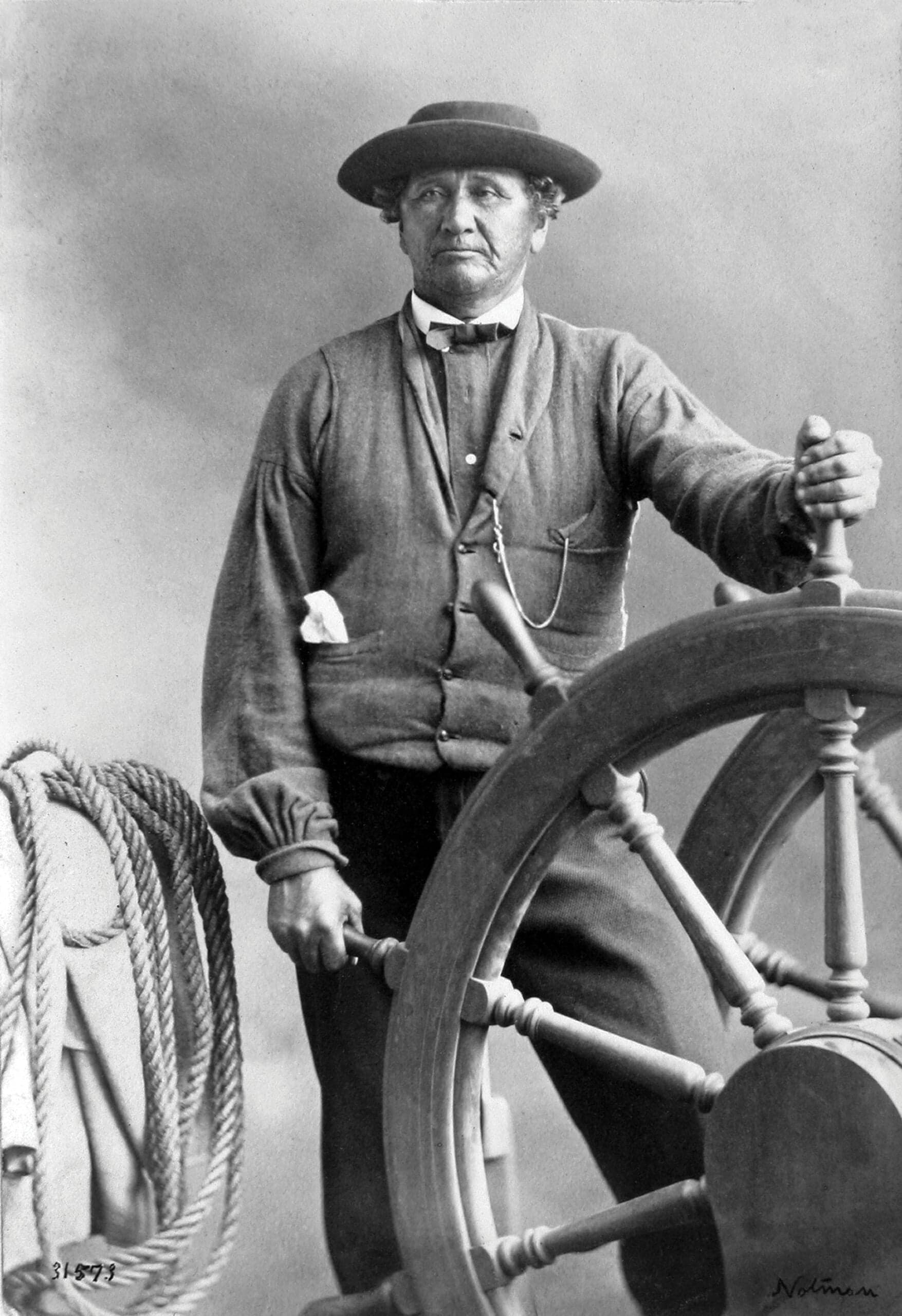
Montreal, 1868: “Rice, a famous Kanyen’kehà:ka river pilot, helped navigate American boats along the Lachine Rapids in the St. Lawrence. This photo was circulated far and wide. Notman pictured Rice with ropes and a ship’s wheel as props, to represent his occupation.”
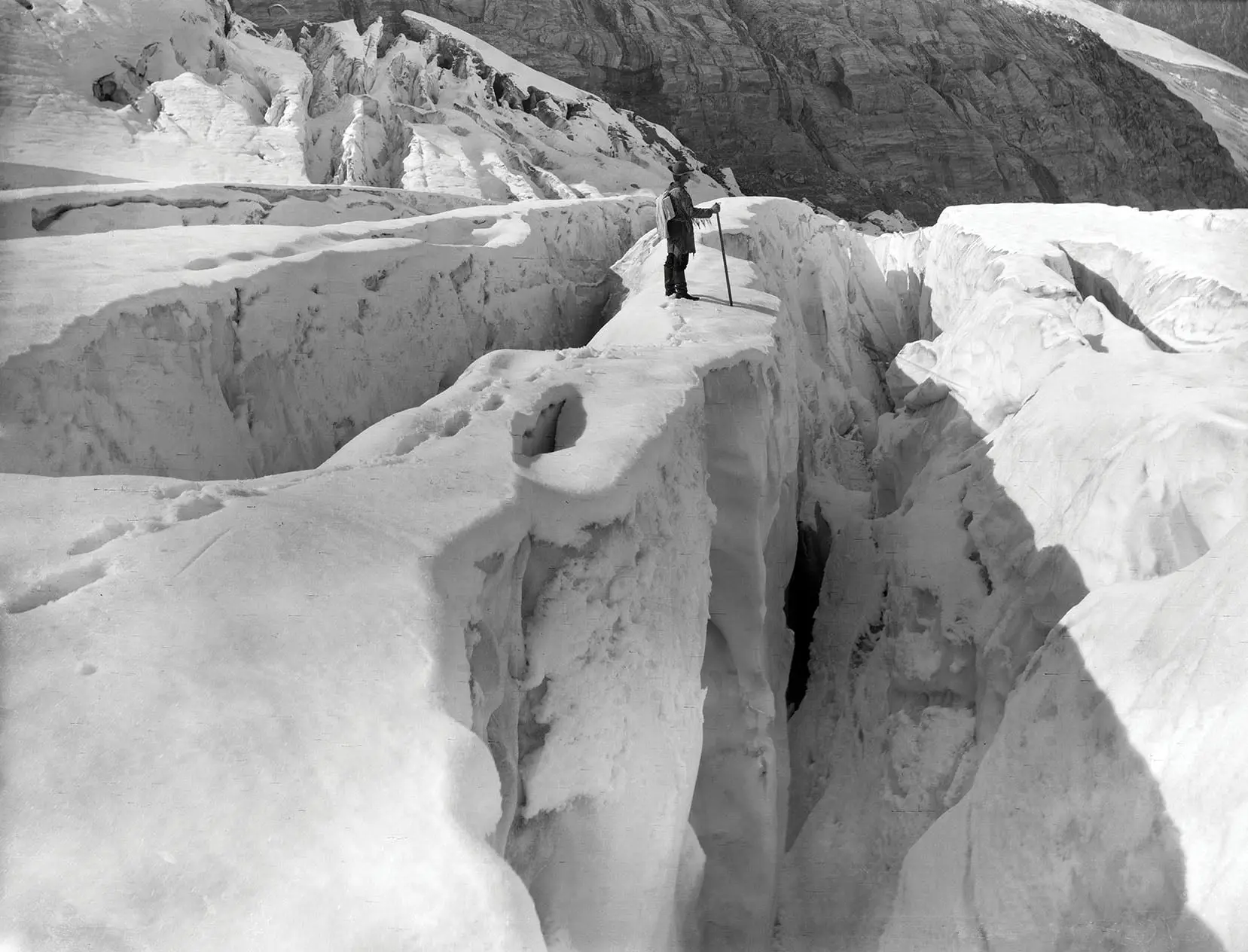
Glacier Park, B.C., 1889: “These days, we have cameras at our fingertips all the time. Back then, taking this photo would’ve involved carrying a heavy camera and a tripod up the mountains in the cold. Glass plate negatives also had to be prepared on-site, so the photographer had to safeguard fragile glass and bring that back too.”
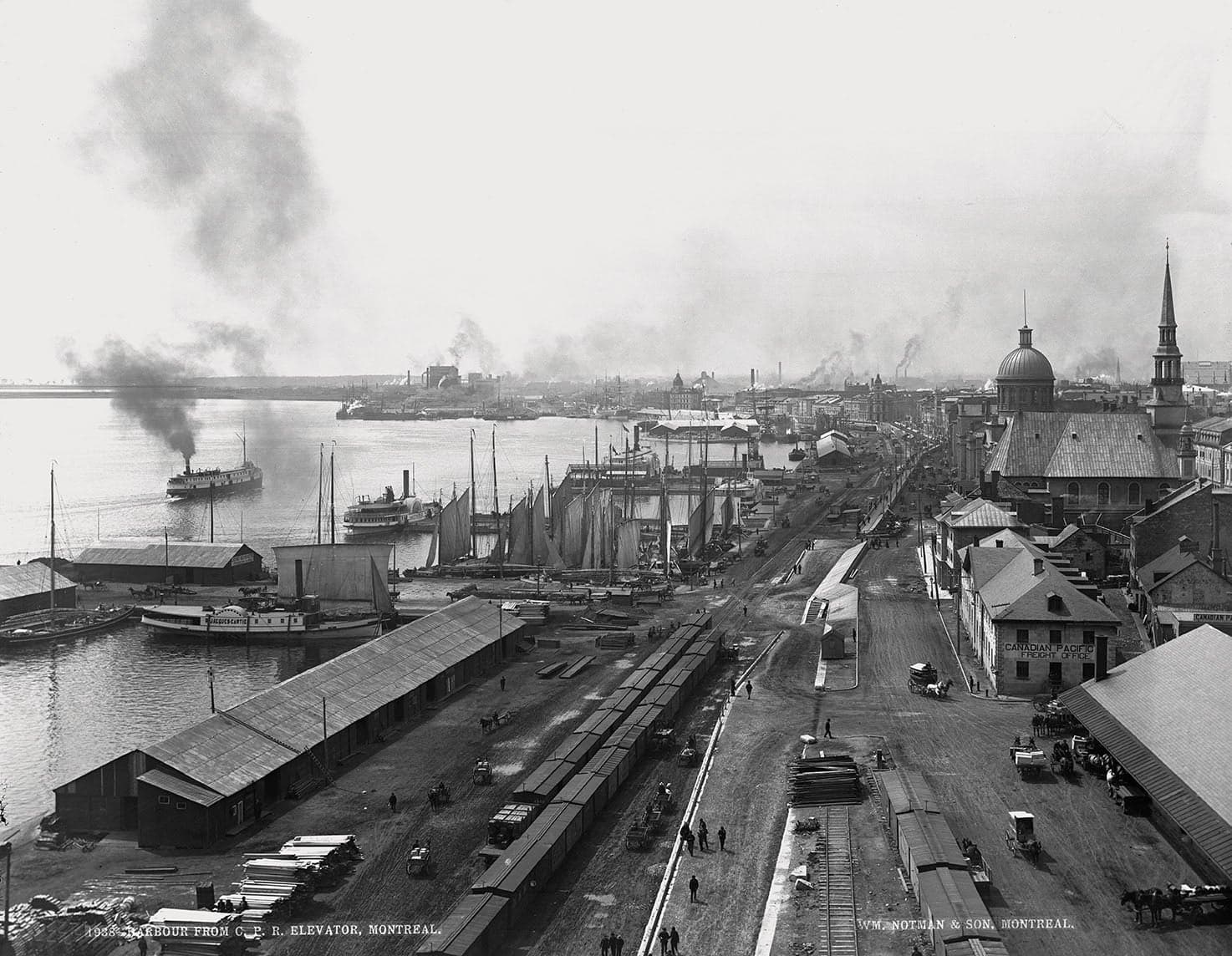
Montreal, circa 1885: “This is the Old Port with the steeple of Notre-Dame-de-Bon-Secours standing out on the skyline. This photo realistically depicts Montreal in the middle of rapid development—it’s not at all a postcard image. You can see horse-pulled trams alongside engineering feats, plus all the pollution in the air caused by industrialization.”
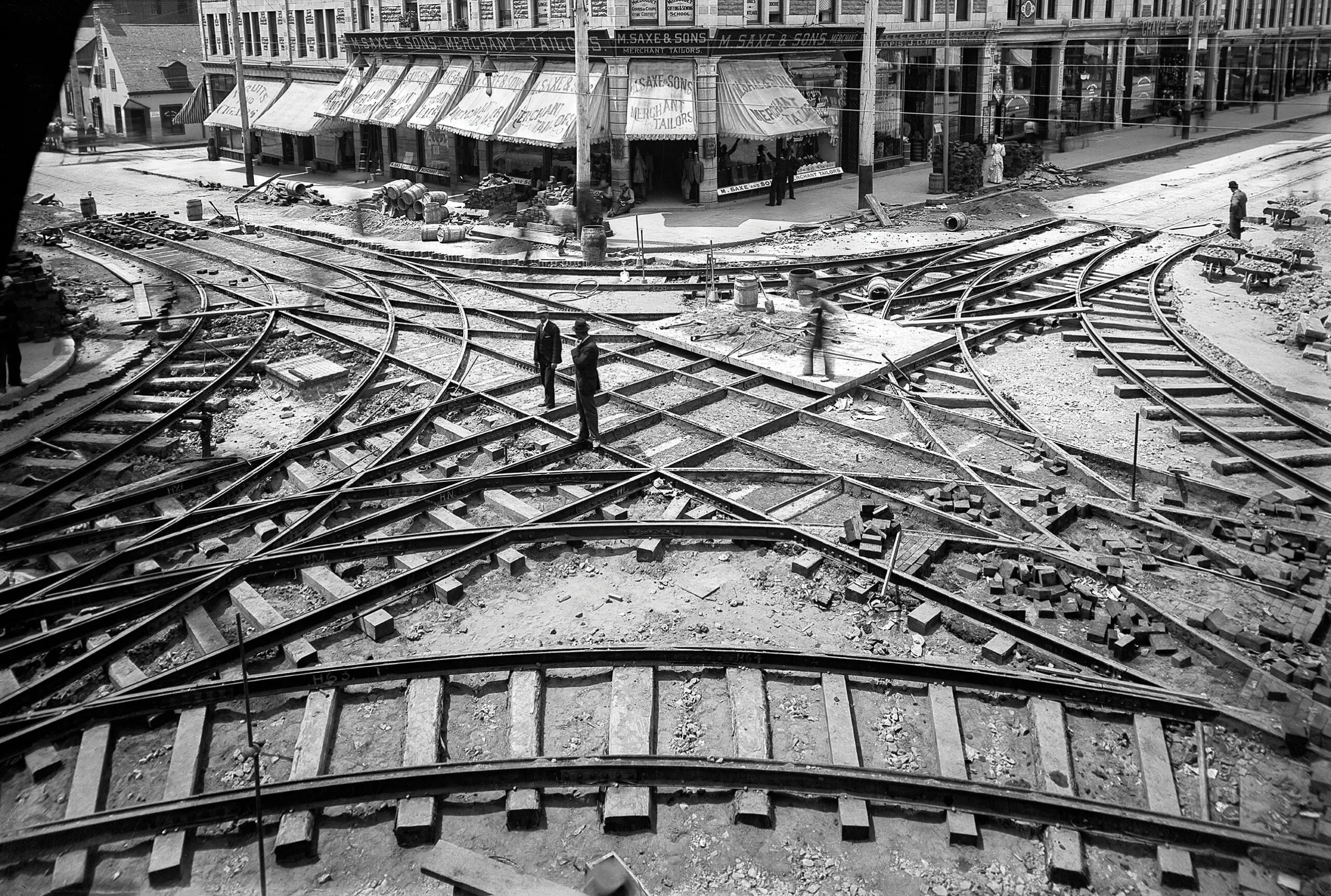
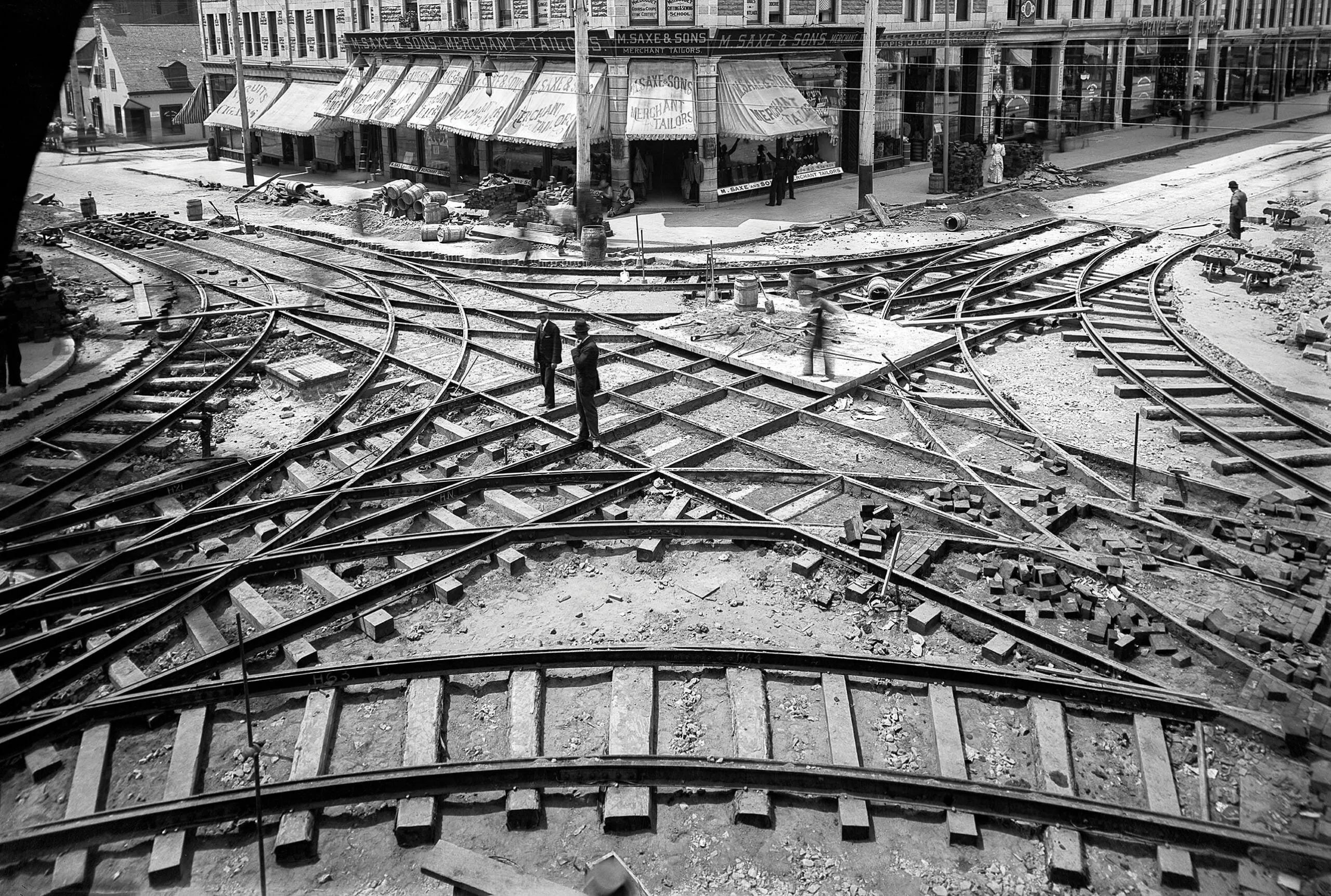
Montreal, 1893: “Before these electric tracks were installed, horses pulled the local trams. Today, there are still Montrealers who remember when the city was filled with trams, but the vehicles have long been removed. Back then, camera exposure time was still a bit slow, as you can see by the movement in the middle of the image.”
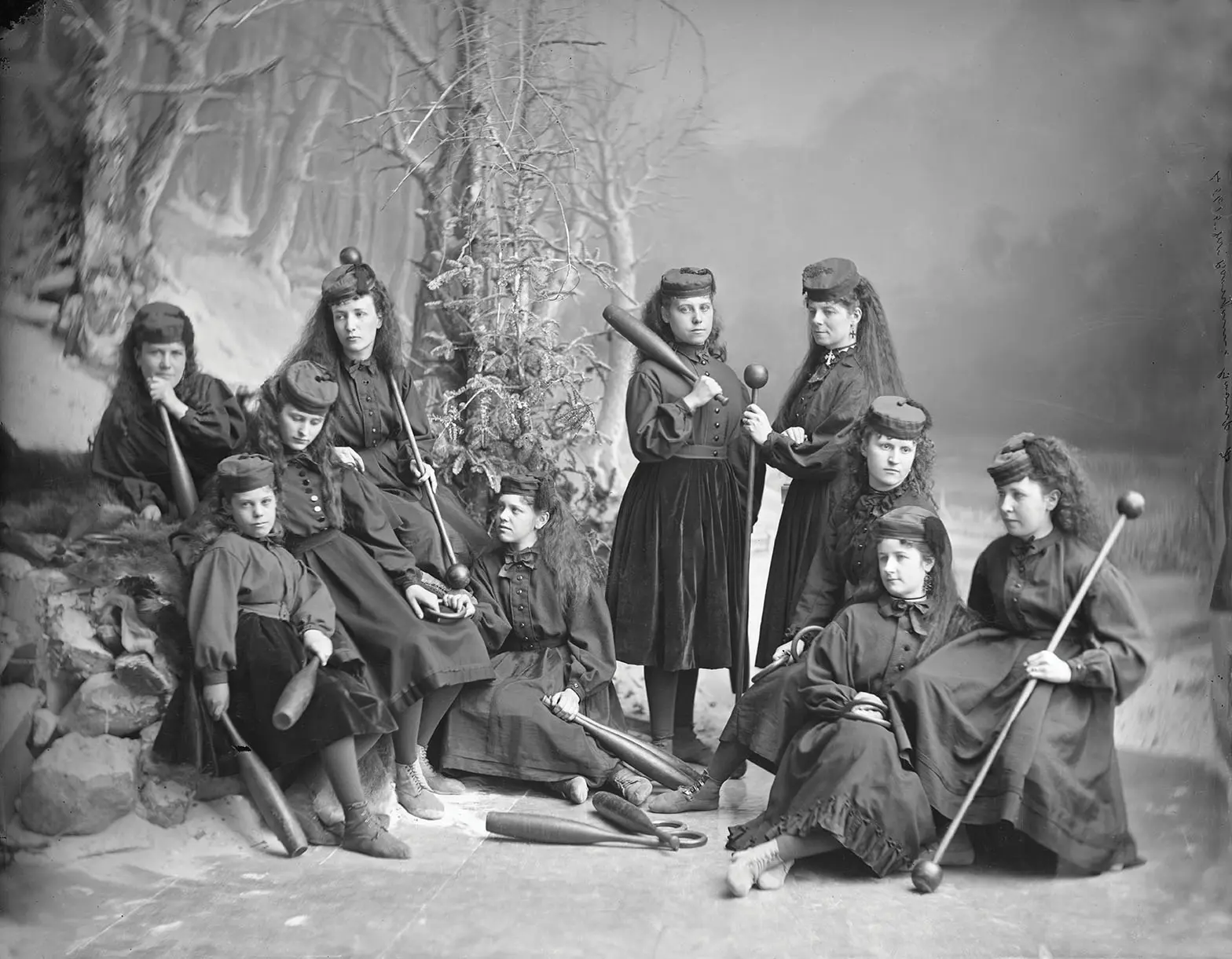
Montreal, 1870: “This is a sophisticated group portrait of a gymnastics club, posed carefully to invoke dynamic movement. Juggling clubs and twirling batons keep your eye moving. The backdrop was likely handpainted to depict the Canadian wilderness. Posing this many people would’ve been a lengthy and complicated process.”
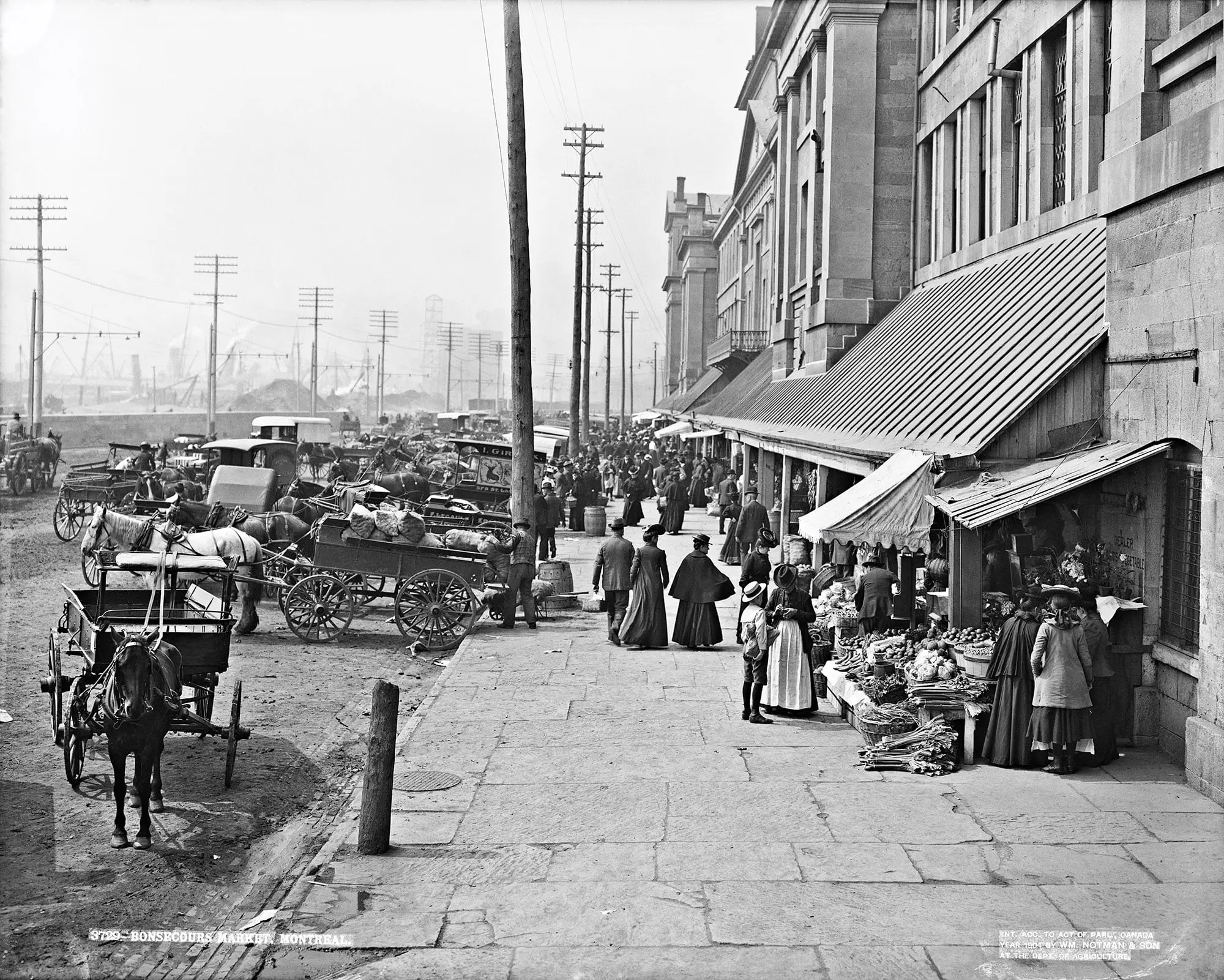
Montreal, 1904: “This is at Bonsecours Market. We scanned and blew this image up for an exhibition, and the details we found were extraordinary. You can clearly see the fruits and vegetables for sale in the street, customers reaching into their purses for coins, the contents of shoppers’ baskets and even shoelaces on boots and feathers on hats.”
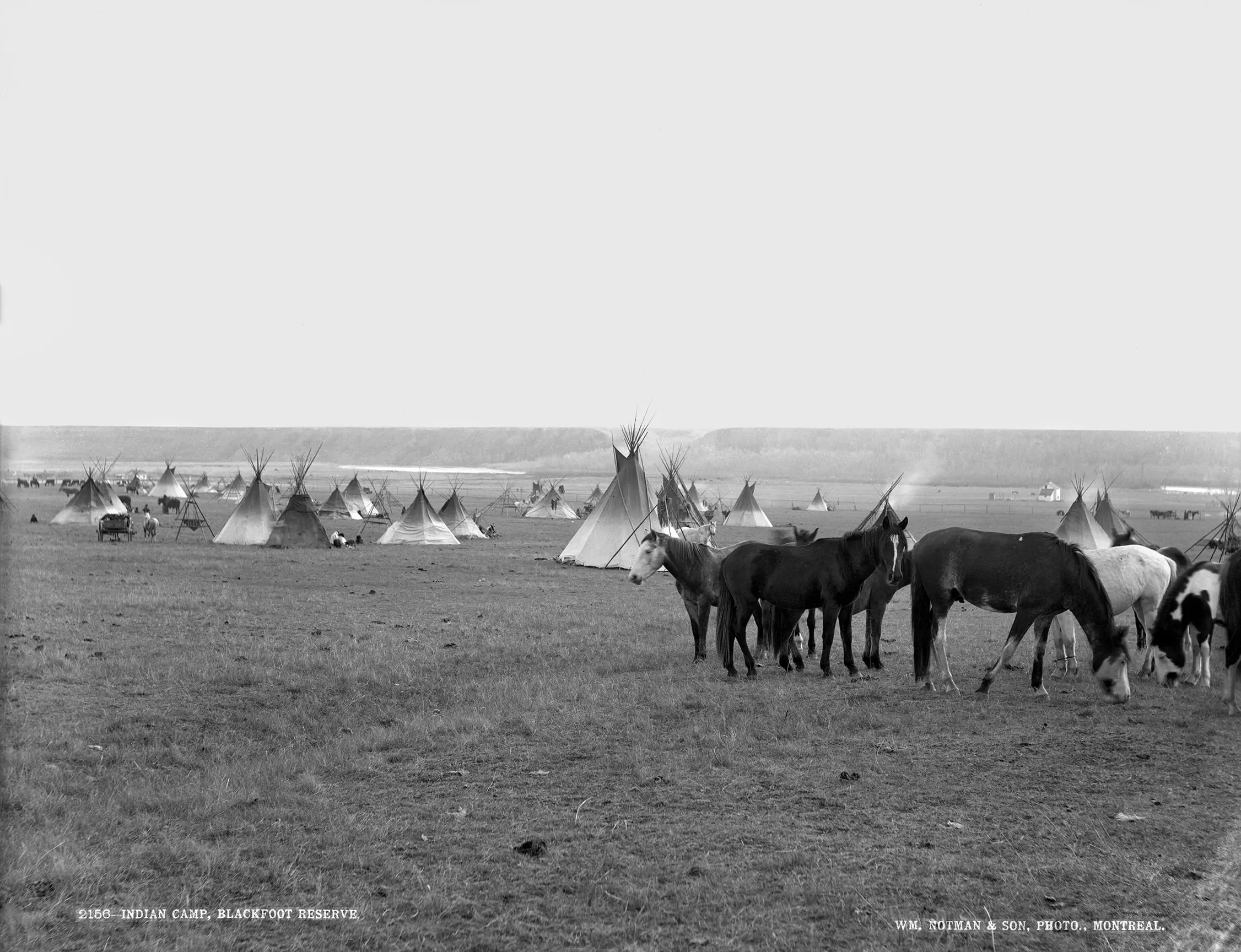
Near Calgary, 1889: “This was a Niitsitapi (Blackfoot) Indigenous camp, taken by Notman’s photographers out west. I like this image for its modern documentary style. It shows an Indigenous community invested in their territory, and it doesn’t romanticize them, which goes against the usual colonial project. It’s merely a straightforward picture of the camp. This photo is a special one—there aren’t many like it in the archive.”

Rosemary Counter is a Toronto-based writer and journalist whose reporting and essays have appeared in The New York Times, Vanity Fair, The Guardian, National Geographic, Reader’s Digest and many more. She’s currently writing columns at The Globe and Mail, Report on Business and Zoomer magazine. Find her at www.rosemarycounter.com.
Related Posts

How to Win the Westminster Dog Show
How the Olympics Remade Montreal

The Golden Age of Smut
How My Book, Heated Rivalry, Became A TV Phenomenon
Get the Best of Maclean’s straight to your inbox.
Sign up for news, commentary and analysis. Join 60,000+ Canadian readers.