Canada’s Getting Sicker. We Need More Fitness Pros
Just over 50 per cent of Canadian adults report that their health is very good or excellent and only 43 per cent of children and youth are getting the recommended amount of weekly physical activity, with racialized and low-income Canadians, as well as those with disabilities, particularly at risk.
With chronic diseases straining our economy by an estimated $190 billion every year, including $68 billion in direct health-care costs, according to the Public Health Agency of Canada, there is a growing demand for qualified fitness professionals to design and implement programs that promote physical activity and encourage a healthy lifestyle.
With Canada’s health on a downward trend, the government has adopted a preventive approach to health care, allocating more than $900 million for health promotion and protection for 2025–26.
Meanwhile, the Canadian fitness industry is expected to grow by 171 per cent by 2028, driven by the increasing popularity of online and digital fitness apps, as well as a growing trend in gym attendance among younger Canadians who prioritize both physical and mental health and seek social connections through group fitness classes and one-on-one coaching.
Fitness and health promotion programs to consider
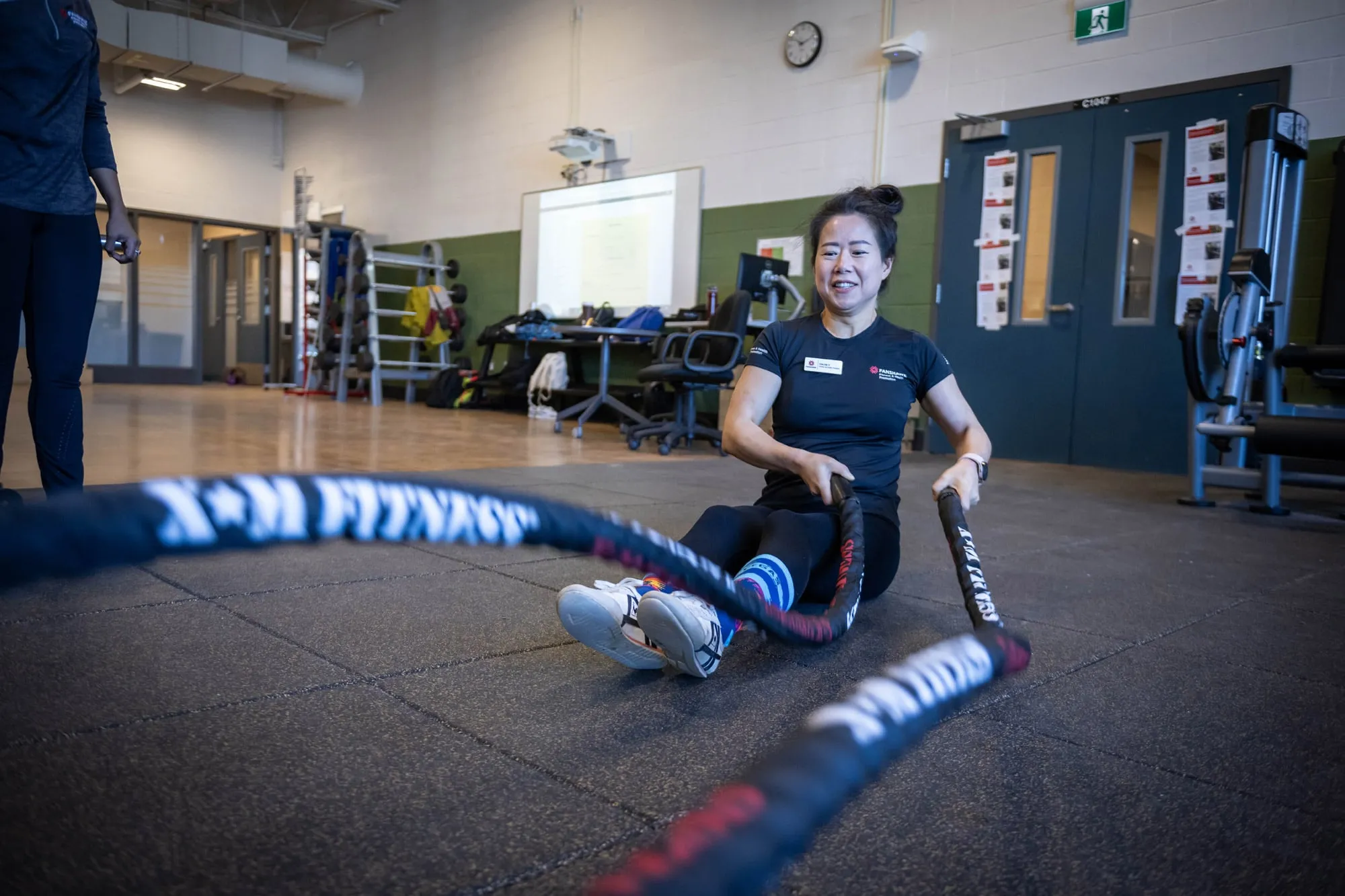
With several personal fitness and health programs available nationwide, students have plenty of options. Some programs, such as London-based Fanshawe College’s fitness and health promotion diploma, focus primarily on fitness-related careers, including personal training. Students in the program take courses in math and science to better understand health metrics, including body composition and cardio-respiratory data. The in-person program also offers hands-on field experience: students might organize a fitness event as part of a fundraiser or lead a safe lifting lab in collaboration with the nursing department. The program culminates in an official community placement. Specialty certifications, such as the certified personal trainer credential or the National Coaching Certification Program, can help graduates connect with experts, network and stand out in the job market.
Related Posts

How Mental Health and Addiction Grads Are Tackling the Opioid Epidemic

Clean Energy Techs Are In Demand as Canada’s Energy Sector Goes Green
At B.C.-based Douglas College, with campuses in Coquitlam and New Westminster, students have a few fitness programs to choose from. These include a two-year diploma in sports science, a graduate diploma in physical and health education and a post-degree diploma in kinesiology (the study of the human body in motion). Students looking to open more doors might consider the four-year bachelor’s degree in physical education and coaching, which equips students for roles like physical and health education teachers, specialized sports coaches, kinesiologists, or administrators in various athletic environments. The program also prepares students to enter into post-degree programs in physiotherapy, occupational therapy or massage therapy.
Opportunities for fitness and health promotion grads
According to Indeed, the hourly salary for a personal trainer in Canada ranges from $29.50 to $36.70, with an average of $33.60 nationwide. A group fitness instructor earns between $25 and $35 per hour, and a personal trainer at a gym can earn $52,000 per year on average or more, depending on experience, location and certifications. Entrepreneurial types with the necessary self-promotion skills might consider opening a small gym, operating a franchise, starting an online coaching business or launching their own fitness app with customized workouts and personalized nutritional advice for clients.
Students may choose to pursue additional education to become kinesiologists, many of whom earn an average of $60,000—and some upwards of $90,000—a year, supporting people in various settings, such as injury rehabilitation, disability management, and ergonomics and workplace safety.
This story appears in the 2026 edition of the Ultimate Guide to Canadian Colleges. You can buy the issue for $14.99 here or on newsstands.
Subscribe to Message Board, our weekly newsletter guide to planning your post-secondary journey
Whether you’re a student, parent or guidance counsellor, Message Board is a resource you won’t want to miss out on.

Chris Deacon is a freelance writer and content creator whose work has appeared in Chatelaine, Yoga Journal, Broadview, HuffPost, and IKEA.ca.
Related Posts
Artificial Intelligence Programs Prepare Students for Today’s Workplace

Construction technologists will support Canada’s massive building spree

Cybersecurity Experts Are in Demand as Companies Integrate AI