
Perfectionists tend to procrastinate: York U. psychologist
Students are more likely to procrastinate when they feel others expect them to be perfect, according to research from York University psychologist and Canada Research Chair Gordon Flett. His work will be published in the Journal of Rational-Emotive and Cognitive-Behavior Therapy.
From York University and Professor Flett:
[Flett] found related patterns of negative ruminations among procrastinators focused on perfectionism, fear of failure and guilt. These negative thought patterns contributed to an increased stress level in students and delay in accomplishing tasks, findings that are similar to a previous study by the same research team showing that perfectionistic professors produce fewer published articles. So how can students move past the negativity and become high achievers?
Aim for excellence, not perfection
"The goals should be striving for excellence rather than striving for perfectionism,” says Flett. “This means that students should work strenuously – but not obsessively – in order to achieve their goals. The goals should focus on excellence and doing well rather than being flawless. The focus should be on learning effective and adaptive ways to learn new material and developing good study skills."
Related Posts

Five basic kitchen supplies every student should have

Six Canadian university students on how they’re fighting climate change
Don’t get bogged down with external expectations
"Some students suffer jointly from procrastination and perfectionism. Fear of failure is one personality style that links these. It is important here to be not too concerned with what other people think."
Learn to muzzle that negative inner voice
"Students are especially prone to stress if they ruminate and think continuously about the need to be perfect. Our work shows that students ruminate about their procrastination and have such thoughts as ‘Why didn’t I start earlier?’ and ‘Next time will be different.’ Students can learn to control these thoughts and should do so since these thoughts are linked with depression, anxiety, lack of conscientiousness, and avoidance."
Get help if you need it
"Perhaps the biggest problem is that perfectionistic procrastinators do not seek help, whether it is for assistance with their learning style or for their psychological issues. Asking for help is not a sign of weakness and is not something to be ashamed of. In fact, it is the smart thing to do."
Related Posts

Inside the student-led movements urging Canadian universities to divest from fossil fuels

Five easy, tasty recipes for students on a budget
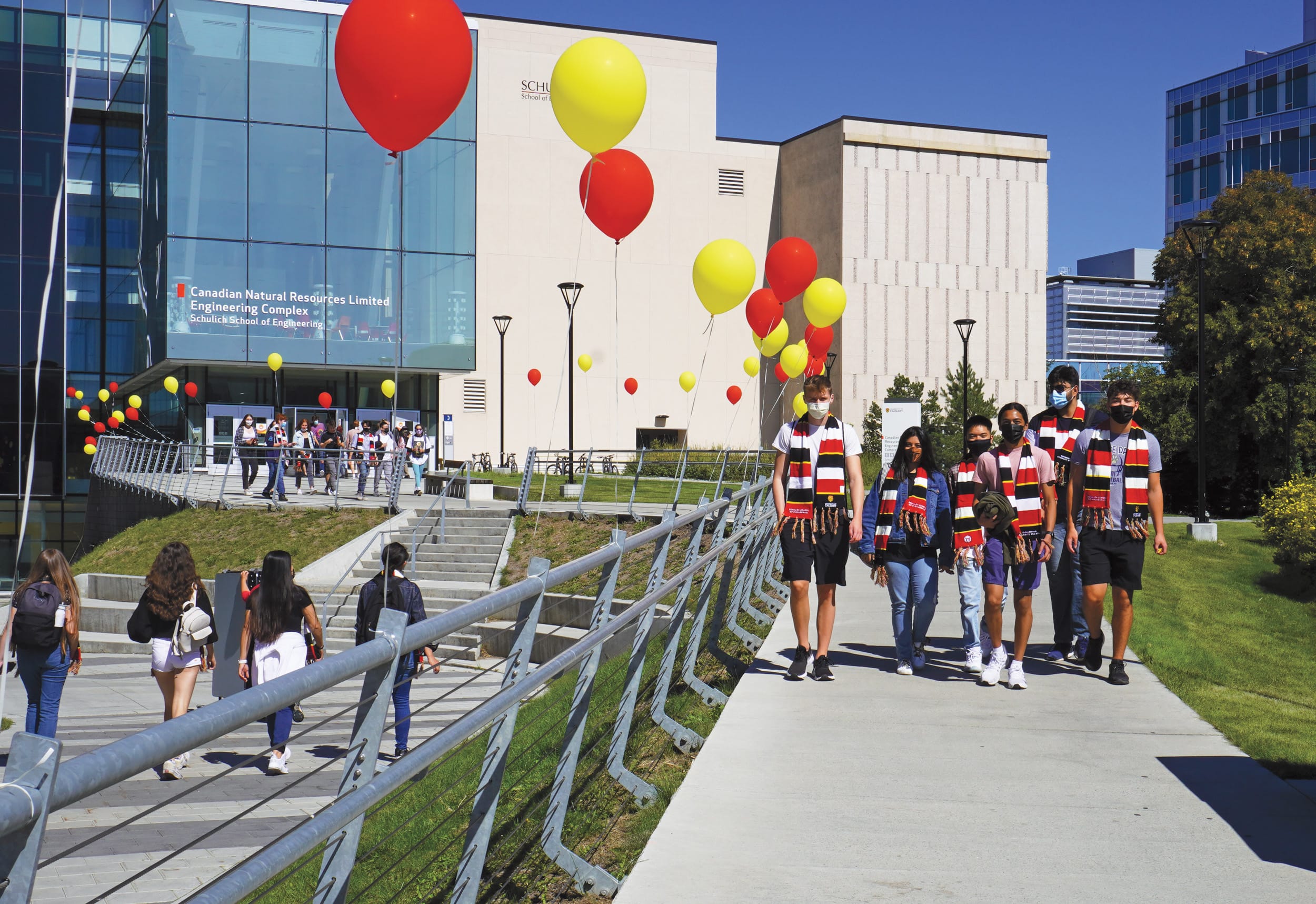
Campus life at Canadian universities during the second pandemic school year

The grassroots food insecurity initiatives putting an end to the ’starving student’
Subscribe to Message Board, our weekly newsletter guide to planning your post-secondary journey
Whether you’re a student, parent or guidance counsellor, Message Board is a resource you won’t want to miss out on.