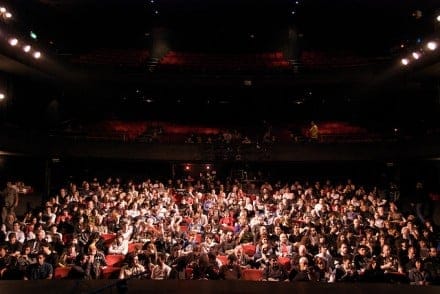
Students guilty of disrupting speech on campus
Ten American university students were sentenced on Friday to 56 hours of community service and three years of probation in a case that has spurred debate about freedom of speech on campus.
Ten of the "Irvine 11" students were convicted of conspiring to disrupt and disrupting Israeli ambassador Michael Oren’s speech, which he delivered at the University of California Irvine early last year. The court ruled that there is a difference between expressing one’s own opinions and preventing someone else from offering theirs.
The students, all members of the Muslim Student Union, disrupted Oren’s talk by repeatedly by yelling messages they had planned through e-mail exchanges, such as, "it’s a shame this university has sponsored a mass murderer like yourself."
Prior to the trial, UC Irvine disciplined some of the students and suspended the Muslim Student Union for an academic quarter, which the dean of UC Irvine’s law school, Erwin Chemerinsky, believed was sufficient punishment. He called the decision to prosecute the students "harsh" and "a terrible mistake," despite the fact that "there’s no free speech right to shut someone down."
Last year, Canada experienced its share of free speech controversies on campus when both Ann Coulter and Christie Blatchford had events shut down because of protesters who had planned ahead of time to disrupt their speeches as a form of political protest.
Related Posts
The grassroots food insecurity initiatives putting an end to the ’starving student’

Five basic kitchen supplies every student should have
Tony Rackauckas told the court that the Irvine 11 committed "censorship" and "organized thuggery."
The defence lawyers, on the other hand, argued that the students were exercising their own rights to speak and that a criminal sentence amounts to "shutting down" their rights to free speech. Worse, they say, such harsh punishment will deter student activists from expressing their views on campus in the future. Reem Salahi, a lawyer for the defense, said they will appeal.
Related Posts
Six Canadian university students on how they’re fighting climate change

Five easy, tasty recipes for students on a budget
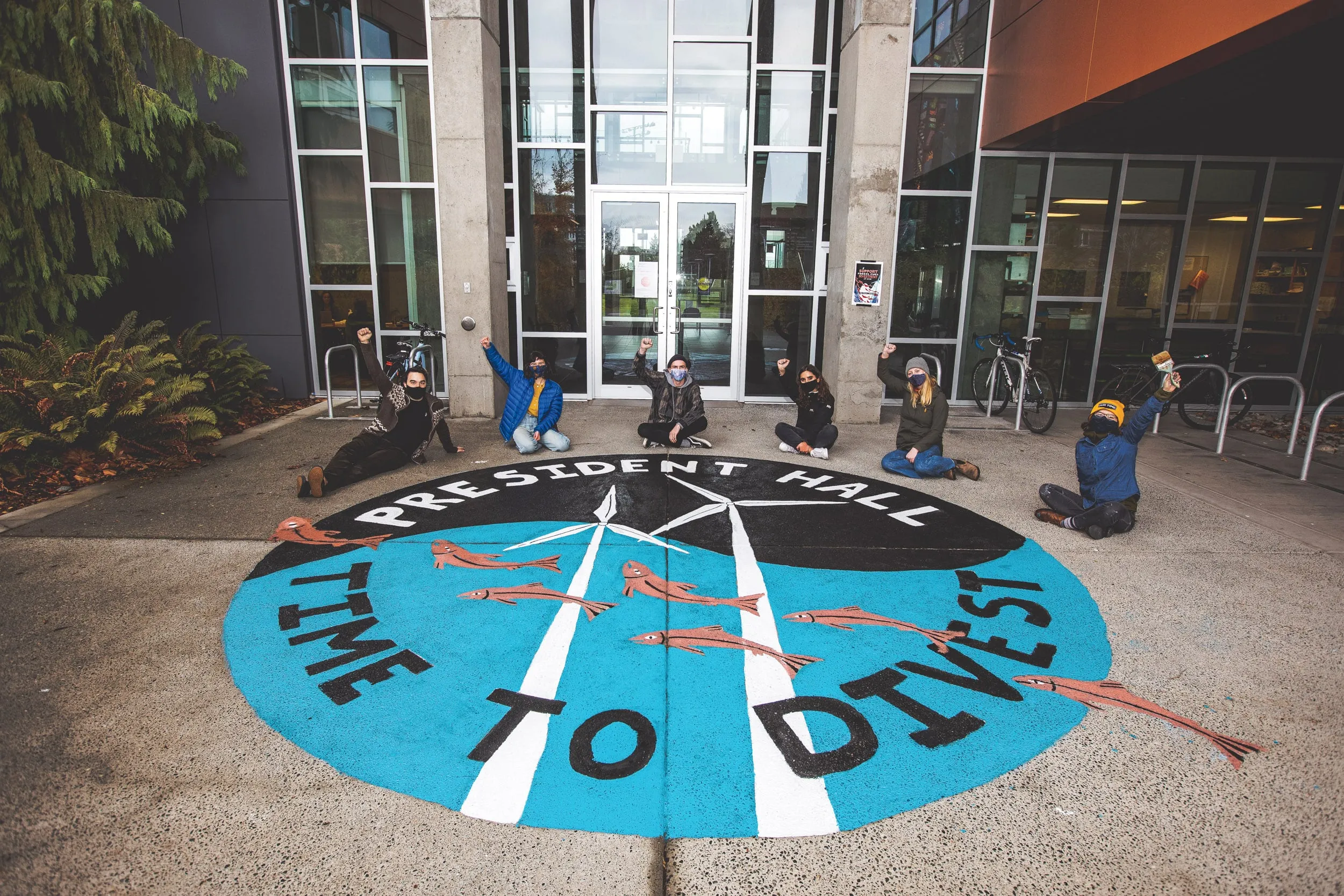
Inside the student-led movements urging Canadian universities to divest from fossil fuels
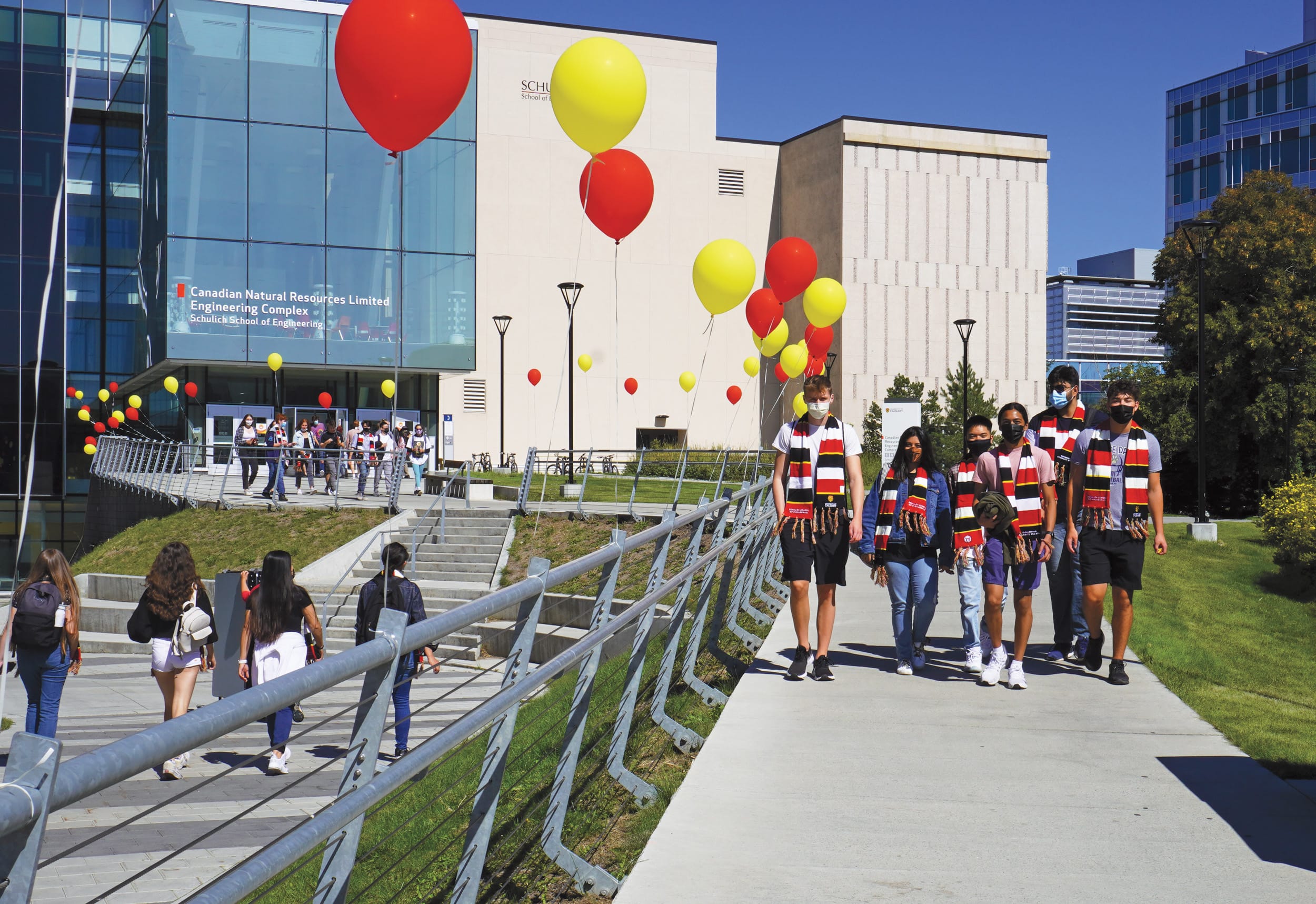
Campus life at Canadian universities during the second pandemic school year
Subscribe to Message Board, our weekly newsletter guide to planning your post-secondary journey
Whether you’re a student, parent or guidance counsellor, Message Board is a resource you won’t want to miss out on.