Big school, big city: University of Toronto

Emily Kellogg is in her last year of a book and media arts and philosophy double degree. She’s from Pebble Beach, Calif.
Why did you choose U of T?“I’m one of those people who always dreamt of living in New York,” says Kellogg, explaining that she enjoys the fact that eastern cities have four seasons, unlike California. “I chose U of T because I wanted to be at a big school in a major city in the East and I couldn’t afford to go to NYU.”
Was it the right choice?“I knew I’d made the right decision at my first Nuit Blanche,” says the arts editor of U of T’s student newspaper, the Varsity. “Seeing art everywhere and having the city vibrating at 4 a.m. was so exciting.” Kellogg also loves being able to walk to literary, music and art events right after class. “I can walk to Queen Street and go art-gallery hopping or I can go to the Horseshoe and see an amazing band for $8. Plus, all the big bands come here. I really enjoyed the Arcade Fire concert on the island this summer.”
What are the drawbacks of a big school?“When you’re in a class of 500 people, professors don’t care. They don’t have time to care. Unless you’re a keener and go to office hours, you’re probably not even going to meet your professors. A lot of my friends from first year dropped out.”
Was it hard to meet people?“U of T is separated into groups. If you’re an arts student you might never meet any engineers, or vice versa. The scenes are based on your program and are very set.” But, “despite how big U of T can be, you don’t seem to meet anyone who isn’t already friends with two of your friends on Facebook.”
Related Posts

Why sanctions over the Ukraine invasion won’t stop Putin

The only acceptable response to Vladimir Putin
What about course variety?“Last year I took “Special Topics in Translation Theory,” which looks at what’s lost in changing something from, say, Russian to English. I don’t know if I’d find that course at a smaller school.”
Describe the atmosphere.“I feel like here, I live my life first and then I’m also taking classes. At another school, it’s like, when you’re in school, you’re in school. You’re in the university bubble.”
Has it helped you plan your career?“You’re meeting people who are actually doing the things you want to do,” says Kellogg, noting that some of her writerly friends have already seen their work in national publications. “I want to go on to publishing and I can do it here with the connections I’ve made while at U of T. I don’t have to move.”
BIG SCHOOLS IN BIG CITIES:
University of Alberta34,240 (Edmonton: pop. 730,400)UBC38,052 (Vancouver: pop. 578,000)University of Calgary26,297 (Calgary: pop. 988,000)Carleton University19,874 (Ottawa: pop. 812,000)Concordia University21,885 (Montreal: pop. 1,621,000)Université Laval27,348 (Quebec City: pop. 491,000)University of Manitoba21,724 (Winnipeg: pop: 633,500)McGill University27,971 (Montreal: pop. 1,621,000)McMaster University23,312 (Hamilton: pop. 504,600)Université de Montréal41,194 (Montreal: pop. 1,621,000)University of Ottawa30,826 (Ottawa: pop. 812,000)Université du Québec à Montréal21,176 (Montreal: pop. 1,621,000)Ryerson University19,681 (Toronto: pop. 2,500,000)University of Toronto68,585 (Toronto: pop. 2,500,000)York University43,693 (Toronto: pop. 2,500,000)
Related Posts
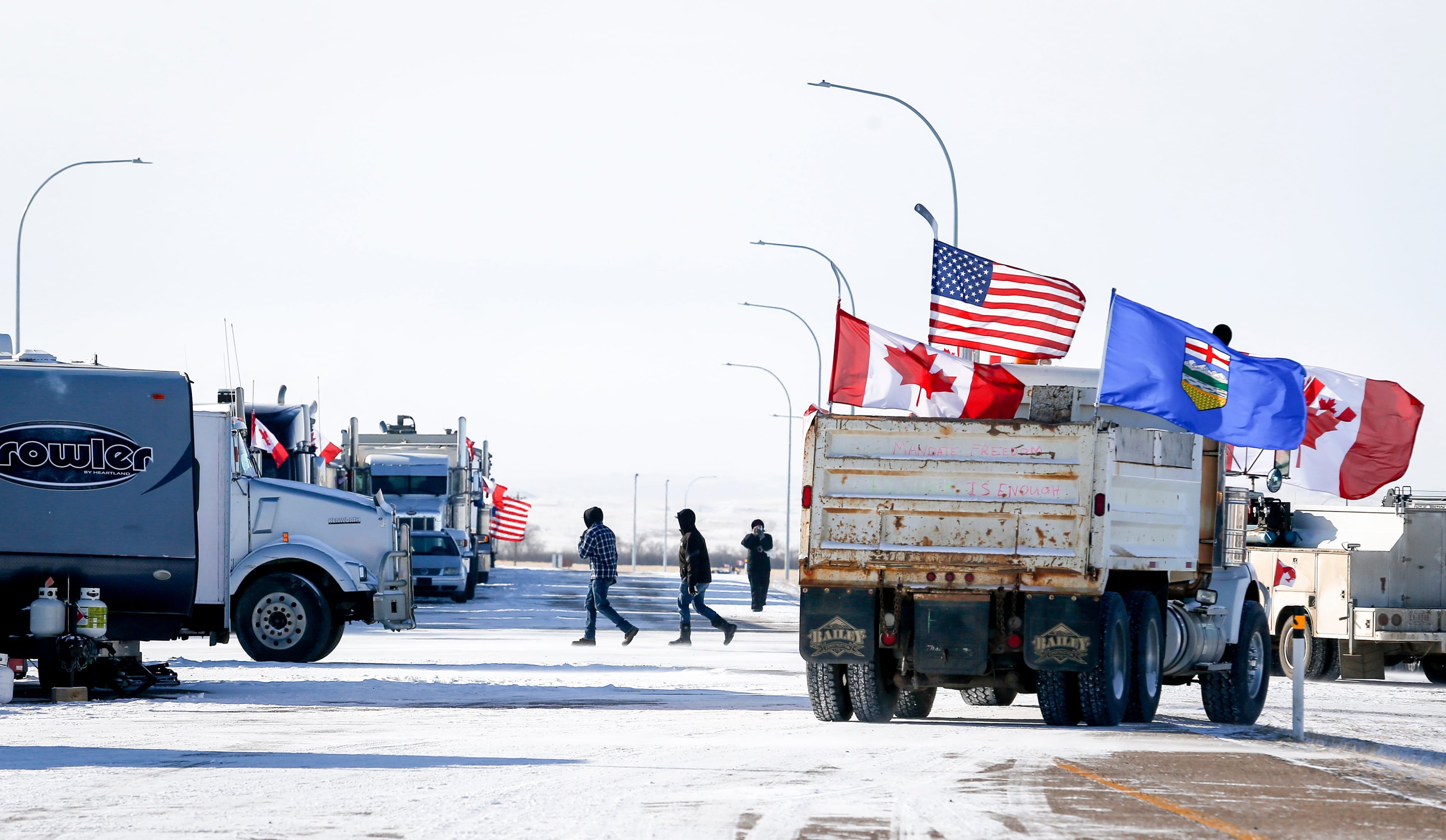
The Coutts blockade and controlling the narrative

A glaring omission from Trudeau’s letters to his ministers: hunger
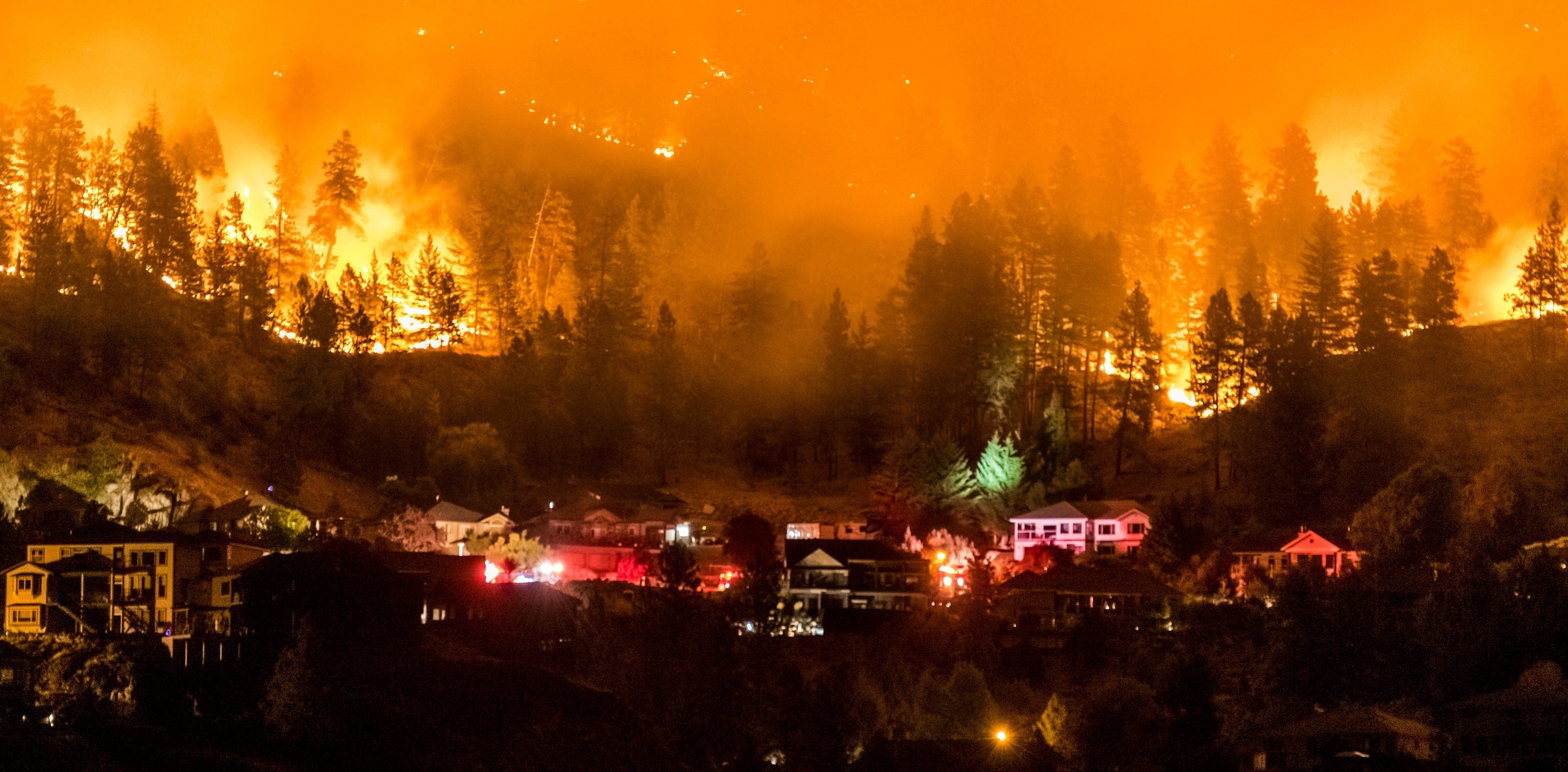
The Age of Wildfires

My love for the giant that is Ukraine
Get the Best of Maclean’s straight to your inbox.
Sign up for news, commentary and analysis. Join 60,000+ Canadian readers.