Behind the Scenes of Ontario’s Mennonite Measles Outbreak
When I was 10, my family and I left our Mennonite community in Mexico and moved to Ontario. I didn’t understand any English when we first arrived—I only spoke Low German—and while I picked the language up over time, not everyone in my family did. A few years later, my grandmother entered a nursing home for dementia, and I spent a lot of time taking care of her. After she passed away, I decided to pursue a career that would help Low German speakers like her access health care.
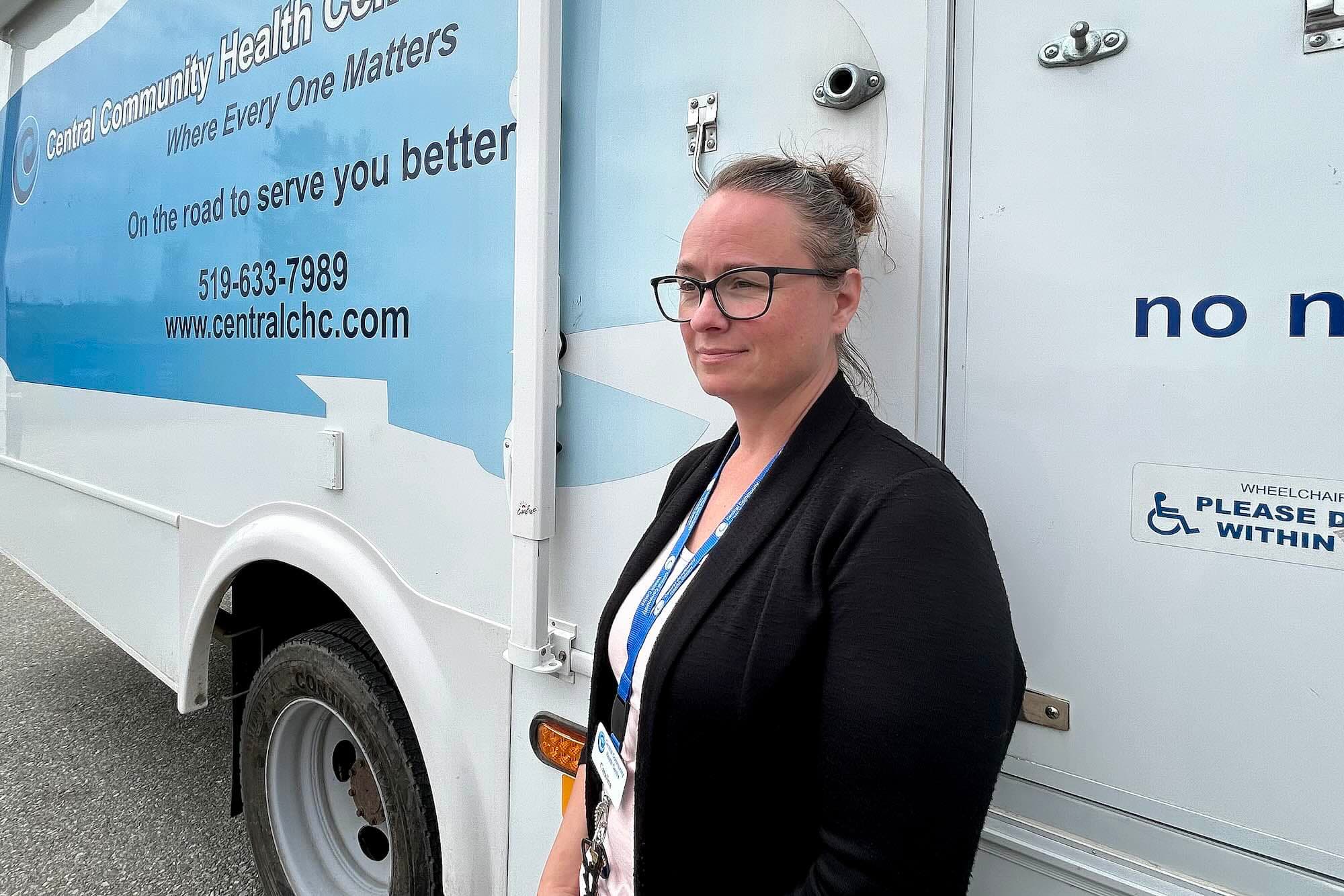
For the last six years now, I’ve been a personal support worker at the St. Thomas Central Community Health Centre in southwestern Ontario. With the help of a nurse practitioner, I run a mobile clinic that provides a variety of health-care services—including immunizations and pre-natal care—to the local community, which is primarily made up of Low German–speaking Mennonites. When measles cases started popping up early this year, I wasn’t particularly surprised. I knew that many members of our community hadn’t been vaccinated against the highly contagious disease. I knew how taboo it was: my family was vaccinated when I was young, but others looked down upon us for that choice.
Five months later, around 150 to 200 of our clients have had measles, and most of our Low German–speaking clients have at least had symptoms. To fight this ongoing outbreak, it’s important to understand why it came about in the first place.
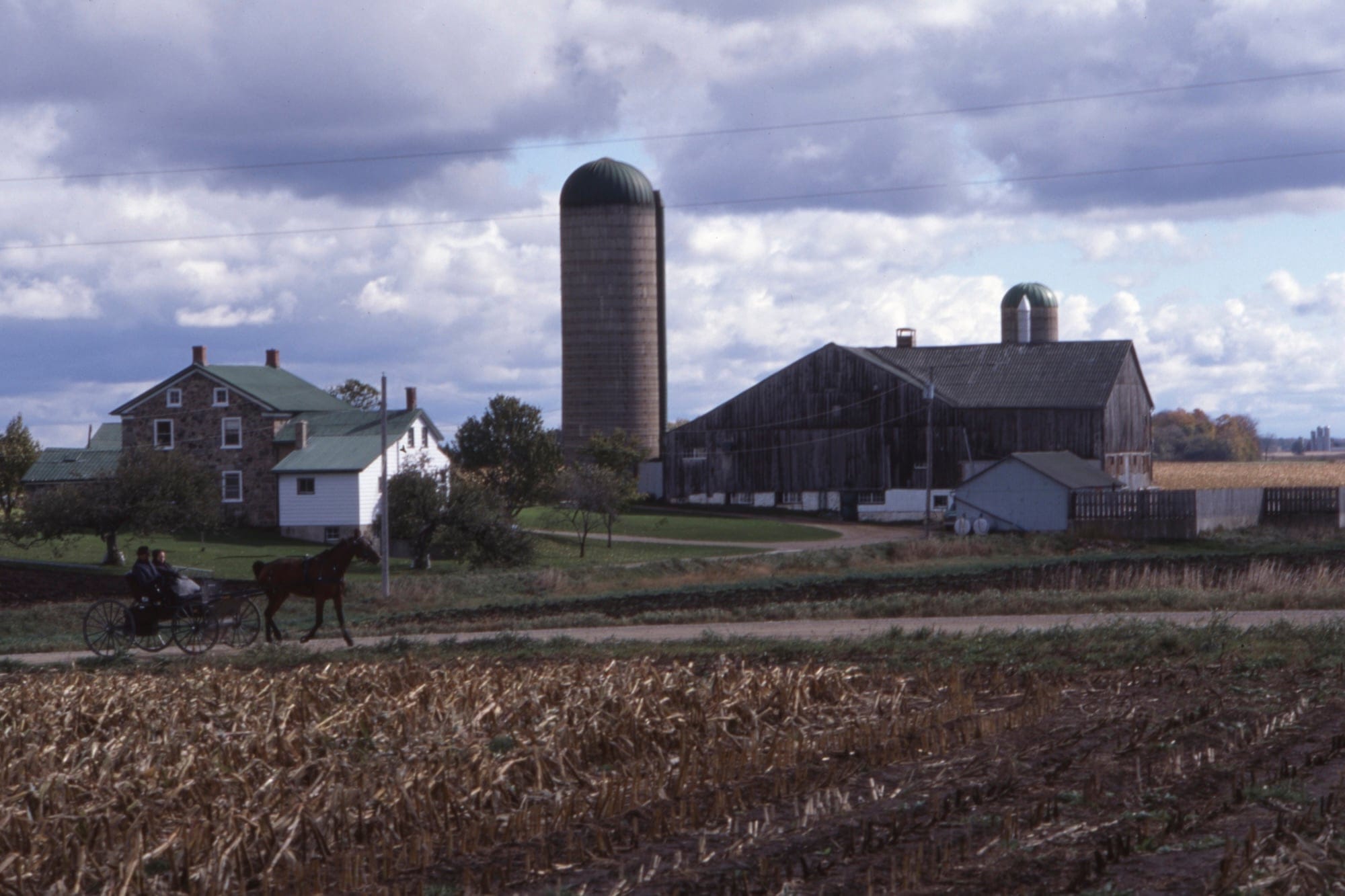
Our ancestors came from Europe, and when they settled in Canada, they negotiated a number of promises with the Canadian government—including educational independence. When some provinces later passed laws requiring Mennonite children to attend public schools, many families, wanting to hold tight to their religious and cultural identity, emigrated to South America. In the past few decades, there’s been a wave of immigration back to Canada, and many returning families don’t speak any English.
With that history and language barrier comes a level of distrust toward anything they classify as being part of the “system.” They often do their own research to corroborate what they hear from authorities. Unfortunately, that leads to many problematic misconceptions about immunization. Religious convictions have also been a developing concern, especially since the COVID-19 pandemic. Many community members feel that getting immunized weakens their faith, since it’s a sign that they trust in modern medicine more than God.
Related Posts

Canada’s Aging Infrastructure Is a Ticking Time-Bomb

How to Stop the Gen Z Slowdown
When it comes to measles in particular, most families just don’t understand the seriousness of the condition. They think that, like chicken pox, contracting it will create immunity. They don’t know that measles could lead to other illnesses and be particularly harmful for children, whose developing bodies are more vulnerable to the infection and its complications.
In February, a Low German–speaking Mennonite mother visited the mobile health clinic where I work. She was there to get care for her five-year-old daughter, who had been sick on and off for weeks. The two of them had tried to get vaccinated for measles multiple times, but each time they did, the daughter had fallen ill just before they were meant to go. We suspected she might have measles but couldn’t see signs of the most common symptoms, and so we addressed what we could see and treated her for an ear infection. Only a few hours later, she developed a measles rash. The following morning, the mother called me: her child was coughing so violently she was vomiting. I told her to go to the hospital. Later, she called me again, upset. She said that when she got to the ER, they’d told her to go home.
I couldn’t help but think something was off. The hospital doesn’t turn people away, I told her, but she insisted that they had. So I called them directly to figure out what had happened. It turned out there had been a miscommunication. Hospital staff had told her not to come in, using a “stop” hand gesture to communicate, and she had become so flustered that she failed to catch the second part of the message: that she should wait in the car while they prepared a negative-pressure room.
Once I had explained what happened, she felt a little silly for not calling me while she was still there. She took her daughter back to the hospital, where the child was admitted and treated. Though the mother ended up contracting measles as well, they both later got immunized.
In late April, we got a call from the ER: one of our clients had been there with her baby, who was sick with measles and pneumonia. That family had missed their regular December checkup, so we hadn’t seen them for a while—some families only come in when they think there’s a problem. (This is often an attitude that they bring with them from Mexico, where health care is expensive and often hard to access.) This family in particular had also been one of the most opposed to immunization.
A few days after they landed in the ER, they left to have their baby treated in London, Ontario. There, the hospital put her on antibiotics, IV fluids and oxygen because she wasn’t breathing very well. The baby eventually recovered, but despite witnessing the risk firsthand, the family refused to get vaccinated. They were afraid the baby was too young and wanted to wait. We respected their decision and explained how they could avoid spreading the disease and prevent their child from contracting it again. They’ve been receptive and have done their best to attend their regular checkups with us.
Building that kind of trust with the Mennonite community is how we’ve been able to mitigate the impact of the outbreak. Bridging the language gap is an important part of that—the most important part of my job is accurately and accessibly explaining a patient’s condition to them. Since Low German is a colloquial language, it lacks the medical terminology for direct translation from English. Instead, I explain conditions and processes in common words, making sure to limit discrepancies between what I say and what the clinic’s nurse practitioner says. All the while, we present ourselves as a neutral source of information and avoid telling anyone they have to do anything.
We go the extra mile to accommodate every patient. If they prefer natural remedies to medication, we try to find a solution that works for them before we prescribe anything. I’ll often accompany patients to their specialist appointments to help translate since I know all their medical information. All these efforts help show our clients that we are there for them.
This work has gone a long way. Clients come to us asking about measles and vaccinations after hearing about the severity of cases from their friends and family. We’ve had many productive conversations about immunization and how it intersects with religious beliefs and community health.
Many of my clients are trying to do what’s best for their families, and they respect authority as long as they feel respected in turn. They do, however, have internal struggles about whether getting vaccinated is a betrayal of their faith or whether it could cause harm. But once they’ve considered how immunization can help vulnerable people, some of them even feel a little embarrassed over how strongly they opposed it. All in all, we’ve managed to give at least half of our patients vaccines since I started working at the clinic—and the rate of vaccination has increased since the outbreak started.
Our efforts don’t begin or end with vaccines. We’re also trying to change how Low German–speaking families and the medical system interact with each other. More and more families have trusted English-speaking relatives who can help translate at appointments. We’re also advocating for doctor’s offices and hospitals to hire Low German–speaking people, so that the community can see that the medical system is invested in their health.
The behaviour of certain Mennonite communities during the COVID-19 pandemic did a lot of damage to the community’s reputation, which has created somewhat of an adversarial relationship with health-care workers. Several years ago, before the COVID-19 vaccine was being offered, I took my son to the hospital. The moment our care providers noticed we had a Mennonite last name, they put on all their PPE and commented that I was “one of them.” They hadn’t even checked our medical history. Health-care professionals need to avoid stigmatizing their patients like this, because such encounters produce a lot of shame and make it difficult to seek care. Instead, we need to broaden our efforts to educate and accommodate people who struggle to access health care—rather than blaming them.
—As told to Marta Anielska
Related Posts

International Student Caps Are Decimating Canadian Colleges

The Case for Lifelong Renting

Canada Can Be a Refuge for America’s Grad Students

Can Canada Survive Trump’s Attack on Science?
Get the Best of Maclean’s straight to your inbox.
Sign up for news, commentary and analysis. Join 60,000+ Canadian readers.