The Eco-Therapist Will See You Now
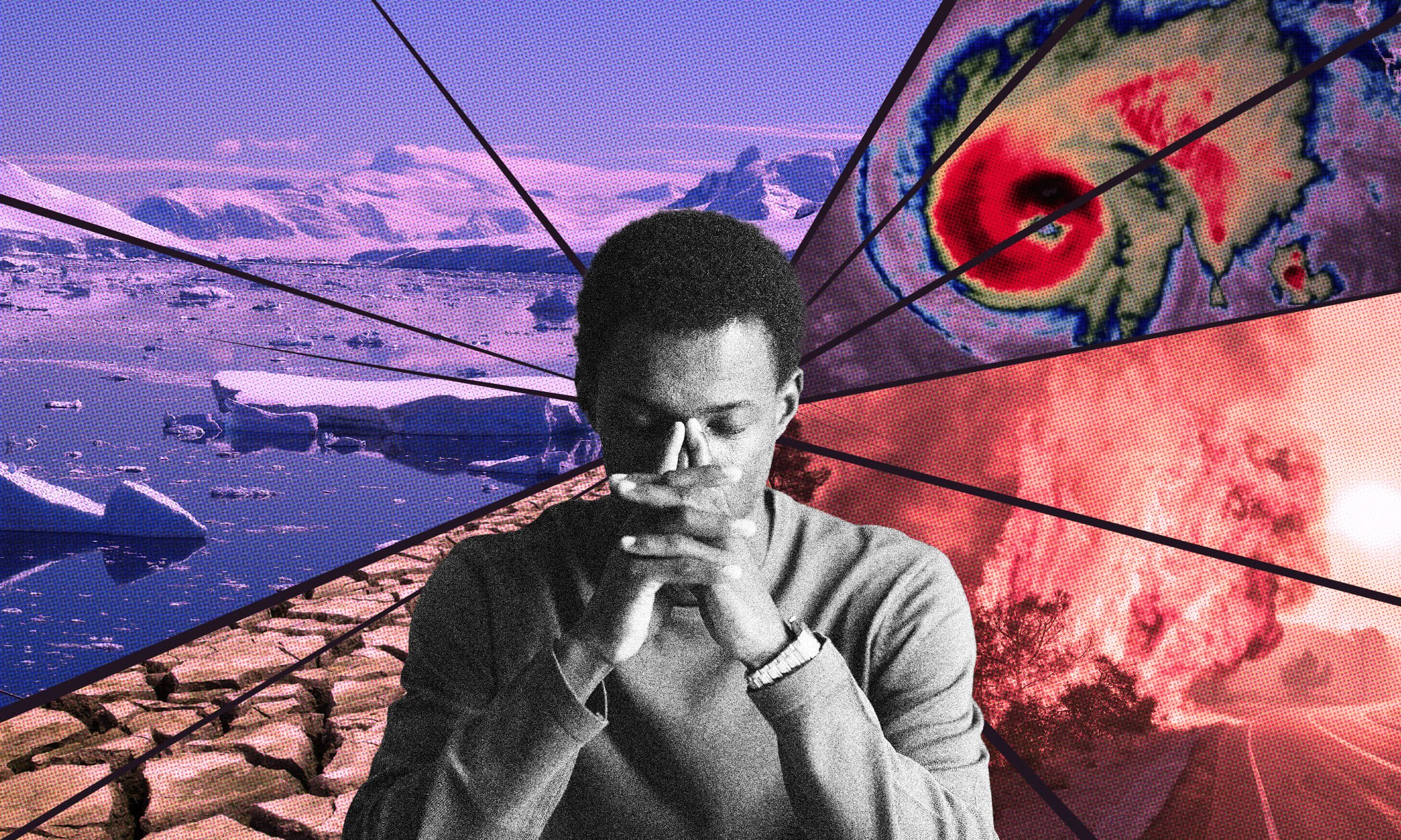
Climate disasters aren’t just flooding our homes and burning through Canada’s forests; they’re fuelling a massive new mental-health crisis. Eco-anxiety, the chronic worry or overwhelm about the future of the planet, is a phenomenon that’s becoming impossible to ignore in this country. Nearly one million Canadians now experience climate stress so severe it disrupts their sleep, concentration and overall day-to-day functioning. At Cherry Tree Counselling in Dundas, Ontario, I treat people with severe anxiety and depression. The number of referrals we’ve received specifically for climate anxiety has surged in the last three years.
My climate specialization is rooted partly in training and partly in identity. I’m a member of Nipissing First Nation, located west of North Bay. In my culture, land, plants and animals aren’t viewed as resources or scenery—they’re nations we live alongside. When the Earth is in distress, the people connected to it are in distress too. I regularly sit across from clients who are so afraid for their children’s future, or so overwhelmed by images of flooded neighbourhoods, that they struggle with meeting their daily needs, like eating and sleeping. Many of them have had to take leave from their jobs. This isn’t catastrophic thinking. These are rational reactions to real, observable change.
Related: The Age of Wildfires
When I treat generalized anxiety, triggers are often internal, like old coping patterns or attachment wounds from childhood. With eco-anxiety, however, the trigger is external and chronic. A bad wildfire season can’t be addressed with cognitive reframing, or resolved by the time a session ends. In fact, most of the people who come to Cherry Tree for ecotherapy are Canadians who work in environmental and sustainability fields. They’re the researchers, policy analysts, conservation workers and forestry folks who spend every day neck-deep in the data and in the field.
That kind of constant exposure takes a toll. Natural disasters like wildfires, floods and severe storms can leave lasting psychological impacts on those who directly experience them, including symptoms of post-traumatic stress disorder. In the aftermath of both the 2016 Fort McMurray wildfires and the B.C.’s deadly heat dome in 2021, residents in those communities reported significant increases in mental-health issues: nightmares, heightened worry during similar weather events and a nagging sense of vulnerability about future crises.
But indirect exposure takes a toll too. I worry a lot about my 13-year old daughter, for example, and the technology she has access to. When I was younger, you had to seek out news about climate change. Now, it finds you in seconds—you can get a full rundown of what’s happening on the other side of the world before breakfast. Young people are now living in a constant state of climate vigilance without realizing it. It’s no coincidence that Gen Z reports higher rates of distress about the future. More than a third of Canadian teens say climate change is already affecting their mental health. A separate survey found that a similar share of young people are less likely to have children as a direct result of that anxiety.
One of the treatment approaches we use at Cherry Tree is walk-and-talk therapy. It’s effective for all kinds of mental-health problems, but particularly useful in the case of eco-anxiety. I hold sessions outside instead of between four walls. I meet my clients somewhere like a path or a trail, and we talk (and sometimes just breathe) through whatever’s burdening them that day. I help clients regulate their nervous systems with practices like grounding exercises—feeling the air, noticing the sounds. It’s also considered a form of exposure therapy: clients confront stressors in the very environment they fear they’re losing. Over time, they learn that interacting with nature doesn’t have to involve pain.
Of course, therapy isn’t the only remedy. I often tell my clients that action—of any kind, at any scale—can help mitigate their feelings of helplessness. Plenty of research backs this up. Community gardening, fundraising and participating in marches don’t fix global warming overnight, but they do reconnect people with a sense of agency. At the individual level, that action could be as simple as curating one’s media diet, taking much-needed breaks from all the horrifying footage. Physiologically, our bodies can react to a video of a fire across the world the same way as if it were taking place in our own neighbourhoods.
As the destructive signs of climate change become ever more immediate, Canada’s doctors will have a role to play—not just in referring their patients to ecotherapists like me, but in treating environmental stressors as the legitimate and growing medical crisis they are. Many health care providers are only now starting to recognize and validate this. The world is changing rapidly, and our bodies and minds are responding exactly as they should to a threat, environmental ruin being the greatest one of all.
Amy Commanda is a registered psychotherapist at Cherry Tree Counselling in Dundas, Ontario.
Related Posts
How to Save B.C.’s Wild Salmon
The Case For Solar-Powered Sidewalks
Diana Beresford-Kroeger Is a Green Machine
Tourism at the End of the World
Get the Best of Maclean’s straight to your inbox.
Sign up for news, commentary and analysis. Join 60,000+ Canadian readers.