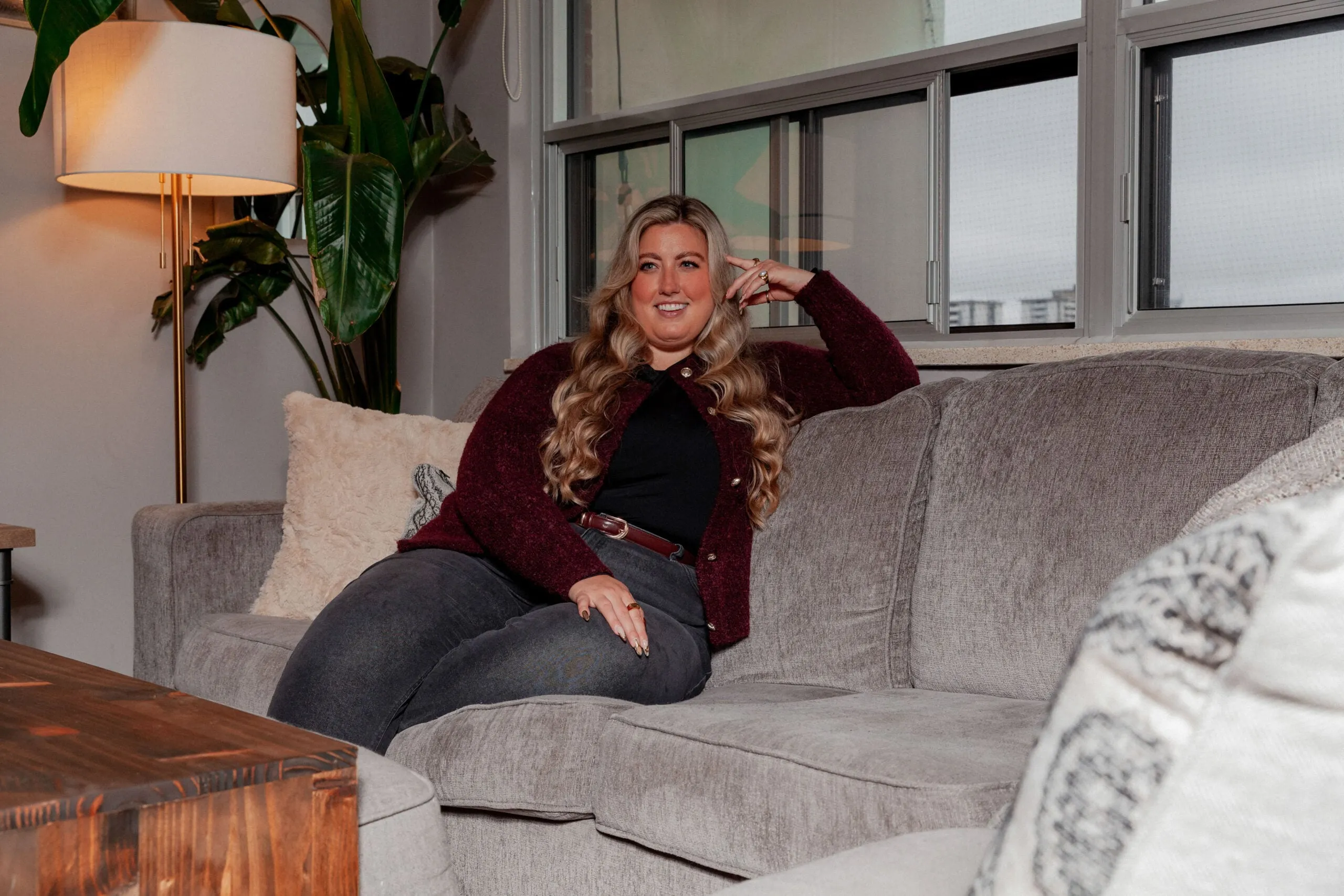
I Quit Dating Apps and Found Love Offline
In early 2023, fresh off the end of a three-year relationship, I found myself re-downloading Bumble and Hinge. I wanted to find something long-term. When I’d first used the apps several years earlier, people didn’t have much information in their profiles. But much had changed: suddenly I could see people’s political views, zodiac signs and vaccination status, along with their relationship expectations. A lot had changed for me, too. I was ready to be honest about what I wanted from a relationship. I’d been to therapy and had really thought about what I was looking for in a partner. So when I created my profile, I wrote that I wanted to meet an educated, career-driven non-smoker who was open-minded and curious. I was hoping for someone who had a good relationship with their family and who wanted to start a family of their own.
At first, I was excited to be dating again. I had a lot of matches and started conversations with attractive people who seemed interested in me. I was 31 at the time and went on dates with people of all ages and professions, including a 28-year-old physiotherapist and a 43-year-old corporate lawyer. I even dated when I travelled. That summer, I took a big trip to Europe and went on coffee dates in Italy (it’s true what they say about Italian men: they’re gorgeous, flirty and easy to talk to) as well as a double date in Amsterdam with a friend. Back home in Toronto, I went on dates with people in Barrie, Prince Edward County and the Waterloo area. I even went on a virtual date with someone in upstate New York—we made dinner together on FaceTime. These dates were fun, but they didn’t lead to anything serious.
And the more time I spent on the apps, the more I began to notice patterns. It soon became clear that people weren’t engaged in our DM conversations. They’d ask right away—or after only a few messages—for my social media handle or a photo of myself. That felt transactional. Sometimes, after I’d gone on a couple of dates with someone, they’d reveal that they were actually in an open relationship. The apps give people an opportunity to include that information in their profile, so it was misleading not to be upfront about that. I was catfished more than once, by people who looked much older or very different from their profile photos. The worst part was the number of unsolicited dick pics I received, usually from men I hadn’t yet met in person. Needless to say, I blocked them—once I’d thrown my phone across the room and picked it back up.
I was disappointed by how many people just wanted to hook up rather than build a genuine connection. Some people lied in their profiles, too. I went on a date with a man whose profile said he was a general contractor. Once we met up in person, he confessed that he didn’t have a job and lived in his mom’s basement, where he spent his time painting Warhammer figurines. That coffee date didn’t last long. Not because there’s anything wrong with those things, but because first impressions matter, and why lie about who you are so early on?
Related: I Was a Strict Parent. Then I Moved to Canada.
Not that I was a fan of my own behaviour on the apps. I’d start messaging someone based on their photo or a witty conversation prompt they’d chosen, and then immediately create an image of who they were in my head. When I’d meet them, I’d inevitably realize they weren’t who I’d built them up to be. Meanwhile, I developed an unhealthy attachment to the number of matches I got and the number of simultaneous conversations I could manage. Before meeting people for an in-person date, I tried to speak with them on the phone, and at one point, I went on six phone dates in two days. I’d feel confident in myself when I had lots of matches and conversations, and my mood would dip when the opposite happened. Whenever my phone pinged with a notification from a dating app, I’d feel a rush, hoping it was a message from someone I was interested in. Then I’d feel so disappointed if a promising match never responded, or a great first date ghosted me.
During COVID, I’d found myself drinking more than I ever had before. When I realized that behaviour wasn’t aligned with the life I wanted to lead, I started to experiment with sobriety. After spending some time on the apps, I began to wonder: had I gotten swept up in another addiction?
Related: I’m Trying to Learn French. Quebec Isn’t Making It Easy.
I work in tech, so I understand how apps succeed. When users first download them, companies want to hook them, so they’ll see the most attractive people and get a lot of matches. Then the gamification of all that swiping and matching keeps users engaged, even if things aren’t working out. Because I was conscious of that design, I tried to game the apps myself: I’d periodically delete them, take a break, then re-download them in hopes I’d get better results. No matter what happened, I found myself thinking that if I just swiped once more, I might find my perfect match.
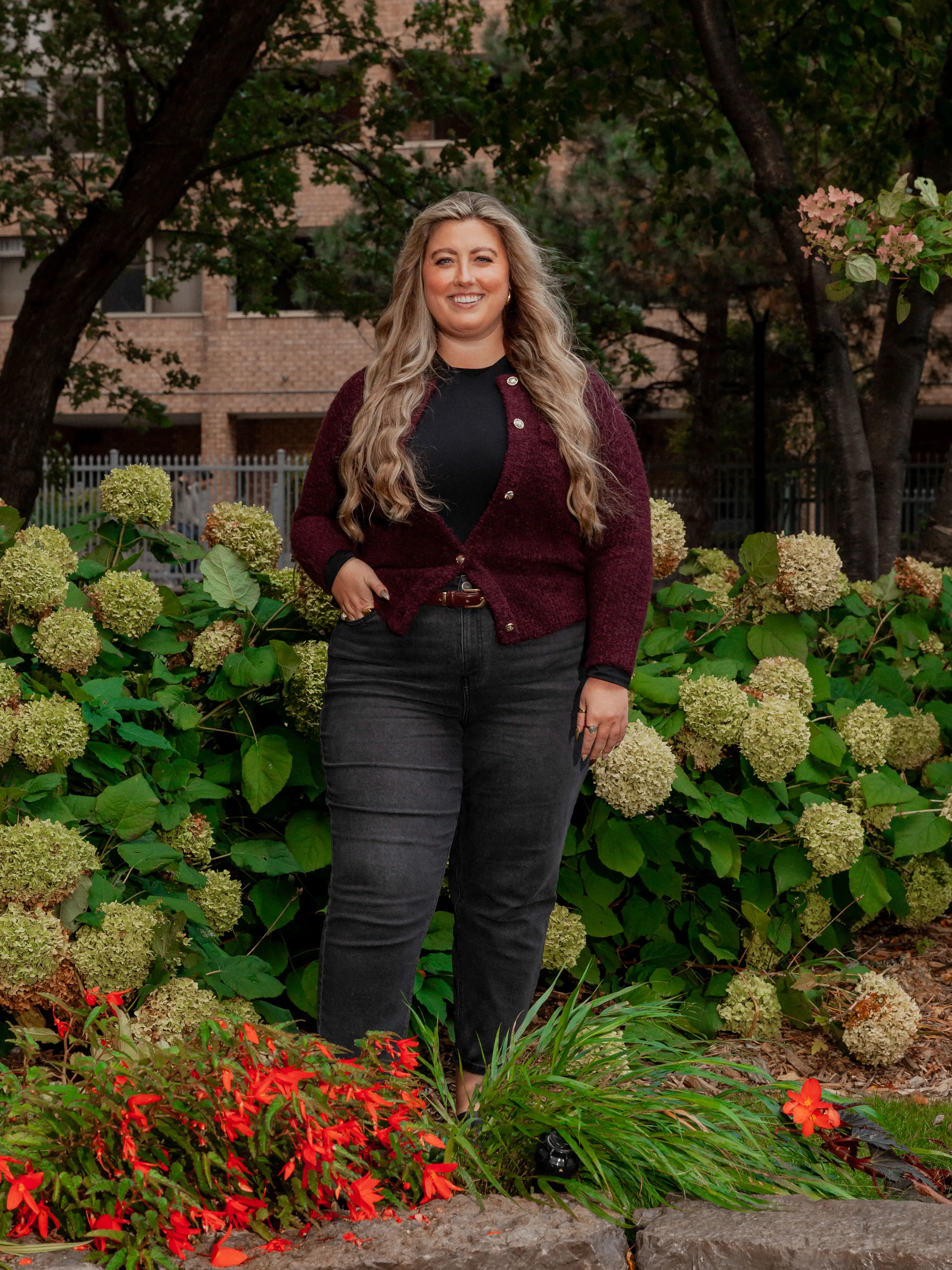
If you’re looking for love, dating apps are marketed as the only fix you need. And I fell into that trap: I became so convinced I’d find someone on the apps that I forgot it was possible to meet people in real life. When I had the apps on my phone, I’d spend as many as four hours a day in online conversations. Sometimes, I’d waste an entire evening talking to people that way. But when those conversations didn’t lead anywhere, I’d become frustrated, delete the apps, and sit at home spiralling—before realizing that staying at home wouldn’t help me meet someone, either. I only went on in-person dates three or four days a month, but I sank almost half of my free time seeking people worth meeting for those dates. I have a busy day job and social calendar, so online dating became a major time drain, taking a toll on my ability to spend time doing things I enjoyed. I was so invested in meeting someone that I stopped living my life. Looking back, that sounds wild, and I realize now that this cycle is how the apps profit.
By the early spring of 2024, I’d met someone on Hinge and was seeing them exclusively. The relationship moved quickly, and soon, I noticed signs that it was unhealthy—after just one date, he deleted the apps because he said he was so convinced that I was “the person for him.” (I eventually deleted them too.) It turned out that our communication and conflict-management styles were polar opposites, so I ended the relationship after a month. Within a day, I reinstalled the apps again. It was so easy to do. I knew I wasn’t in the right mindset to date again so soon, so when I caught myself doing that, I took a hard look at myself. I knew that I had re-downloaded the apps because I was lonely, not because I was ready.
I knew it was time: I had to quit the apps for good. I wanted to date myself—to explore hobbies and seek new experiences. After deleting the apps from my phone, I spent time at my local cafés and fell back in love with my neighbourhood. I wasn’t avoiding dating, exactly. I still hoped to meet someone in person and had a few interactions in the wild. Once, after chatting with someone attractive at a grocery store, I went for coffee with him. I also struck up a few conversations with people I met while browsing books at Indigo. Sometimes we’d exchange Instagram handles, but nothing ever went beyond that. I even went to a few speed-dating events. I joined a gym, thinking, maybe I’ll meet someone here. I didn’t. When you meet someone in real life, you get a sense of their energy and whether you find them attractive right away, which is a very different experience from seeing a photo of them.
That summer, some of my close girlfriends asked about my dating life. I had nothing going on. I remember telling them: “If I’m single for the next five years, I’ll be happy because, for the first time, I love my life.” I was surprised to have reached that conclusion. I’d been so devastated when my last relationship had ended and hadn’t expected to feel so content just a year later. My friends were supportive, but they remained hopeful for me. That day, one of them told me, “You never know when you’re going to meet someone.”
That fall, after a difficult period in my work life, I took my car to the dealership to get a few things checked out before winter hit. That’s when I met Kyrell, who was a service adviser there. Right away, I thought he was attractive, but he also had an incredibly calming presence. When I met him, it was like my whole body exhaled.
My car needed a few things done, so for the next two weeks, Kyrell and I kept in touch as repairs went on. He’d call to let me know when parts came in, or when my car was ready for pick-up. He was kind in every interaction, but I couldn’t tell if he was interested in me or just good at his job—he kept things very professional. So I knew that, as the customer, I’d need to make the first move. After all the work was done, he walked me to my car and shook my hand. He told me he was sad that this would be the last time he’d see me and hoped that everything worked out with my car. So I did something I’d never done before—I asked for his number. We began dating and talked on the phone almost every single night. I learned we’d had similar upbringings and shared the same values. He eventually wants to start a family, like I do. After two months of dating, we made our relationship official. Now we’ve been dating for nine months, and we’re talking about moving in together.
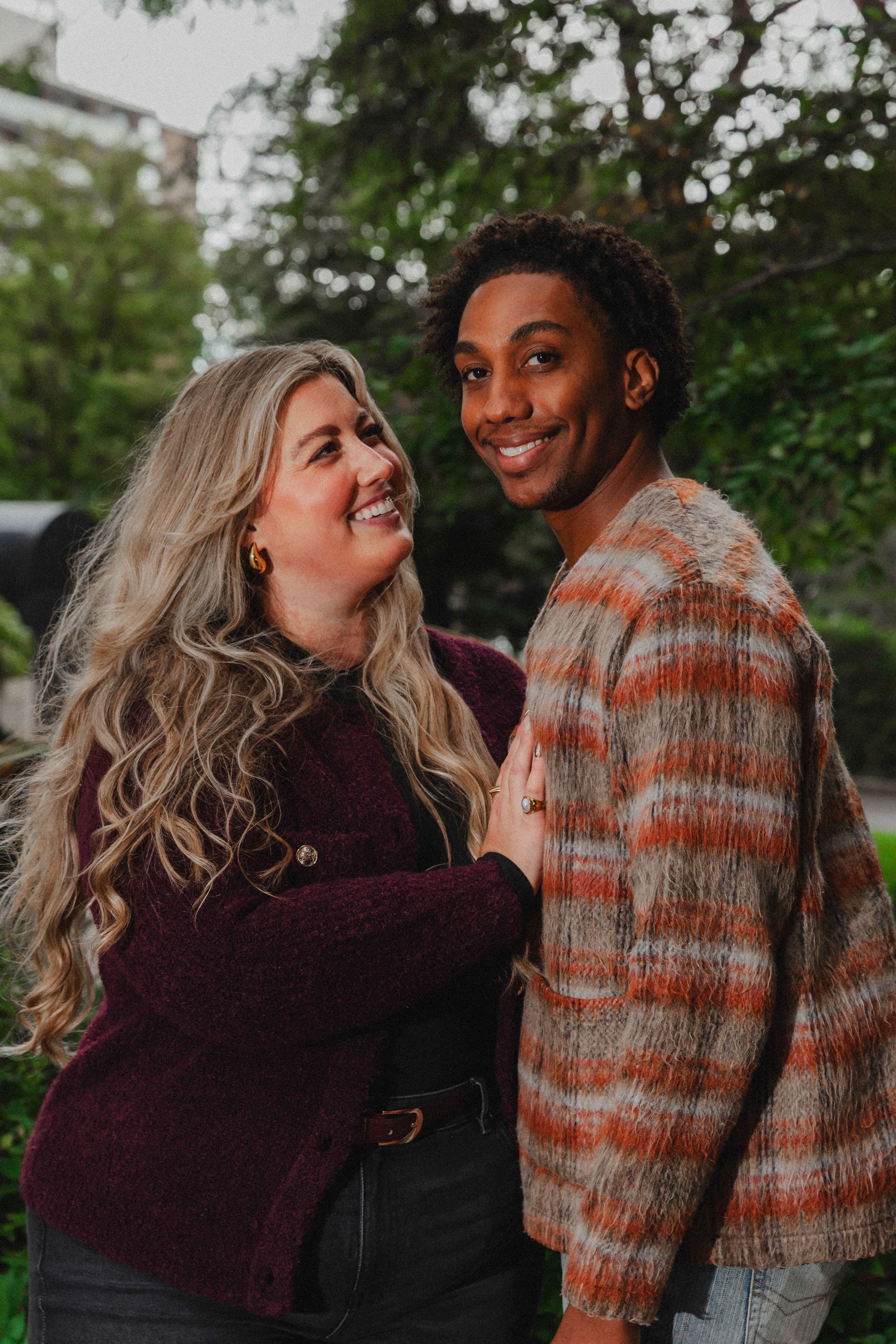
This past spring, when Bumble and Match announced layoffs as a result of lower subscriptions and revenue, I wasn’t surprised. People aren’t as excited about dating apps as they used to be. I think a correction is happening right now, especially for younger generations. And after meeting Kyrell in real life, I can tell you that part of what drew me to him was his energy. That wouldn’t have come across on an app.
Lots of my friends met their person on Hinge, Tinder or Bumble and are happily married. But in my case, I know that investing in myself was what helped me attract the right person at the right time in my life. As much as apps can be a great avenue for dating, I think they can also damage users’ self-worth. I don’t think they’re the solution—certainly not the only solution. Finding your person has more to do with timing and knowing yourself. The world will meet you when you’re ready.
—As told to Andrea Yu
Related Posts

Can Canada Survive Trump’s Attack on Science?

Canada’s Aging Infrastructure Is a Ticking Time-Bomb
How to Stop the Gen Z Slowdown
Canada Can Be a Refuge for America’s Grad Students
Get the Best of Maclean’s straight to your inbox.
Sign up for news, commentary and analysis. Join 60,000+ Canadian readers.