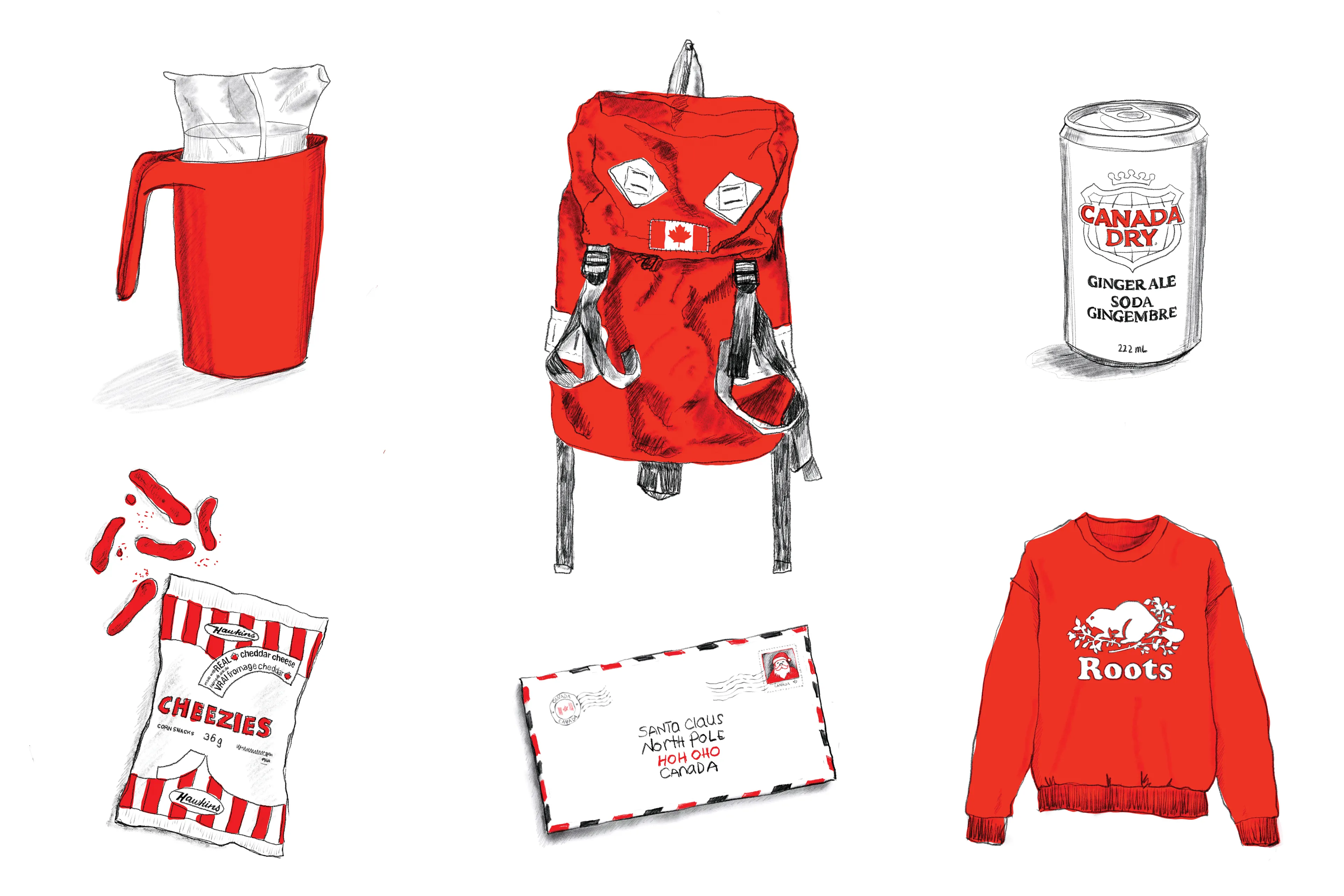
A History of Canada in 24 Objects
I’ve always noticed words and mannerisms that struck me as distinctly Canadian, which other people might overlook: duotangs instead of folders, runners instead of sneakers, saying sorry when someone bumps into you. I’ve been collecting these observations in my head since I was a kid in the ’70s.
This came in handy just over a year ago, while I was studying for my master’s in branding at the School of Visual Arts in New York City. My cohort and I were given an assignment called the 100 Days Project: we had to commit to one creative act every day for 100 days, connect something personal to the broader culture and build a story that encouraged others to participate.
I pitched a study of Canadian identity through drawings and short essays and named it “Drawn to Canada.” At the time, I wasn’t really thinking in patriotic terms. I was the only Canadian in class, and being a cultural outsider made me keenly aware of my national identity. I suddenly had to explain what Caesar cocktails and double-doubles were to my classmates. To tackle the project, I built a spreadsheet and filled it with ideas, starting with the most obvious: Terry Fox, beavers, maple syrup, the loonie, hockey. I decided everything would be in black, white and red (FIP red, the official colour of the government of Canada). The goal was to build a daily creative habit.
I finished my first drawing on April 2, which happened to be the same day President Trump announced his Liberation Day tariffs. It felt like a betrayal. What began as a design exercise suddenly felt like my small act of patriotism. Each day, I chose a subject from my evolving list and, in no more than 90 minutes, researched it, wrote a short essay, made a drawing and posted it all to Instagram before the midnight deadline. Sometimes, I was proud of the work. Other times, I just had to move on to the next one. By Day 8, when I posted about our catchphrase, “Sorry,” the entire country was elbows up against becoming the 51st state. By Day 91, Canada Day, when I drew the Maple Leaf flag, I understood that the objects, inventions and people I’d been documenting are what make this country worth defending.
I never expected my drawings to take on a life beyond the classroom, but people started sending me emails and Instagram messages, suggesting objects tied to specific regions or sharing personal memories. One man wrote about his late wife’s pre-hiking ritual of organizing Smarties by colour. Another person described their childhood terror of the House Hippo. Someone else recalled weekend crokinole tournaments with great-aunts and cousins. Through these messages, I realized that our shared sense of Canada lives in the small details of habits and familiar things.
Related Posts

The Golden Age of Smut
How the Olympics Remade Montreal
Certain Canadian themes surfaced again and again. A dry, self-aware sense of humour. Kindness and humility, sometimes to a fault. A collaborative instinct and a habit of helping without making a fuss. Tolerance. Diversity. A strong record of innovation, particularly in technology. Canadians share a kind of toughness shaped by the northern climate and vast landscapes—a self-deprecating underdog mentality and a steady determination to adapt and keep going no matter what.
Now I’m back home in Calgary, where I teach at the Alberta University of the Arts and work as a designer. The 100 days officially ended in July of 2025, but I’m still adding new entries to “Drawn to Canada” several times a month, simply because I still have things to draw and stories to tell. The more I observe, document and celebrate what makes us Canadian, the more connected I feel to the people and places around me.
I love my country. I love the details we share. I love brand Canada. (Sorry, not sorry.) Below, I share stories behind some of the most iconic Canadian objects from my project.
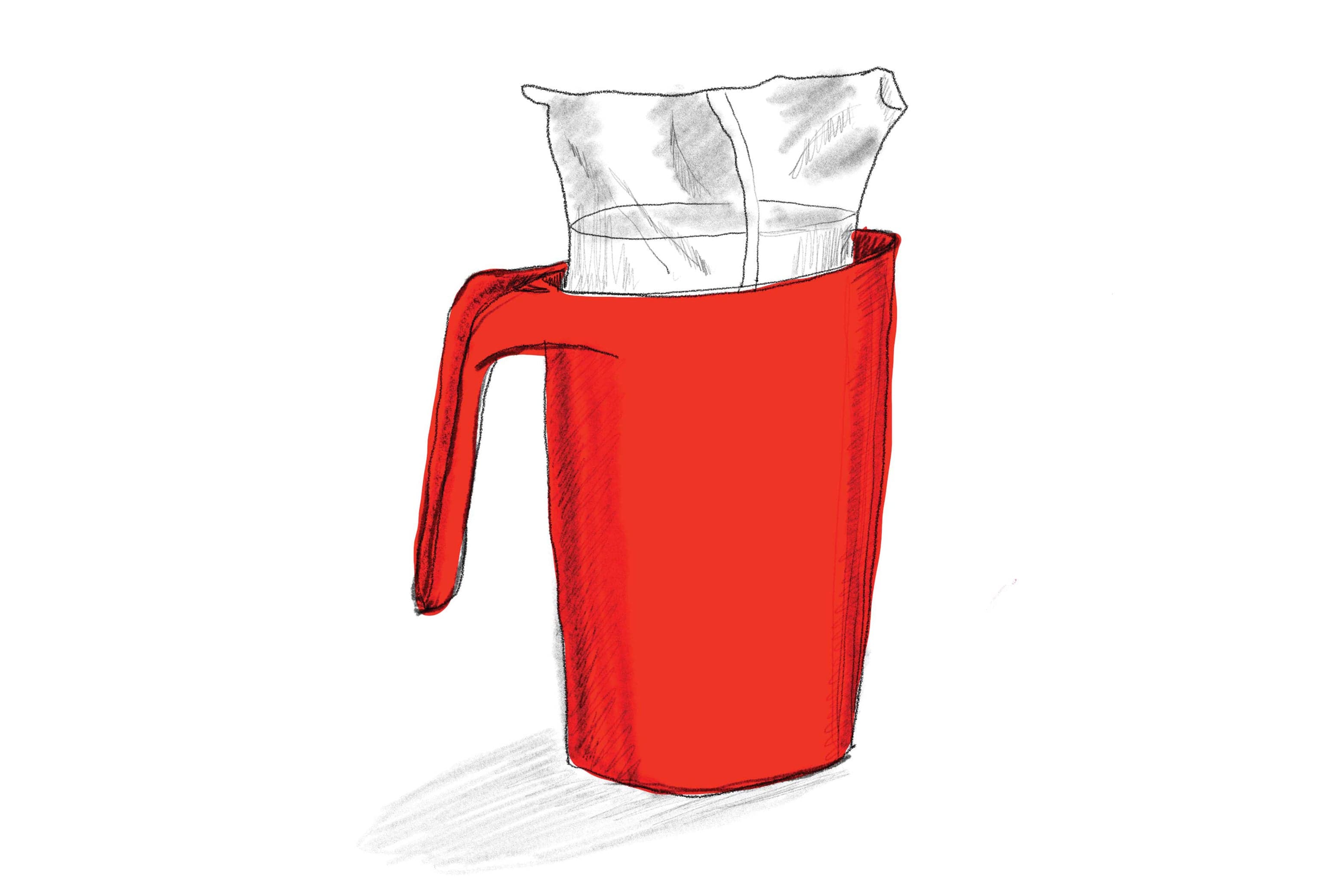
“Growing up in Kamloops, B.C., I learned the hard way that bagged milk had to be in the pitcher before you cut the corner. I once had to wipe up a litre of milk from the floor before my mom came home from work.”
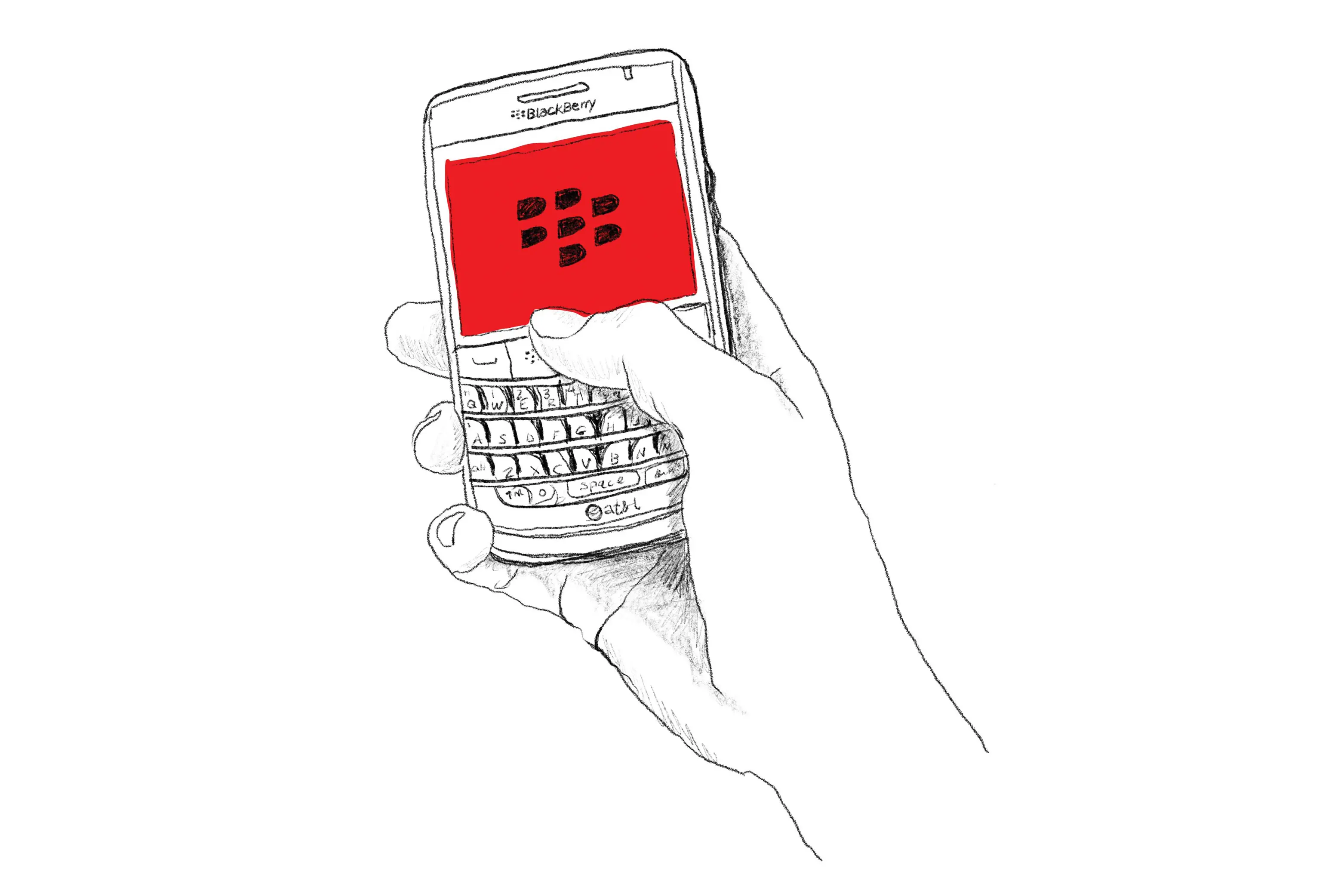
“I never had a BlackBerry but my older brother and niece did. It was hard for them to put it down. In fact, BlackBerry users checked their phones so often that people called it the CrackBerry. It was a brilliant Canadian invention that changed everything, until the iPhone changed it all again.”
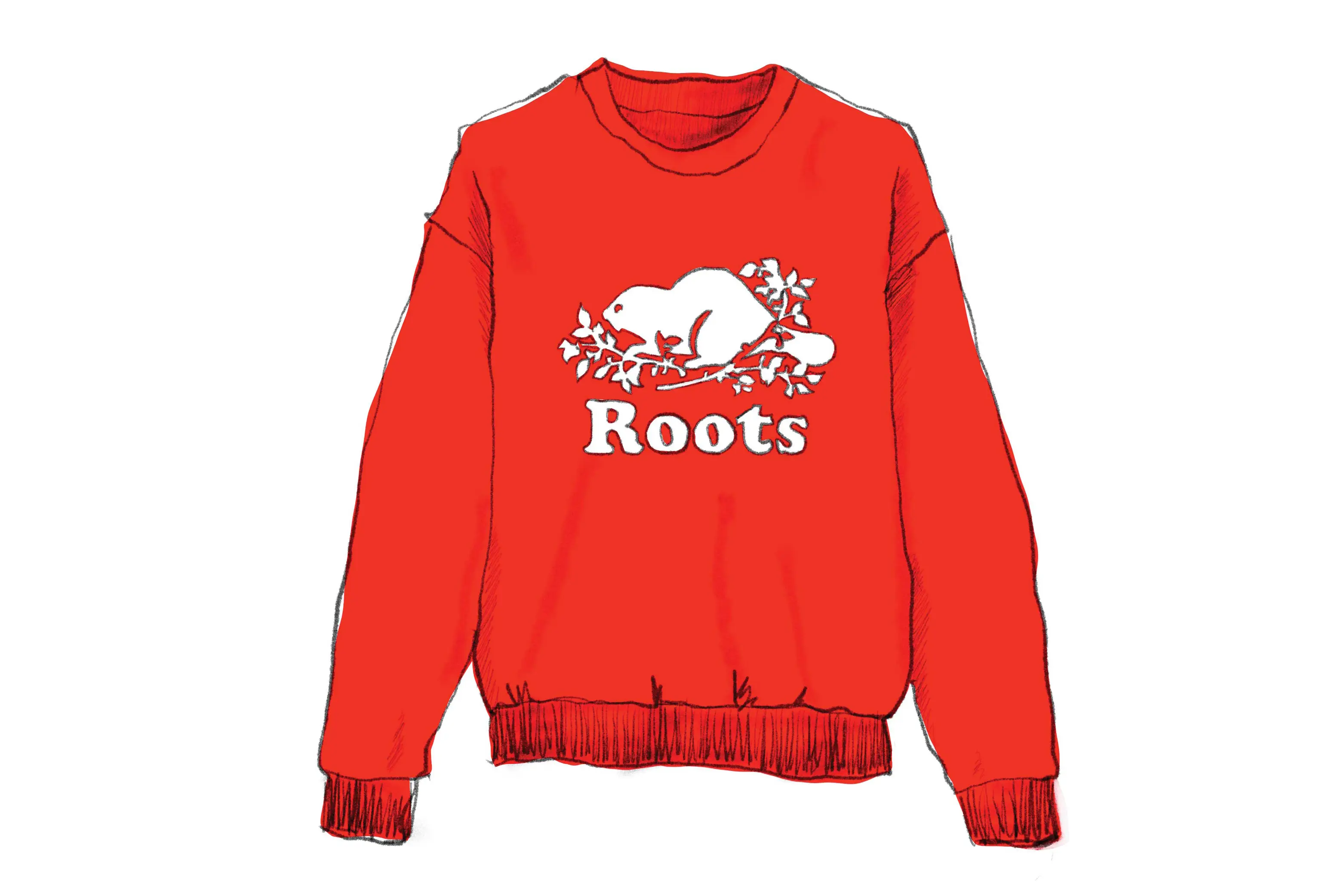
“Roots first entered my consciousness when they made red newsboy caps for the 1998 Winter Olympics. Everyone wanted one; I scoured the Hudson’s Bay in Kamloops for mine. The company found success using themes of Canadian wilderness and identity, but it’s now majority-owned by an international private equity firm. In Canada, we seem to have a bad habit of letting key brands and inventions go.”

“Just off the highway in Vulcan, Alberta, stands a replica of the Starship Enterprise. The small town happens to share its name with Spock’s home planet in Star Trek. Rather than downplay the coincidence, Vulcan has embraced it completely with themed signs, murals, a Spock postmark and even an annual fan convention for Trekkers like me.”
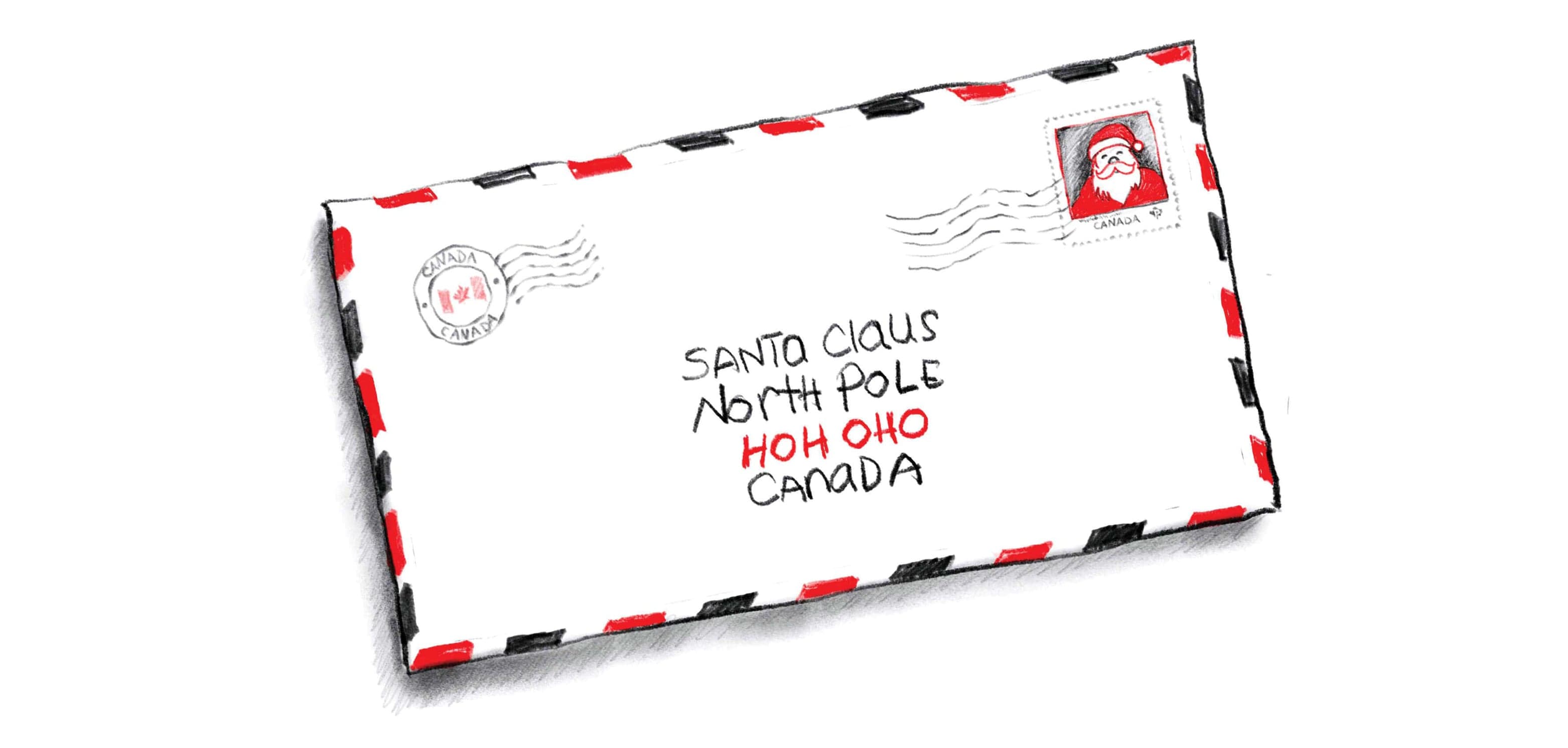
“Every December, children can mail letters to Santa at the postal code H0H 0H0, and Canada Post makes sure they receive a reply from the North Pole. When my kids were little, we mailed their letters every year—don’t tell them, but I kept the originals and just sent the photocopies. Santa wrote back all the same.”
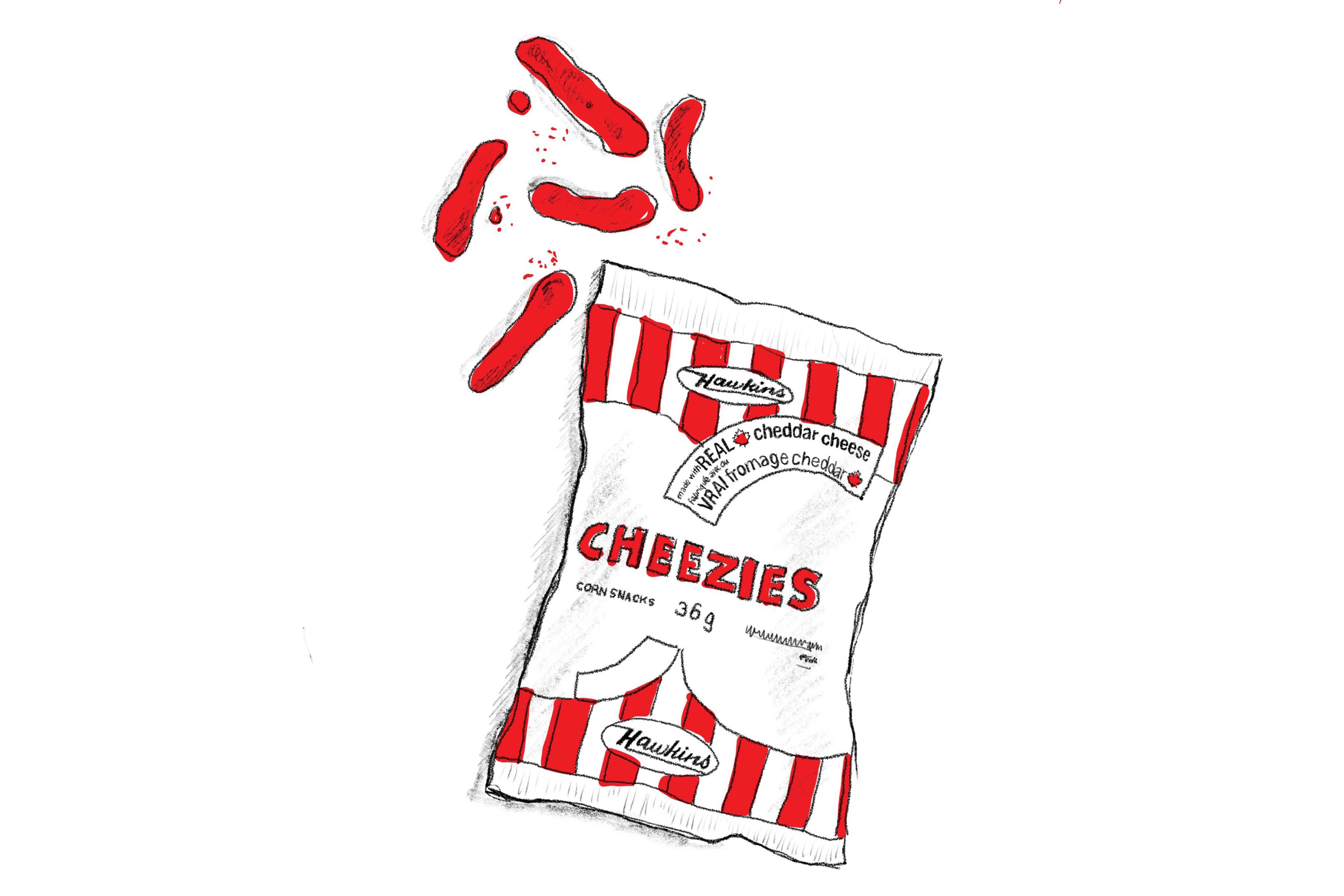
“Hawkins Cheezies—my family’s favourite snack—have been made in Ontario with the same recipe and machine since the ’50s. The company is family-run, sells only in Canada and, with the Trump bump nudging Canadians toward homegrown products, says demand for its crunchy, cheddary pieces has shot up.”
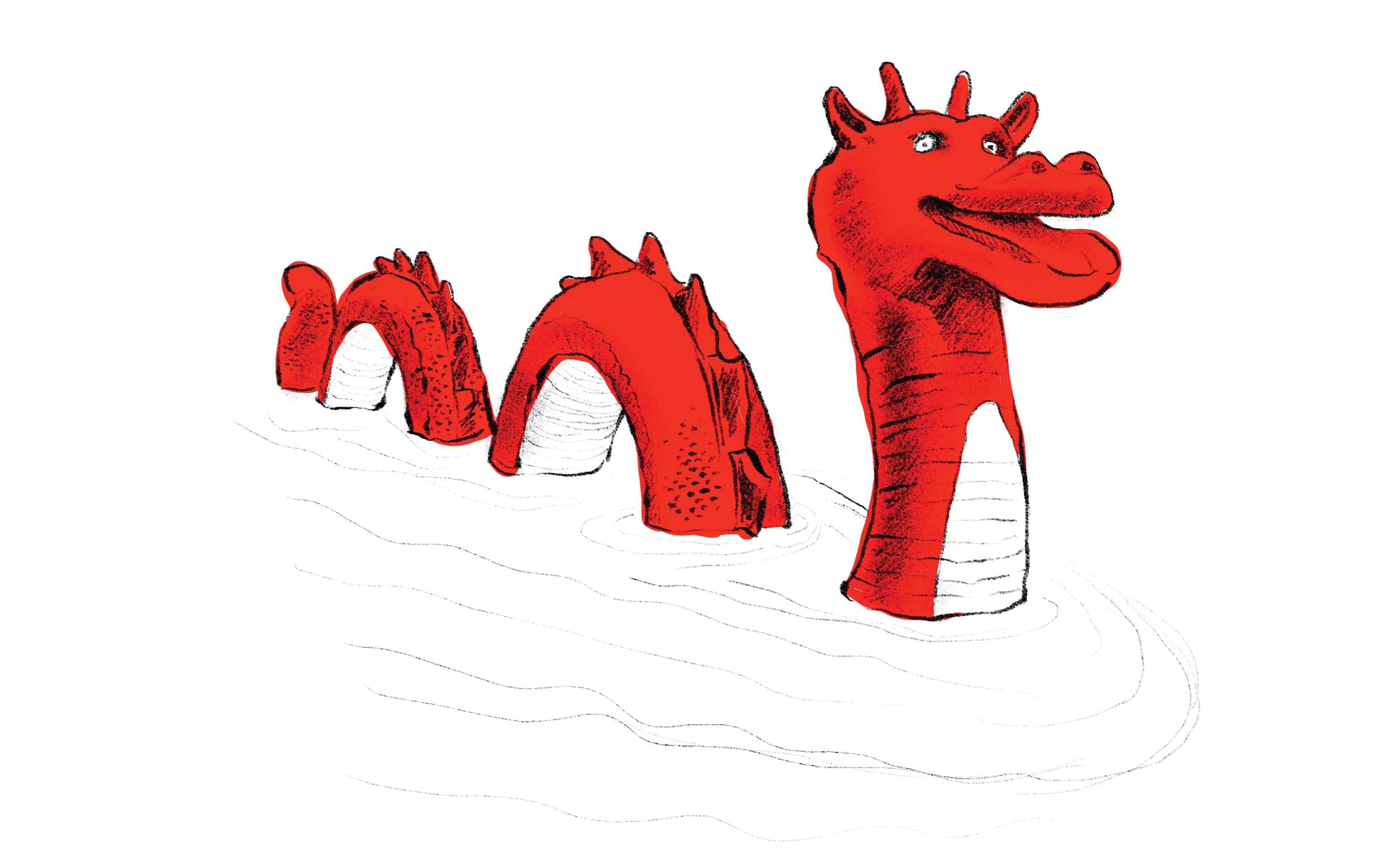
“Ogopogo is Canada’s own Loch Ness monster: a serpent-like creature said to live in the deep waters of Lake Okanagan. I spent childhood summers on that lake, with my eyes wide open for a glimpse of it.”

“In 1921, Frederick Banting and Charles Best discovered insulin and, two years later, sold the patent to the University of Toronto for one dollar, believing life-saving medicine should never be exploited for profit. Today, big pharma sells insulin analogues as new products at prices that would have horrified them.”
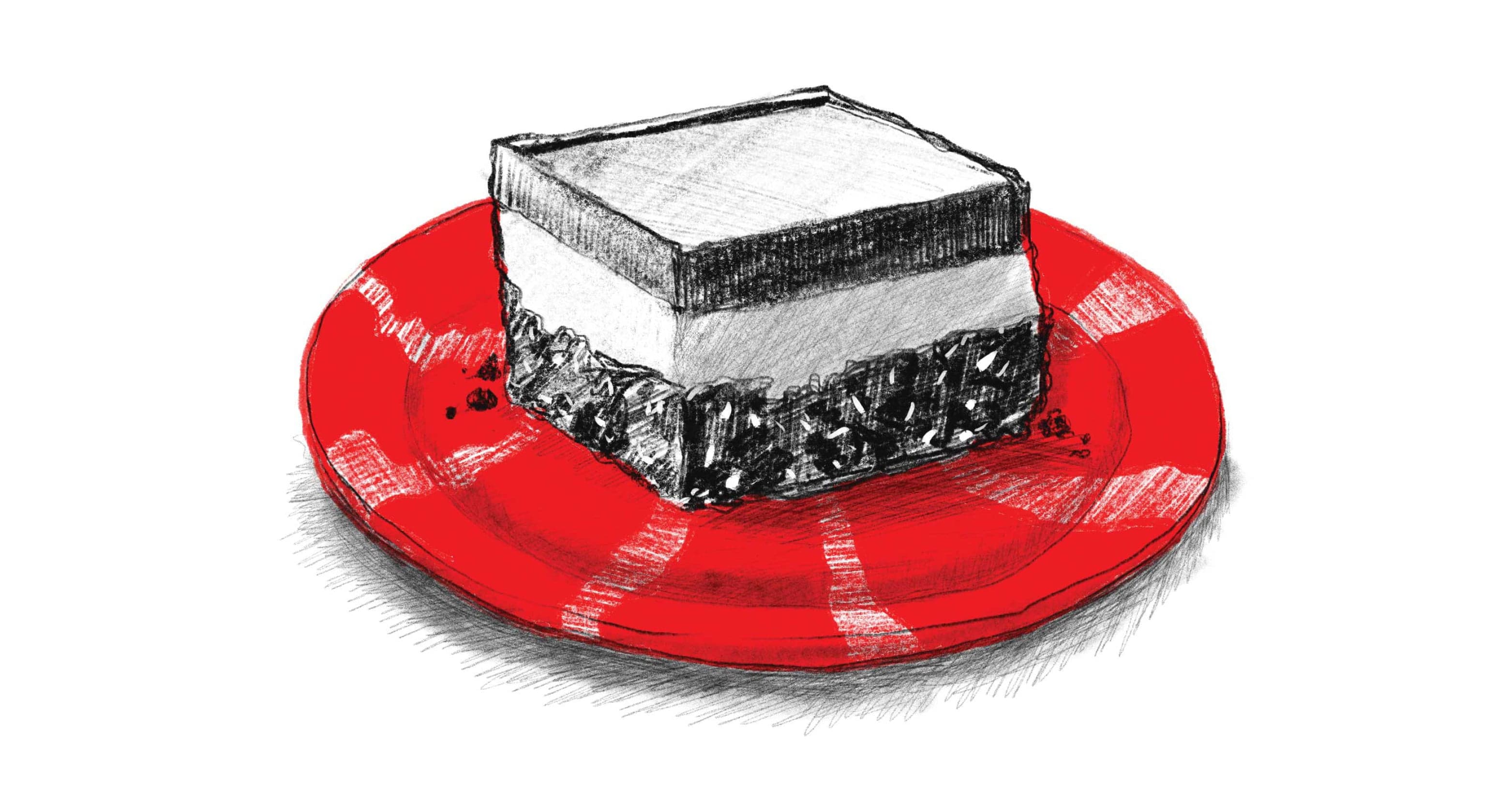
“Nanaimo bars are my favourite dessert. In my house, every square is rationed carefully so everyone gets their share, though someone always cheats. (Don’t look at me.) My family and I have been on the Nanaimo Trail in and around Nanaimo, B.C., where restaurants serve their own versions in bar, cookie and even drink form.”

“Bonhomme Carnaval has been the jolly snowman mascot and life of the party at Quebec City’s Winter Carnival for more than 70 years. His red toque and ceinture fléchée sash connect him to French-Canadian working-class traditions and show that in Quebec, as in the rest of Canada, winter is a season to be celebrated.”
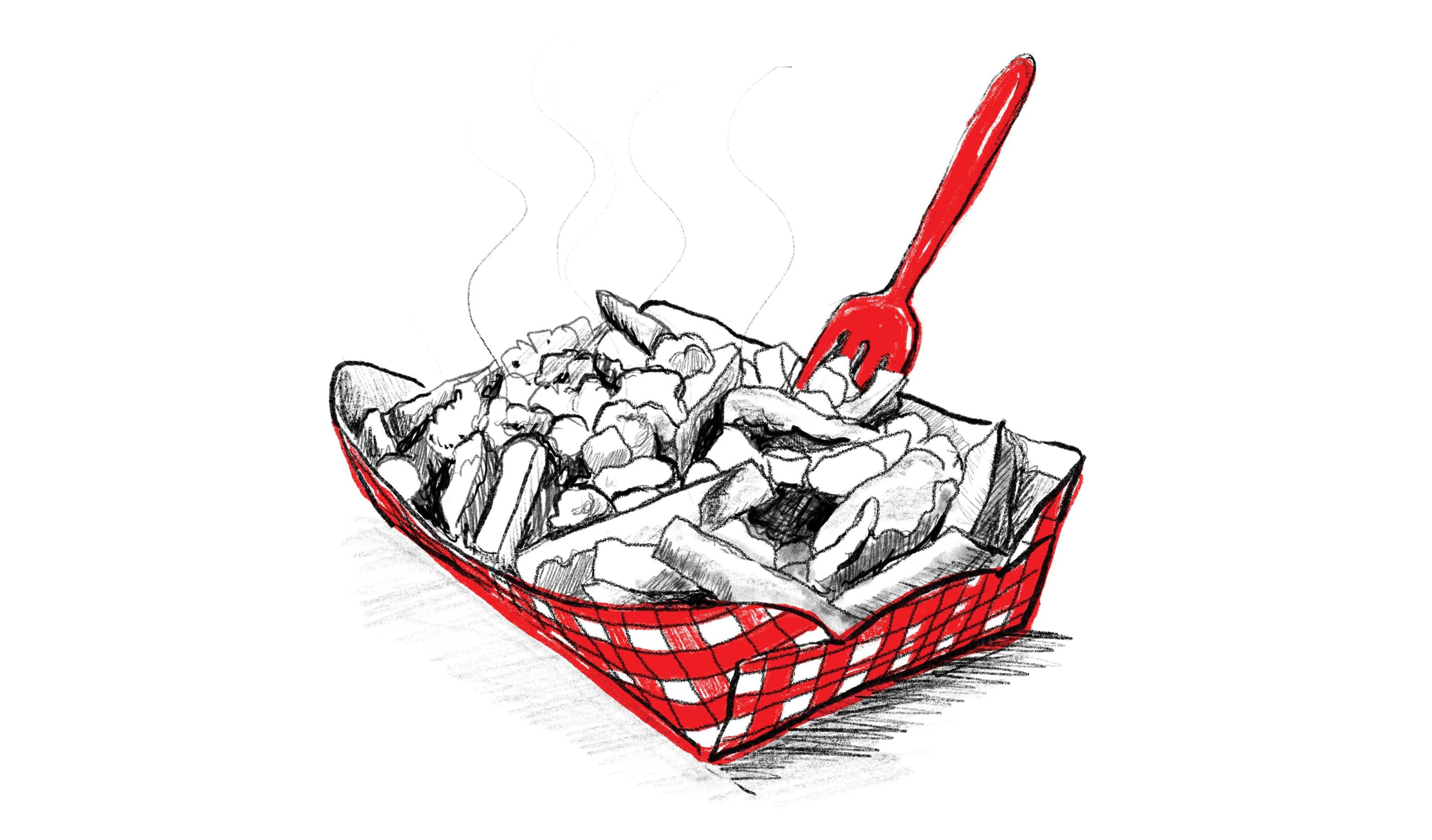
“Growing up in Western Canada, I loved chips and gravy, especially the ones at Woolco and Zellers. Poutine just made a good thing better by adding cheese curds. I had my first taste from a food truck in Ottawa, where my boyfriend at the time—now my husband—was clerking at the Supreme Court. It’s still the best poutine I’ve ever had.”
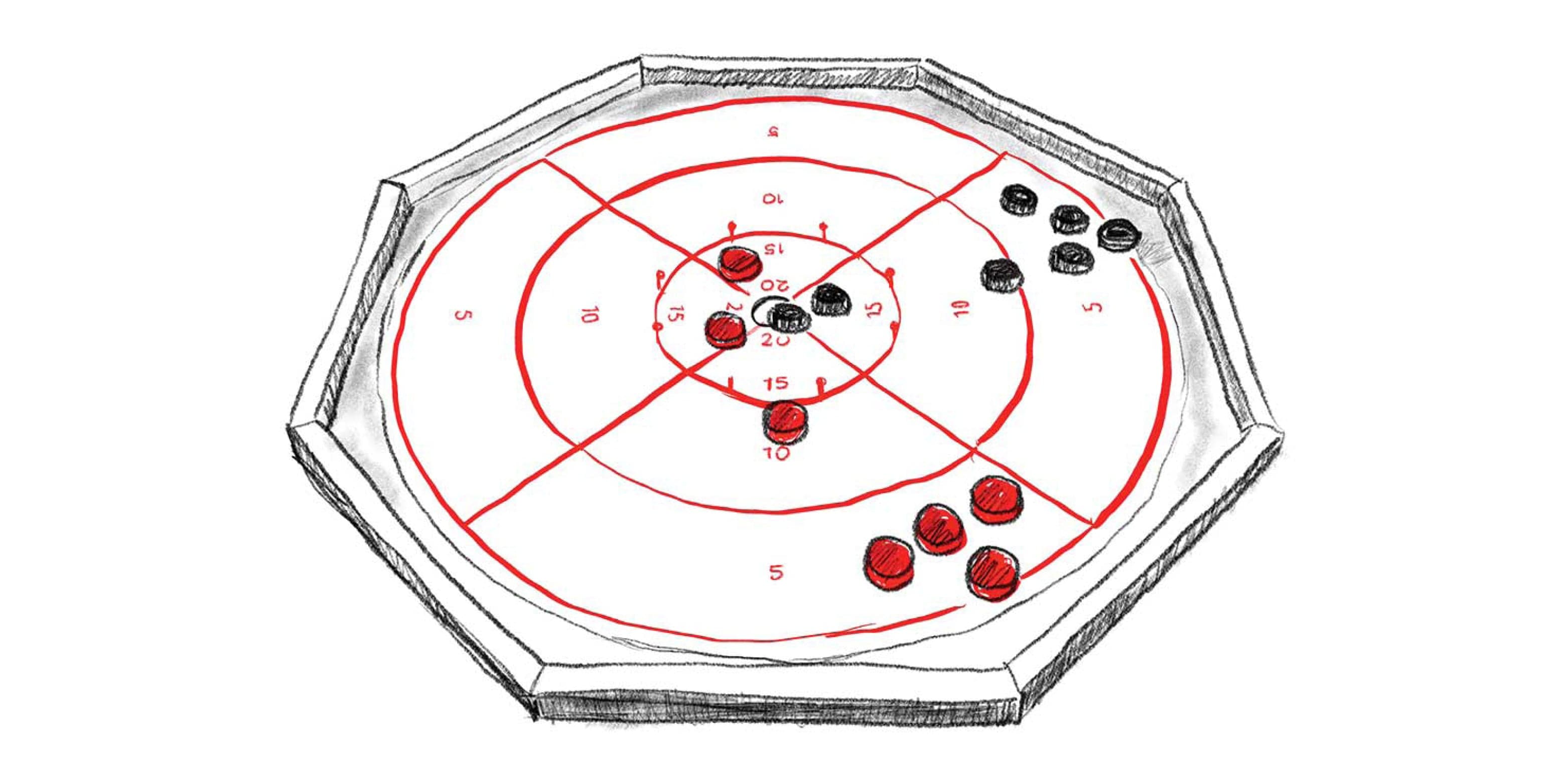
“Crokinole dates back to 1876. Players win by flicking small wooden discs across a circular board, trying to land them in the centre hole or high-scoring rings while knocking their opponent’s pieces out of play. My family has played it for three generations. I can still feel the sting of sore fingernails from flicking the pieces too hard.”
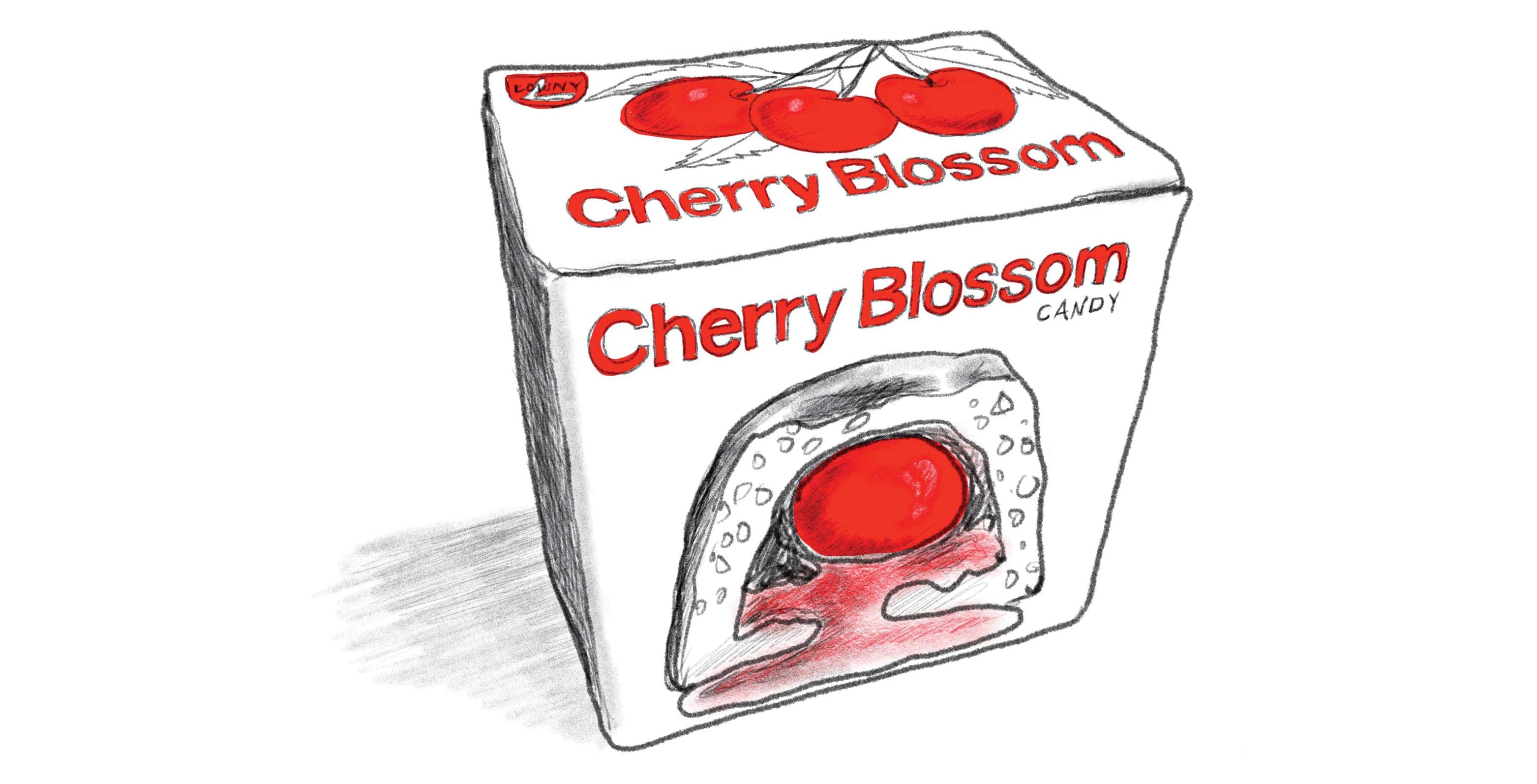
“First introduced in Quebec in the 1890s, the syrupy Cherry Blossom candy was discontinued last year, but its oddball cult status lives on. I loved its yellow box and trippy animated commercial—I can still sing the jingle word for word. It was my first lesson in the power of great packaging and advertising.”
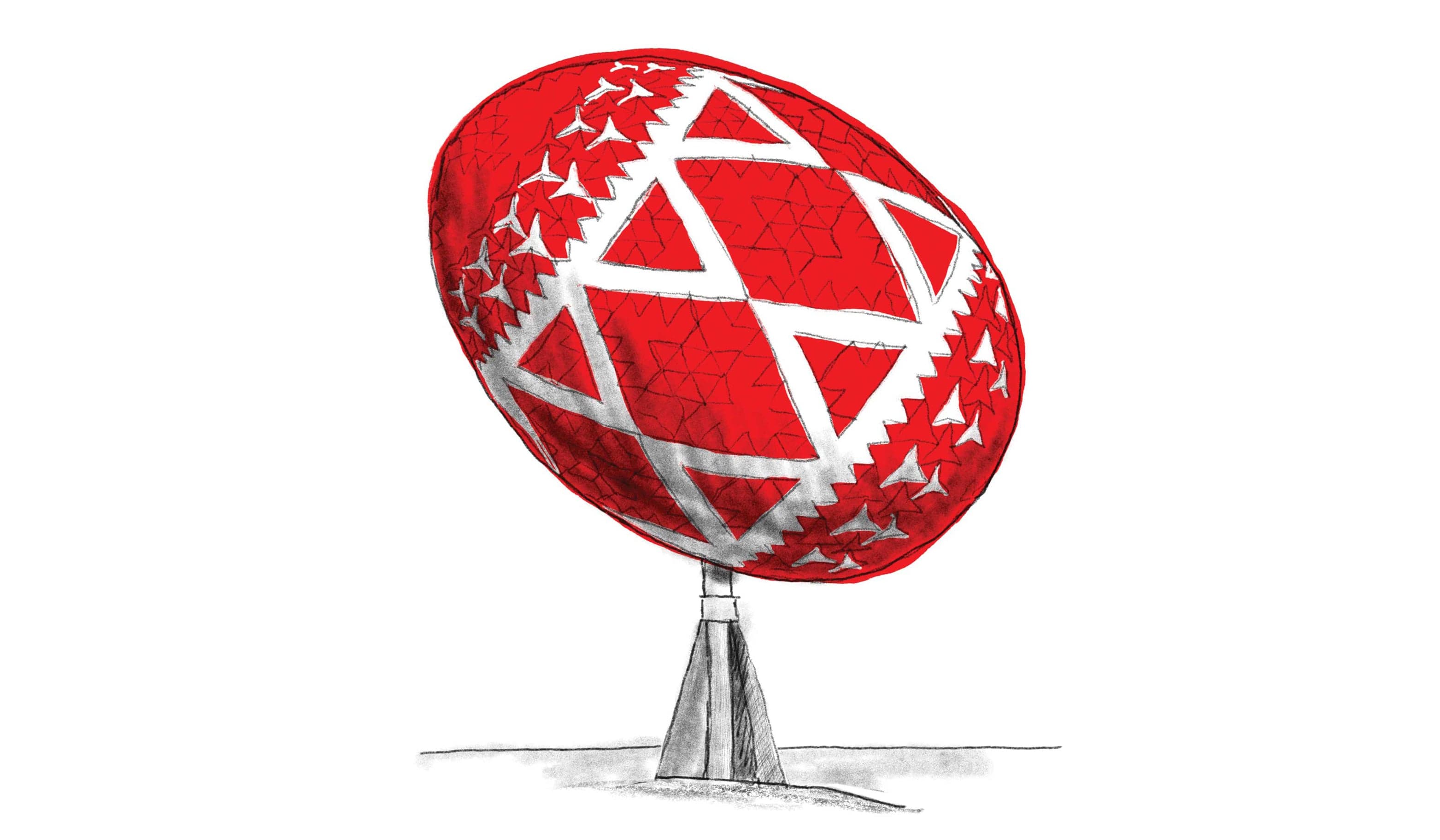
“The Vegreville egg, just east of Edmonton, is a giant sculpture of a pysanka, a Ukrainian-style Easter egg. It’s a serious engineering feat made from thousands of aluminum pieces. It also celebrates something bigger: that Canada is a mosaic of cultures, with the largest Ukrainian population outside Ukraine itself.”
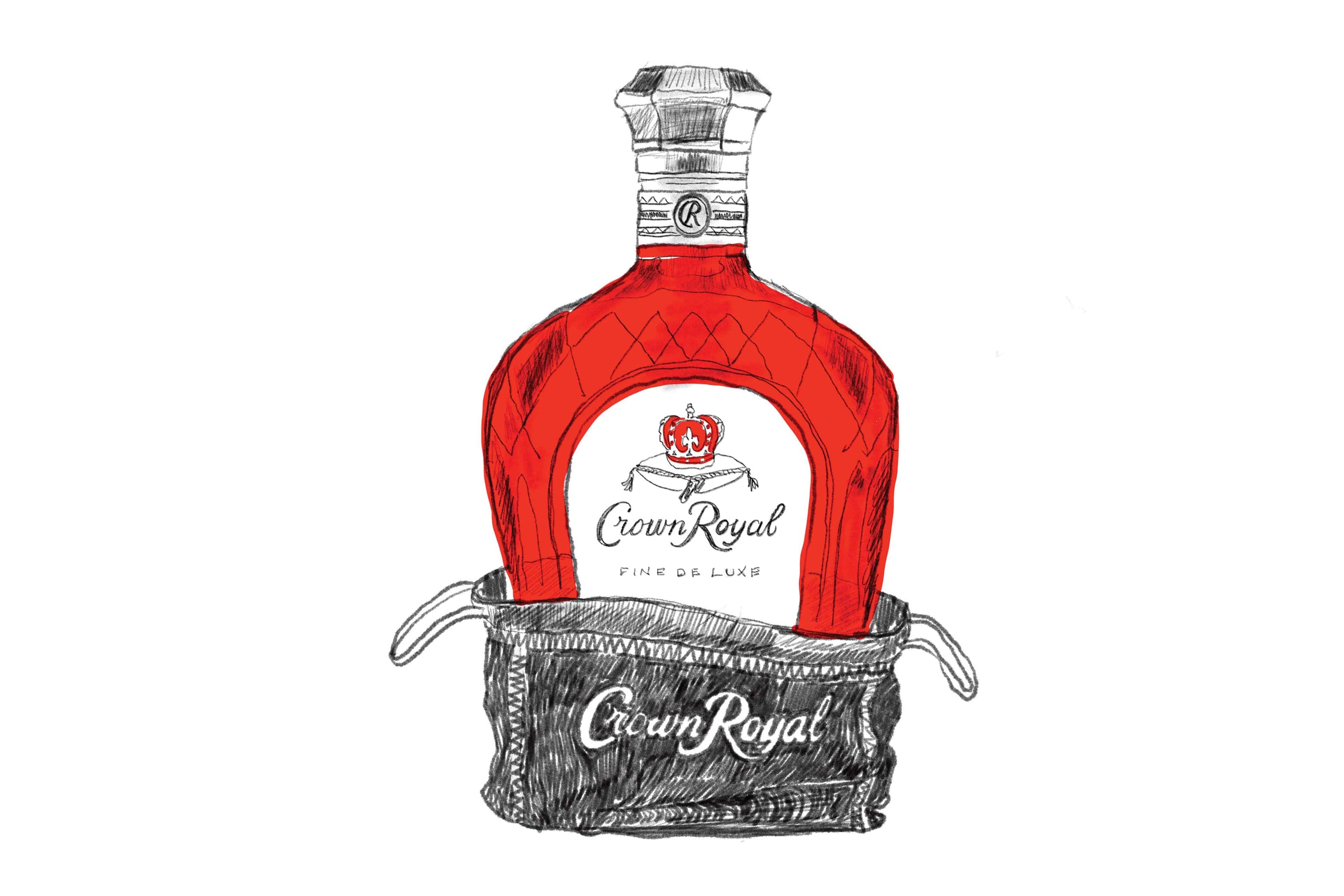
“The real icon of Crown Royal Canadian whisky is the packaging. The purple felted bag with a gold drawstring is a beloved folk object; generations of Canadians used them to hold Scrabble tiles and sewing supplies. Some people even made quilts out of them. Mine held my precious marble collection.”
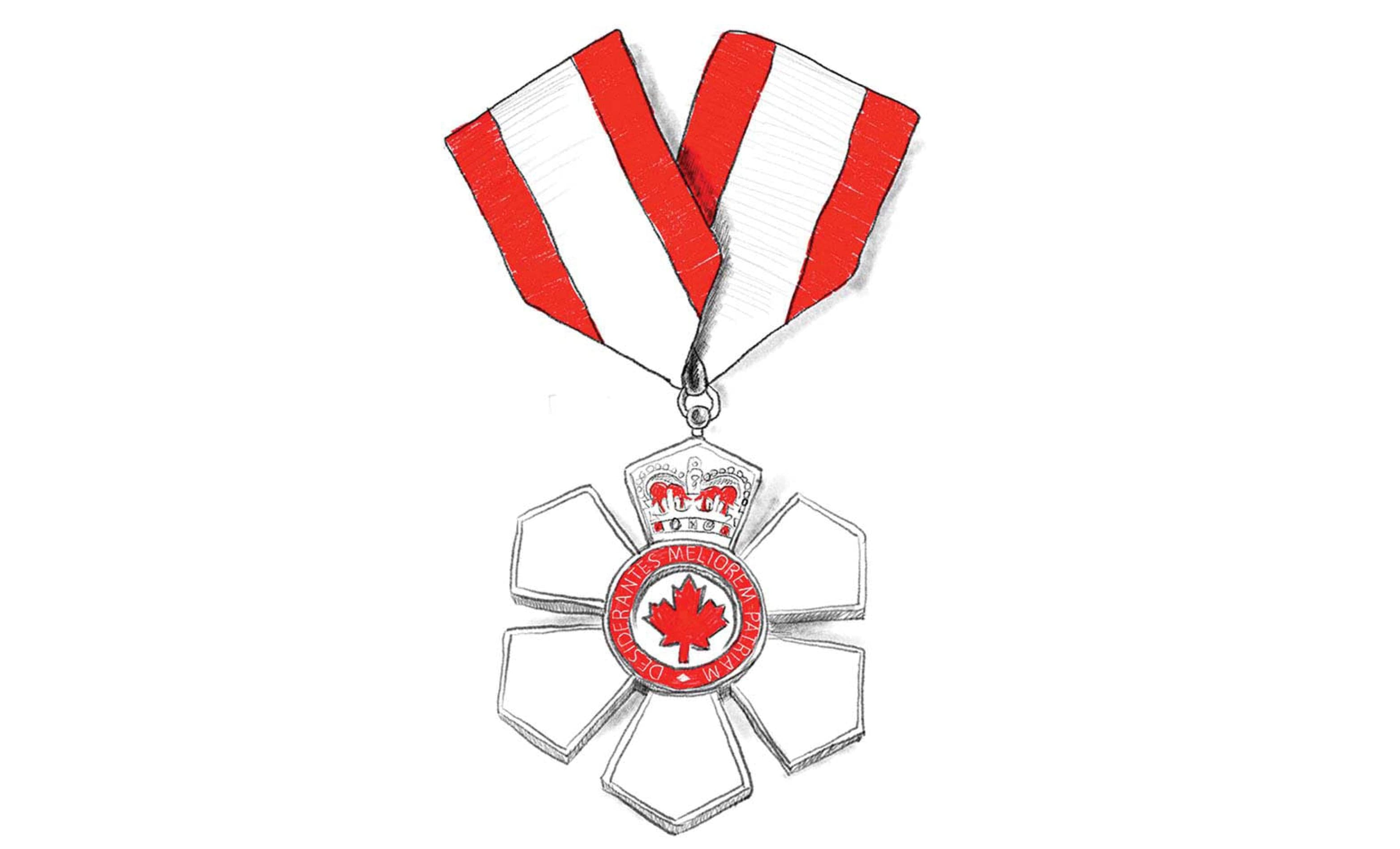
“I love how the Order of Canada recognizes the contributions of both public figures and everyday people we’ve never heard of. I always look for the tiny white and red snowflake pin on the lapels of my favourite Canadians—people like Martin Short, Chris Hadfield and k.d. lang.”
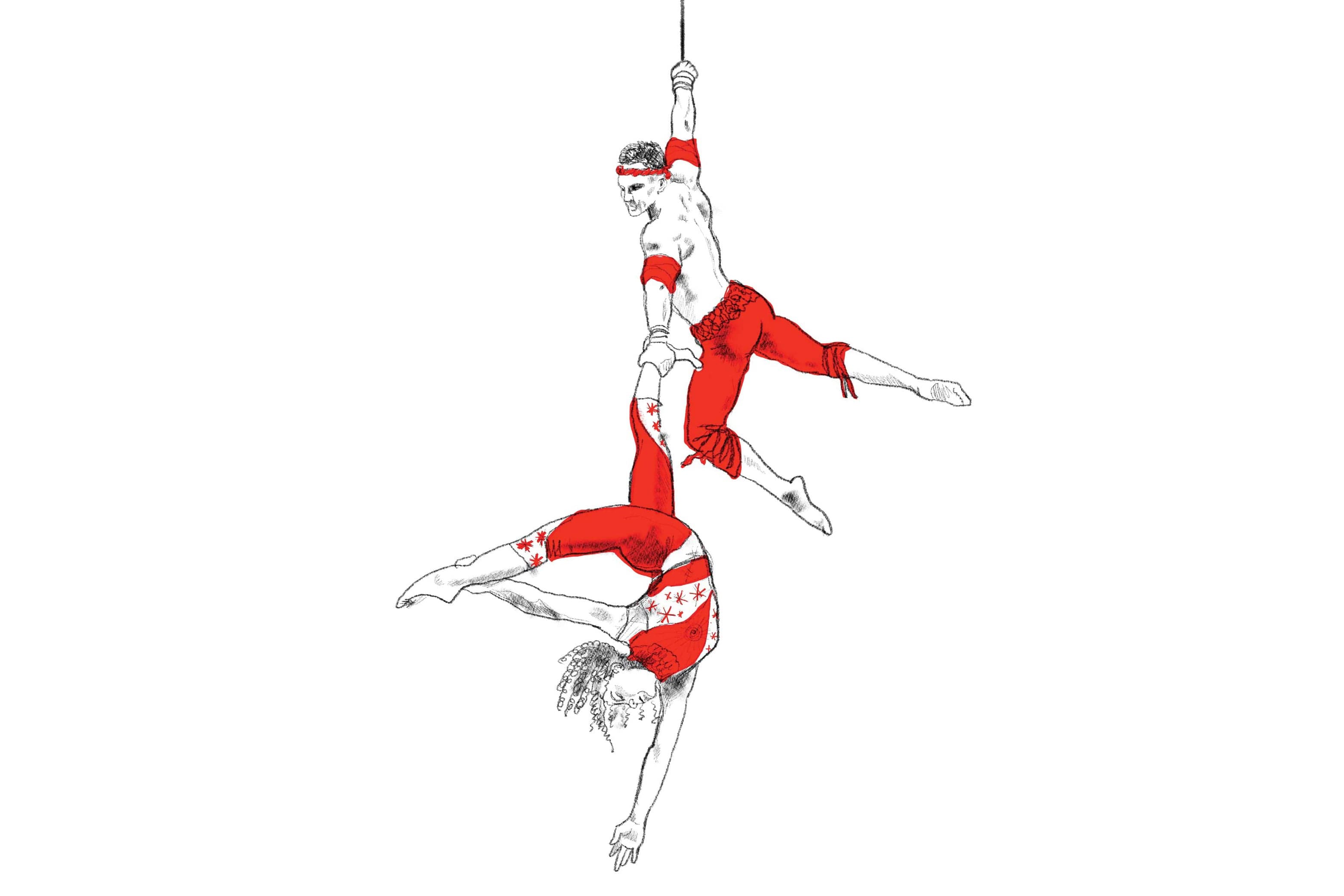
“I’ve seen Cirque du Soleil shows in Calgary, Montreal and Las Vegas. They changed my idea of what a circus could be, that we don’t need animals in the ring to create thrilling spectacles.”
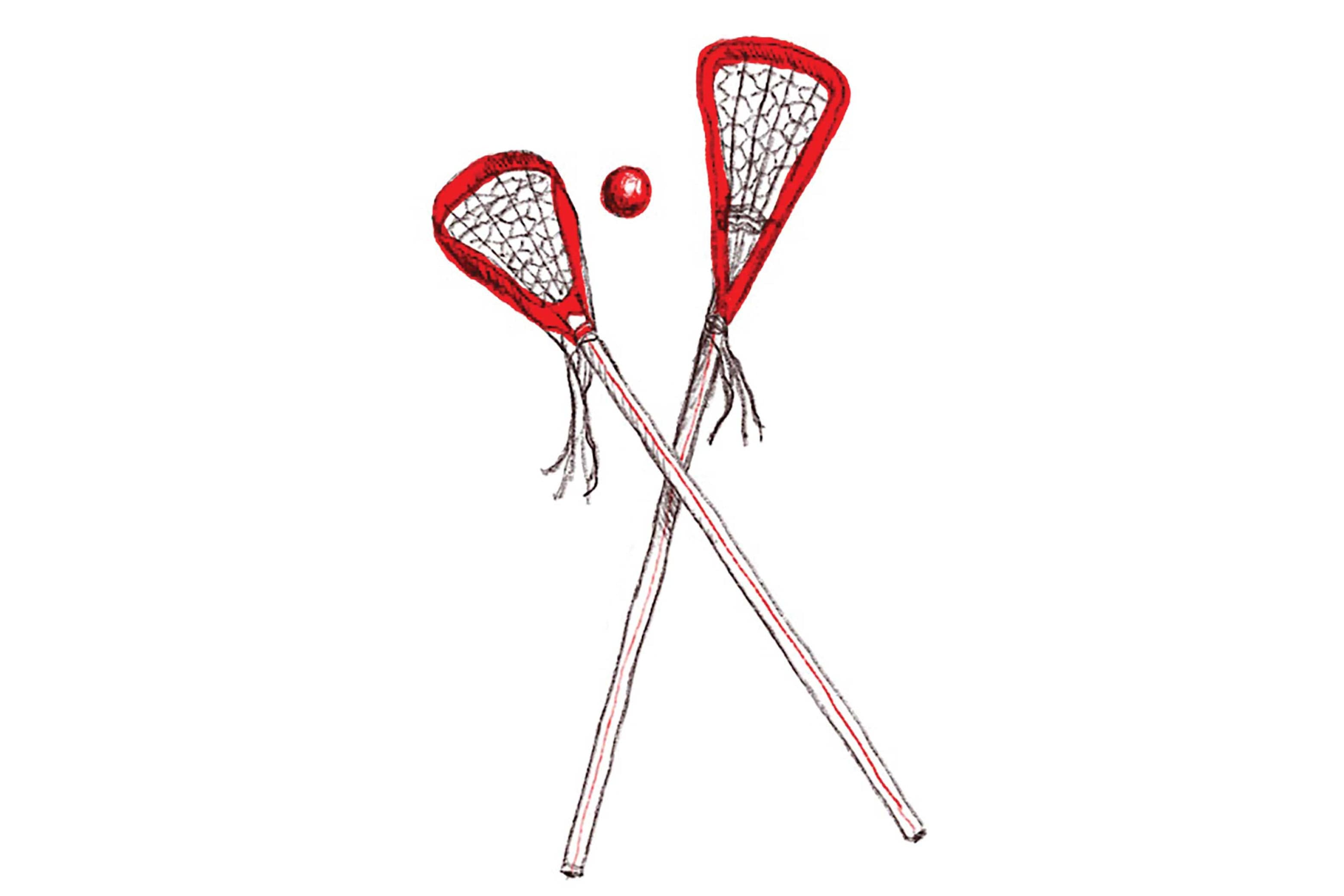
“First Nations peoples have played lacrosse, one of Canada’s official sports, for hundreds of years. It demands ambidexterity, lightning reflexes and total awareness. It’s also super fun to watch—my local team is the Calgary Roughnecks of the National Lacrosse League.”
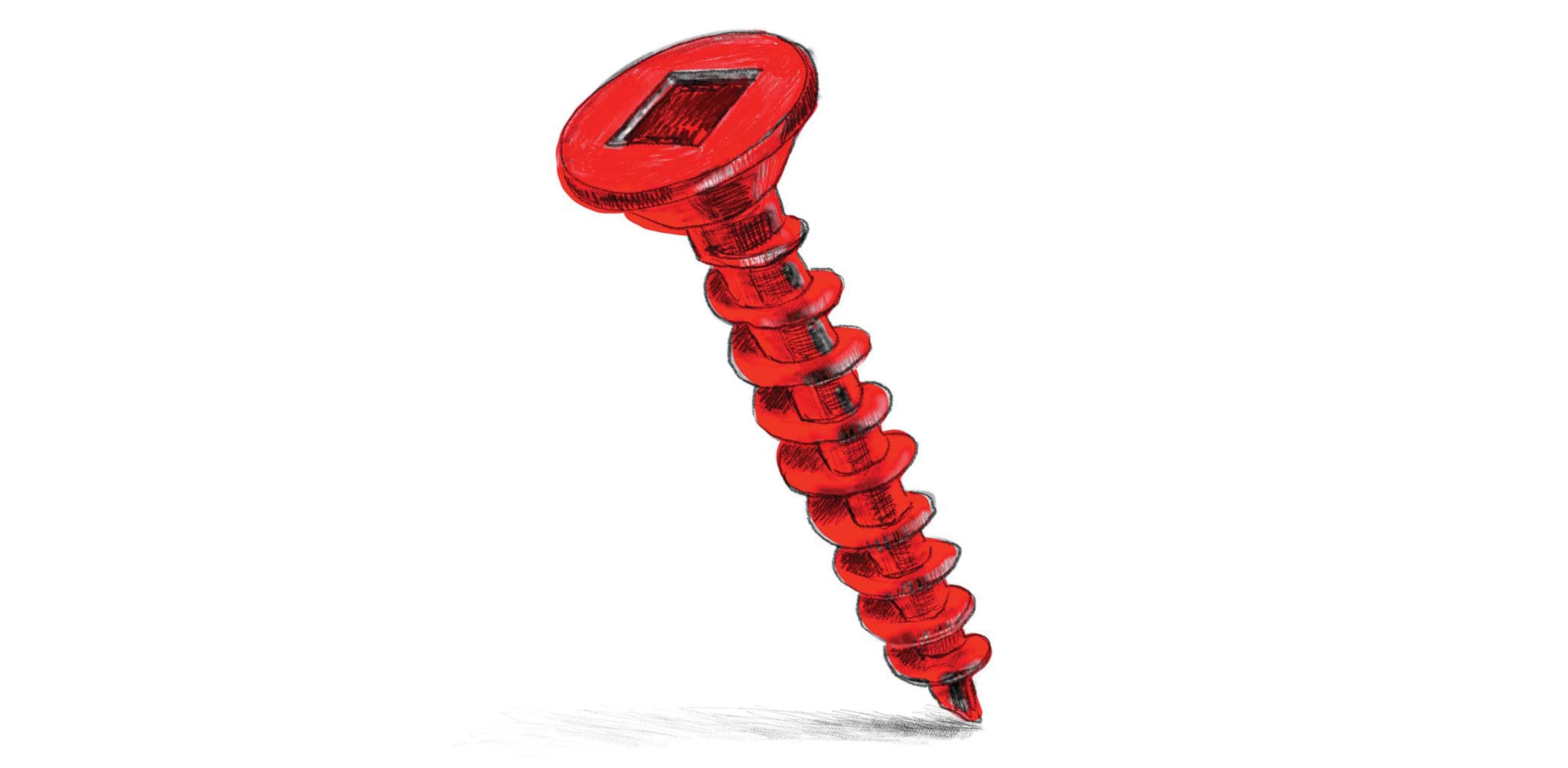
“Invented by Canadian Peter Robertson, the Robertson screw is a triumph of functional design. Its square socket grips the driver perfectly: no slipping, stripping or wasted force. Robertson kept the patent in Canada, which is why it’s the standard screw here and the Phillips is more common in the U.S.”
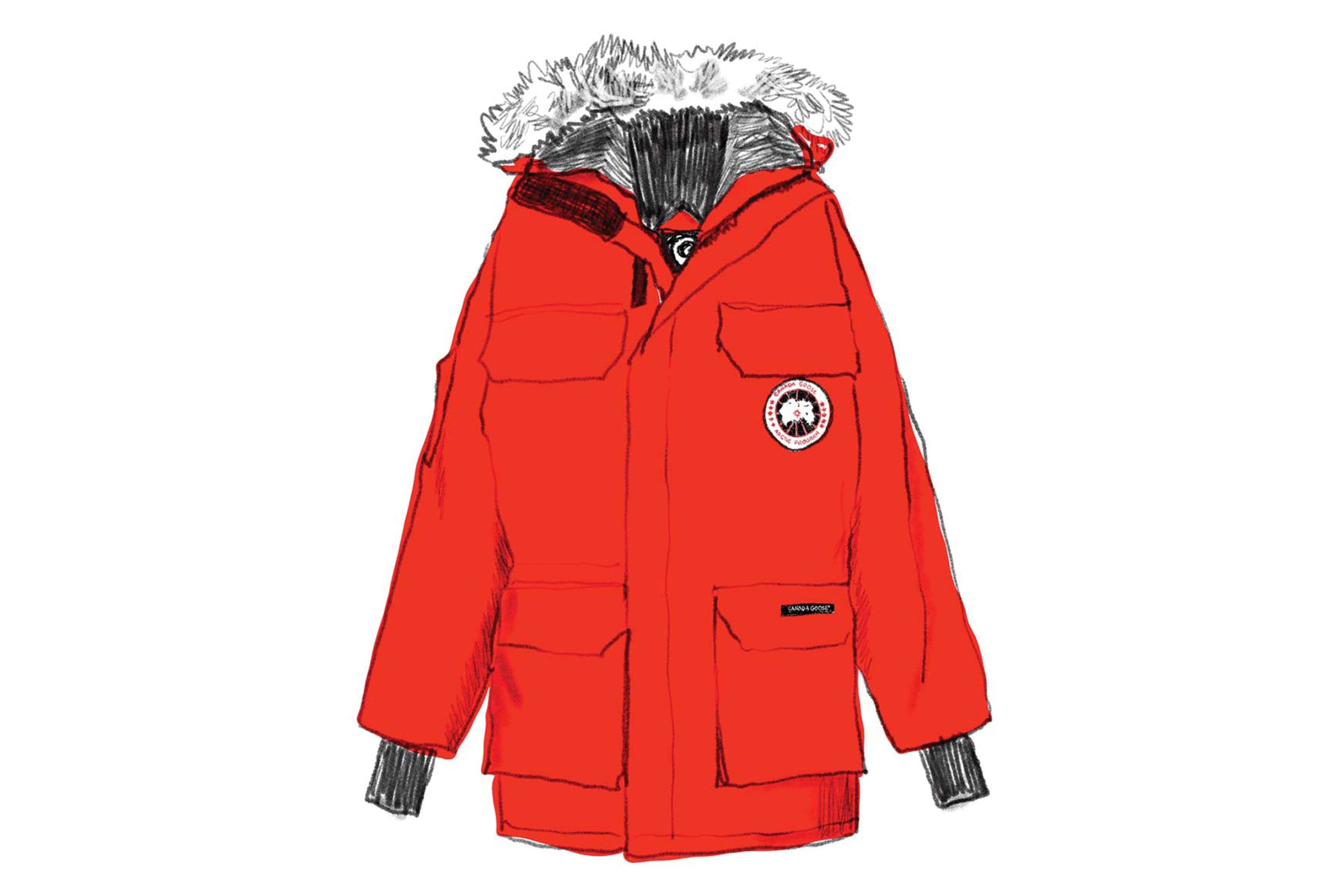
“Canada Goose, with its Arctic Program patches and coyote fur trim, built a luxury brand selling Canadian toughness. I once met a rancher in Drumheller, Alberta, who sold coyote pelts to the company for extra income. The brand discontinued the use of coyote fur in 2022—much to the chagrin of ranchers, I’m sure.”
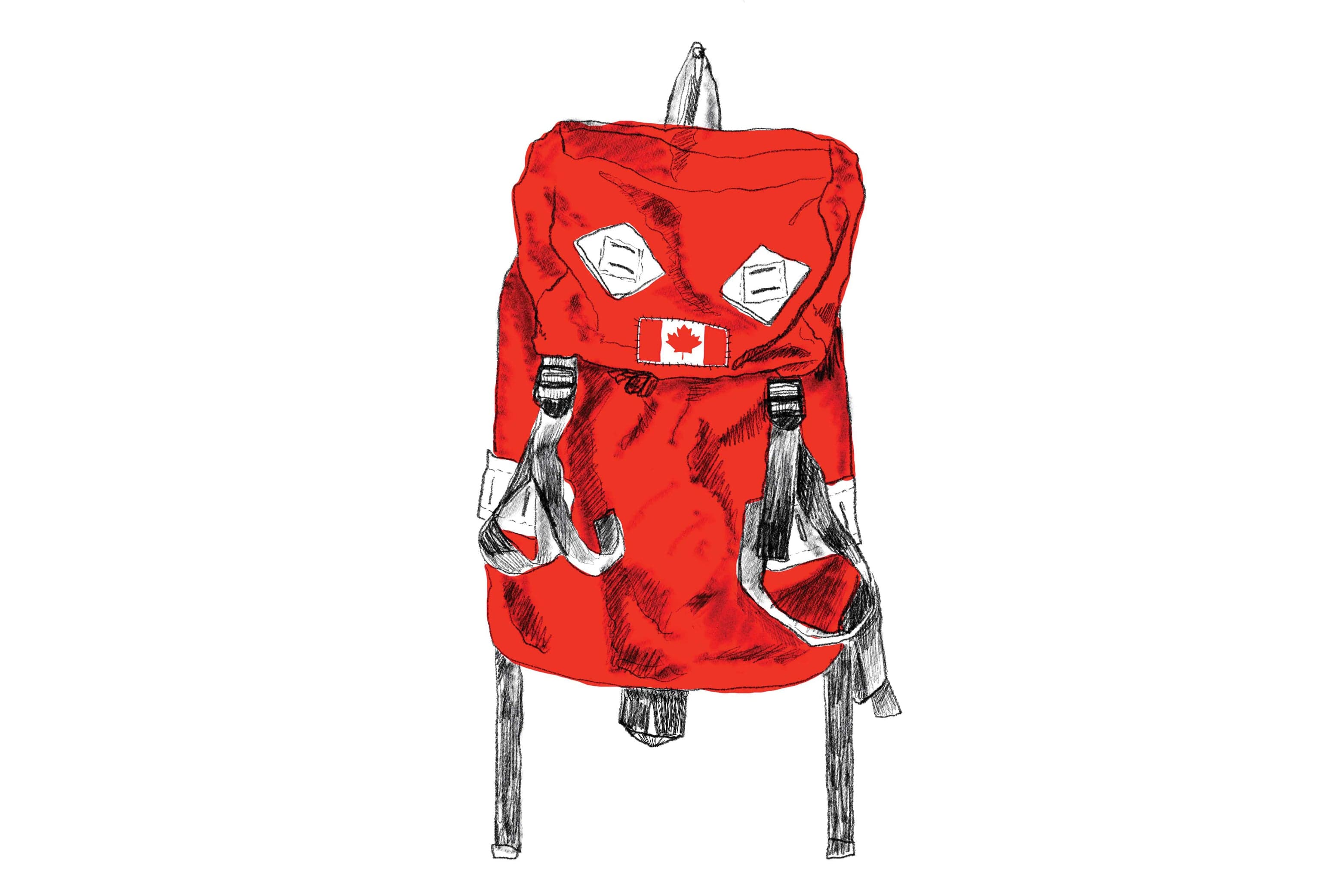
“A Canadian flag patch on a knapsack says two things: ‘I’m Canadian’ and ‘I’m not American.’ When I backpacked across Europe as a student, I sewed those patches on everything. I wanted people to know, before I even opened my mouth, that I was friendly, courteous and respectful. I still do this now, whenever I travel.”
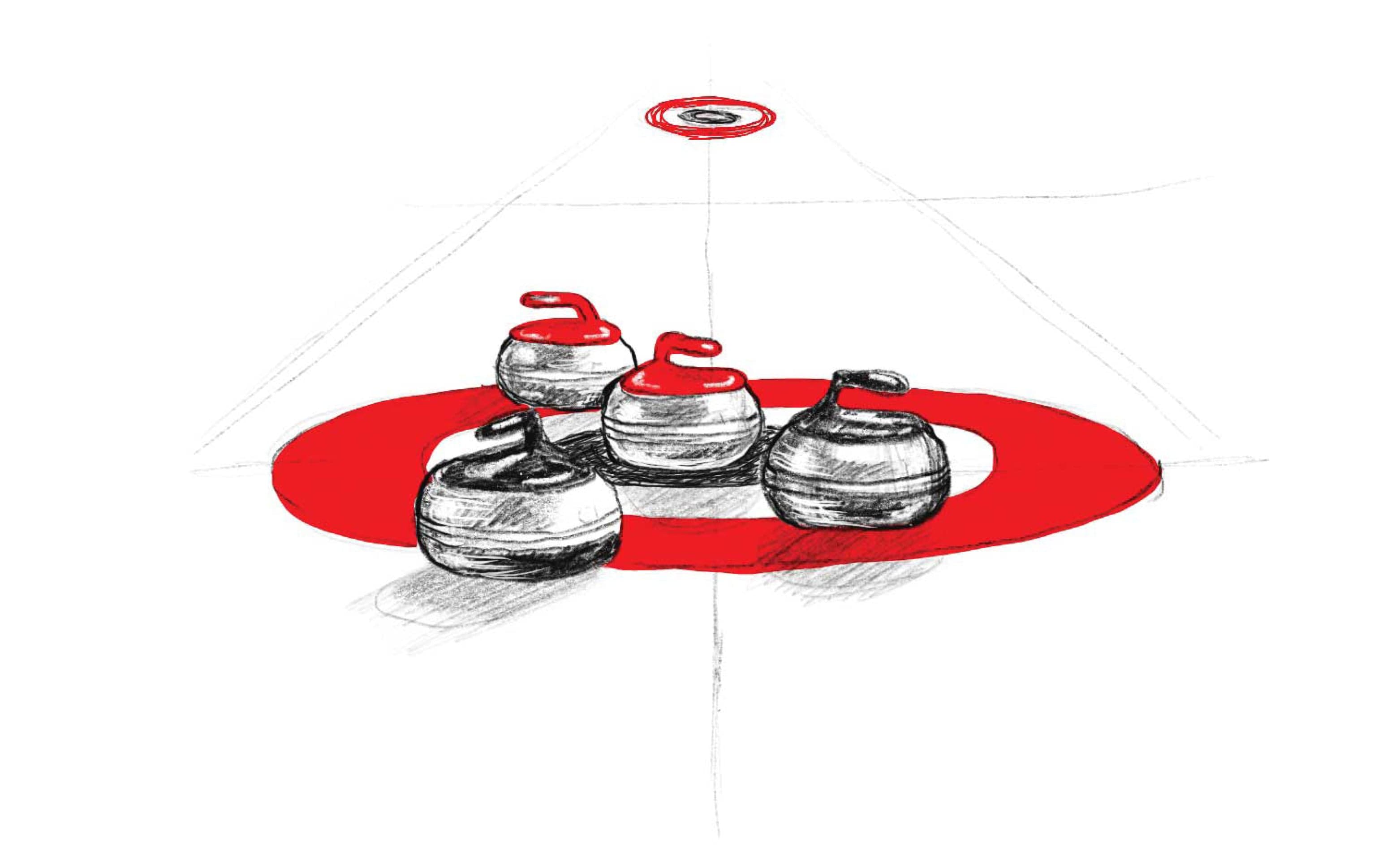
“I’ve never played curling, but I’ve played crokinole and lawn bowling and I’ve seen Paul Gross’s movie Men With Brooms twice, so I understand the game’s ‘chess on ice’ strategy. I especially love the nail-biting suspense of Olympic curling, where Canadian teams are always the ones to beat.”

“The Halifax Citadel has watched over the city since 1749, even surviving the devastating Halifax Explosion of 1917. I went to art school in the city and loved bringing family there to experience Canadian history. It’s the best vantage point in the area.”
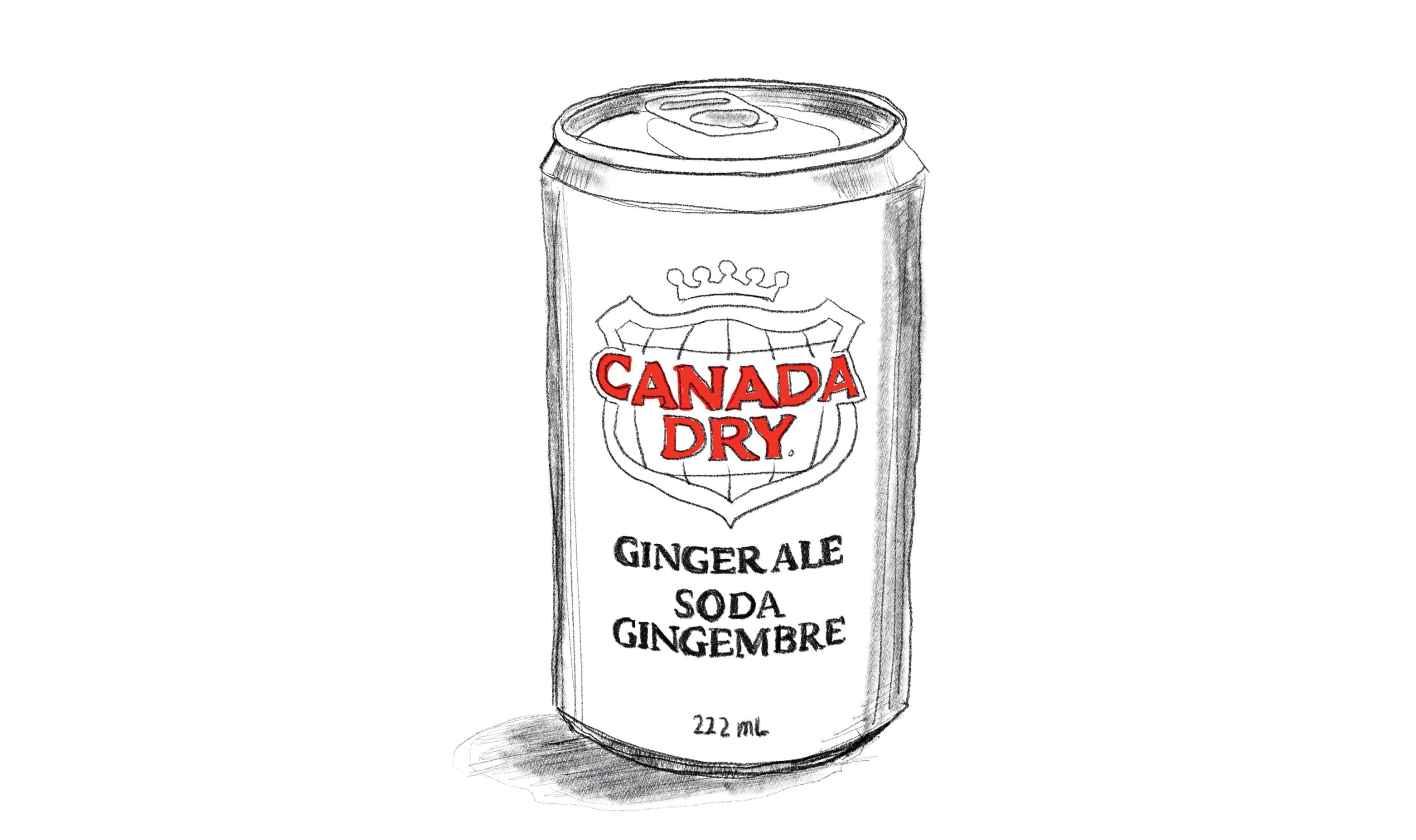
“Canada Dry has been foreign-owned for a long time now; it’s a national icon but not a national product. When my friends and I backpacked through Turkey and Egypt decades ago, locals sometimes shouted ‘Canada Dry!’ when they saw us. Fast-forward 30 years, and it’s Shane Hollander’s beverage of choice in Heated Rivalry.”

This story appears in the July 2026 issue of Maclean’s. You can subscribe to the magazine here or send a gift subscription here.
What did you think of this story? Send a comment for publication to letters@macleans.ca, and supply your name and address. Comments should be fewer than 200 words, and may be edited for length and clarity.
Related Posts

Heated Rivalry Is Anti-Dystopia Art

How to Win the Westminster Dog Show

How My Book, Heated Rivalry, Became A TV Phenomenon

Canada’s Indiana Jones
Get the Best of Maclean’s straight to your inbox.
Sign up for news, commentary and analysis. Join 60,000+ Canadian readers.