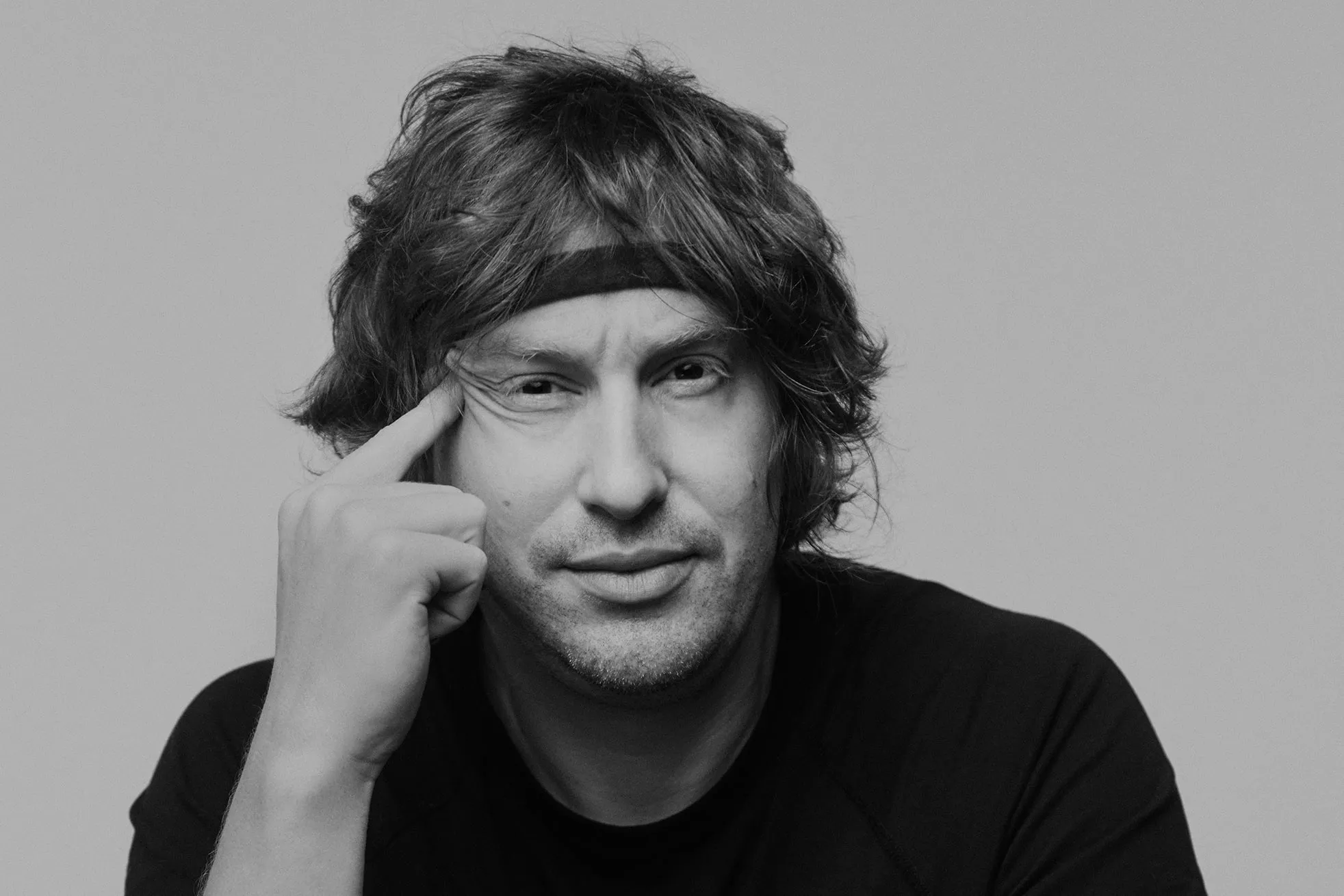
BlackBerry’s Matt Johnson Is Still an Indie Kid Inside
Blackberry, the origin story of Canada’s iPhone, was the vehicle that vaulted director Matt Johnson into the mainstream—sweatband in tow. On the indie circuit, however, Johnson had already cemented his cred with mad-genius guerrilla films that made some wonder if his brain had formed without a fear centre. For 2013’s The Dirties, his debut feature, he went undercover as a high-schooler; for his moon-landing mockumentary Operation Avalanche, he infiltrated NASA (for real). Maybe the most beloved of Johnson’s run-and-gun projects is Nirvanna the Band the Show, a Borat-style buddy comedy in which Johnson and co-creator Jay McCarrol rope unsuspecting Torontonians into their stunts—3D-printing a (fake) gun at a library, for example. Now it’s received the big-screen treatment: Nirvanna the Band the Show the Movie screens during TIFF’s Midnight Madness program next month.
Now 39, and buoyed by BlackBerry’s success, Johnson is being lobbed directorial gigs an indie kid could only dream of: he’s in talks to helm Hasbro’s upcoming Magic: The Gathering movie and just wrapped Tony, the A24-backed biopic of Anthony Bourdain, a fellow outsider-turned-insider. Does the free-wheeling Canadian cult filmmaker feel hemmed in by Hollywood expectations? Johnson and I spoke about it over a long-distance breakfast. (He ate, I watched.)
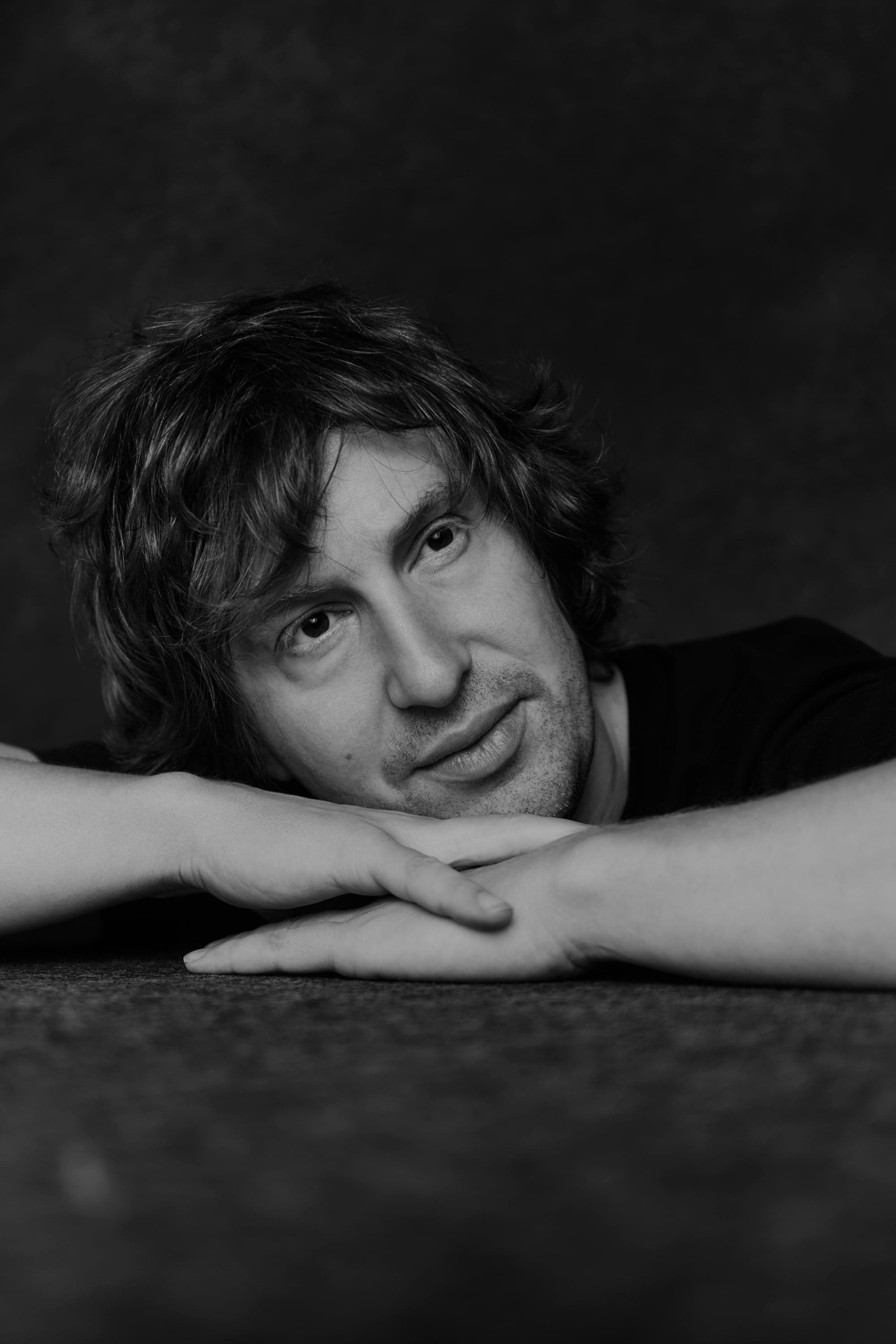
Where are you right now? More importantly: how’s that breakfast you’re eating?
I wrapped Tony in Massachusetts a week ago, and now I’m at my family’s place in Thunder Bay. They immigrated here from Iceland a long, long time ago, and it’s where my dad grew up. I’m actually eating French toast he made me from bread he bought at Holland Bakery in town. I had to eat so much seafood in Cape Cod that just to be back eating things from Canadian grocery stores is great.
How was being a Canadian in America?
Related Posts

The Golden Age of Smut
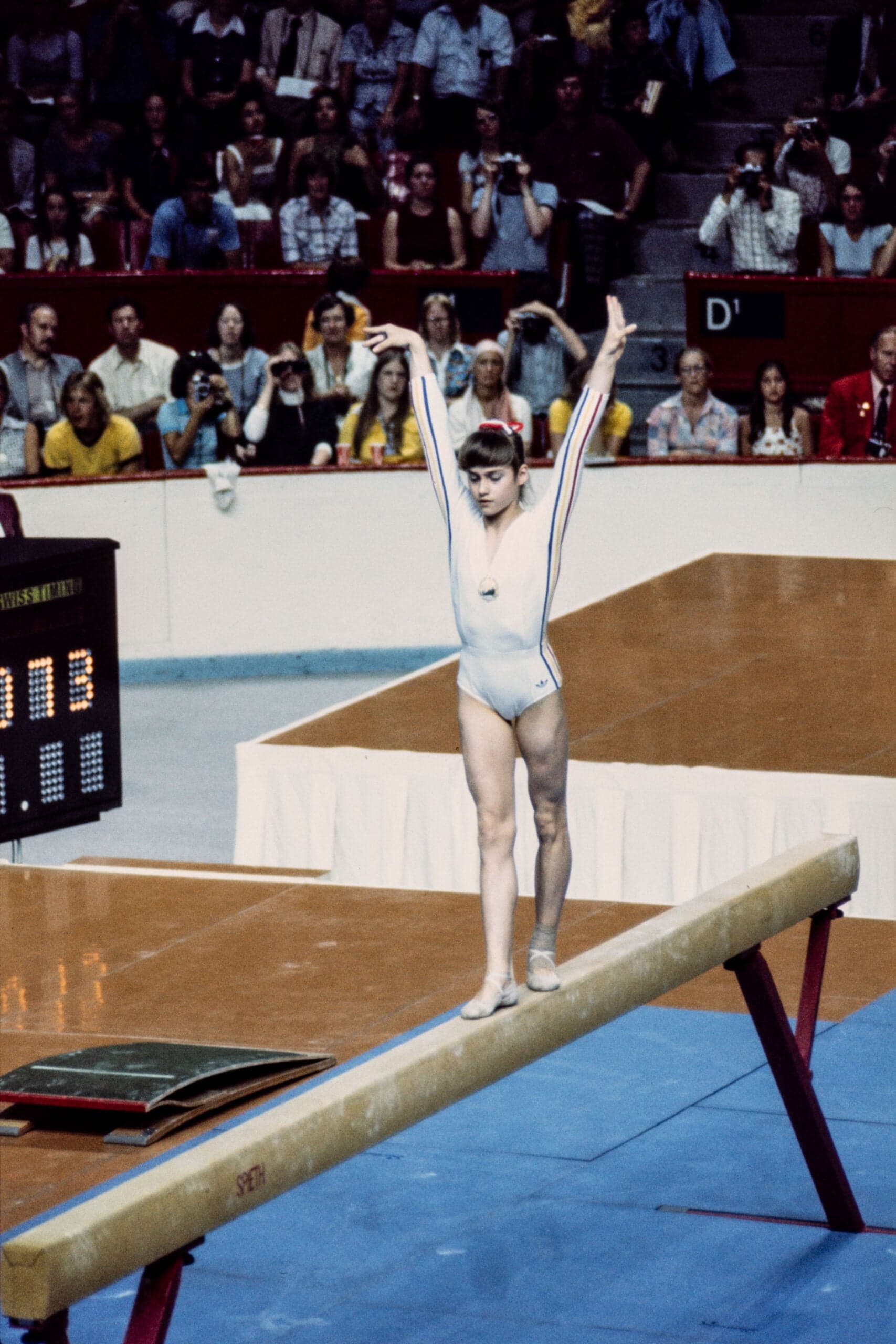
How the Olympics Remade Montreal
I need more distance from the Cape Cod experience before I’ll be able to synthesize my thoughts about it. I will say, I once heard a comedian describe Canadians as “aliens who were trying to trick Americans into thinking they were Americans by impersonating them.” Our cultures are 99 per cent the same, but that one per cent really does give you an…
…uncanny valley feeling?
Yeah. But after months there, you do sense a profound difference—right down to the bone—between whatever it is to be Canadian and whatever it is to be American. Have you ever been to an American airport? Everyone acts like they’re on TV. And I mean that in a good way—huge personalities, great voices.
Funny, because a lot of Nirvanna the Band the Show—the source material for your new movie—is shot in Toronto, in public, with people who have absolutely no clue they’re on TV. How would you describe the conceit to Canadians who’ve never seen it?
I’ve compared it to the Borat movie. Honestly, I’ve been working on Nirvanna for almost 20 years, and I still can’t describe it in a way that makes me sound like I made it. It’s like you’re watching a movie, but it’s shot in the real world and nobody knows they’re in that movie except the two main guys, played by Jay McCarrol and me. We didn’t intend to make the show that way. We were like, “We have no money or access to any real actors. We may as well lean into the things we’re stuck with.” What’s great about real people who don’t know they’re on camera is that they act so well.
Your character in Nirvanna has an almost psychopathic single-mindedness about pulling off his schemes. You seem to play versions of that guy a lot—and many are actually named “Matt.” Is there something you’re trying to tell us about yourself?
Well, I do have a monomania about making these movies, which have taken over my life. In many ways, I think the guys I play are a chance for the Shadow Me to have a life—the outgoing, confident, consequence-free kid. The real me is an inversion of that: more risk-averse.
The Nirvanna movie blew the doors off when it premiered at SXSW back in March. In fact, you’ve chosen to premiere most of your movies (including BlackBerry) at international festivals instead of TIFF, which you’ve dunked on in the past. What gives?
I know I have that reputation, but I’m a real lover of TIFF; I’d frame my feedback as constructive. If you’re a young filmmaker looking to create an identity for yourself, TIFF unfortunately still has too many vestiges of “everybody gets a ribbon” for you to stand out. That’s not an issue unique to them—it happens at Berlin and Cannes too. It’s a reality of having state-sponsored media. The government is going to step on their necks and say, “Hey, you need to program more Canadian movies because we’re giving you so much money.” TIFF does that, but it’s very challenging to find, say, 20 great Canadian movies made every single year in a market as small as ours.
What’s one recent Canadian film that you thought was good?
I’ve got a long list, but that’s mostly because I know a lot of the filmmakers. I’m a huge fan of Ben Petrie and Grace Glowicki. They’re a Toronto filmmaking couple who’ve made two features in the last year or so. One was The Heirloom, a psychological thriller about a couple who adopt a whippet during COVID.
Canada’s Not For Sale
But Maclean’s is
SUBSCRIBE NOW
You used to characterize this country’s film ecosystem as complacent and coddling and preventing people from making “crazy shit.” Has it gotten any better?
When I was in film school at York University, the role models for what a Canadian director was were larger-than-life superstars—people like David Cronenberg and Atom Egoyan. They had unbelievable success in the ’80s and ’90s, and it was difficult for me to see the glowing bridge to get to that place. Their work was so beyond anything that I could even conceive of doing. Now, film students look up to people like Kazik Radwanski, whose first feature was Tower in 2012. Kaz would go out with his director of photography, actors, maybe a producer, and shoot. He was the vanguard of the new Toronto film movement—just doing it on your own. So, yes, things are changing quite a bit. I hope that goes into overdrive. I’d like to see Telefilm take way, way, way more risks on those movies, knowing full well that many of them won’t work.
Despite all of your constructive criticism, you have no plans to emigrate or even leave Toronto, when you easily could. Why not?
Do you live in Toronto?
I do.
Don’t you like it?
This is very cliché: I’m mad at the construction, and the architecture can be boring. I sound like a hater but, in my heart, I love it.
Look, we live in the New World. Unless you live in one of the first 13 American states, everything is brand new, and the veneers of things are dead and post-brutalist and awful. It’s easy to be cynical about the influx of capital that’s flowing into Toronto, but there wouldn’t be so much construction if so many people didn’t want to be here. And they want to be here for the same reason I do: there’s just something about it.
Say more.
I’d never say, “Toronto has the best coffee shops in the world.” It doesn’t really have the best anything in the world, but it has the third or fourth best of everything. You will never find Toronto’s variety and one-big-neighbourhood feeling anywhere else. I’ve travelled all over, and I always kiss the ground when I get back. I was born at Toronto General Hospital, and this place gave me my life, so I have no desire to leave. I’m too shy!
Has the trade war made it harder to do business in the States—or go back and forth?
I’m sure it has, but nobody’s told me how, from a nuts-and-bolts production point of view. I do know that the wild swings of the currency exchange have affected our ability to license American music—and even Canadian music held by U.S. licensers like Universal. It’s becoming difficult to pay American actors to come work in Canadian movies. But the corollary is that, for U.S. producers who come to Vancouver or Toronto to shoot, it’s been a godsend. Toronto is an insane production hub because of the exchange rate.
The scale of your projects is growing too. Said respectfully: you’re not “the ingenue” anymore. You’ve got the Bourdain biopic (backed by A24) and you’re in talks to direct Hasbro’s Magic: The Gathering movie. Do you worry about losing touch with the artsy anarchist streak that got you here?
I don’t worry about it; I feel it happening. I felt it even back when I was making BlackBerry. I think that’s the price you pay as soon as you’re doing movies that aren’t small Canadian productions made with your own friends. I do take solace in something: Hollywood is handing over massive, blockbuster franchises to extremely wilful, idiosyncratic directors. They gave Barbie to Greta Gerwig! Until one or two of those movies completely implode, we’re in a really good period for that kind of filmmaking. But I struggle daily. My insouciant, we’ll-figure-it-out-on-set attitude isn’t nearly as charming in those contexts.
I’ve noticed that, in nearly every Q&A you do, you either discuss worrying about getting sued or explain how not to get sued. How many times have you been sued, man?
Luckily, never—not even a cease and desist. When people see my movies, it may seem like I’m getting an almost perverse thrill by “getting away with” things. I can’t break North American IP laws—if I did, my films would be unreleaseable. But—especially with Nirvanna the Band the Show the Movie—I do set out to make something that seems like an illegal document. That’s the big trick.
So no close calls?
When we were making Nirvanna (the show), our bosses did initially refuse to put out an episode they thought was going to put them offside with one Toronto organization. (It was that very Canadian thing of two institutions not wanting to bump into one another.) But we worked with our lawyer and, eventually, the episode was released exactly as we shot it. I got read the riot act, though—like, sat down at a long table with executives who were all, You’ve really done it this time!
I just saw your dad walk by on your screen, so it’s weird to ask this now, but: as a kid, were you kind of a little shit?
I was, I was. When I knew adults or authority figures were asking me questions they already knew the answers to—like, “Are you on the phone with Steve?”—I’d give them answers that weren’t real. Then they’d be like, “That’s not true!” exposing that they didn’t need to ask the question in the first place. (Back in Grade 2, I really only had one friend, and it was Steve.) I now know the adults were just finding excuses to talk, but I wound up training myself to lie with a straight face. I could’ve become a psychopathic criminal if I hadn’t learned to control that.
That’s good because I was thinking, I am suddenly worried about this interview.
No, I try to drop my guard in interviews. Now that I’m an adult, I’m trying to break the veneer of “these filmmakers are gods,” which is how I used to look at them. It’s helpful for artists to talk about their process in a way that makes young people go, We’re all doing it one step at a time, and the audience is only seeing the finished product. Especially since this new generation is so insecure.
Do you still have movie posters on your wall? If so, are they the same ones you had when you were a kid?
I’ll admit something: you know how my character in Nirvanna has all those movie posters? That’s kind of the youth I wished I’d had. I wasn’t a cinephile nerd until I was in Grade 11 or 12 and got obsessed with DVDs. Now, in my apartment, there are posters from the movies that inspired whatever thing I’m currently making: Back to the Future, The Fifth Element, Gummo, Ferris Bueller’s Day Off. I’m sure they’ll change.
Do you have Letterboxd, by any chance?
I don’t have any social media, but I wind up hearing about Letterboxd a lot because young people have taken it up like crack. The other day, I went to the TIFF Lightbox for a virtual talk between Guillermo del Toro and David Cronenberg about Rabid. After it was done, you could see a flood of iPhone screens open to Letterboxd as the crowd came down the escalator.
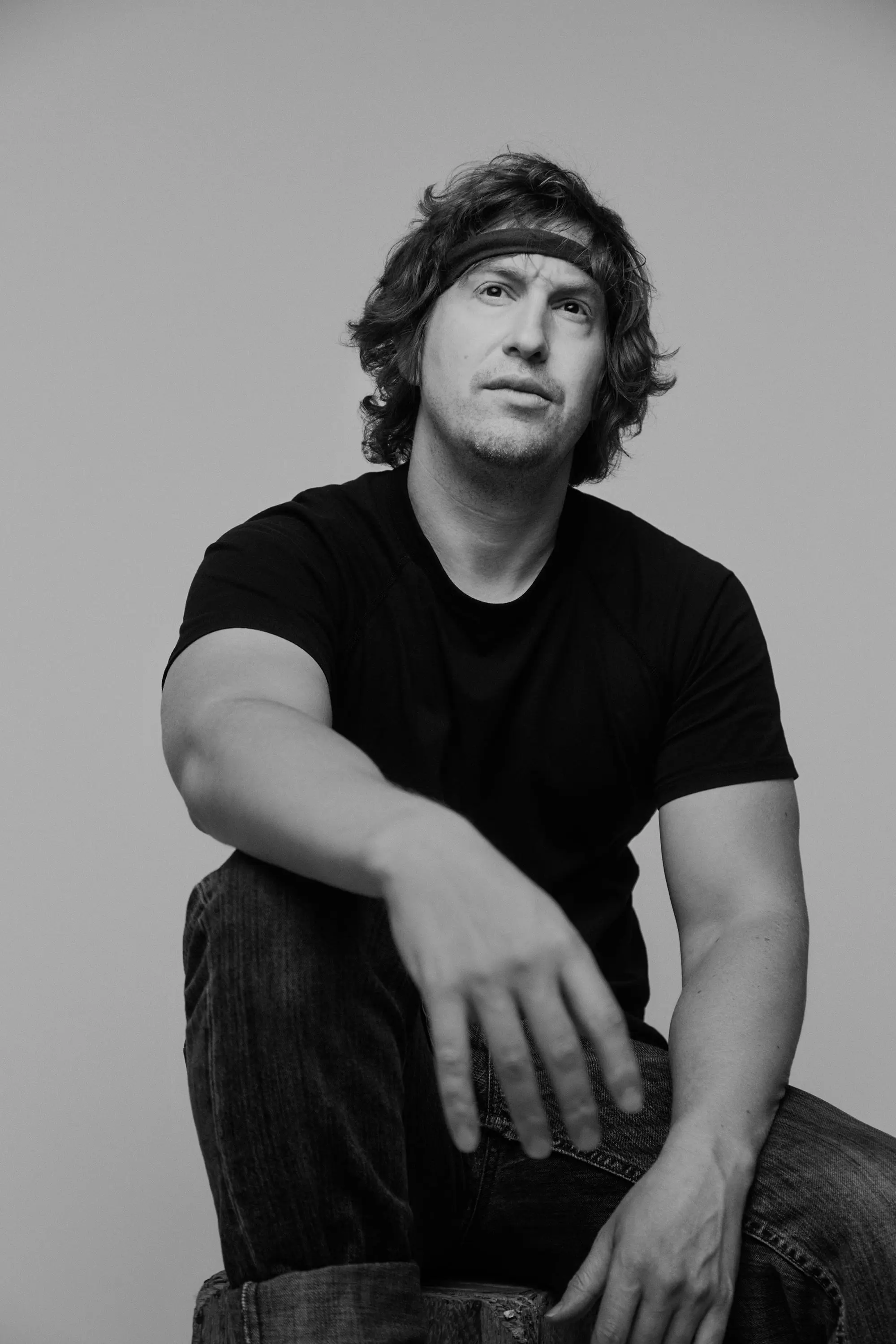
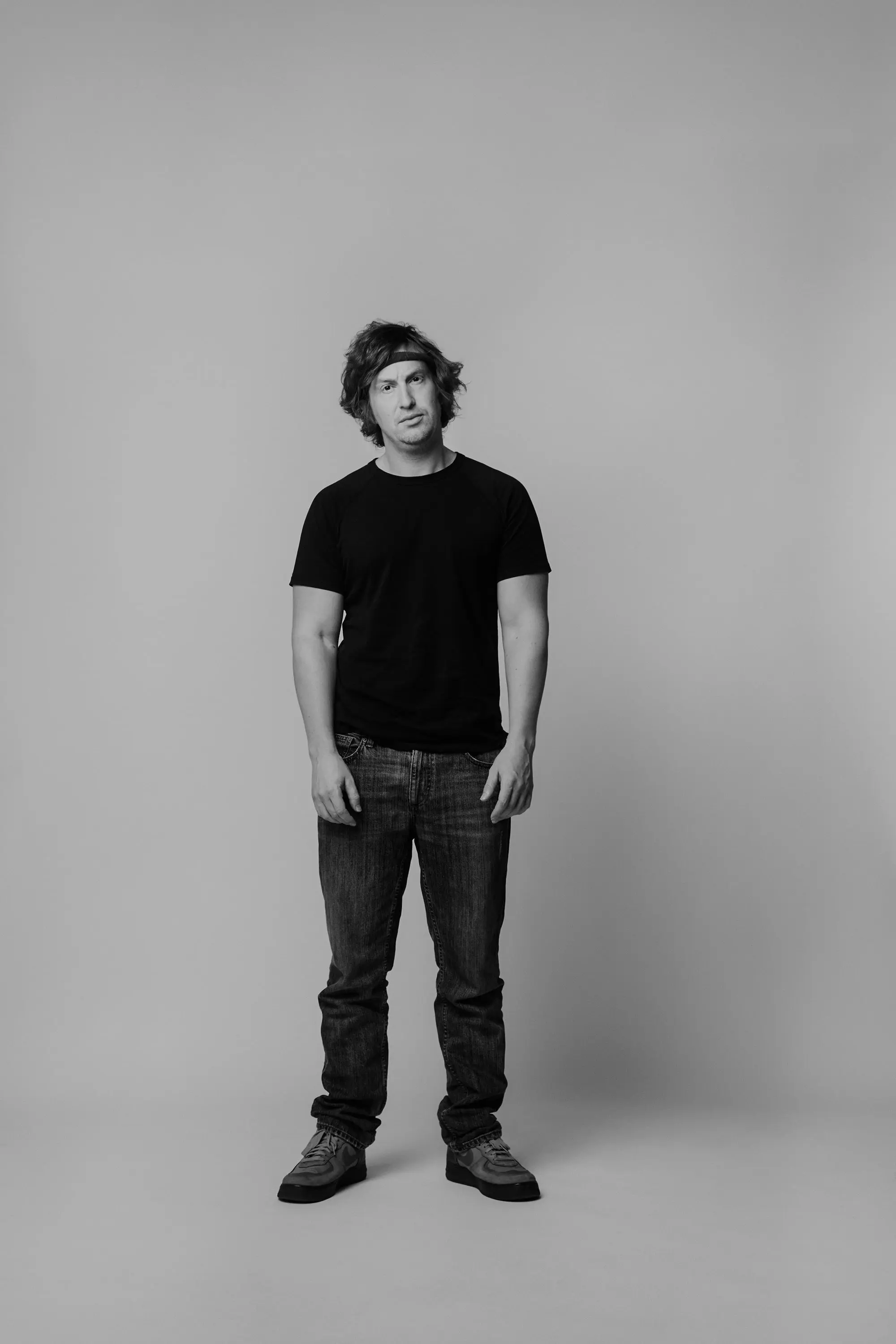
I’m going to ask about your sweatband now. Do you have a closet full of them or just one emotional-support sweatband that you wash over and over again?
The original one was a gift from a dear friend. All she said was, “I got this at a race. You will like this.” And I was like, “I do like this.” I wore it somewhere, and my sister’s friend said, “It makes you look like you’re ready to go!” Then I grew my hair long, so it became a kind of necessary evil.
It has a practical purpose, then.
Yeah, I go to the gym every day. The worst decision I ever made was having my character in BlackBerry wear it. I’ve doomed myself to forever be a parody of him. Ninety-nine per cent of people who saw the film don’t think of me as its director; they think of me as the guy with the headband and the big glasses who’s in it. I imagine that, if they see me in public, their reaction is the same as if they’d seen the actor who plays Bubbles in Trailer Park Boys wearing those huge glasses: Why are you doing that? It’s just so thirsty!
When people meet Matt Johnson—not “Matt Johnson”—in real life, are they ever taken aback by how different you are?
Yeah. They always say, “I thought you’d be much funnier.”
This story appears in the upcoming September 2025 issue of Maclean’s. You can subscribe to the magazine here or send a gift subscription here.
Related Posts

How to Win the Westminster Dog Show
Canada’s Indiana Jones
Heated Rivalry Is Anti-Dystopia Art
How My Book, Heated Rivalry, Became A TV Phenomenon
Get the Best of Maclean’s straight to your inbox.
Sign up for news, commentary and analysis. Join 60,000+ Canadian readers.