The Making of Global Vancouver
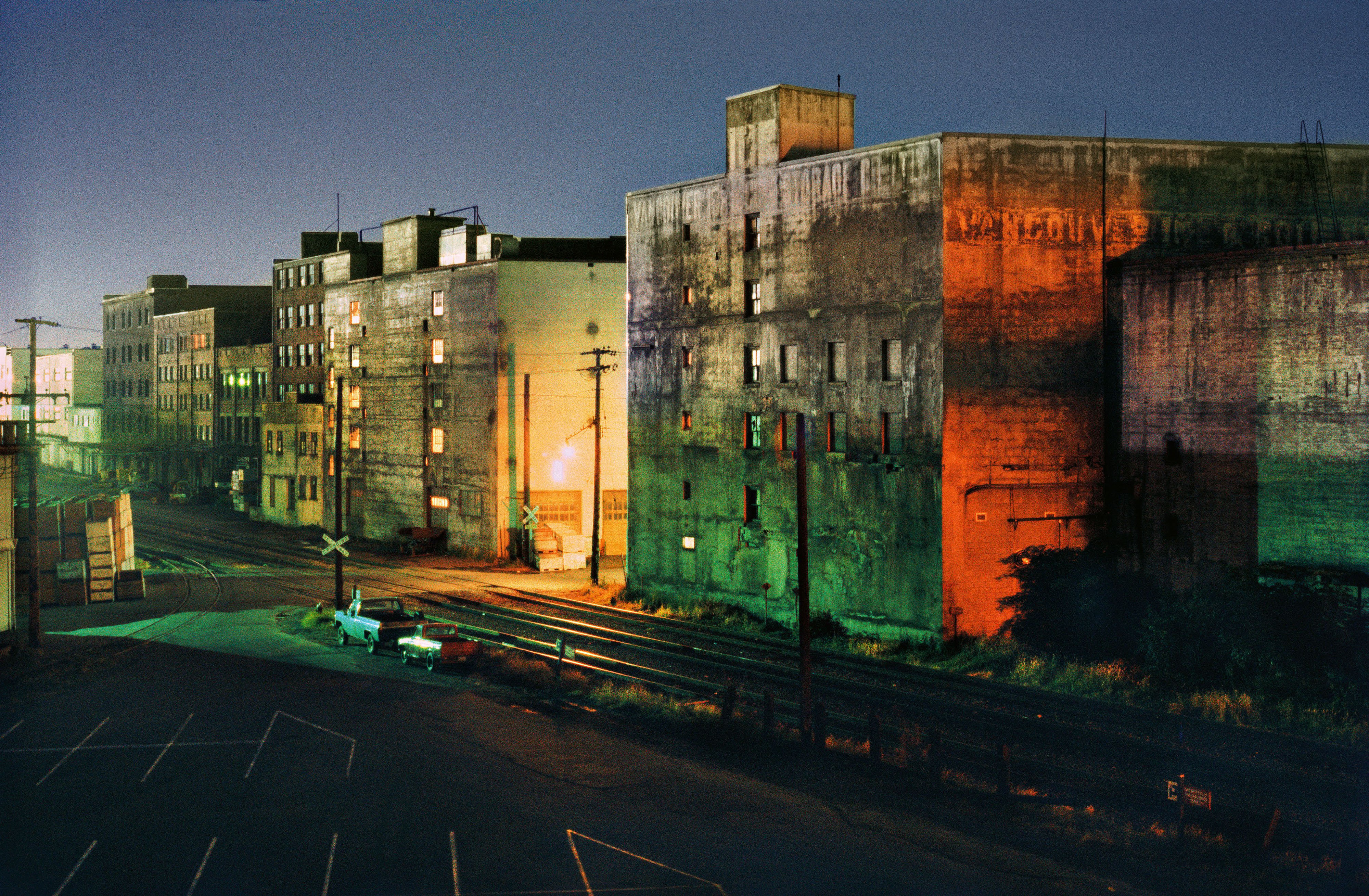
All roads led to the water: that’s how photographer Greg Girard remembers the Vancouver of his youth. In the early ’70s and ’80s, the working waterfront spilled into the city, a gritty industrial hub crowded with sawmills, canneries and slaughterhouses. Expo ’86 hadn’t yet catapulted Vancouver to world-class status. “You could walk to the north end of a street, cross the railway tracks and be at the container terminal or the fish docks,” says Girard.
He grew up in suburban Burnaby, where single-family homes lined the streets and shops shuttered on Sundays. “I mean, utter boredom,” he says. “Going downtown in those days was the big adventure.” There, by the harbour, old neon signs still adorned the storefronts. Pool halls, men’s clothing stores, hardware shops—those places remained as they’d been two decades earlier. To cross a pool hall’s threshold was to pass through a time machine. Outside, it was bright midday; inside was a moody world lit by yellow-tinged spotlights over billiard tables. Silhouetted figures, cues in hand, donned the mid-century vogue of cashmere overcoats, tailored suits and fedoras. On the weekends, Girard took the bus down and forked over $3 a night for a hotel room, then walked the waterfront with a tripod and two cameras—one loaded with colour film, the other black and white. He didn’t think of himself as a documentarian or a journalist. If you asked him, he was just photographing what was in front of him: a working-class seaport, a down-at-heel terminal city.
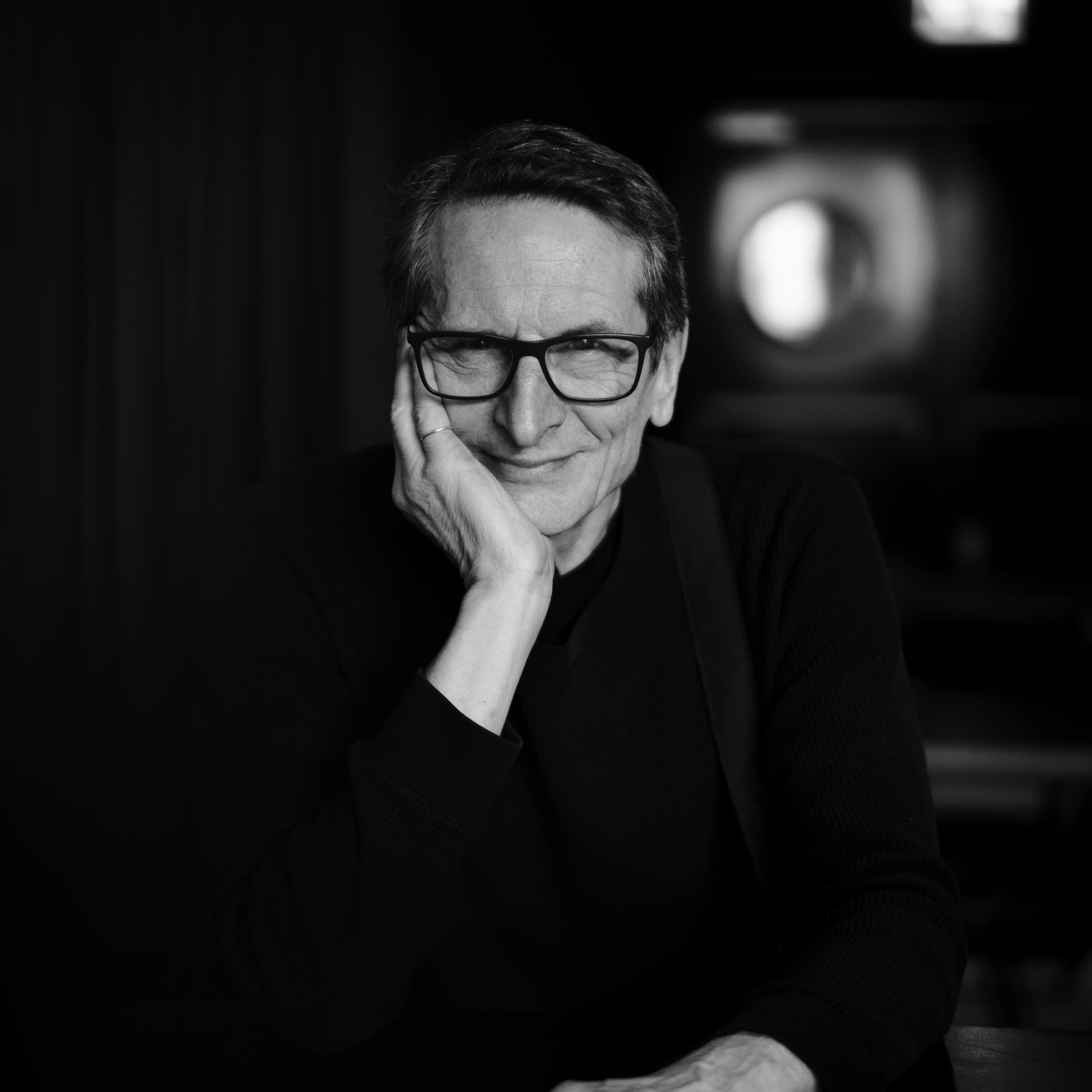
Later, other ports called. At 18, when the rest of his friends were Europe-bound, Girard was snagged on an image he’d seen of the Hong Kong harbour. So he crossed the Pacific on a freighter in the summer of ’74. He spent the next few years photographing his way through Asia, mostly travelling by sea. In 1982, he moved to Hong Kong, then began what he calls the “magazine years”: two decades of photography assignments for marquee titles like Time, Newsweek and Fortune. Girard spent 12 years in Shanghai, documenting the city’s lightspeed hurtle into hypermodernity. Then, once China’s star was in ascendance, he went home.
When Girard returned in 2011, Vancouver was a city transformed. Global capital had flooded the coastal outpost, making it a place of glass: glittering skyscrapers, glossy restaurants. But there was something familiar about those winds of change, he thought—something that spoke of late-’90s China. Development was overtaking farmland, the mass-transit system was expanding and high-rise residential buildings were unfurling above new stations. The pace of urbanization was more gradual than in Asia’s tiger economies, but the centre was still creeping outward, metabolizing its own outskirts. And, post-9/11, the working waterfront had been fenced off, with new security cameras and patrols.
Still, in some way, Girard has made it back to the harbour. The Polygon Gallery, nestled along the North Vancouver docks, is staging the first-ever retrospective of his work. The show runs from July 10 to October 25 and features 160 images from across his career—spanning Hong Kong, Tokyo, Shanghai, Hanoi and, of course, Vancouver. Below, Girard tells the stories behind some of his most iconic hometown images, then and now.
Related Posts
How the Olympics Remade Montreal

How to Win the Westminster Dog Show
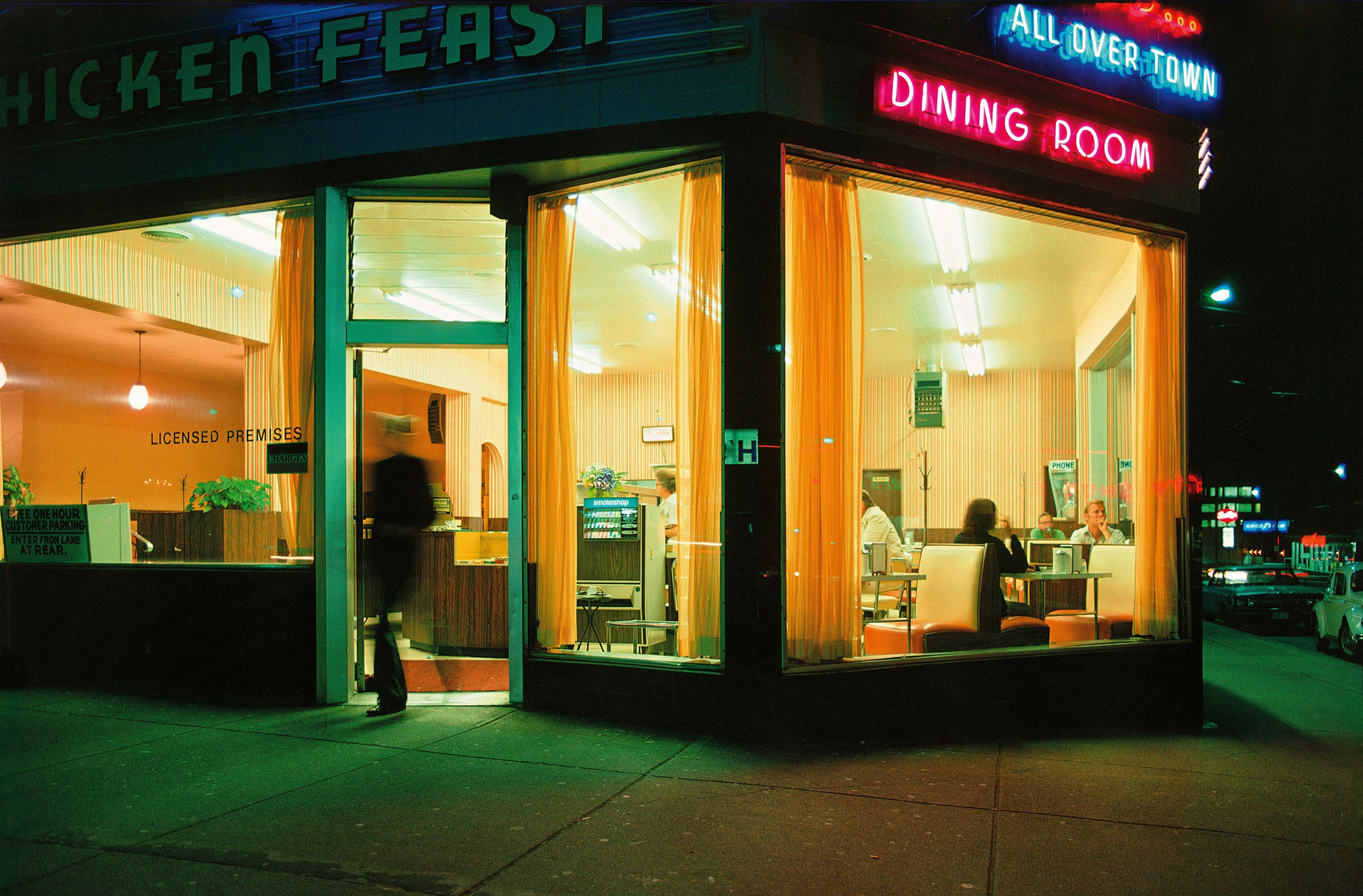
↑ Aristocratic Restaurant, 1975: “This place had the kind of neon signs that Vancouver was known for in an earlier time. Even in the ’70s, this scene would have looked a bit dated. Colour film is balanced for daylight, but there’s none in this scene, so the film picks up these colour casts from the artificial light. You could never be sure what the film would look like when you got it back, so trial and error was part of the craft.”
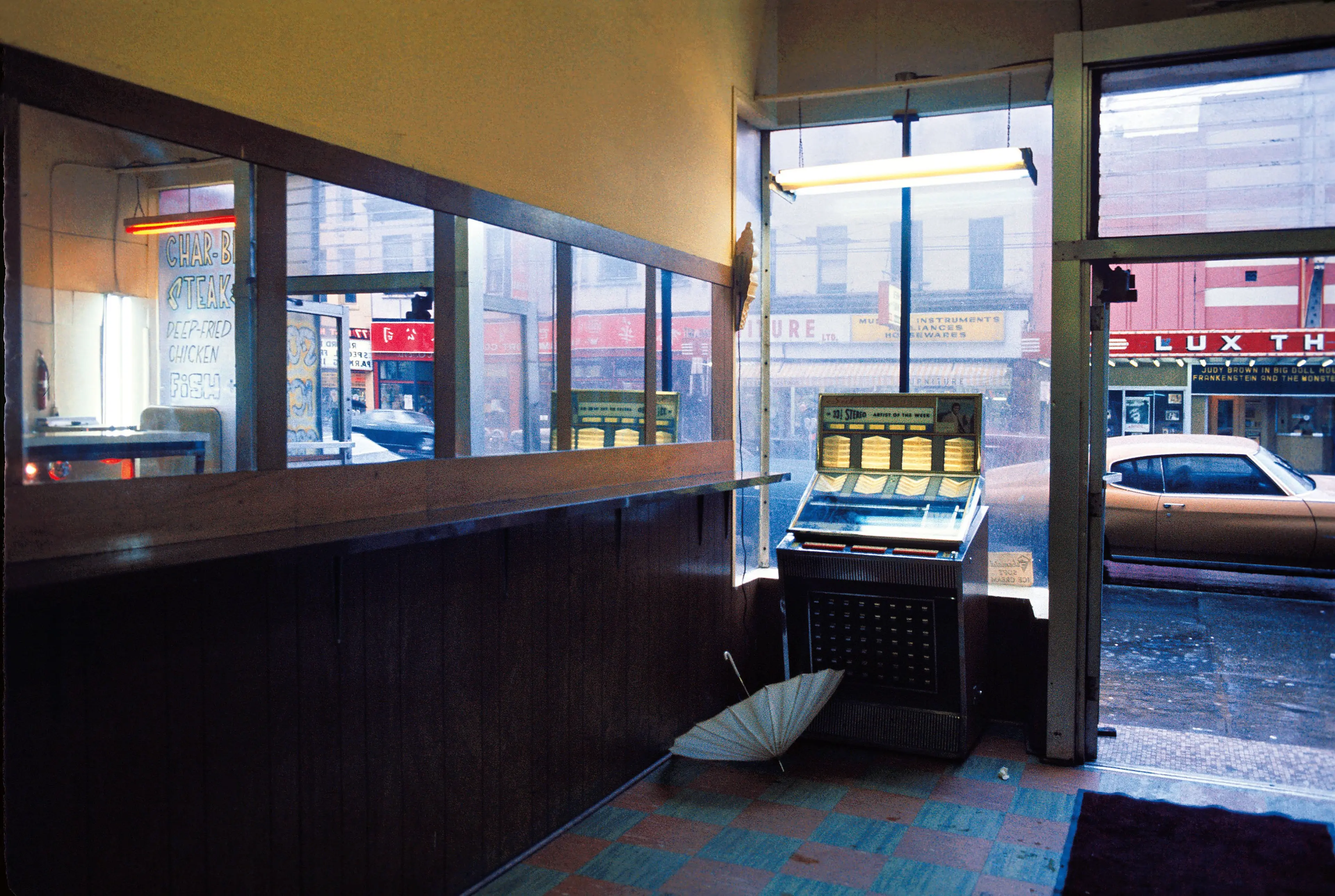
↑ Jukebox and Umbrella, Vancouver, 1975: “This is a fast-food place called Steams, on East Hastings Street. I spent quite a bit of time there when I first discovered that part of the city. People used to congregate there to plan their next petty crime or whatever they needed to do to survive the day.”
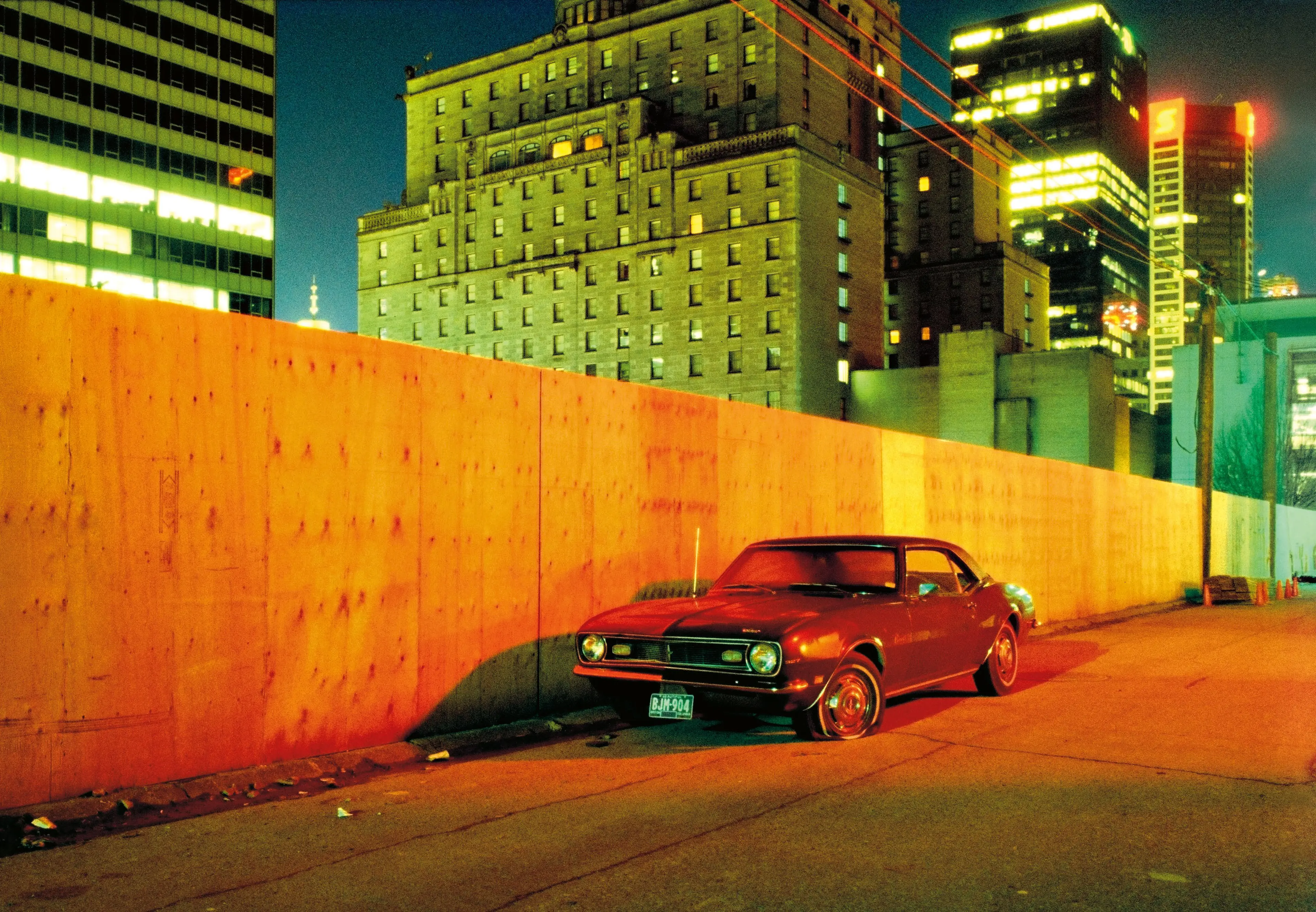
↑ Camaro in Alley, 1981: “Before I left Vancouver in 1982, I was driving a taxi at night to earn money. At the end of the night shift, I’d drop my car back at the lot. Often, I carried my tripod in the trunk, then walked up the street and had my dinner, at three or four in the morning, at an all-night restaurant downtown. I was living at the Lotus Hotel at the time and, on the way home, I’d take pictures in the streets and alleyways. In this picture, it’s about 4:45 a.m., just before dawn.”
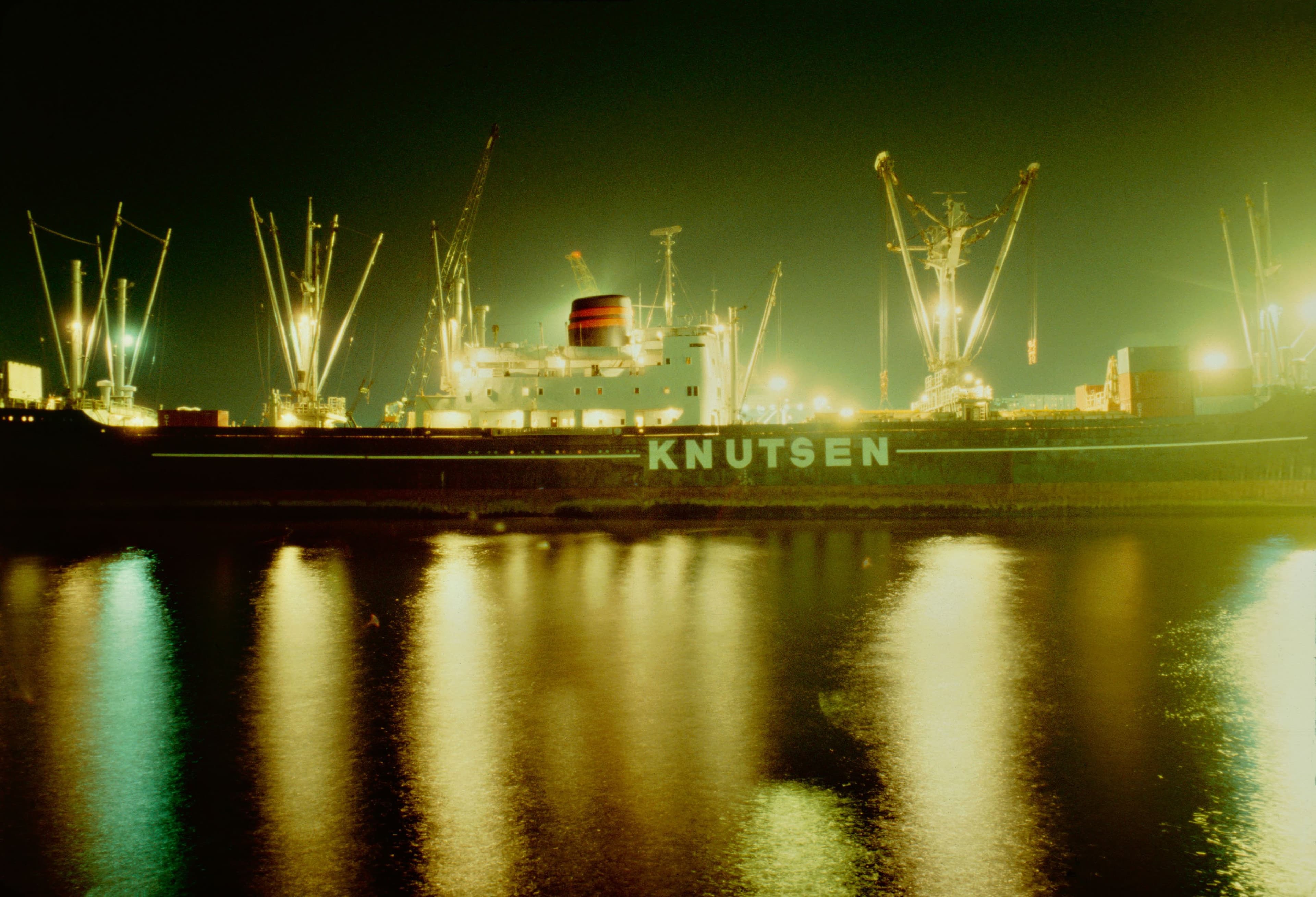
↑ Vancouver Waterfront, 1981: “To me, a picture of a ship looks romantic, inviting and full of possibility. Maybe that’s the thing about growing up in a city where all the roads end at the port. You feel a sense of escape and connection that you don’t get from interior places. From an early age, I was drawn to this kind of thing.”
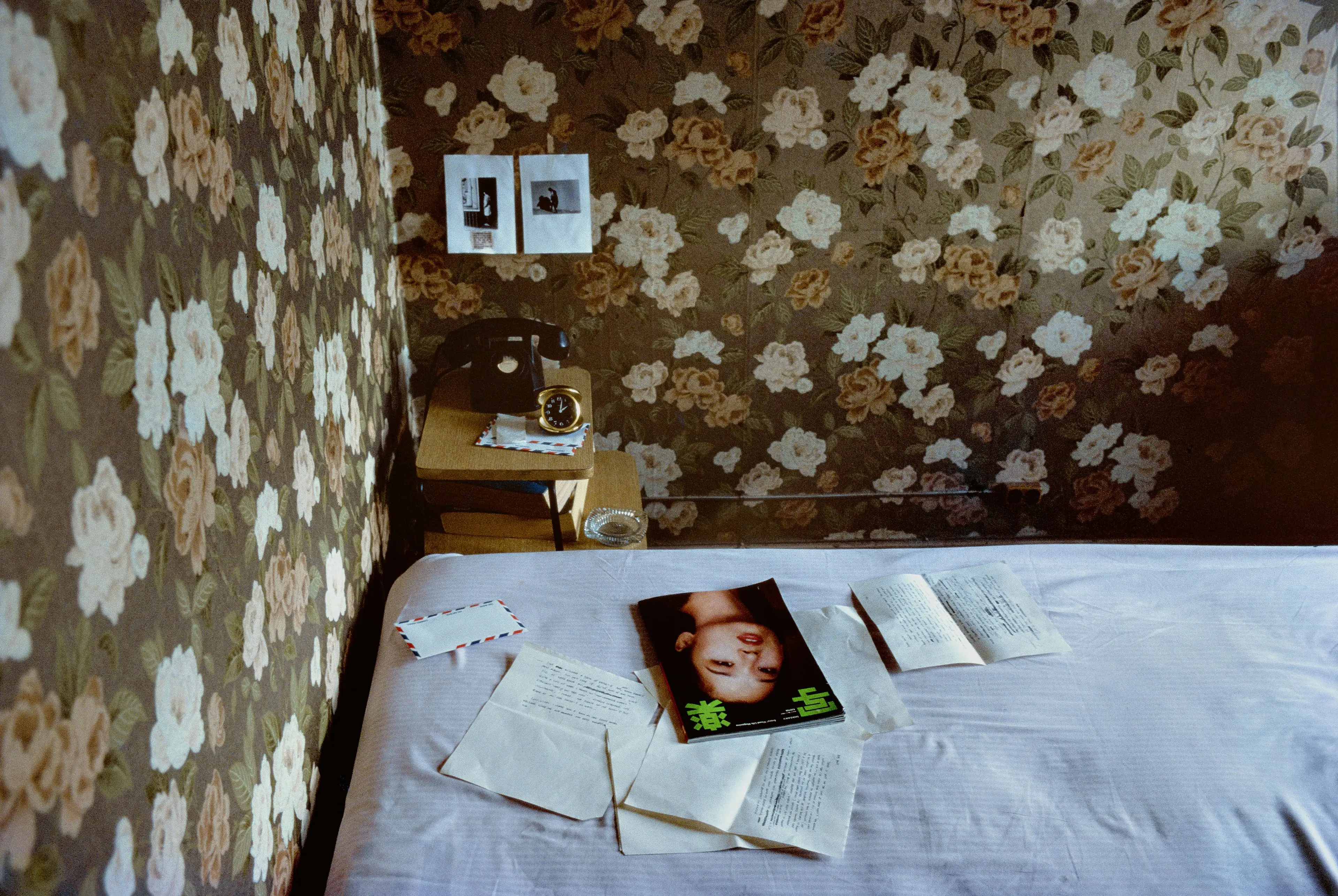
↑ Lotus Hotel, 1982: “I lived in this hotel room in the early ’80s. By this period, I’d already lived in Japan for a stretch, and I was writing letters to friends there, as one did back then, pre-internet. In Vancouver, there was a store that sold magazines and books from Japan, and I bought them to keep my interest in that part of the world alive. So this was just what my room looked like in 1981 or 1982, when I was planning my next escape.”
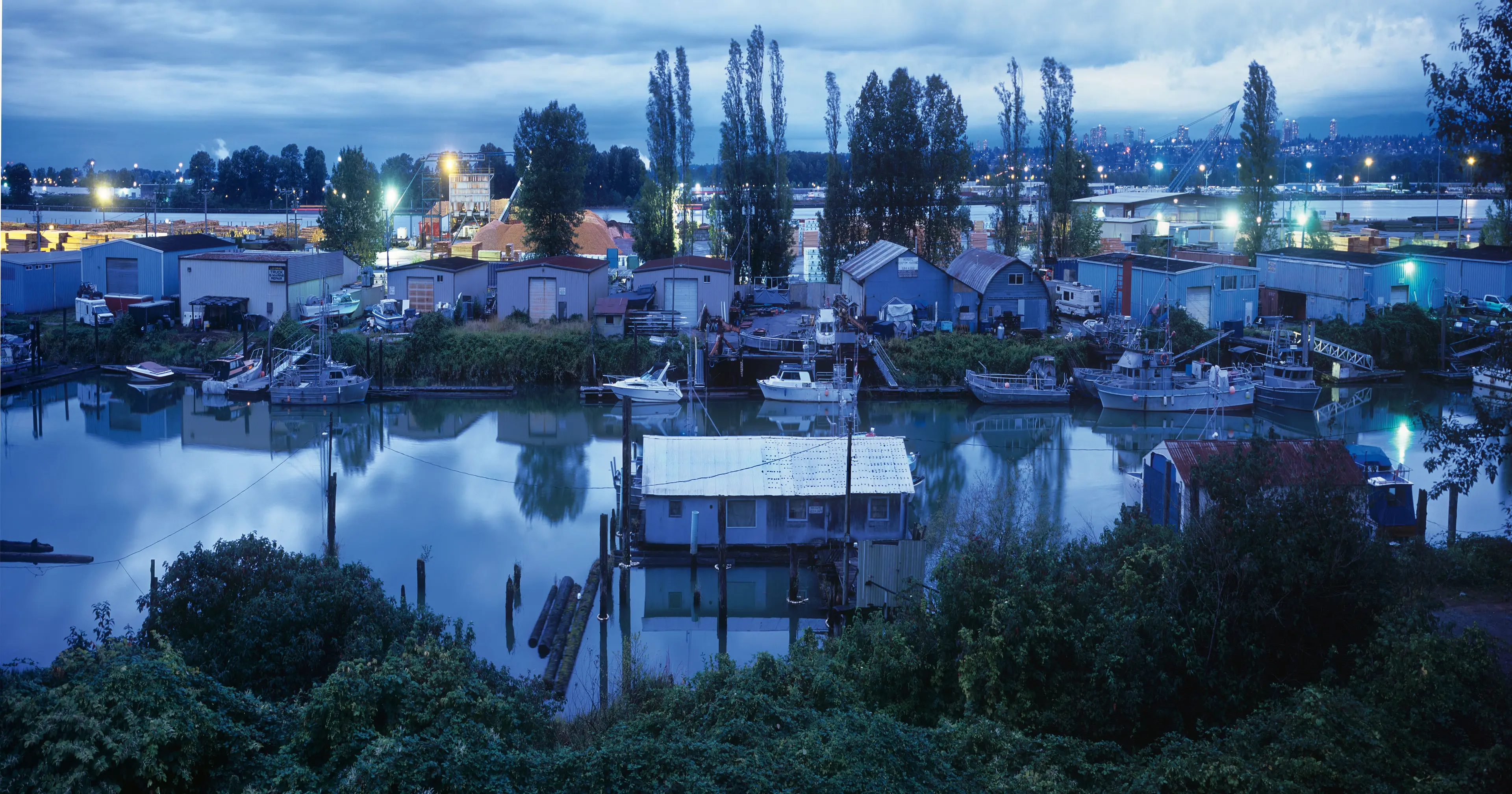
↑ Riverfront, Delta, 2013: “This is a bayou-style riverfront scene, with low-line, smaller vessels and a scruffy, semi-industrial backdrop. So much of the waterfront around Vancouver and other urban port cities is predicated for residential and recreational use, but its origins are like this—very workaday, without pedestrian walkways and bikeways and benches.”
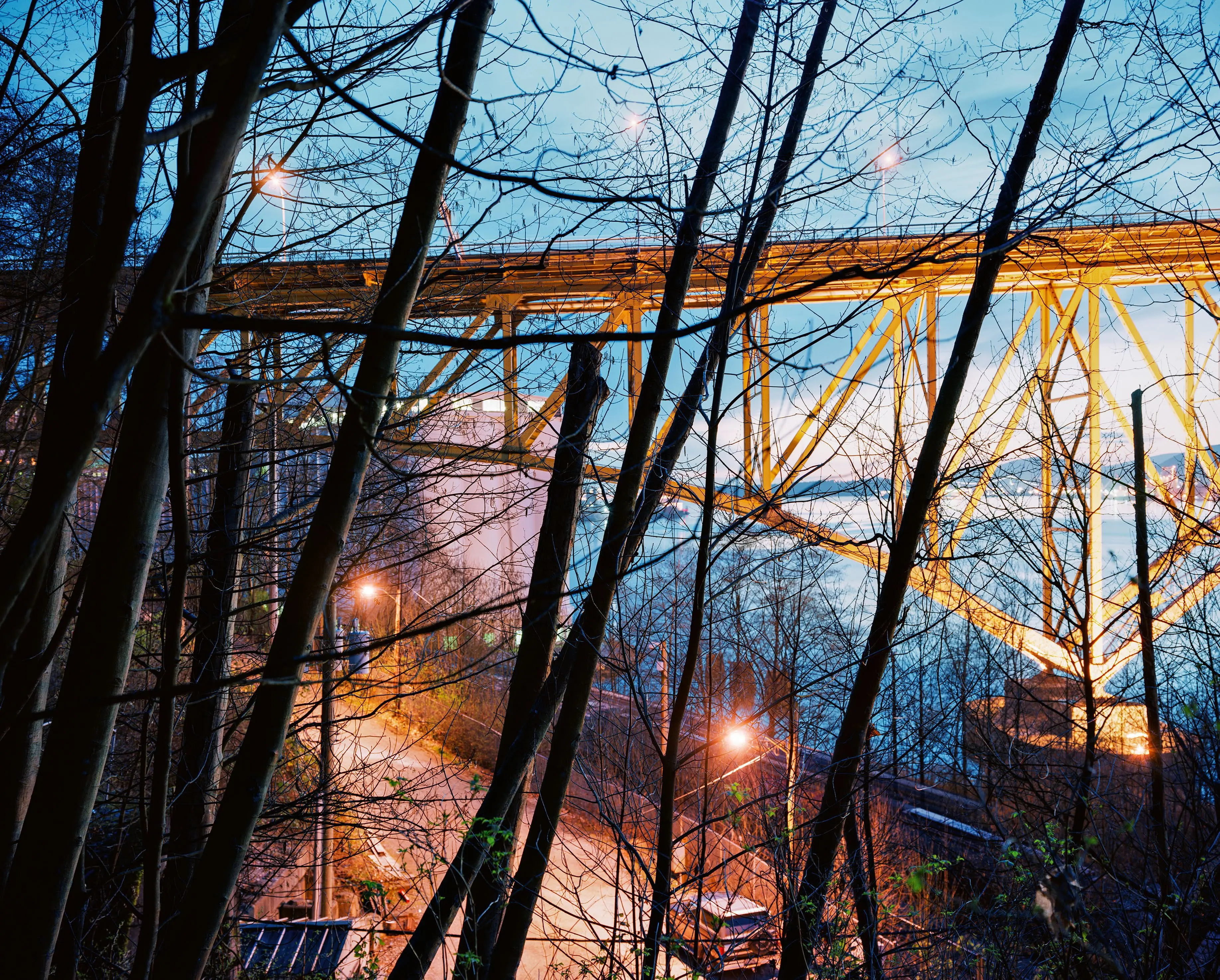
↑ Bridge View Through Trees, 2013: “After I moved back to Vancouver in 2011, I’d go for walks along the water. This is a view of the waterfront through trees: you can see the grain elevators just behind the Ironworkers Bridge. I like pictures that are cramped with layers—either literal visual layers or historical ones. That way, there are lots of things to parse if you pause to think about them.”
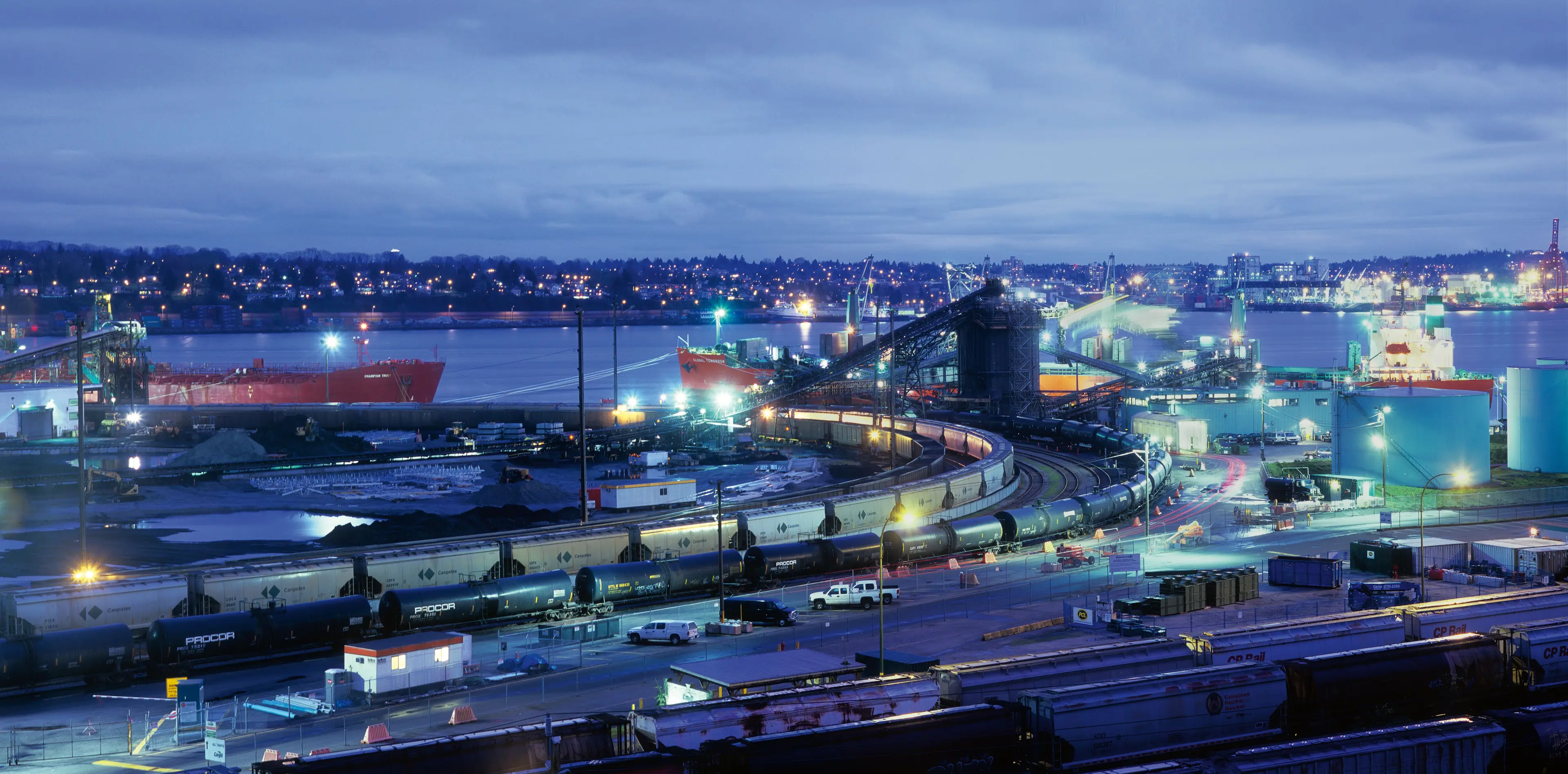
↑ Neptune Bulk Terminal, North Vancouver, 2013: “This is North Vancouver’s working waterfront: a bulk coal terminal, which ships out Saskatchewan potash and B.C. coal. This is what it looks like when your economy is based on resource extraction that gets sent out into the world. Coal arrives on trains, then goes out on ships. It’s messy business.”
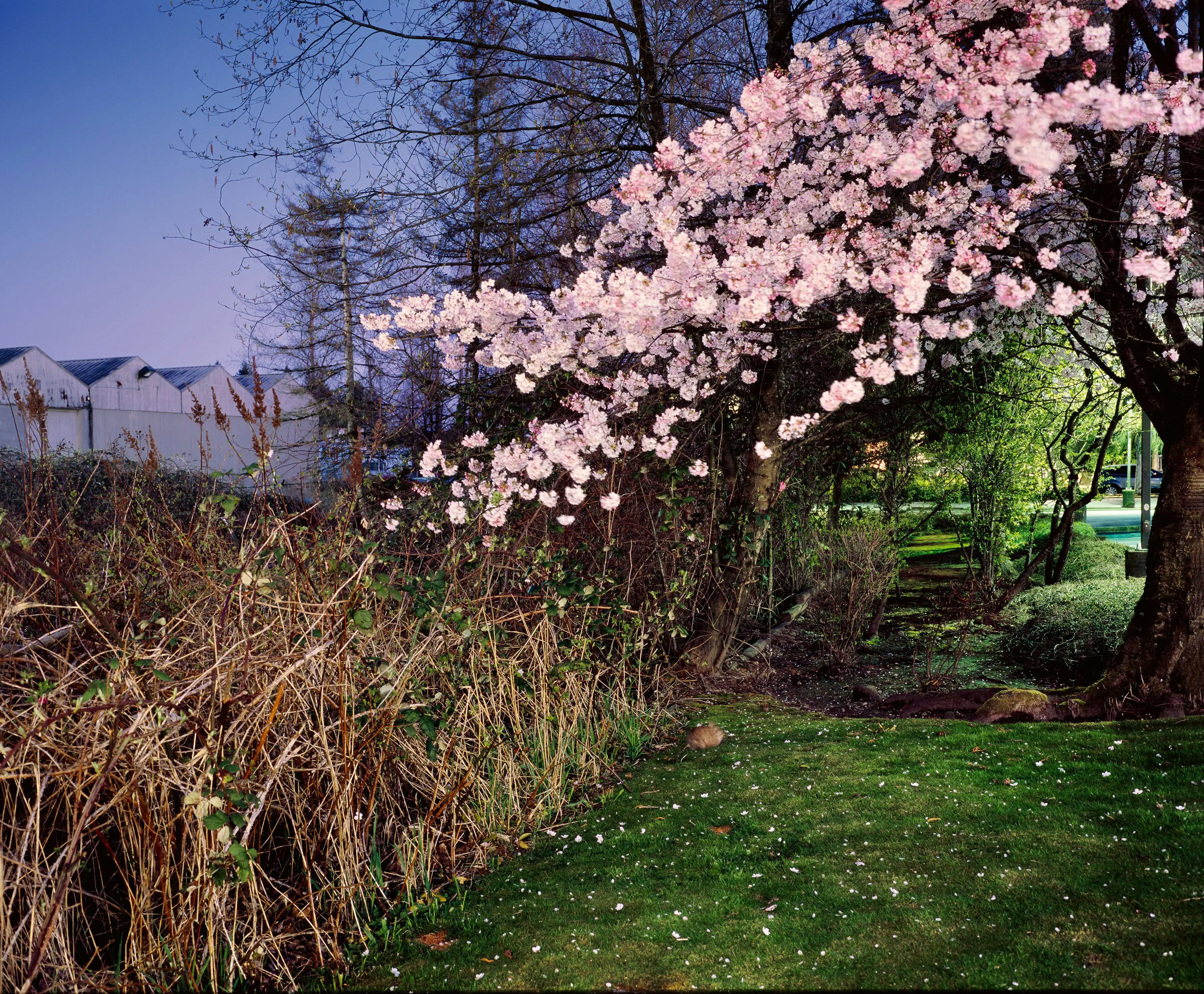
↑ Blossoms (Mixed Use), 2021: “This is in Surrey, where I live now. The title of this picture is ‘Mixed Use’ because there are three kinds of real estate in it. On the right, you see the manicured grounds of a medical building and, on the left, there’s an overrun patch of land. In the background, there are workaday buildings.”
This story appears in the July 2026 issue of Maclean’s. You can subscribe to the magazine here or send a gift subscription here.
What did you think of this story? Send a comment for publication to letters@macleans.ca, and supply your name and address. Comments should be fewer than 200 words, and may be edited for length and clarity.
Related Posts
Canada’s Indiana Jones
The Golden Age of Smut
How My Book, Heated Rivalry, Became A TV Phenomenon

Heated Rivalry Is Anti-Dystopia Art
Get the Best of Maclean’s straight to your inbox.
Sign up for news, commentary and analysis. Join 60,000+ Canadian readers.