The Drifters and Dreamers of Canada’s Lost Greyhound Lines
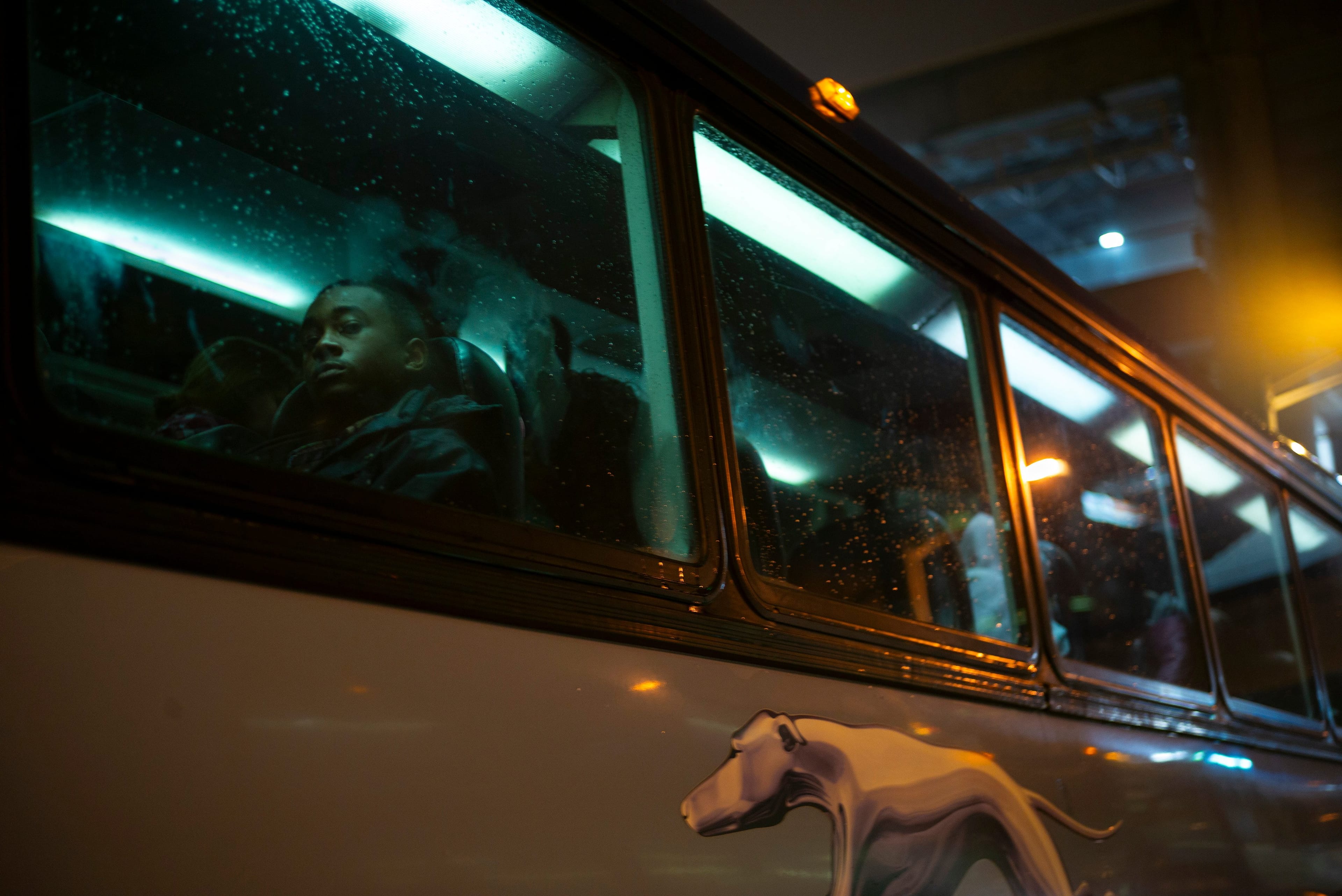
Ian Willms was three years old the first time he saw a Greyhound bus. His parents had split the summer after he was born, and he was in Niagara Falls with his father and his new stepmother. The trip was bittersweet. But there they were, right by the roar of the falls, in a lot lined with tour buses. The sunlight glinted off the vehicles’ chrome bodies, each of them fresh off a long-haul trip or ready to embark. The Greyhound has stuck with Willms ever since. He noticed it in films, TV shows, books and songs. For Willms, and millions of others, the bus was more than a bus. It represented the romance of travel, the chance at a better life elsewhere.
In its heyday, before its Canadian routes shut down, Greyhound built hundreds of terminals across the continent. Many were grand, curvilinear, Art Deco affairs. In 2010, when Willms was 25 and living in Toronto, a photographer he knew travelled through the States on an unlimited ticket, taking pictures of stations in all their antiquated glory. Willms was struck by the bygone era the images evoked.
In 2013, he set off on the 65-hour route from Buffalo, New York, to Los Angeles, expecting to document timeless spaces. Instead he began speaking to other passengers, moved by the intensity of their stories. “There were a lot of people running from something, solely for the purpose of running,” Willms says. Some sought work; others were fleeing the wreckage they felt they’d made of their own lives. There was a darkness to it all, which Willms understood. “I grew up very poor, and Greyhound has always been the way to travel when you’re poor,” he says.
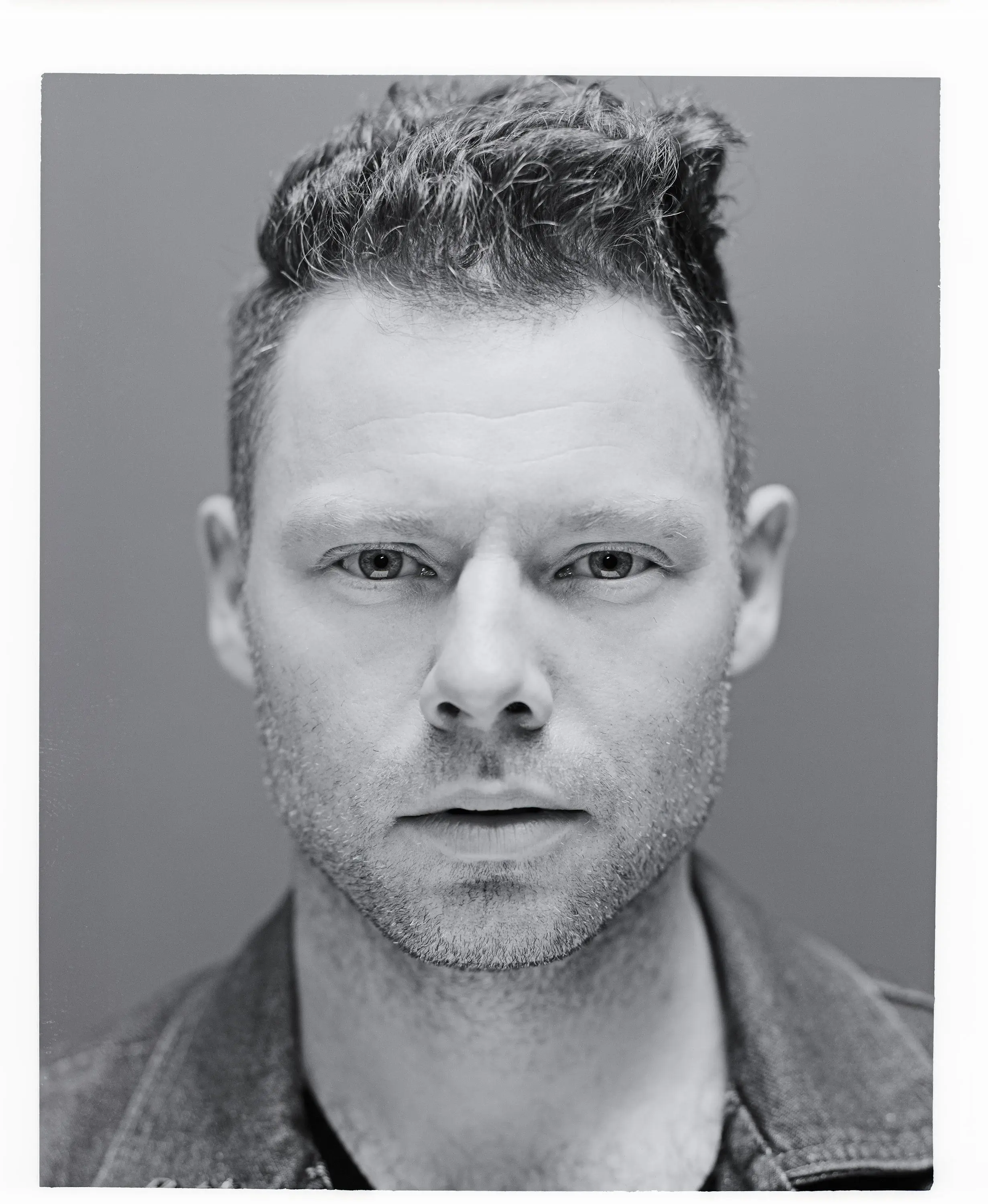
Over the next seven years, Willms racked up close to a thousand hours on Greyhounds. He’d choose a destination, sometimes based on a friend he could visit, then board a bus. If he was lucky, he’d snag one of the three good seats: by an unobstructed passenger-side window, clear of both the stench of the toilet in the rear and the chill from the leaky hatch near the door. He’d lean back, with one knee jammed against the seat in front of him, and doze off in half-hour intervals as his legs went numb. Real rest was scant. Everything jostled, announcements were frequent and the bus flooded with jarring light whenever it pulled into a station. Those stations were where Willms got to know his fellow passengers: a woman seeking stripper work in New Orleans, a drug addict all-in on starting over in Phoenix, a freshly released ex-con headed home to Des Moines. He’d ask what their stories were and take their portraits.
In America, the Greyhound shuttled people from one urban centre to the next; in Canada, it was a lifeline to the country’s rural expanse. But in 2018, the company stopped serving the West; three years later, it closed all remaining intercity operations in Canada. (Greyhound still operates cross-border routes.) In its wake, a shoddy patchwork of transport options—Megabus, Via Rail, hitchhiking—nudged far-flung communities into further precarity. “A lot of these places are connected to highways, but for people who don’t own cars, the community might as well be fly-in,” says Willms.
Related Posts

How to Win the Westminster Dog Show

Canada’s Indiana Jones
More than 120 photographs from his travels appear in a new book, The Hound; a smaller selection are on show at Toronto’s Towards art gallery from May 7 to 30, as part of the Contact Photography Festival. “Greyhound isn’t just a freak show,” Willms says. “Bad things happen and beautiful things happen. It’s just existence, and survival, and maybe the pursuit of something a little bit better.” Below, he shares some of the most poignant photos from the series.

↑ Calgary, 2018: “The city has an impressive Greyhound building in a weird hole full of highway overpasses, where there’s nowhere to walk. There’s a great novel by J.G. Ballard called Concrete Island, about a wealthy but unlikeable businessman who crashes his car into a void between a bunch of major highways. Because he’s injured, he can’t get out, so he has to survive in that pit in an endless metropolis. That’s how it feels to come out of this station.”
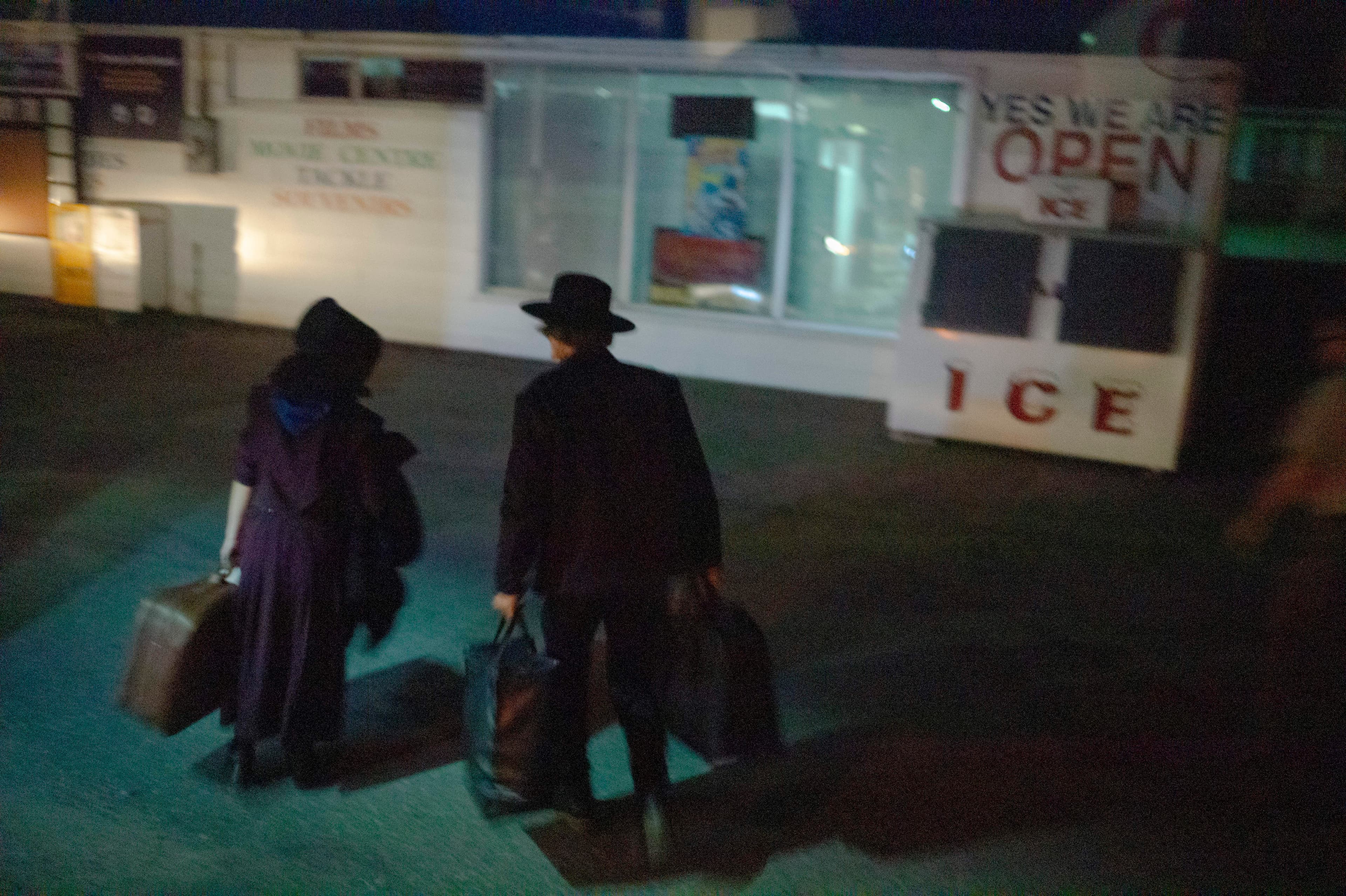
↑ Iron Bridge, Ontario, 2018: “These are some of my brethren—I come from Russian Mennonites, although I don’t observe any religion. A lot of Mennonites used the bus in Canada and the States, because the more conservative ones don’t have cars. They travelled for medical appointments, or between colonies in Canada and Mexico as migrant farm workers. At some Greyhound stops in the middle of nowhere, I’ve seen their families come to pick them up with a horse and carriage.”
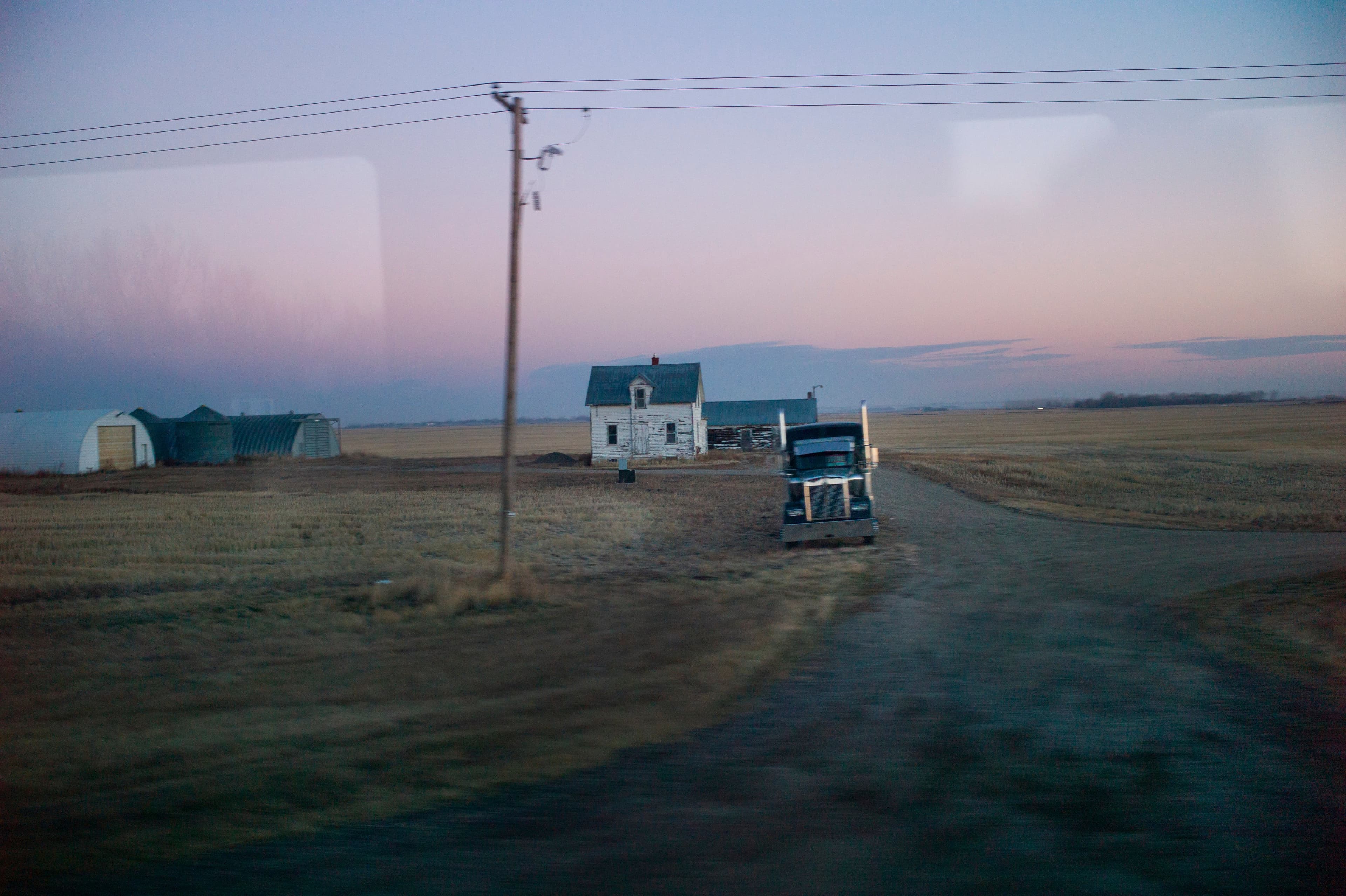
↑ Rural Saskatchewan, 2018: “One of the nice things about taking a bus all night is waking up and watching the sunrise as you move along the landscape. You can see the reflection of the other side of the Greyhound’s windows, too, which I had to embrace in this project. A lot of my photos are taken through windows, so they’re not as sharp—there’s grease or reflections. It’s a low-fidelity photography project.”
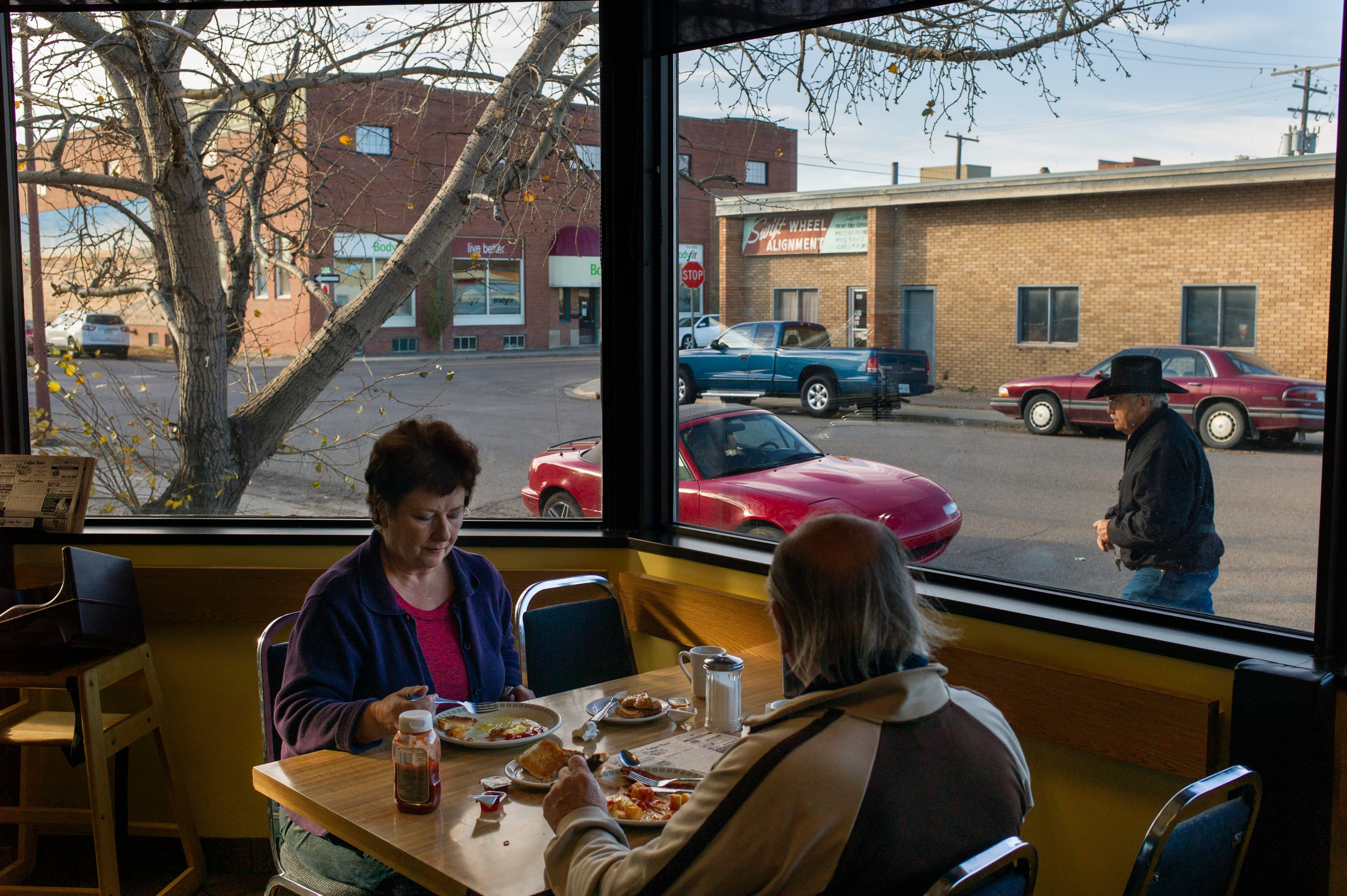
↑ Swift Current, Saskatchewan, 2018: “This diner was built into the bus station, and I talked to this couple while they were eating. To get this photo the way I wanted, I had to do what we call a Hail Mary and hold the camera above my head. And then of course, this dude with the cowboy hat came through and made it all work. I think this is the best photo in the whole project. I’m trying to present these images in a way that makes the time period difficult to identify, and rural Saskatchewan has that feeling that I’m going for: this could have been taken anytime in the last 20 or 30 years.”
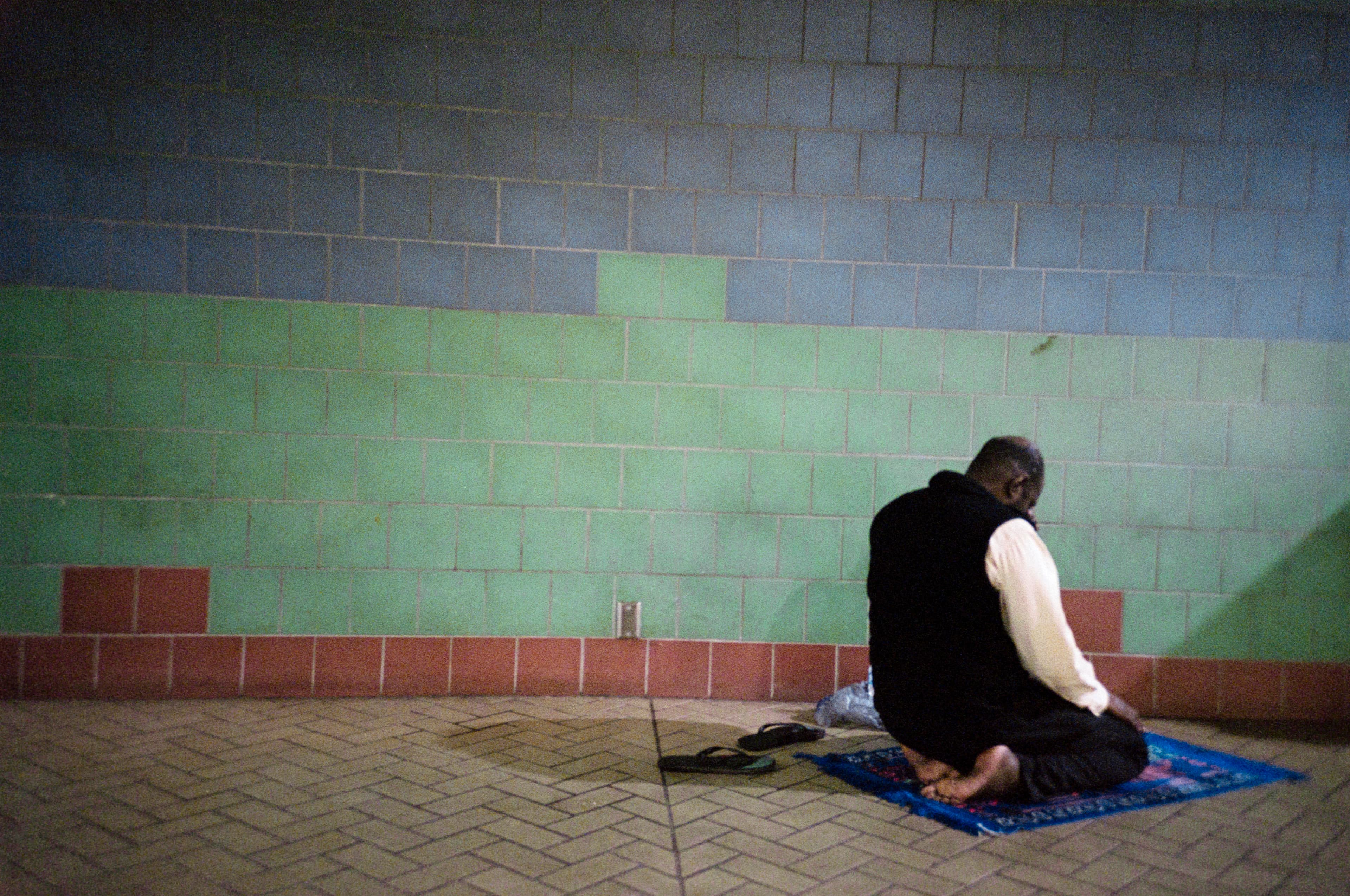
↑ Indianapolis, 2013: “It’s not lost on me that this guy is praying right there in the bus station, in a country—and a state—that’s not warm and welcoming to his religion. And I didn’t realize it at first, but the mosaic behind him is actually a landscape: there’s the earth at the bottom, then grass, then the sky.”
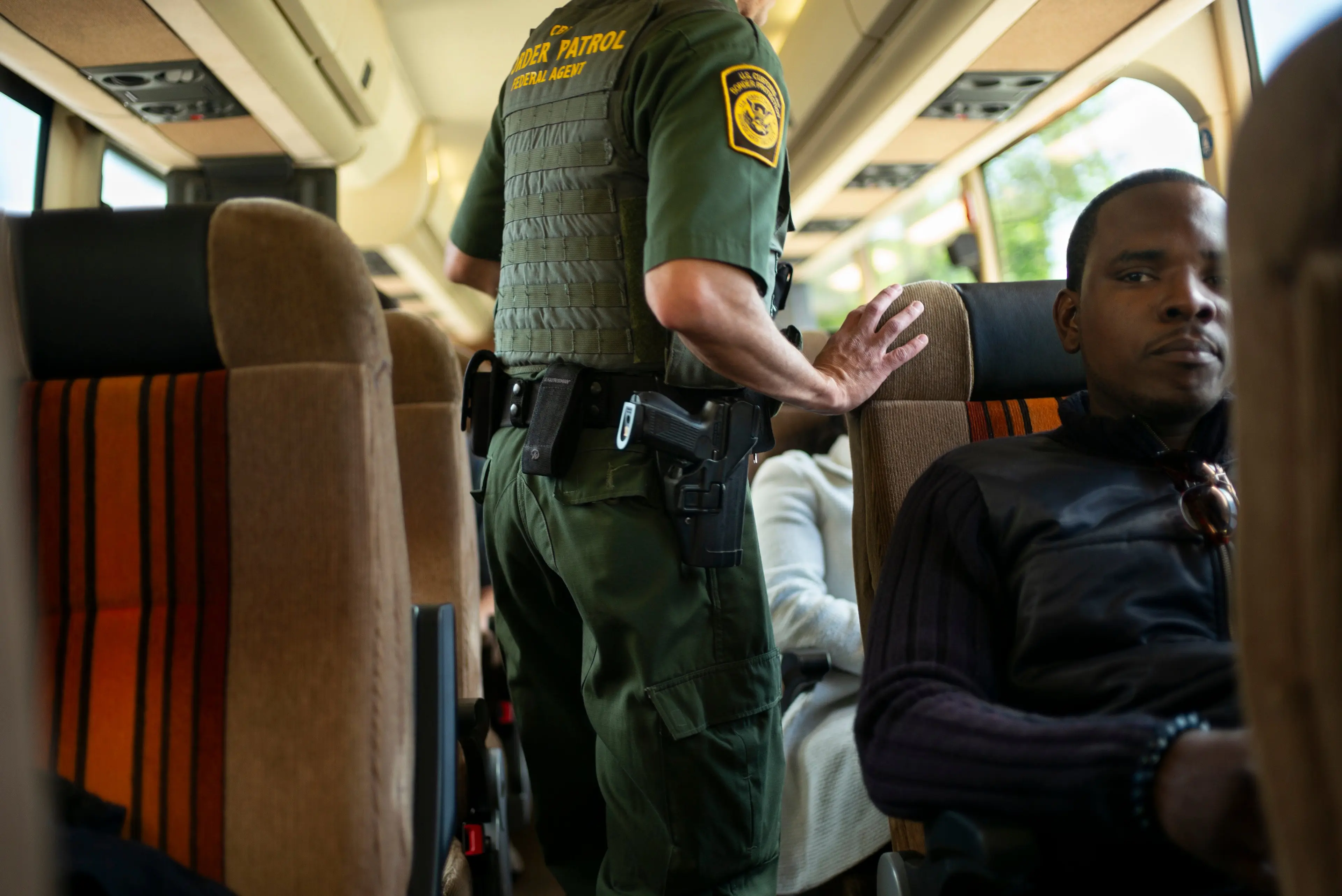
↑ New York state, 2013: “This was an immigration inspection—a surprise to me, because usually they’re done closer to the Mexican border. Here, we weren’t at a border crossing. The bus just pulled over, and an agent got on and checked everybody’s passports.”
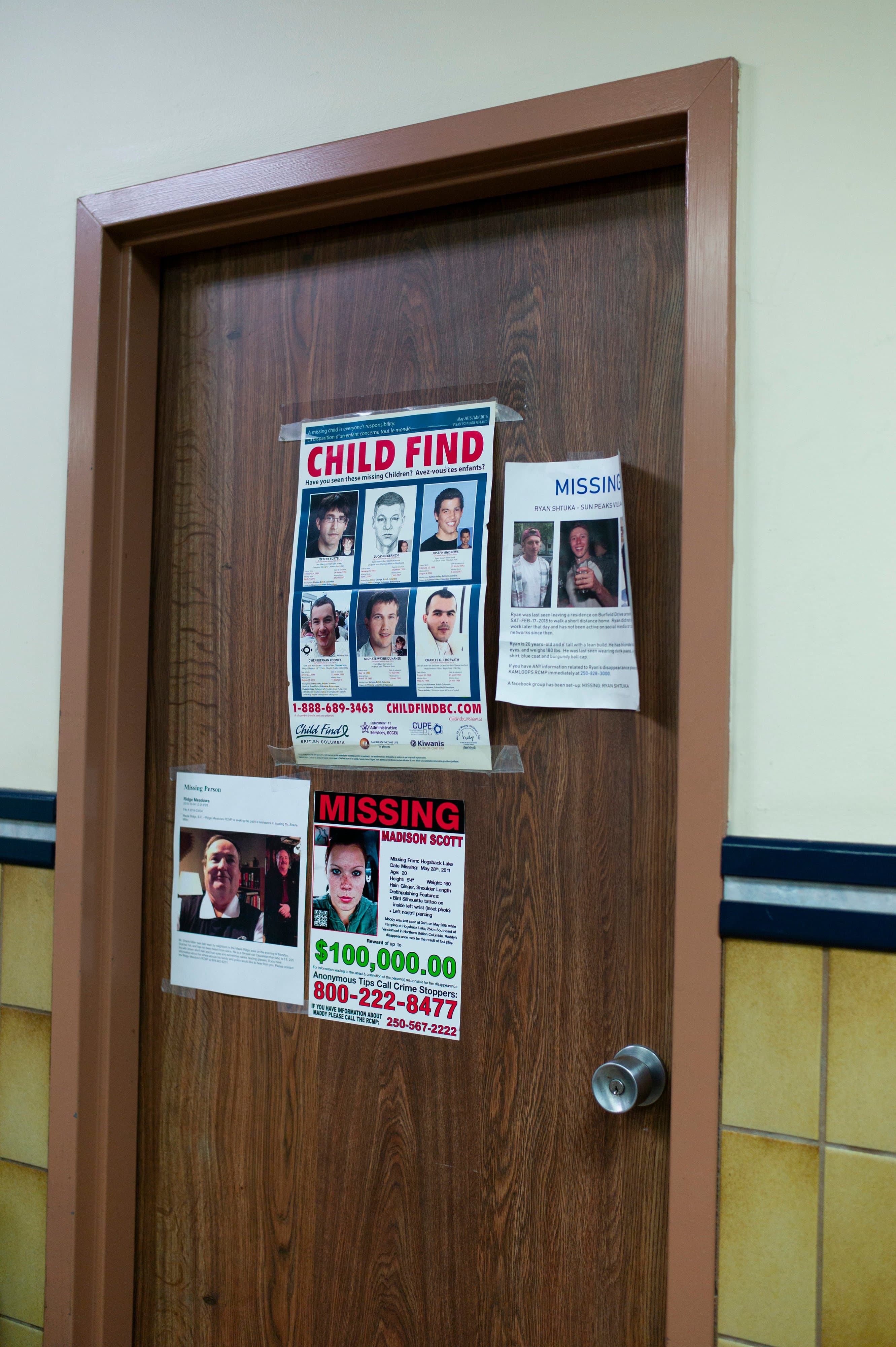
↑ Kamloops, B.C., 2018: “I was close to the Highway of Tears here, where there were a lot of missing persons posters. Greyhound Canada stopped running in the area in 2018. At the time, missing and murdered Indigenous women were front and centre in the media. For a lot of these communities, the bus was the difference between a safe ride and hitchhiking. When Greyhound pulled out and the federal government seemingly did nothing about it, to me that sent a clear message about their priorities.”
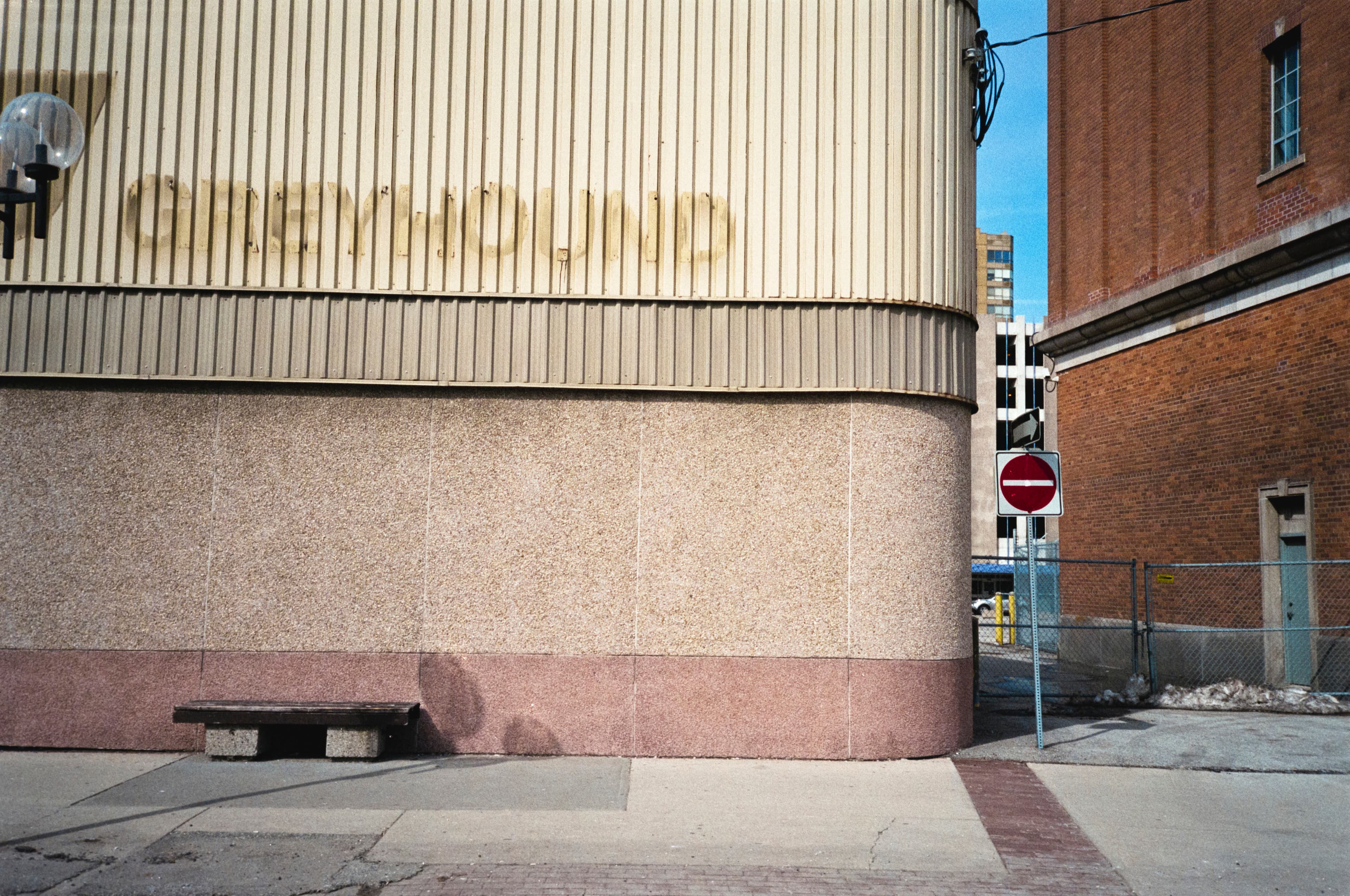
↑ Windsor, Ontario, 2013: “This photo of the city’s old Greyhound station shows the company cutting service. I think one of its biggest problems is that people associate it with bad things. In 2008, Greyhound started an ad campaign that said, ‘There’s a reason why you’ve never heard of bus rage’—and then Tim McLean was tragically attacked and decapitated on a Greyhound bus in Manitoba.”
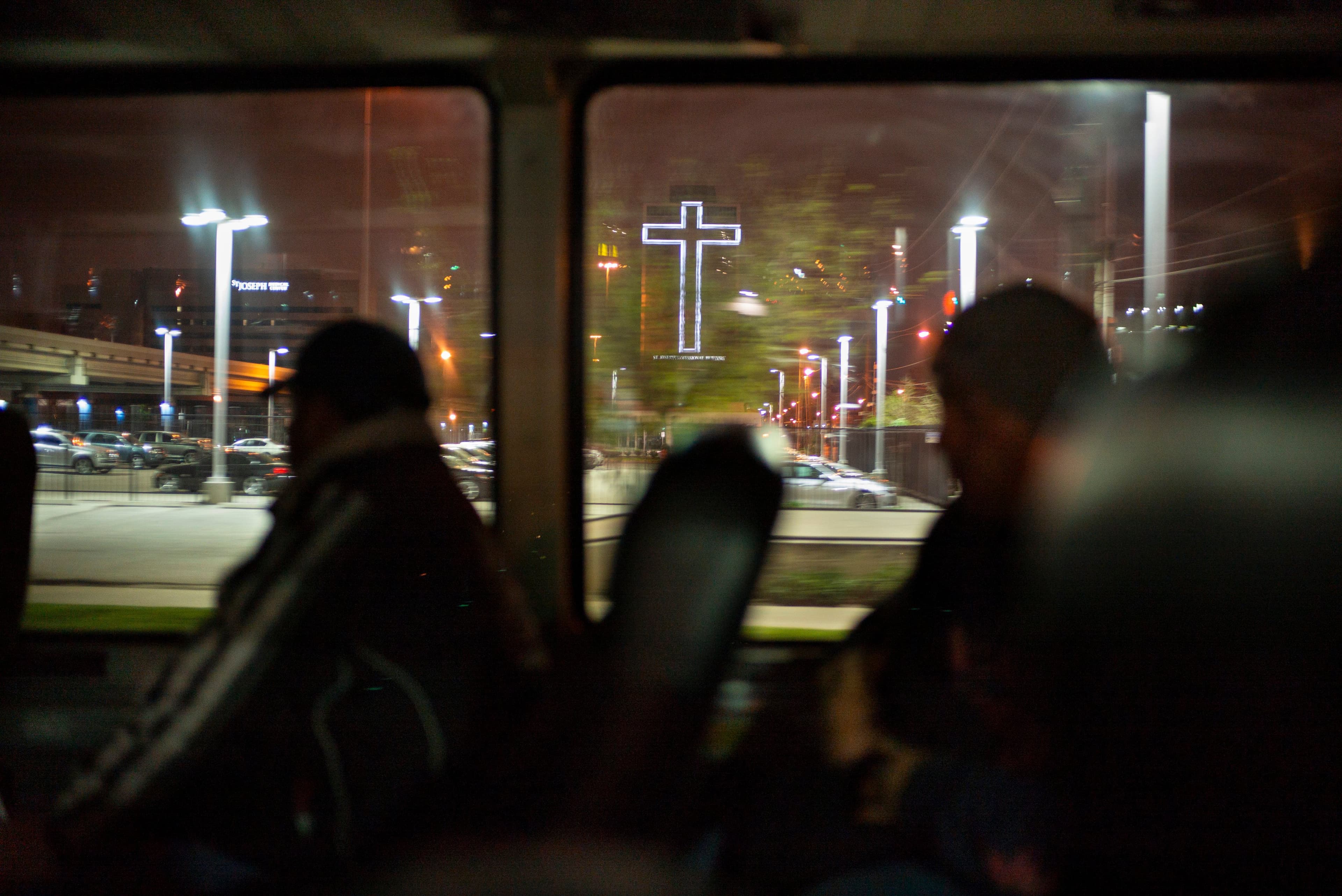
↑ Houston, 2014: “This might have been a hospital, with a giant cross on its side. I think Texas feels like it has to live up to all of the Texas catchphrases, like ‘everything’s bigger in Texas.’ Every once in a while, you come up against a symbol of that attitude. This photo was a lucky catch, because I grabbed my camera and clicked the shutter just as the cross was square with the bus.”
This story appears in the June 2026 issue of Maclean’s. You can subscribe to the magazine here or send a gift subscription here.
What did you think of this story? Send a comment for publication to letters@macleans.ca, and supply your name and address. Comments should be fewer than 200 words, and may be edited for length and clarity.

Jadine Ngan is a National Magazine Award-winning journalist based in Toronto, with bylines in the Walrus, Toronto Life, and Broadview. Currently, she is the digital editor at Maclean’s.
Related Posts

How the Olympics Remade Montreal

How My Book, Heated Rivalry, Became A TV Phenomenon

Heated Rivalry Is Anti-Dystopia Art

The Golden Age of Smut
Get the Best of Maclean’s straight to your inbox.
Sign up for news, commentary and analysis. Join 60,000+ Canadian readers.