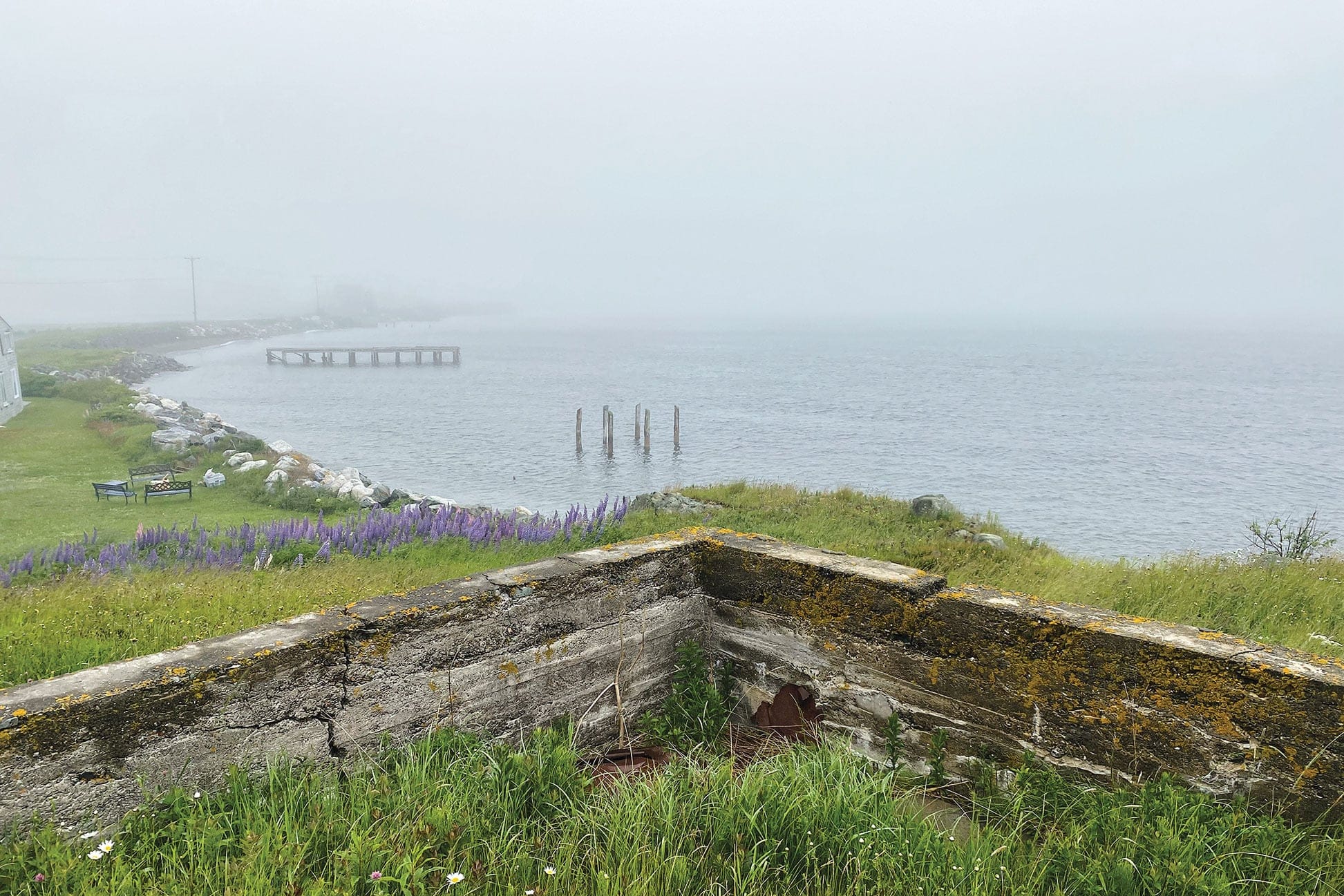
The Changing Ways of A Secluded Island
Twice a day, every day, the Atlantic rushes the Bay of Fundy, a deluge of more water than all the world’s rivers combined. These are the most dramatic tides on Earth, high enough to flood a four-storey building. That’s where Grand Manan, population 2,500, rises out of the waves. To this day, the island remains reachable only by boat, which has kept it a decade or two out of pace with the mainland. Even its roads remained nameless, its homes unnumbered, until the ’90s. Instead, life on Grand Manan has always unfolded with the ebb and flow of the waters. On its eastern shore, there’s a baseball diamond that faces out onto the sparkling bay. A fishing-line fence marks the bounds of the outfield; at high tide, when a player hits a home run, the ball splashes and bobs in the waves.
Nearly a century ago, Peter Cunningham’s scientist father began studying fog there. He kept at it every summer for 70 years. In the warm months and at Christmas, their family journeyed up to the island from Boston and, decades later, Cunningham remembers a childhood spent treewatching from the back of the family’s red Studebaker and tossing stones at tin cans. Back then, he wanted nothing more than to be a fisherman like his father’s friends. At sunrise, just before the men took him out on the water, he’d trail fishing-boat captain Myhron Tate along the wharf. In Cunningham’s memory, he’s reaching out for Tate’s keys, his head just above hip level. “It was like walking with your gods,” he says. “That was my mythology.”
But Cunningham’s curiosity about the wider world won out, and he wound up working as a photographer in New York City. His first gig came in ’73: Columbia Records paid him $25 to snap the first pictures of a newly signed New Jersey musician. The artist’s name? Bruce Springsteen. In 1982, Cunningham did the same for a fledgling Madonna. Still, Grand Manan was where he felt most at home. Every year, he returned to the island and its people—fishermen, clamdiggers, bakers, seaweed harvesters. New York City was a cacophony of billboards and lights; Grand Manan, it seemed, didn’t know what an ad was. Then, one day, Cunningham noticed an enormous Coca-Cola billboard by the baseball diamond. Change was lapping up against the shore.
Not long ago, many island families had their own boat, each boat its own wharf. Residents would refuse a fish dinner that had been netted or dragged—it didn’t compare, they knew, to hand-lined catch. Even now, a Grand Manan fisherman can drop a weighted line into a heart-shaped weir, lay a finger on it and know by feel when it’s time to gather the nets. And even now, the fate of school supplies and gasoline rests on the bounty of the fall lobster catch. But the Bay of Fundy’s waters are warming faster than almost anywhere else in the world, and a way of life is going out with the tide. The shoals of fish are thinning; some say they’ve eloped to cooler waters. Shoreside homes, which once sheltered fishermen through the biting winter storms, now offer rooms with a view to artists and remote workers. The roads are paved, a central supermarket is stocked from off-island and corporations are buying out licences from aging fishermen. In 2013, the deteriorating Grand Harbour lighthouse collapsed into the sea.
Cunningham, who has known six generations of islanders, documents Grand Manan’s transformation in a new book called Disappearing Before Our Eyes. The project contains more than 200 photographs, some dating back to the ’70s. “Now, the kids I tossed baseballs with are retired fishing-boat captains, and I photograph their grandchildren,” Cunningham says. He’s soaked the island’s past in; this book is his way of passing it on. “I want them to know where they came from.” Below, Cunningham tells the stories behind some of the images in his book.
Related Posts

Heated Rivalry Is Anti-Dystopia Art

How My Book, Heated Rivalry, Became A TV Phenomenon
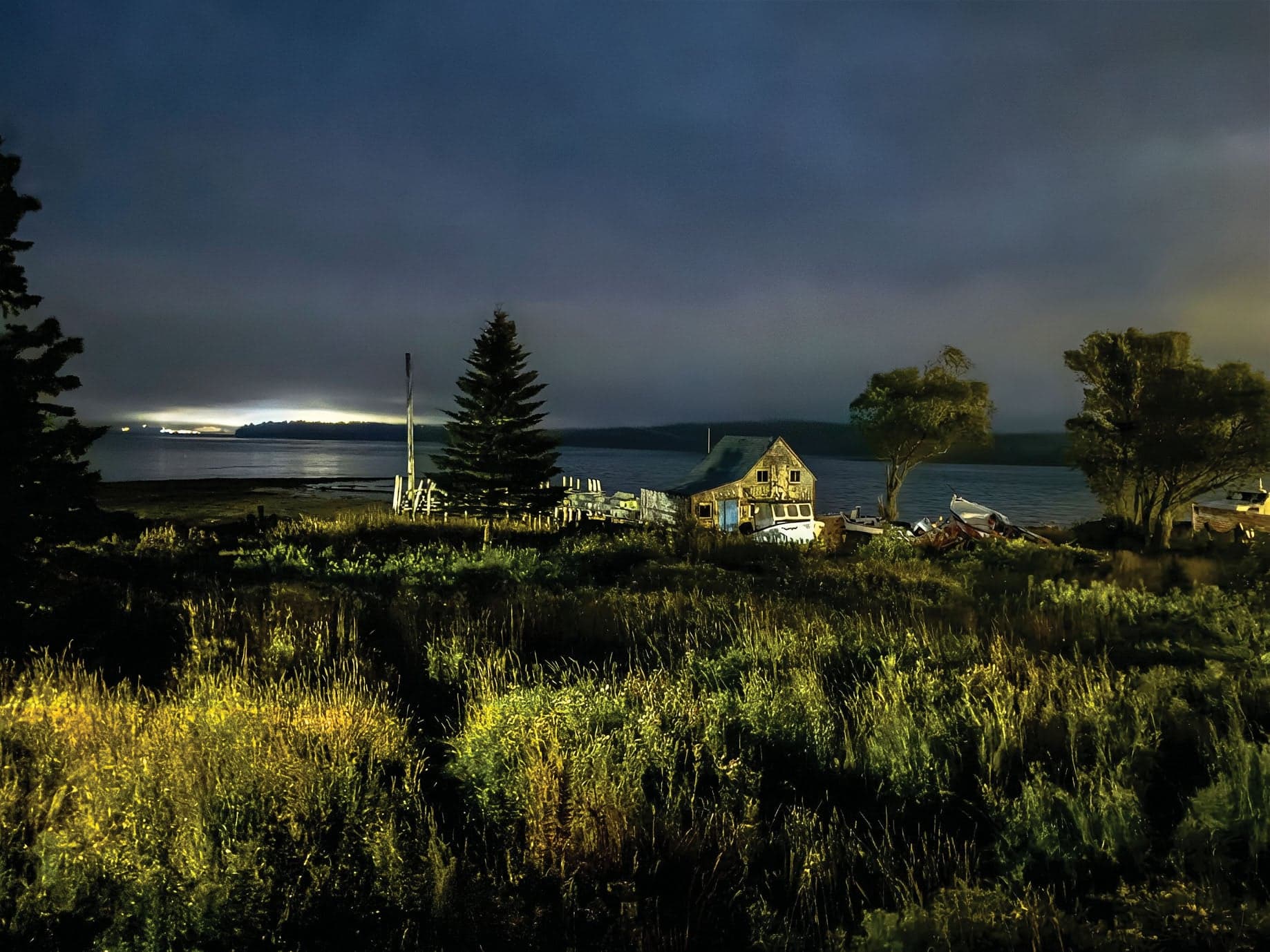
↑ Tate Shed, 2025: “I took this photo of the Tate Shed from the deck of my house. It was built by a fisherman named Lester Tate; he and his wife, Eva, took my father in as one of their own. The land passed from the Tates into the hands of an off-island salmon corporation, which held it for about 20 years. In 2017, the corporation generously sold it back to me and the Tate family for one dollar.”
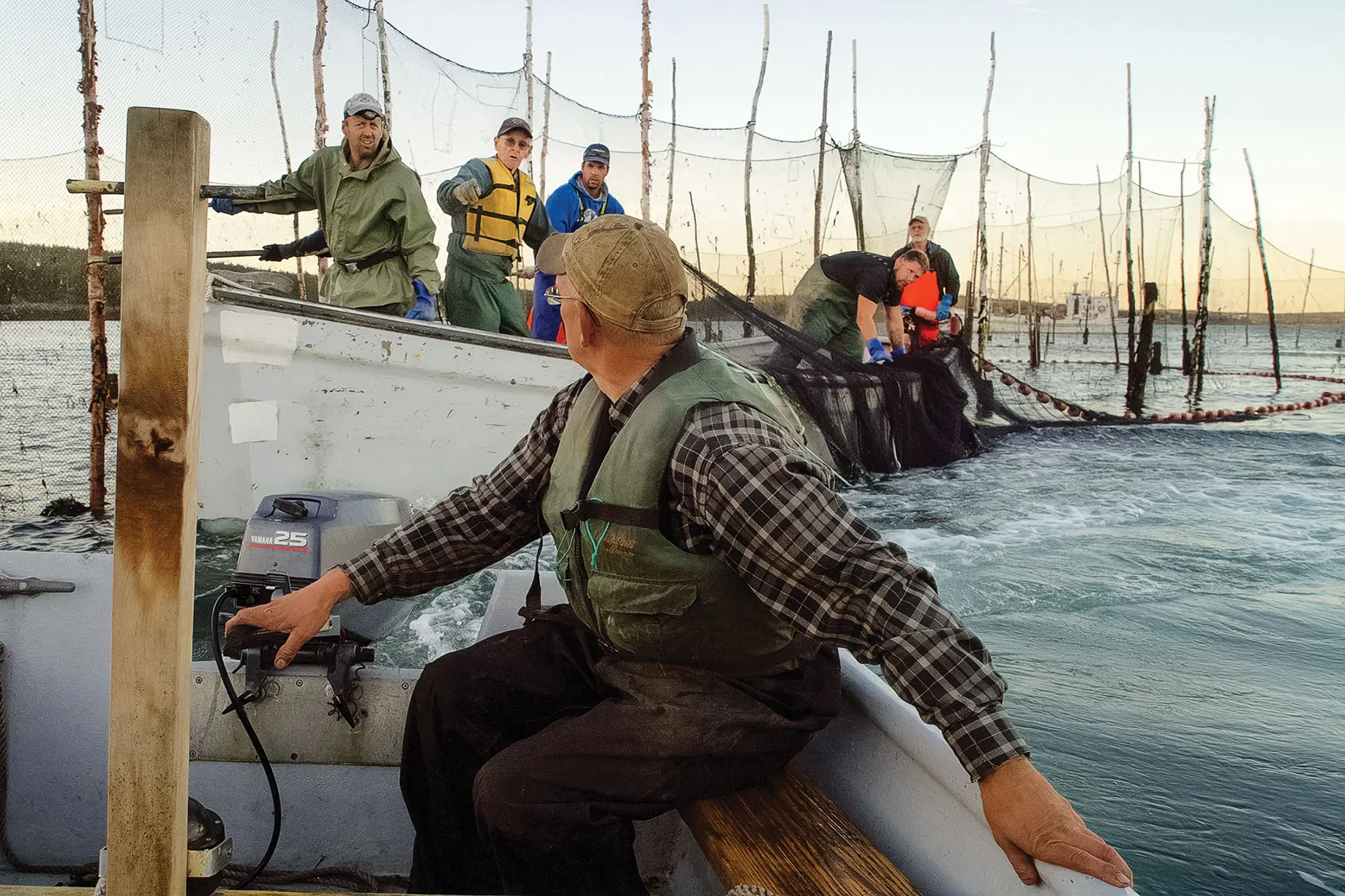
↑ The Ingalls Family at Pat’s Weir Cove, 2021: “These are my friends; they’re seining, or using nets to harvest fish from a weir. Russell, in front, goes out every morning, drops a line into the weir and feels how many fish are hitting it. If he decides it’s time to close up the weir’s entrance, a crew assembles, usually that same day, and drops a circular net over it. When they draw it up, it’s filled with fish. You have to catch a lot of fish in order to pay your expenses. It’s feast or famine.”
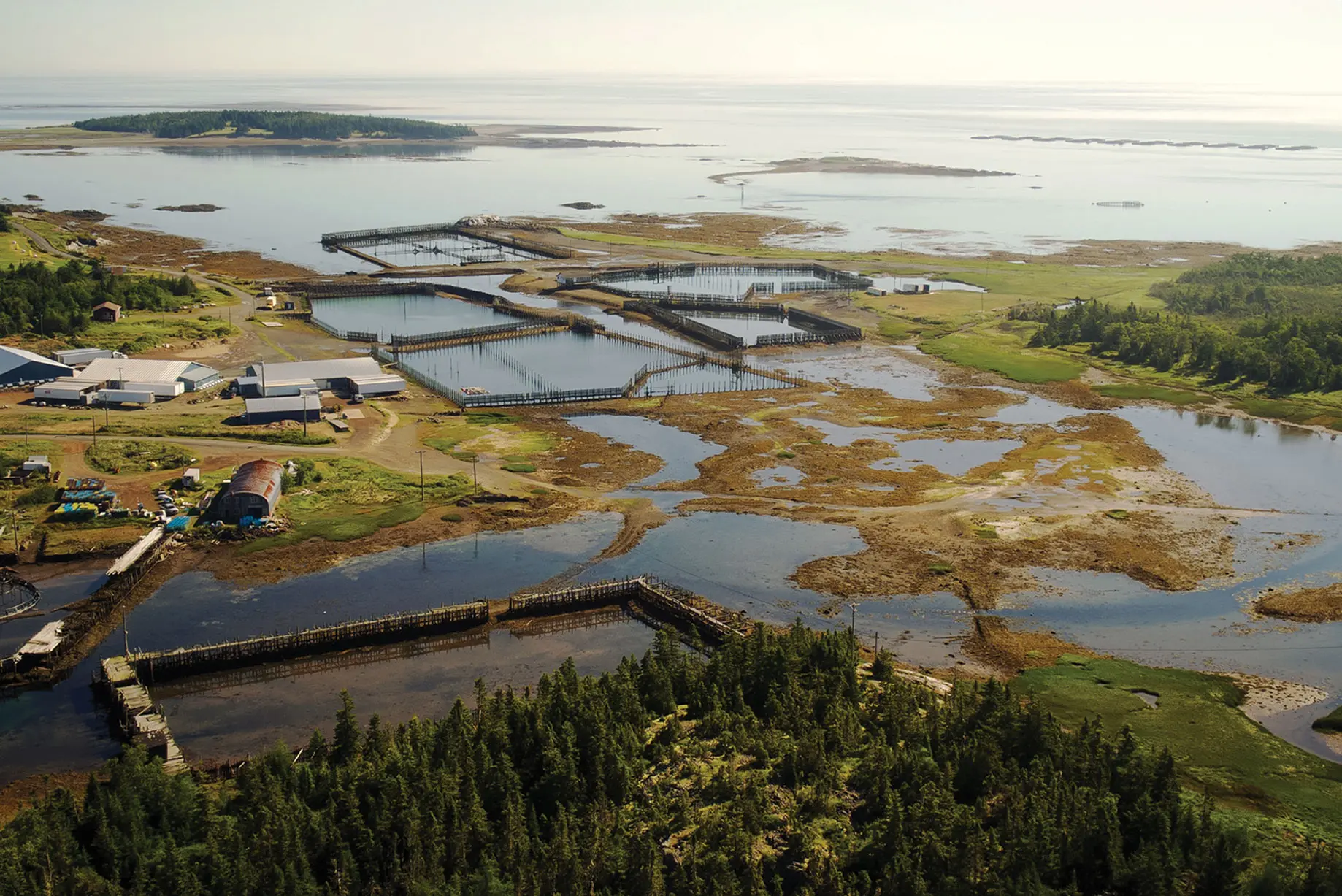
↑ Lobster Pounds in the Thoroughfare, 2016: “This is called the Thoroughfare. It’s filled with wooden enclosures called lobster pounds, where big buyers store lobster after acquiring them from fishermen all over the Maritimes. The tide rushes through twice a day keeping the water fresh; the lobsters live here until prices in Montreal or Boston go up and the lobster buyers can sell for a higher price than they paid. These days, the pounds are being replaced by onshore lobster tankhouses.”
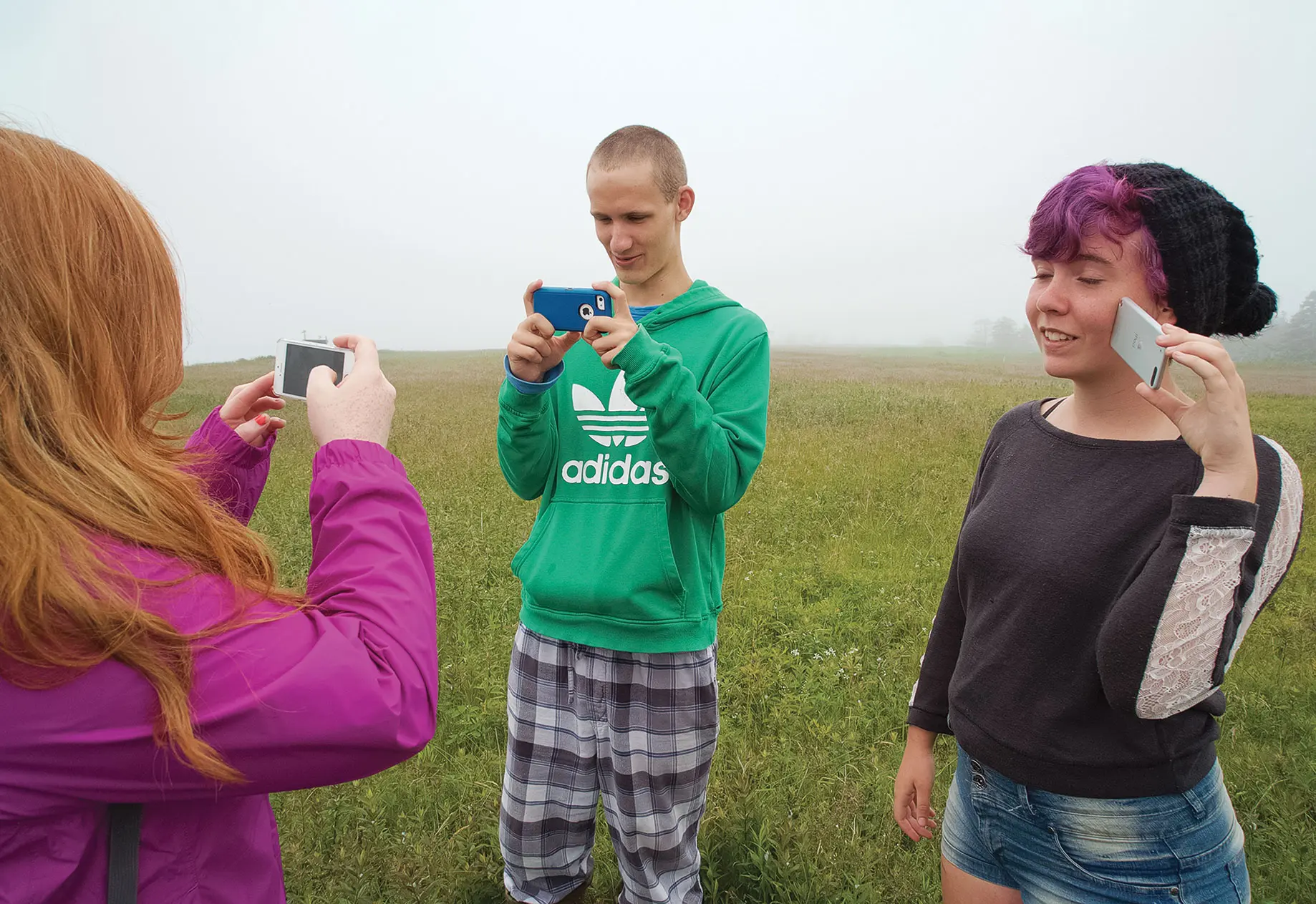
↑ Kent Island, 2020: “Our grandparents and great-grandparents were fundamentalist Baptists. They went fishing, they were carpenters, they built their own houses. They knew exactly where they stood. In this cellphone world that teenagers are growing up in, it’s very difficult to know where you are.”
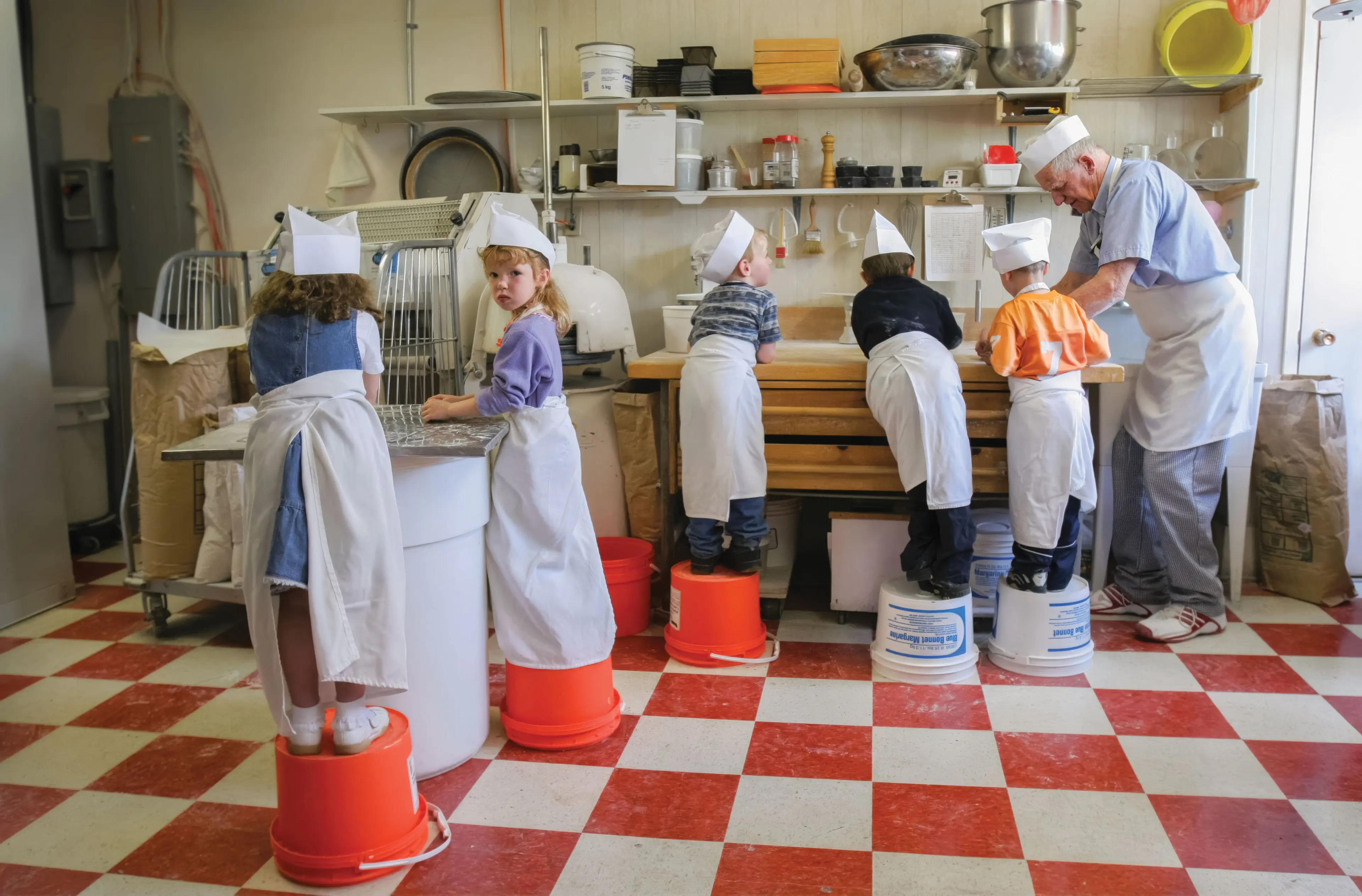
↑ North Head Bakery, 2003: “That’s Richard Rice, who was a political philosopher before he opened his bakery on Grand Manan in 1990. In the first few years, the bakery was a destination for people from away, but then fishermen started making their way in. They found it was a good place for bread, cookies and conversation.”
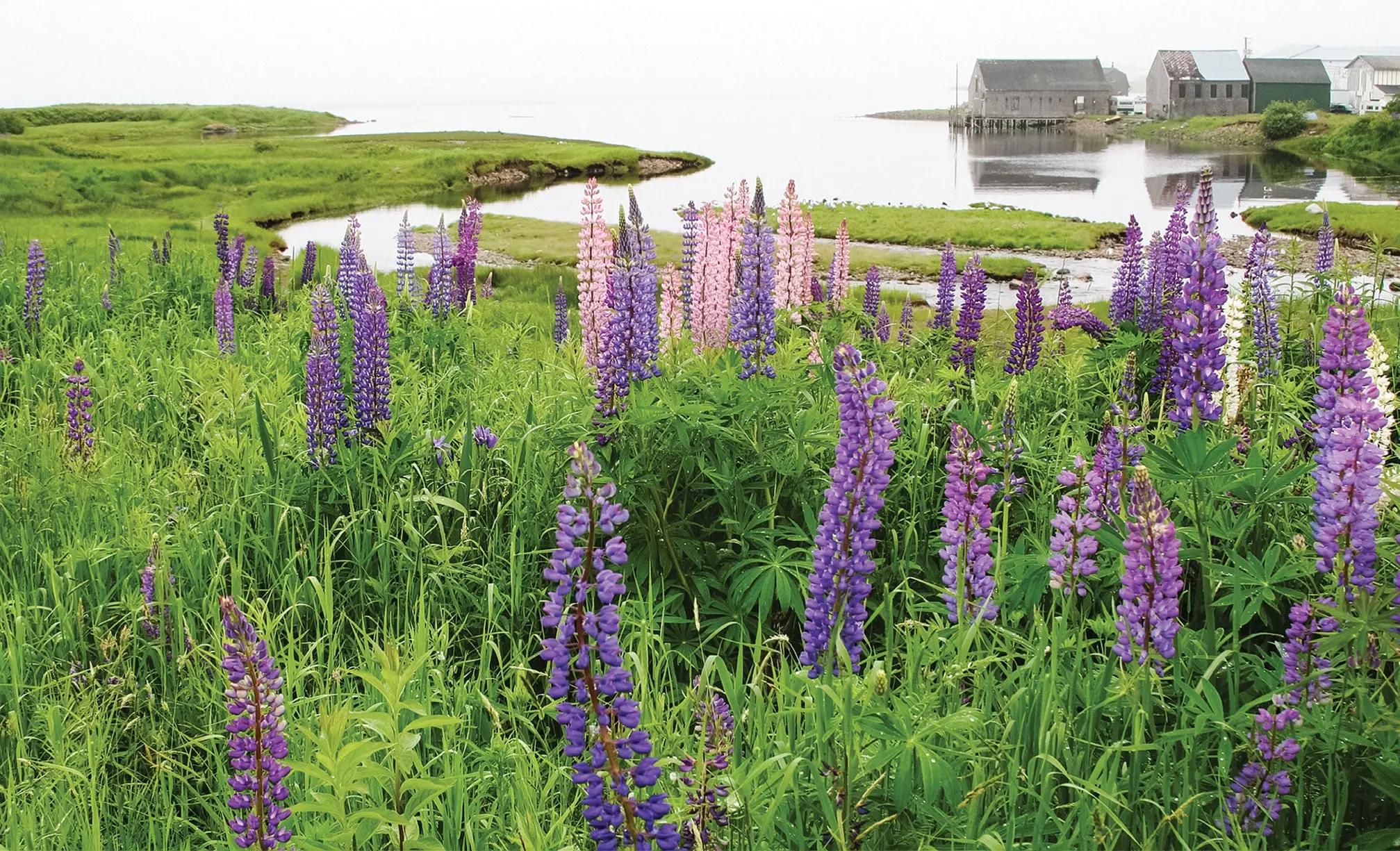
↑ Grand Harbour, 2019: “On one side of Grand Manan, the land goes into the ocean in a gentle way. All the harbours are on this side. On the other side of the island are basalt cliffs hundreds of feet tall. The 20-foot tide changes the landscape regularly, and the combination of tide and fog and light means that every time you look at the view in this image, it’ll be different.”
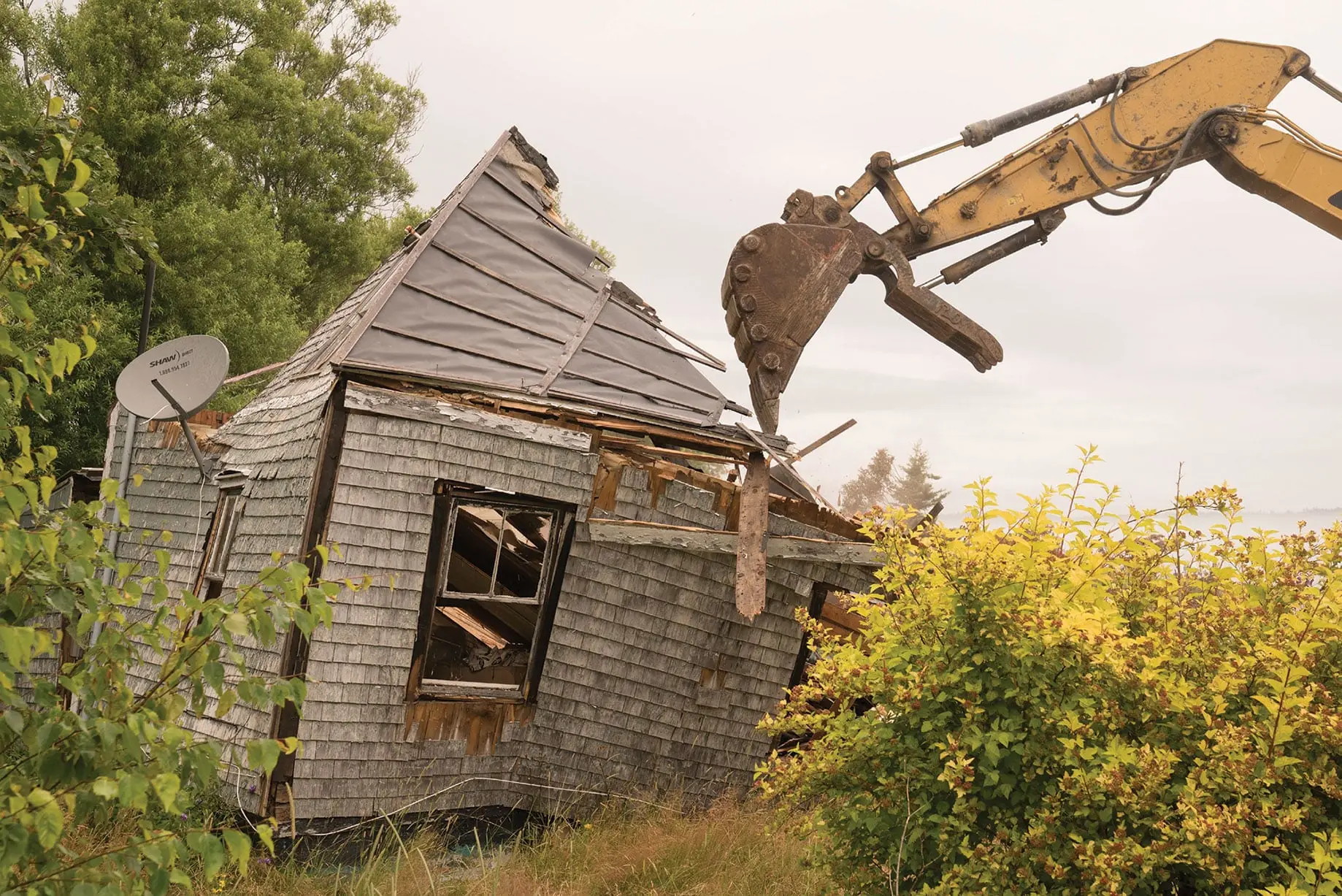
↑ Ingalls Head, 2012: “This abandoned house was taken down and paved over to build a haul-up, where boats go to be repaired. At first, I thought it was a shame to see old houses go away. It made me think of ‘Big Yellow Taxi’ by Joni Mitchell: ‘They paved paradise and put up a parking lot.’ But life always renews itself. Now, fishermen from all over the Bay of Fundy make a pilgrimage to the haul-up every spring and pull their boats out of the water for sanding, patching and repainting.”
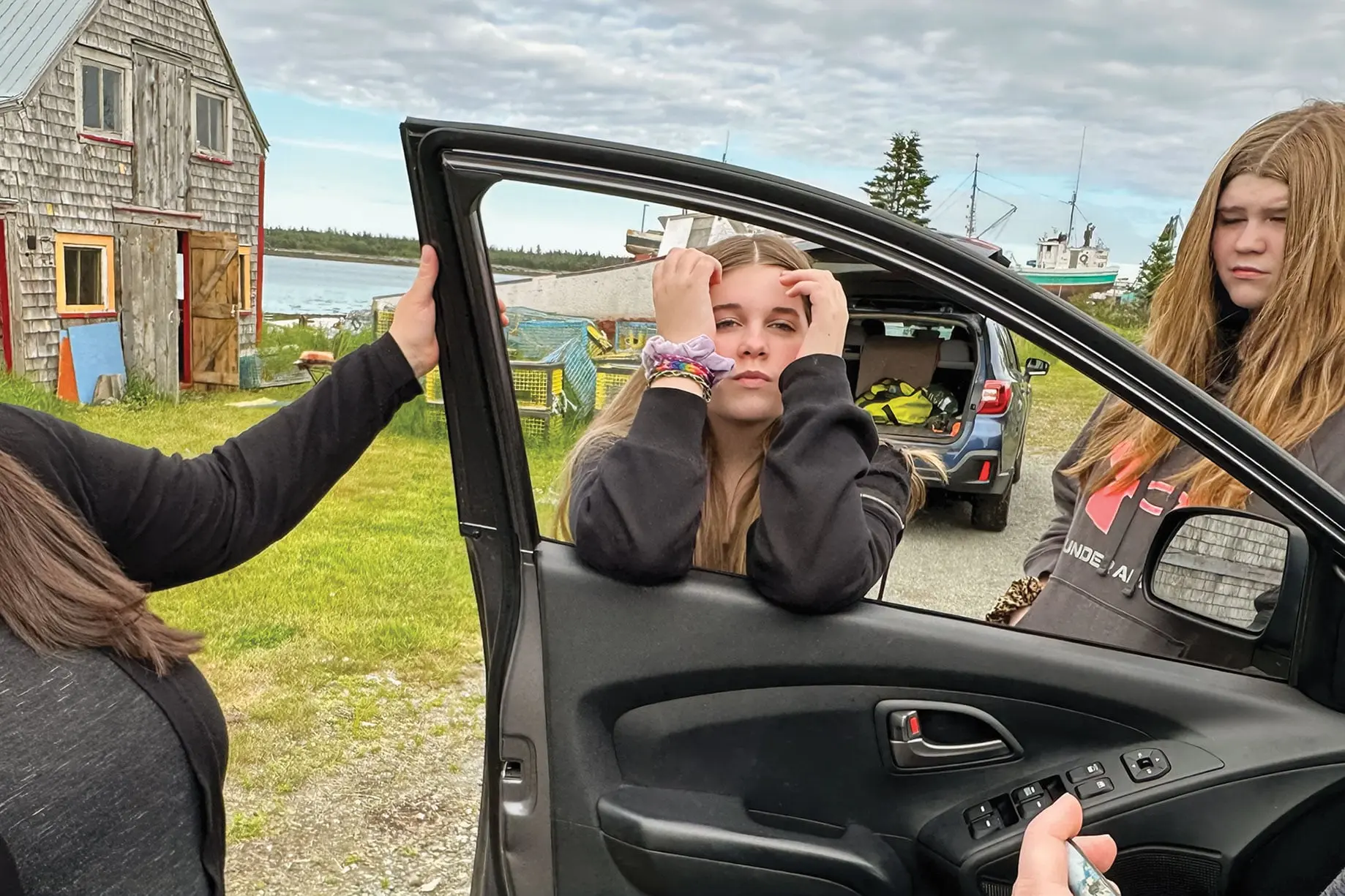
↑ Tate Shed, 2022: “These kids’ parents are one generation younger than me; I photographed them when they were kids. These are teenagers doing teenage things, but I hope they also absorb the history of Tate Shed and its wharf, where their family came from. They’re my audience.”
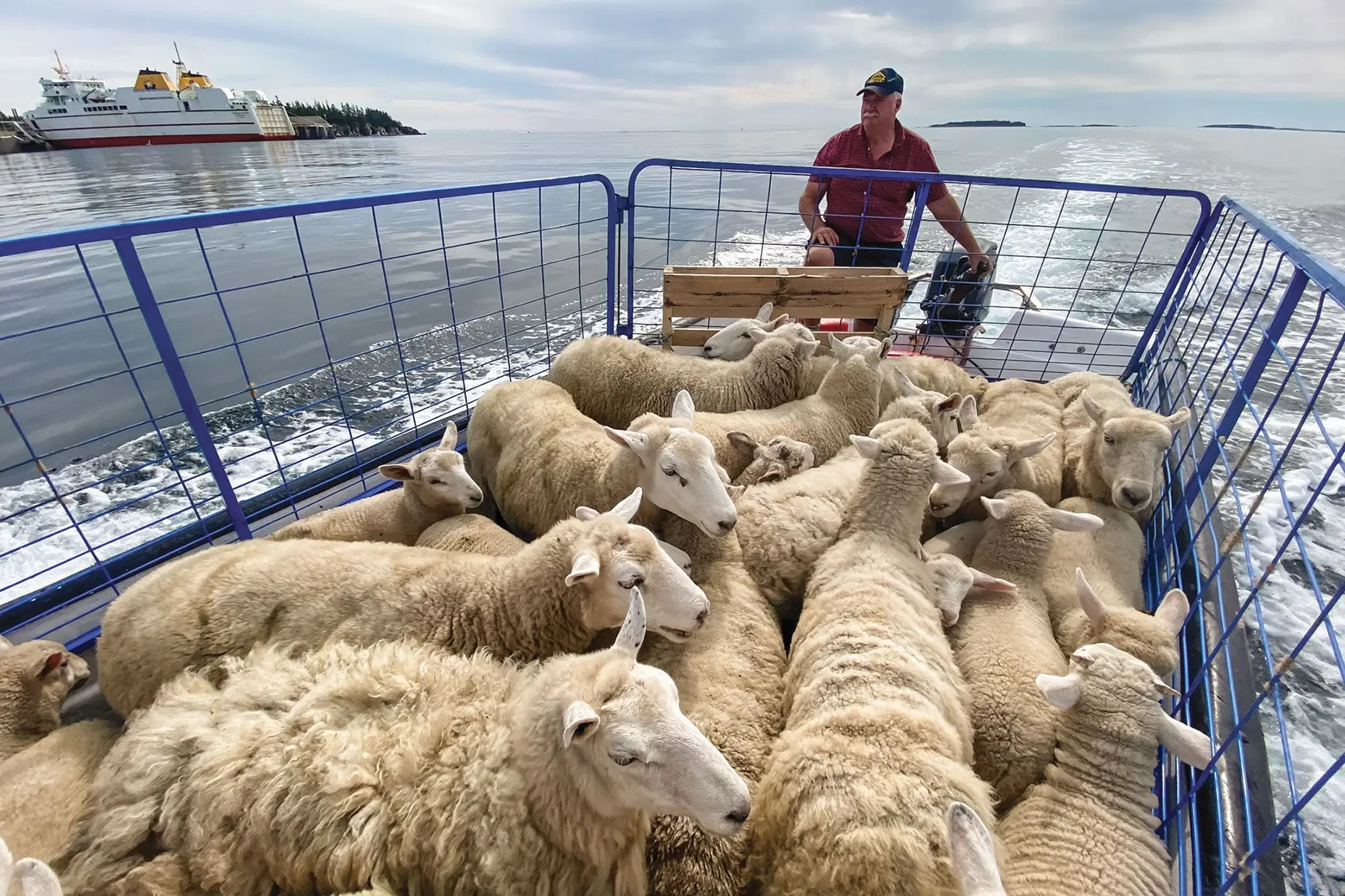
↑ Bev Fleet Harvests Sheep, 2021: “For 20 years or so, sheep were raised on the island. In the springtime, shepherds came from the mainland to shear them and, in the fall, the sheep were brought off the island to be sold at the meat market. Once, I was in a boat like this that got swamped by another boat. The sheep were tied up, and they started drowning. My friend’s daughter eventually yelled, ‘Peter, put down your camera and save the sheep!’”
This story appears in the August 2026 issue of Maclean’s. You can subscribe to the magazine here or send a gift subscription here.
What did you think of this story? Send a comment for publication to letters@macleans.ca, and supply your name and address. Comments should be fewer than 200 words, and may be edited for length and clarity.

Jadine Ngan is a National Magazine Award-winning journalist based in Toronto, with bylines in the Walrus, Toronto Life, and Broadview. Currently, she is the digital editor at Maclean’s.
Related Posts

The Golden Age of Smut

How to Win the Westminster Dog Show
Canada’s Indiana Jones
How the Olympics Remade Montreal
Get the Best of Maclean’s straight to your inbox.
Sign up for news, commentary and analysis. Join 60,000+ Canadian readers.