Inside B.C.’s Perilous Forestry Industry
Forestry workers call it a log boom: a corral of logs floating on the water, contained by a chained perimeter of the longest trunks. This is how a tree, felled in B.C.’s coastal rainforest, is towed by tugboat to lumber mills along waterways like the Fraser River. It’s difficult work. In the cold months, gales tear through inlets and the river ices over; tides and storms can yank logs out of formation all year round. For decades, beachcombers salvaged escaped logs and sold them back into use. But fuel and boat costs are rising, and beachcombers’ ranks are thinning. Driftwood is swallowing entire shorelines.
Reave Dennison is sometimes a tugboat worker, sometimes a beachcomber and sometimes even an arborist, doing maintenance work on trees. When he was growing up, his family often took the Sunshine Coast Highway 20 minutes northeast from Gibsons, where they lived, to his grandparents’ home in Sechelt. A long stretch of that route hugs the water; Dennison remembers peering through the car windows on rainy days, watching the ocean smash against the passing tugboats. “It seemed to me a very interesting way of living your life,” he says. As a teenager, he found work in a shipyard, then went to school for a seafarer’s certification. For him, part of the intrigue was always about capturing life in the forestry world. From his first day on a tugboat, he kept a camera by his side.
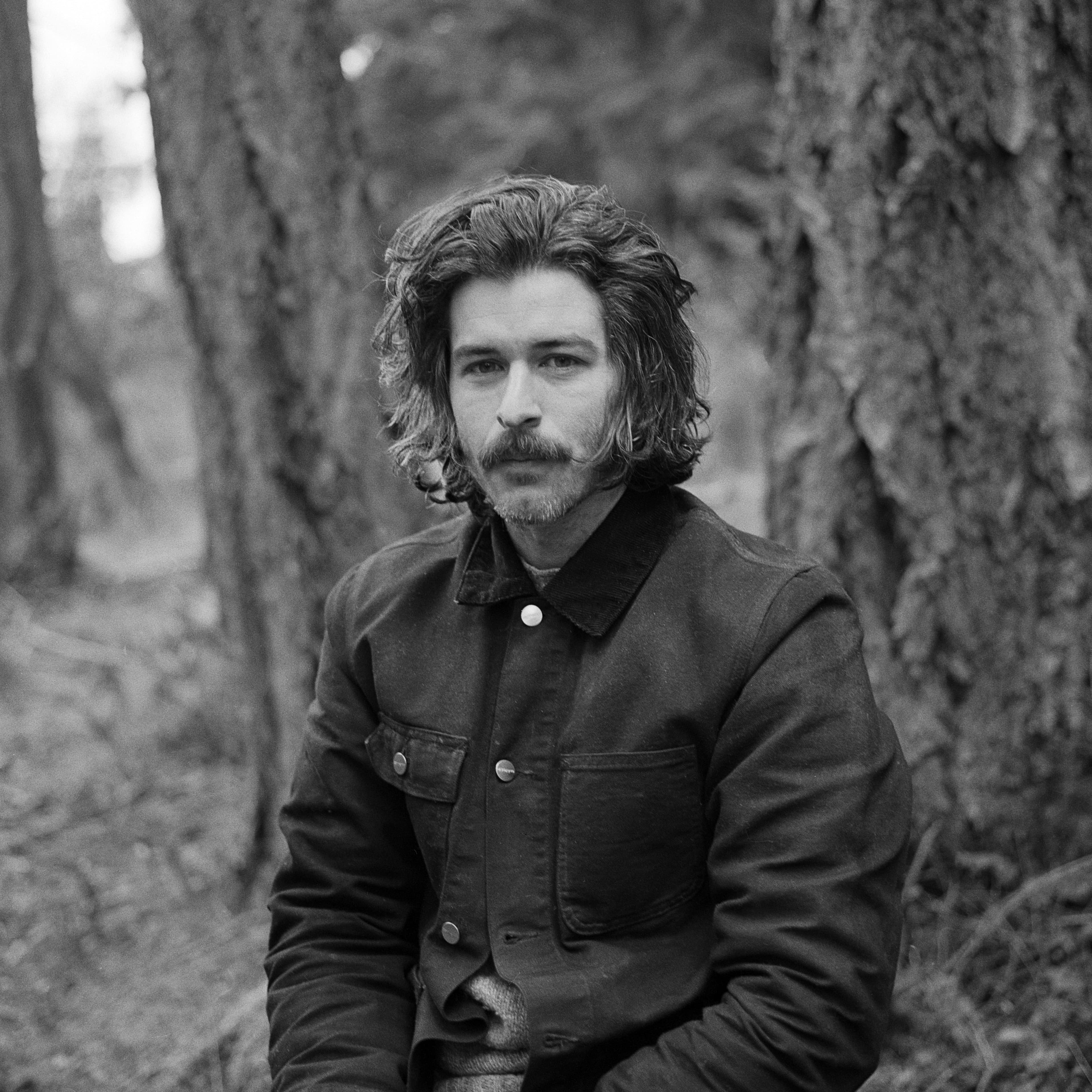
Over the last 10 years, he’s assembled a collection of photographs that document the beauty he sees while toiling in the field. “I almost forget I have a camera,” he says. “In those moments of exhaustion, you can get the most honest photographs.” He develops his prints in a nine-by-11-foot darkroom, which he spent several years building into a thicket of trees on his property near Salt Spring Island—milling the fir planks with a friend, pouring the concrete by hand. From the outside, it looks like a rustic forest shed, with saws and tools hung outside. Step through the hundred-year-old steel door and you’re in a laboratory. “The exterior of the building represents what’s happening in the prints I’m making on the inside,” he says.
Related: The City That Industry Built
As part of this year’s Capture Photography Festival in Vancouver, Dennison’s images will be displayed at the Pale Fire art gallery from March 19 to May 9. The exhibit, called Tree Work, folds three of his projects into one. The earliest images, from 2019, focus on beachcombing. Then there’s a series driven by his nostalgia for sawmills, which are now dwindling, and another one documenting arborists at work. Dennison mounted every image himself and salvaged wood—cedar offcuts from a mill—to make the frames by hand. It’s a show that dwells on the cycle of human labour in forestry and how, as the industry wanes, the B.C. coast is transforming. “People are pretty disconnected from how they get a two-by-four from the hardware store,” he says. “This is how it happens.” Below, Dennison shares the stories behind some of his most stunning images.
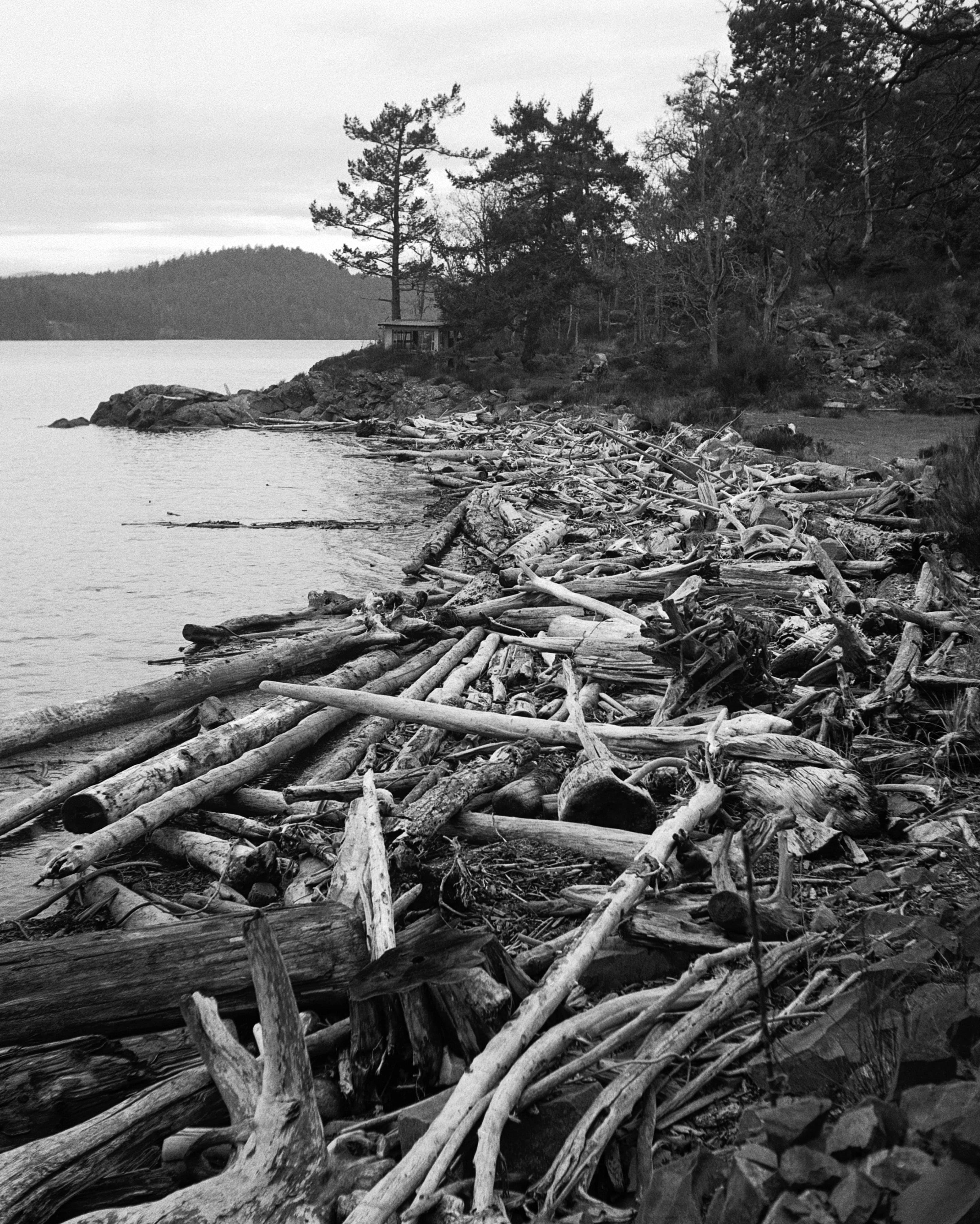
Bridge’s Landing, 2022: “This beach is filled with wood debris. Some trees fell because of natural erosion; those are the logs with root balls on them. But much of what’s here, everything with a straight edge, has been cut—byproducts of the forestry industry. High tide comes in and either washes more wood up or drifts it around to another shoreline. This beach has basically disappeared. All of the sand is gone. As beachcombers retire, more beaches in B.C. are looking like this.”
Related Posts

How My Book, Heated Rivalry, Became A TV Phenomenon
Canada’s Indiana Jones
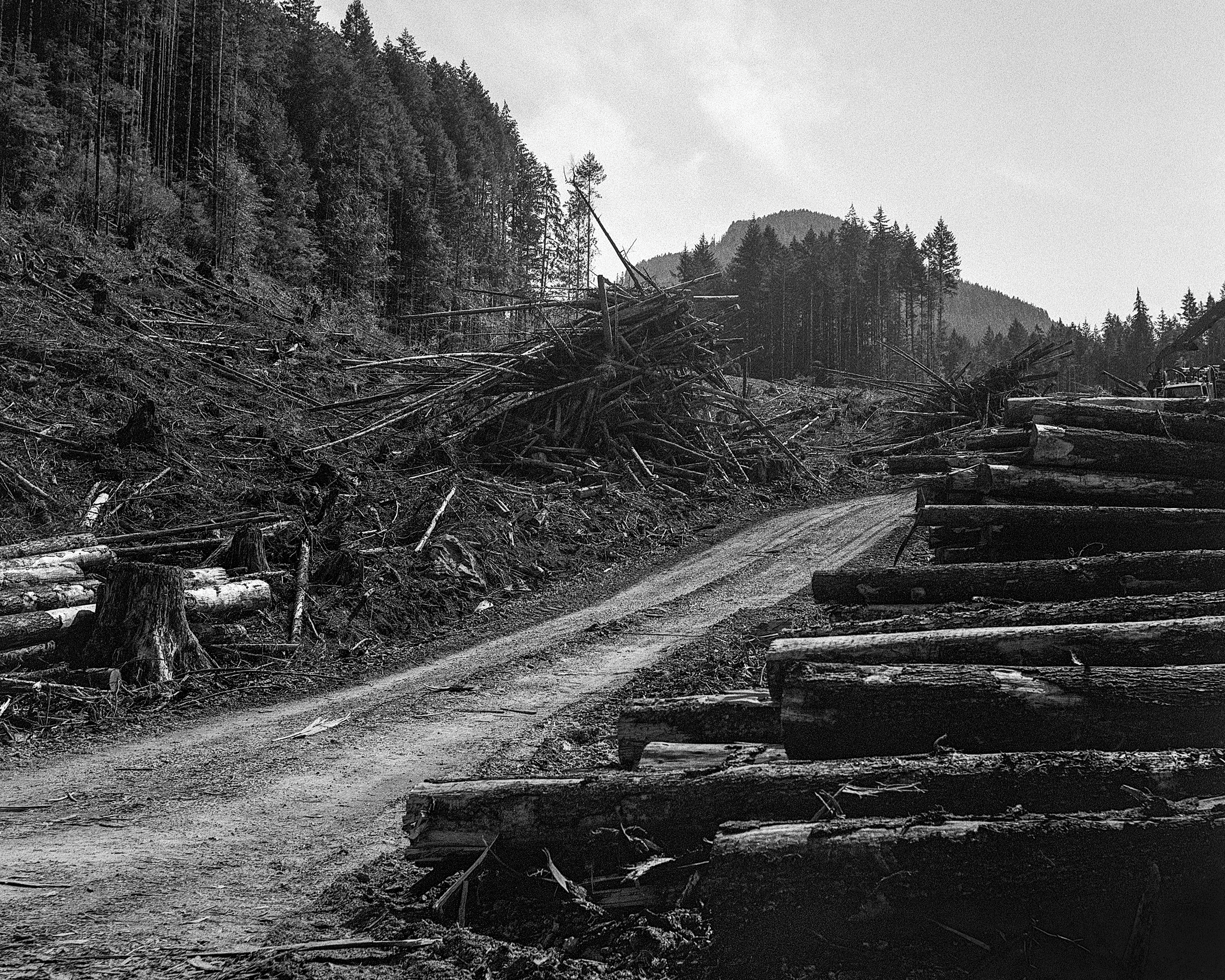
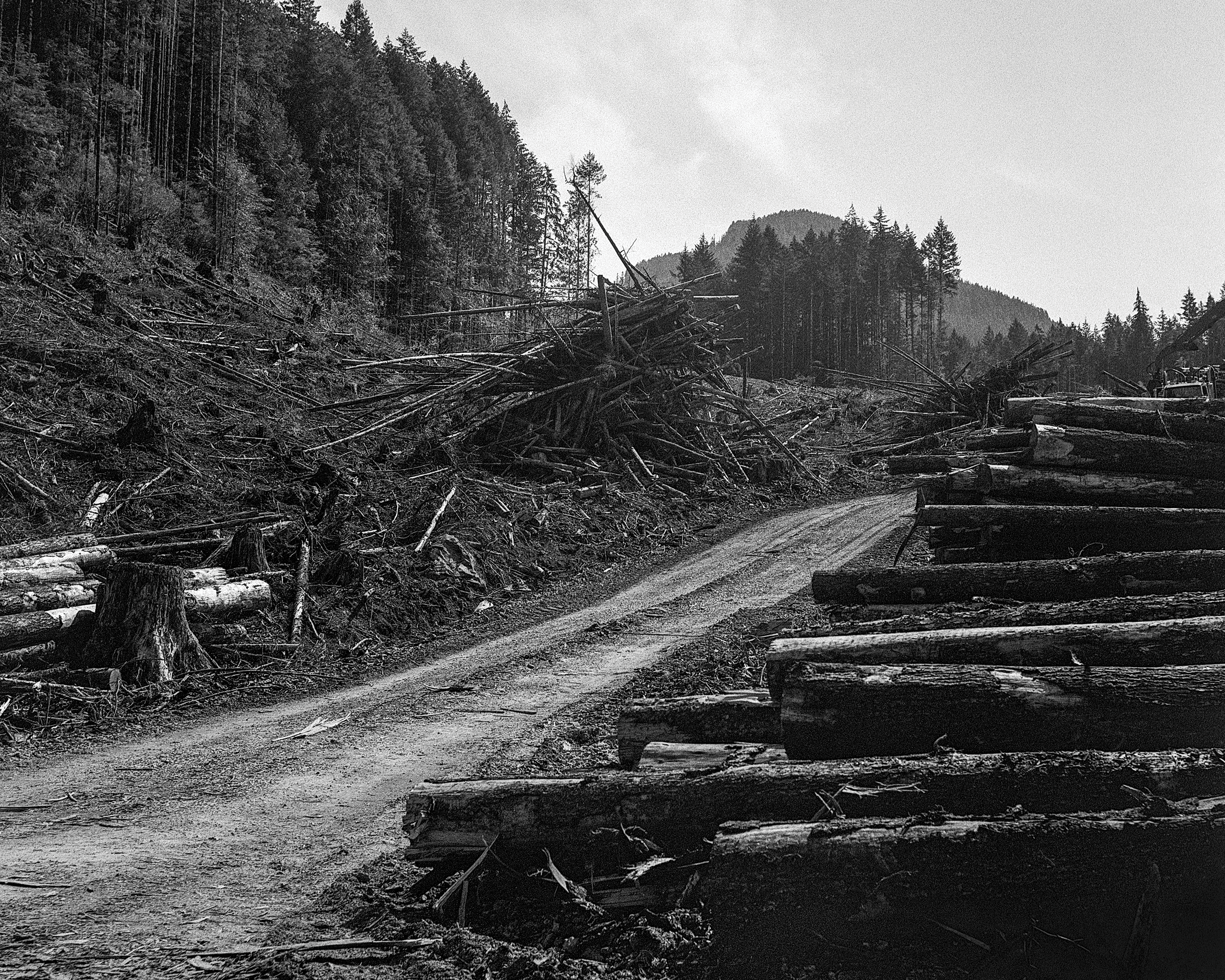
Cut Block, 2024: “Logging companies focus on getting logs with large diameters—like the ones in the foreground—because they’re worth more money. The smaller, less profitable logs in the background will go unused. We could reduce that wastefulness if we put them into circulation.”
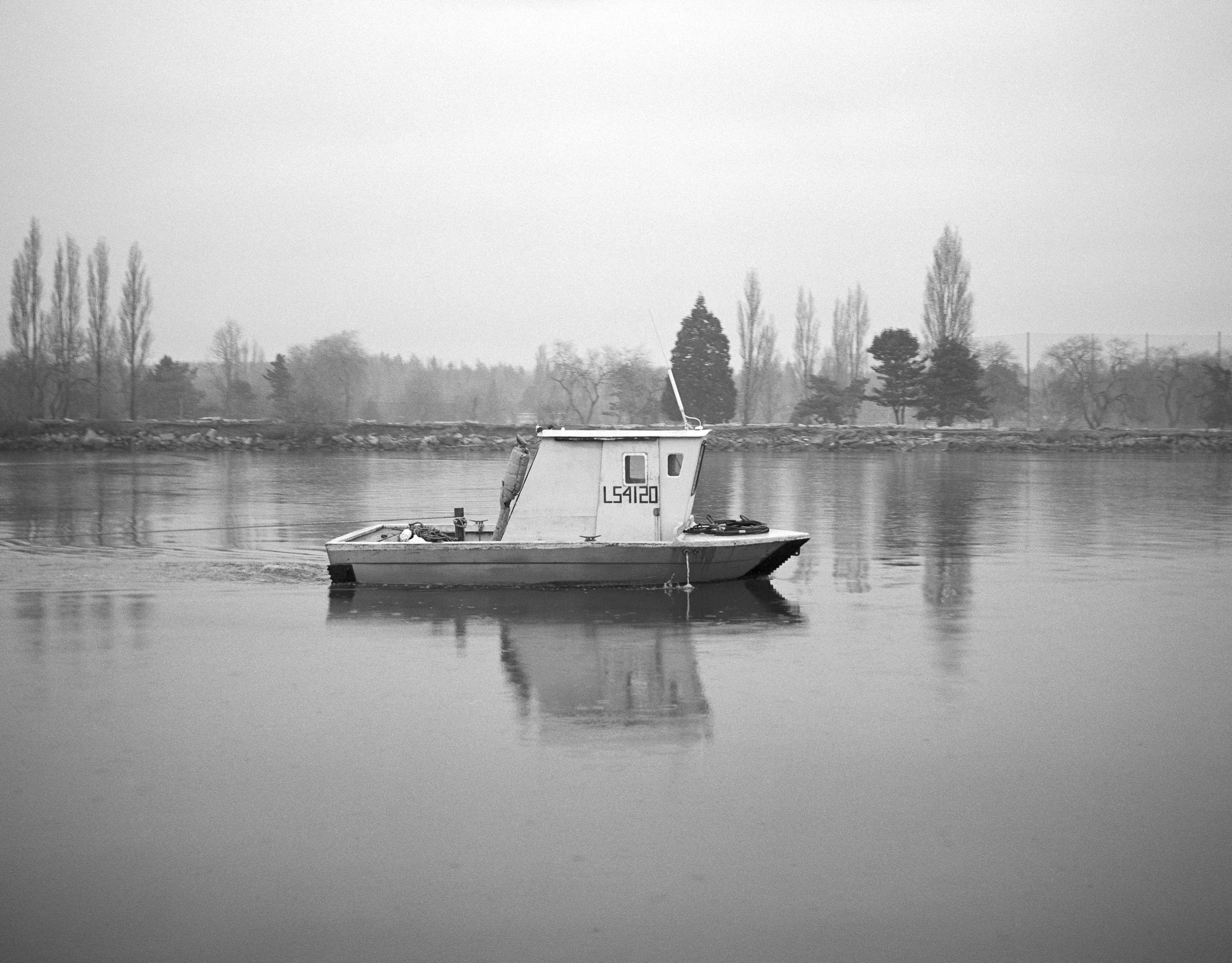
LS4120, 2025: “The log salvage numbers in this project are quite important. You need to apply to B.C. Forestry for a beachcomber licence, then they assign a number to you, and you put it on your boat. This guy’s is 4120. The lower the number, the longer the guy’s been doing it, so the closer they are, probably, to retirement.”
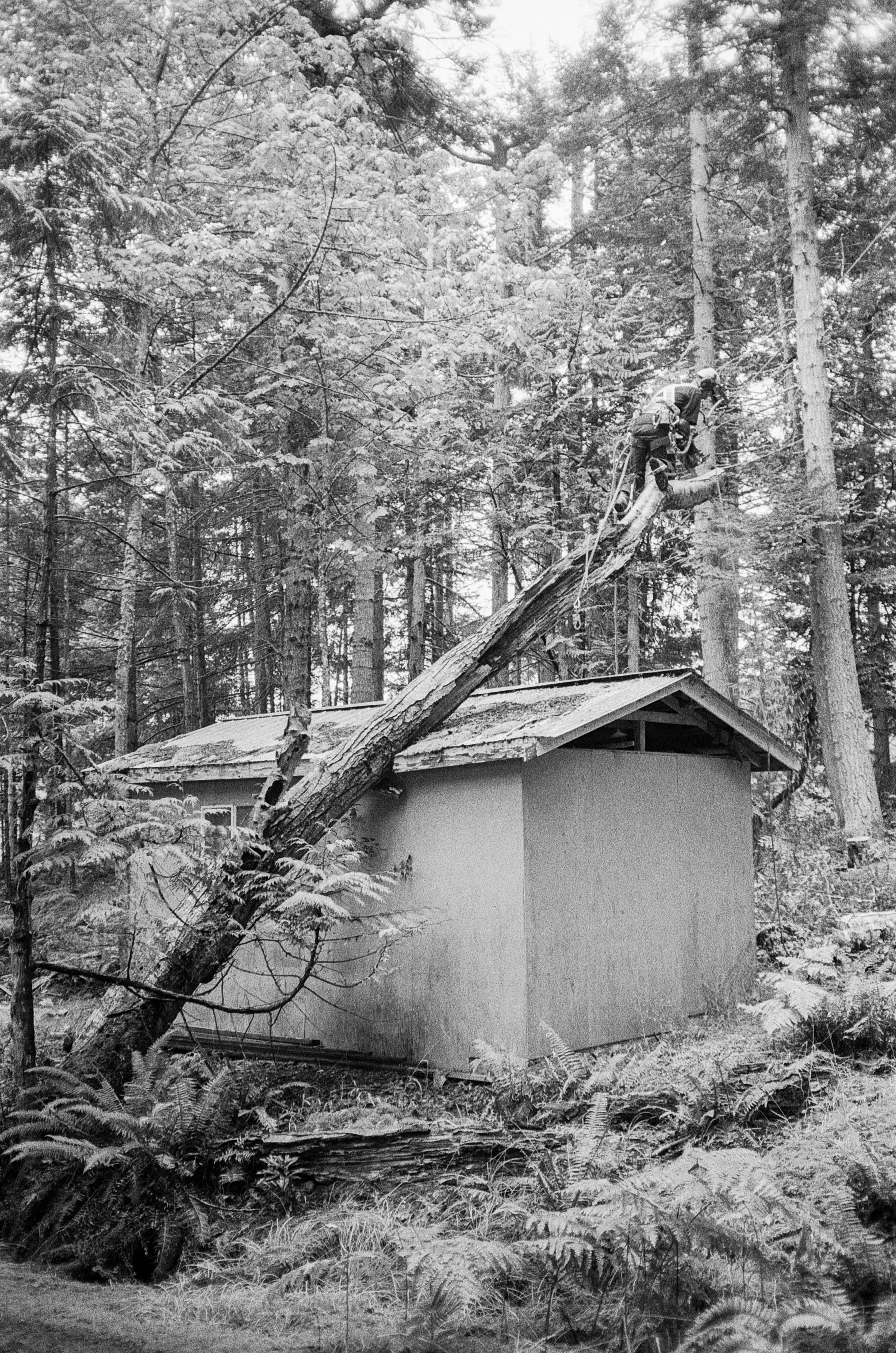
Dr. Daylight, 2024: “This is Matthew, the arborist I work with on Mayne Island. We were called in to move this dead tree, which had fallen on somebody’s shed. It’s not quite visible in this photograph, but Matthew is tied into the tree above him, and he’s cutting the dead tree into smaller pieces to lower them down safely. It’s a display of the skill of these arborists.”
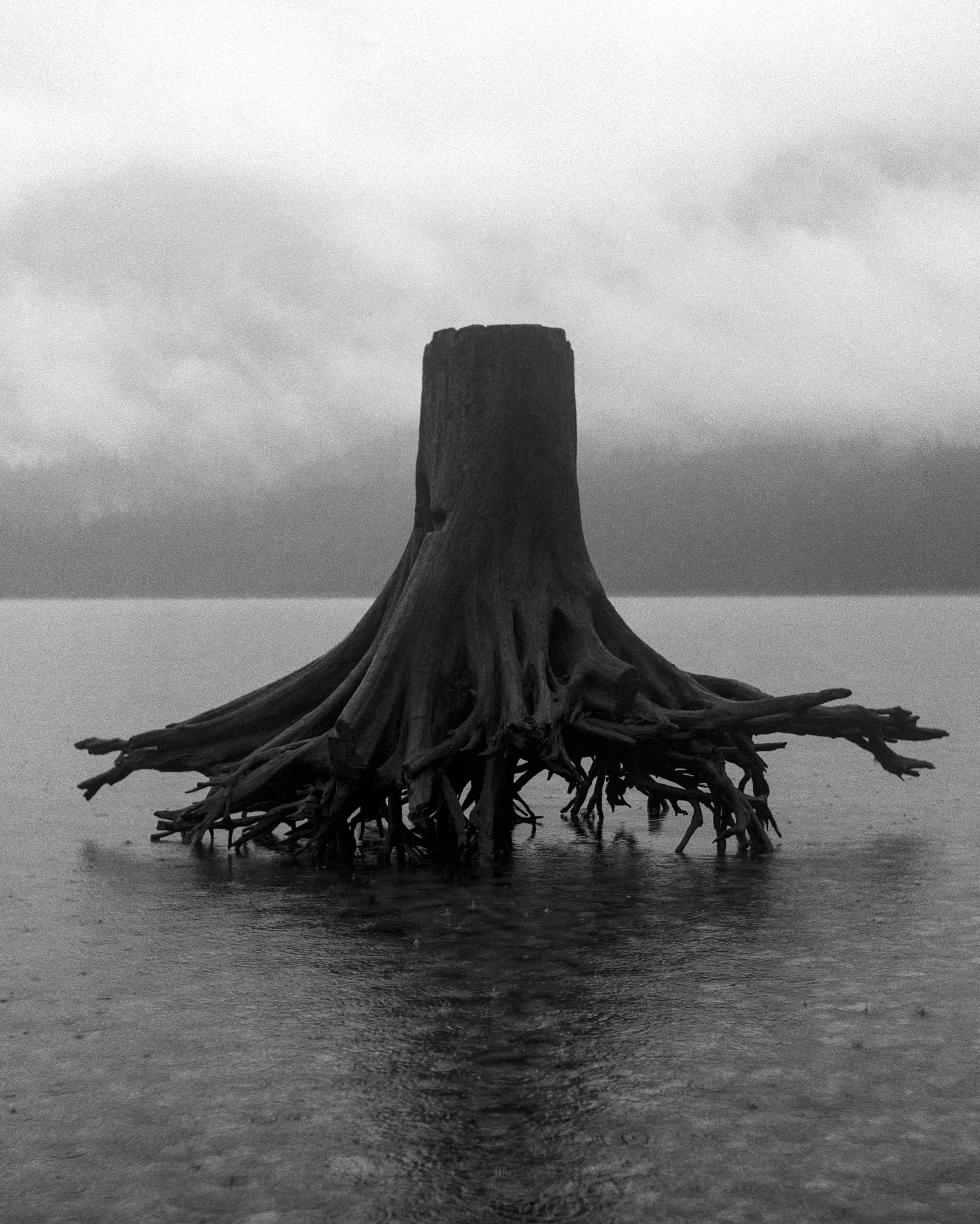
Golden Ears, 2023: “This tree was probably cut down a long time ago, because in the top corner on the left side, you can see the mark of a springboard. Those aren’t used anymore. When people used to log by hand, they would bang two springboards into the side of a tree so they could get further from the ground. Then two guys with a big handsaw would stand on those boards and cut the tree down.”
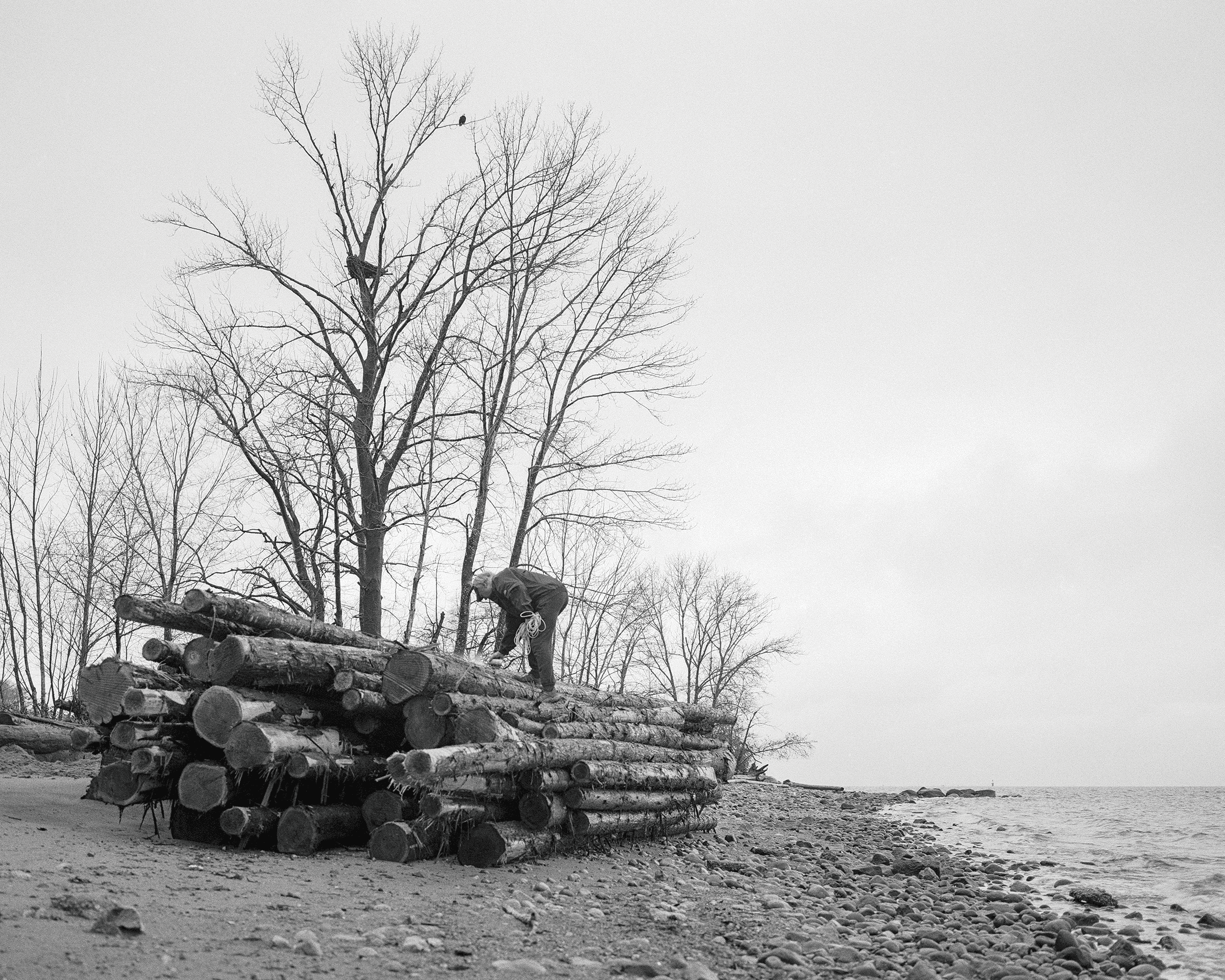
Jericho Beach Bundle, 2025: “A friend of mine said he’d seen a big bundle wash up on this beach, close to the mouth of the Fraser River’s north arm, so I went down to look at it. This beachcomber was tagging it with his log salvage number. Later, at high tide, he returned and towed it off. You’re not allowed to beachcomb in park areas, but he had permission from the parks department to help keep the area clean.”
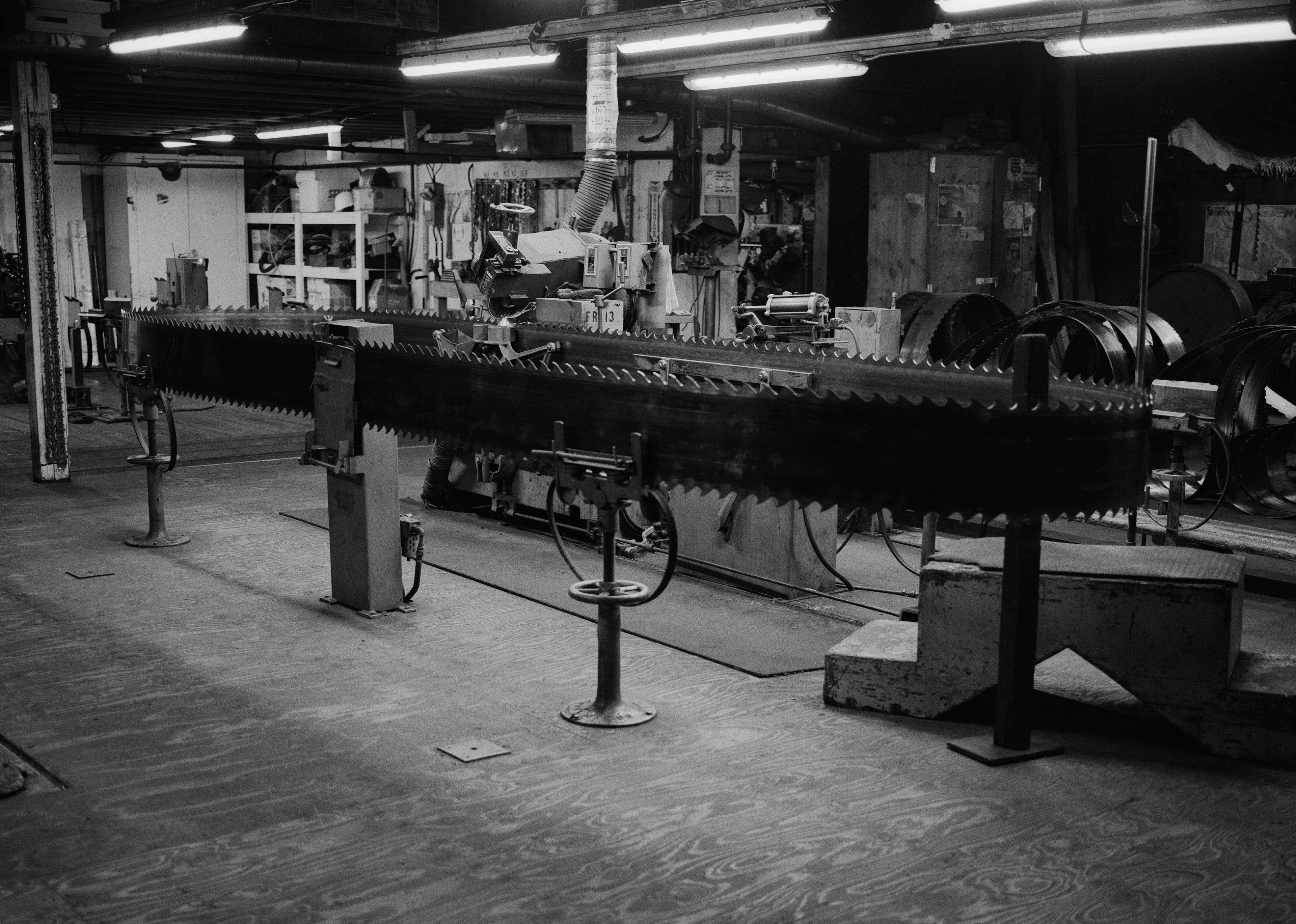
Bandsaw Blade Sharpener, 2025: “This is the machine shop of one of the sawmills on the Fraser River. The automatic sawblade sharpener is refining a massive, industrial-scale bandsaw: the blade spins around slowly and, in the background, you can see it coming up and down to hit the edge of the saw’s teeth.”
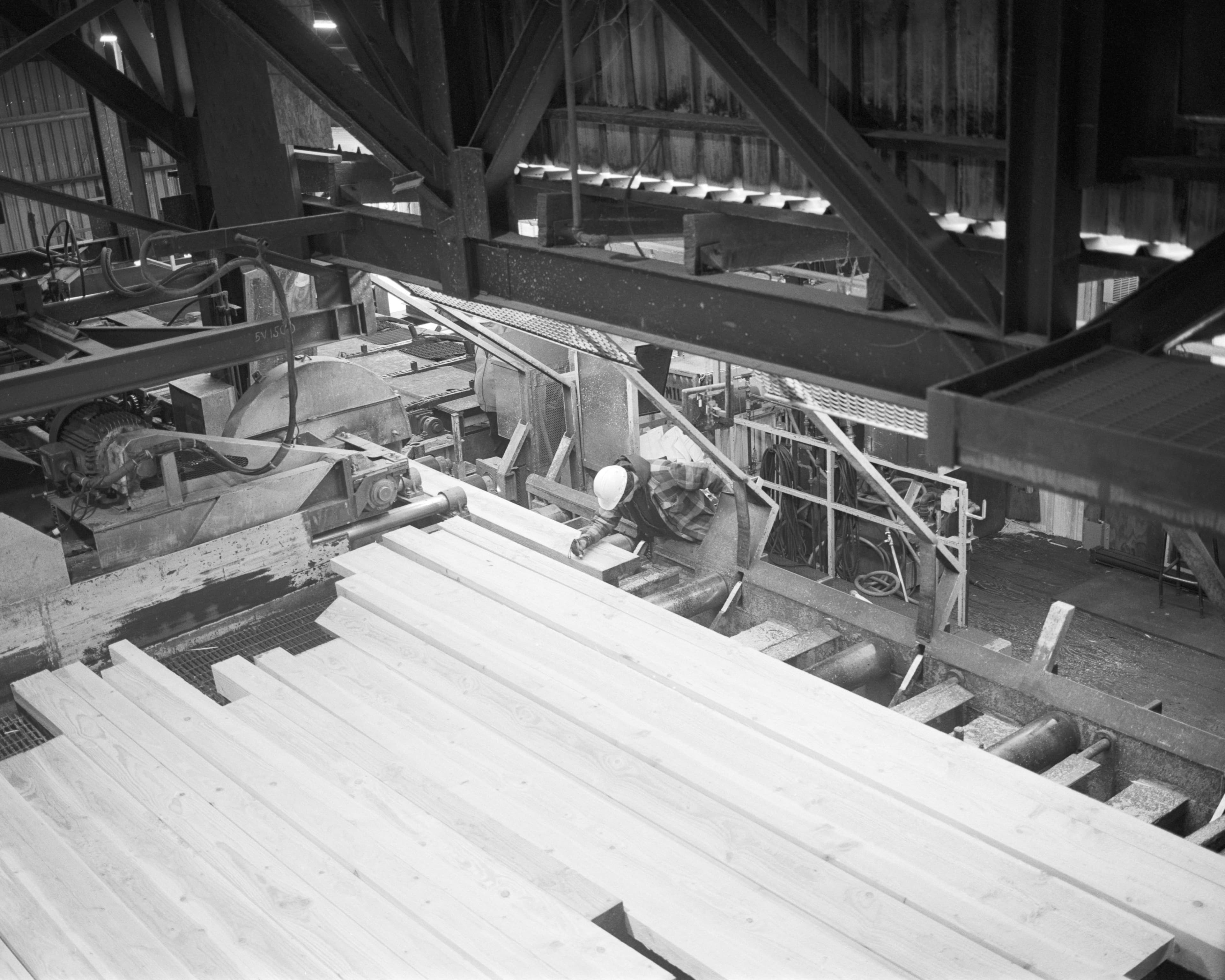
Grader, 2025: “This guy is a log grader. After wood is milled, he assesses each board and assigns it a number or letter based on its quality—maybe it’s a little bent, or it has a few knots. To me, this is the human involvement in the industry that people don’t recognize. This guy’s in the mill all day, writing a grade on wood.”
This story appears in the April 2026 issue of Maclean’s. You can subscribe to the magazine here or send a gift subscription here.

Jadine Ngan is a National Magazine Award-nominated journalist based in Toronto, with bylines in the Walrus, Toronto Life, and Broadview. Currently, she is the digital editor at Maclean’s.
Related Posts

How to Win the Westminster Dog Show

How the Olympics Remade Montreal

The Golden Age of Smut

Heated Rivalry Is Anti-Dystopia Art
Get the Best of Maclean’s straight to your inbox.
Sign up for news, commentary and analysis. Join 60,000+ Canadian readers.