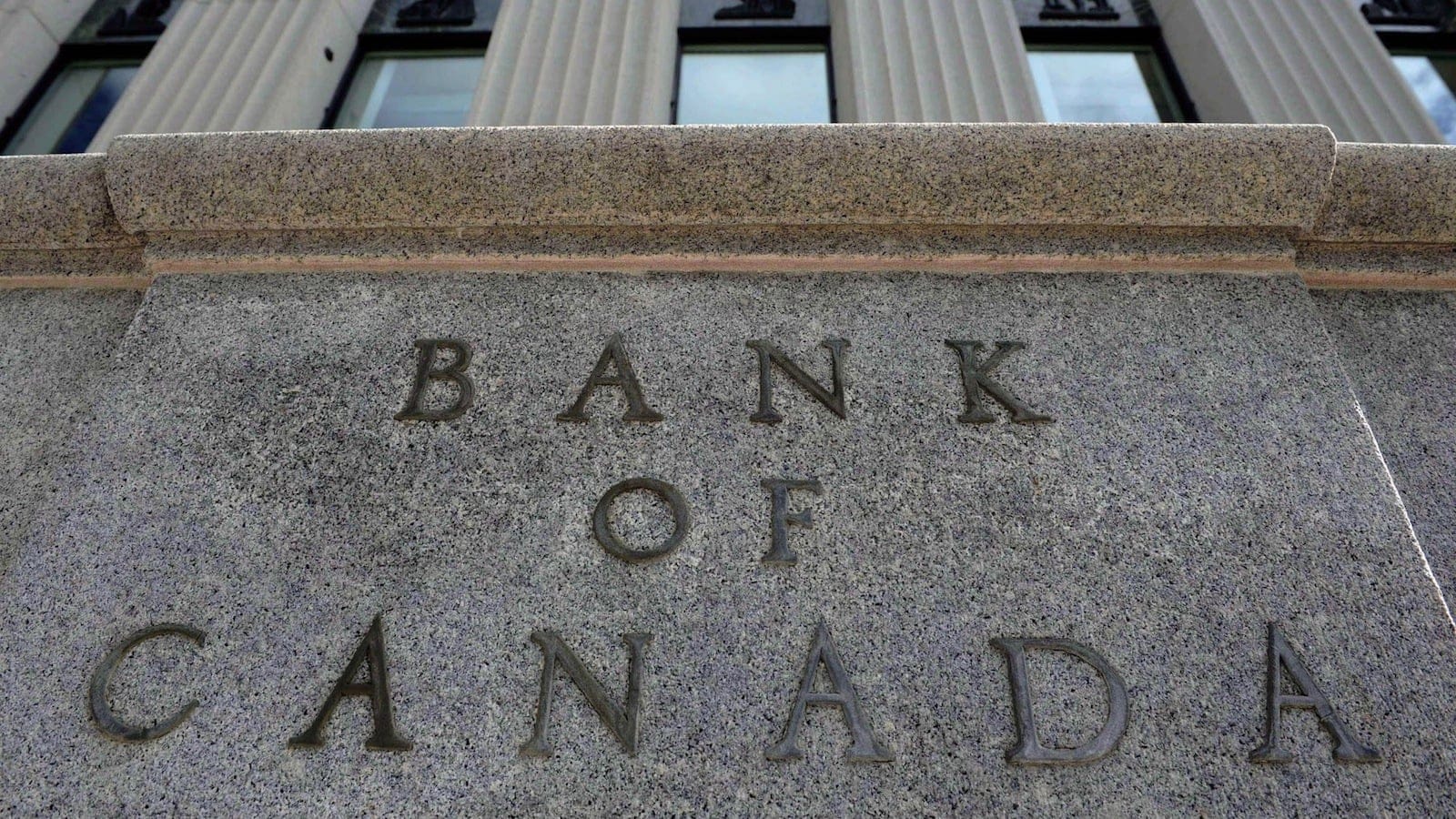
For the record: What Stephen Poloz said today about the economy
Remarks prepared for Bank of Canada Governor Stephen S. Poloz at the Mayor’s Breakfast Series in Ottawa on Jan. 7: Good morning, and Happy New Year to all. Here we are at the beginning of 2016, almost eight years after the global financial crisis, which spawned the most synchronized worldwide economic downturn in history. A rerun of the Great Depression of the 1930s was averted, but the recovery has been anything but synchronized. In fact, the dominant theme across the global economy has become “divergence.” At one end of the spectrum, the U.S. Federal Reserve has just started its interest rate normalization process after seven years of keeping its policy rate near zero. At the other end, the European Central Bank (ECB) recently cut its deposit rate to negative 0.3 per cent. Other central banks also cut rates in the past year, including the Bank of Canada. It is very important that we understand the reasons for these policy divergences. On one level, they simply reflect actions taken by central banks tailored to their own economies. But the underlying forces acting on the global economy are powerful, slow moving and affect various economies differently. This means that the theme of divergence—both financial and economic—is likely to remain with us for some time to come.
Related Posts
Mark Carney sits down with Paul Wells: Maclean’s in Conversation

The ’safe bets’ and ’wild cards’ needed to meet Canada’s net zero emissions target

The working class has had enough

Capitalism’s connection to our ever-worsening mental health
Get the Best of Maclean’s straight to your inbox.
Sign up for news, commentary and analysis. Join 60,000+ Canadian readers.