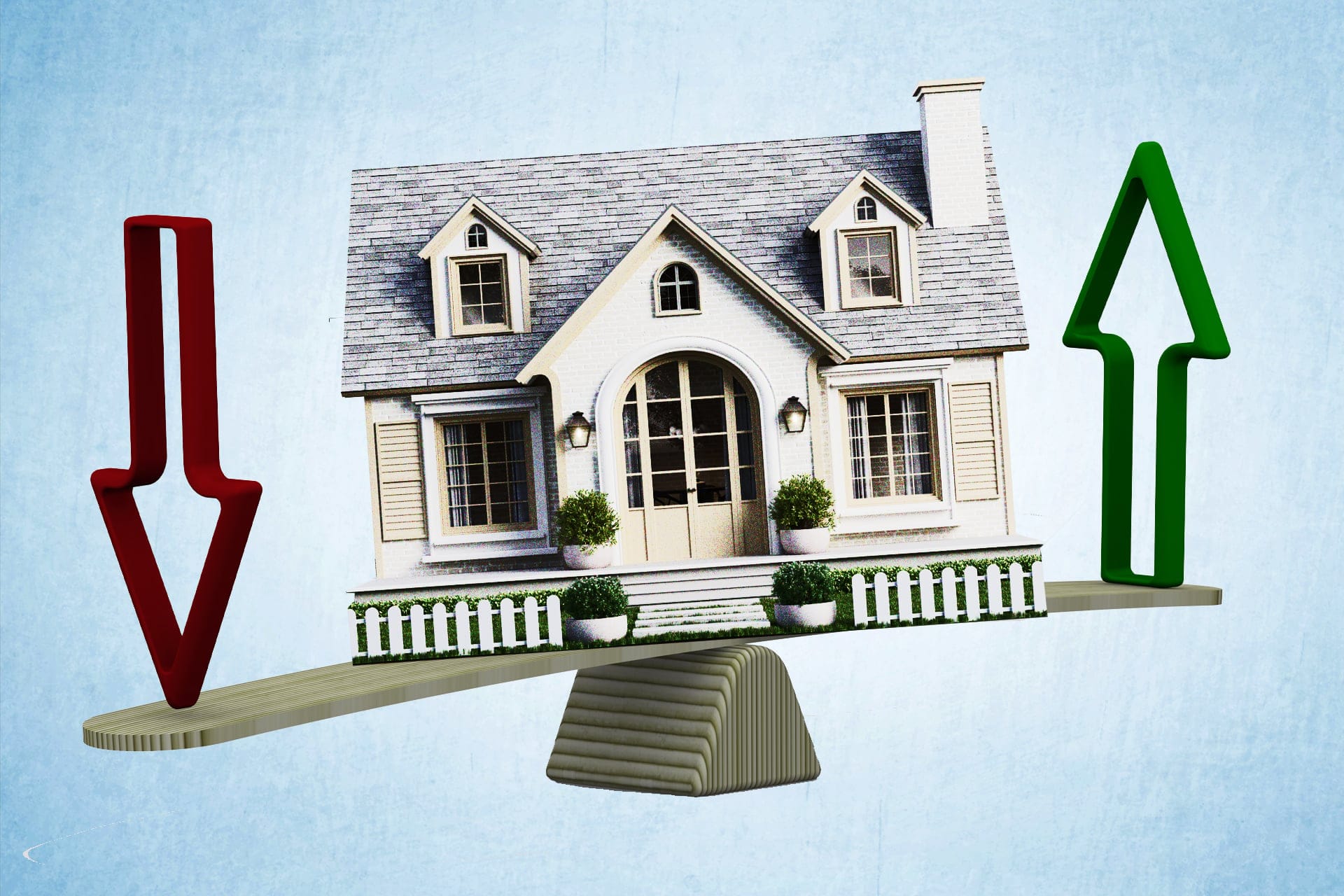
Home Prices Are Finally Dropping
In March of 2022, a home in Whitby, Ontario, sold for more than $1 million over asking, after a bidding war hiked the original price from $1.3 million to $2.33 million. It had only been on the market for six days. Thanks to the COVID buying frenzy, sales like this happened all the time: the national average home price jumped from about $520,000 in March of 2020 to a peak of close to $800,000 two years later. This unprecedented housing boom brought hundreds of thousands of Canadians into the market, while many others cashed in on their investments.
Today, we’re coming down from that high. The average home now costs roughly 20 per cent less than it did during the peak, or around $690,000. And instead of offering over asking, buyers are underbidding. In Niagara Falls, for instance, a home purchased for $1,350,000 in early 2022 sold in January for just $775,000. A similar story is playing out in B.C., where a Vancouver heritage home sold for $2.7 million in November, despite being listed at $3.788 million in May.
The market correction began in the spring of 2022, when the Bank of Canada hiked interest rates. But prices had grown so much during the pandemic that homes are still expensive, especially detached and semi-detached houses. Many Canadians still feel they can’t afford to buy.
Related: The Condo Crash
But that could change soon. Average home prices in Toronto could fall under $1 million in the coming months for the first time since 2020. Ontario prices are trending at five-year lows. It’s a similar story in B.C., with steady price declines driven largely by Vancouver. Many Canadians still dream of owning a home, and they’re already taking advantage of the lower prices. I read about one couple who, in June, after six years of saving and keeping an eye on the market, were able to buy their first condo for $740,000 (listed at $798,000). Today, that unit would likely go for even less.
Why is this happening? Let’s start with Toronto, where home prices soared during the pandemic. Since then, they’ve fallen by around 20 per cent, but demand has noticeably slowed. It doesn’t help that people are nervous about their finances. Groceries, rent, insurance, vehicles, products and services all cost more, straining household budgets. Ontario’s economy is also caught directly in the crosshairs of the trade war, creating economic uncertainty and job insecurity strong enough to dissuade potential buyers from entering the market. Just this January, only around 3,000 homes sold in Toronto, down almost 20 per cent compared to the year before.
On the supply side, meanwhile, Toronto has a glut of active listings, with almost 18,000 homes available to buy. The condo crash has played a major role in this spike: many investors have offloaded rental properties that were no longer profitable, while a wave of new condo completions over the last several years has further depreciated prices. One downtown Toronto condo, for example, hit the market in March last year at $599,000, only to be relisted several times and ultimately sold nine months later for just $392,500. Elsewhere in Ontario, a home in Brantford sold at a loss of more than $550,000 in December.
It’s a similar situation out west. In 2025, Vancouver’s annual home sales fell to the lowest level in over 20 years, and the average home price had fallen four per cent annually, with the benchmark price for Metro Vancouver dropping below $1.2 million by December. Meanwhile, active listings remain high, at more than 12,000 as of January.
But things are different in the Prairies and Atlantic Canada. More people are moving in but there aren’t enough homes, making real estate more expensive. In St. John’s, for instance, a surge in the population over the past five years has saturated the city’s already tight housing market, with existing supply at a 20-year low. At the same time, the province remains relatively insulated from the impact of the U.S.-Canada trade war, as many of their exports go to Europe. Firmer economic growth has resulted in income gains, which have helped support buyer confidence, bolstering the housing market. Some homes in St. John’s are reportedly selling for as much as $100,000 over asking.
Looking ahead, prices in Ontario will continue to fall over the next several months, then level off—followed by very modest growth in 2027. In B.C., we expect prices to hold up a bit better than in Ontario this year, in part because the market isn’t as oversupplied as Ontario’s. But weak demand will still keep price gains at bay.
The road to recovery may take time, but it will hopefully make the housing market easier to navigate.
Rishi Sondhi is an economist at TD Bank Group.
Related Posts

The Great Unbuild
Little House in the County

Inside a Canadiana-Themed Island Cottage
Inside an Ecohome on Stilts in Nova Scotia
Get the Best of Maclean’s straight to your inbox.
Sign up for news, commentary and analysis. Join 60,000+ Canadian readers.