British Columbia Institute of Technology
With five campuses across the Metro Vancouver area and more than 47,000 students, the British Columbia Institute of Technology (BCIT) is one of B.C.’s largest post-secondary institutions. It offers more than 300 programs in areas such as applied and natural sciences, business and media, engineering, health sciences and trades. Through BCIT’s applied education model and work-integrated learning opportunities, students gain the skills and experience to step directly into their careers. In 2024, BCIT added two new programs: a master of science degree in applied computing and a bachelor of creative industries.
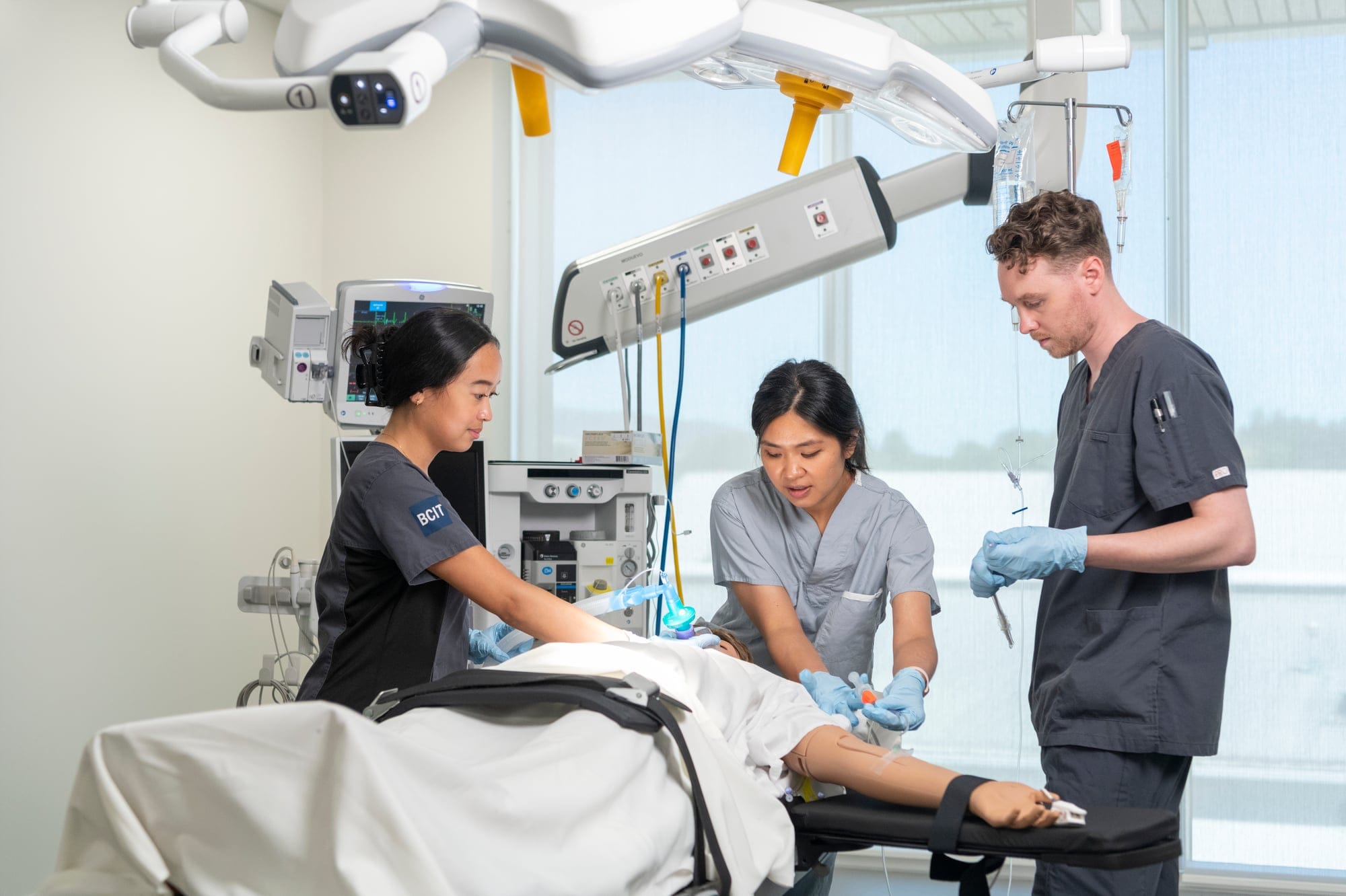
In the fall of 2022, BCIT opened its new Health Sciences Centre. It is the largest health-care simulation facility in Canada and offers sophisticated spaces that replicate hospital workflow as well as living laboratories. BCIT is a major source of certified nurses and allied health professionals in the province and the largest provider of trades training and apprenticeship programs in Western Canada.
Construction began in 2023 on the new Trades and Technology Complex, which will combine state-of-the-art workshops, simulation lab space, makerspace and a reconfigured works yard. A mass timber carpentry pavilion will also be part of the new complex. A new 12-storey residence will open this fall at the BCIT Burnaby campus, providing 470 students with affordable on-campus housing.
Quick facts
School size:
Large
Tuition:
Degree $8,900-$9,500
Diploma $7,100-$11,600
Certificate $3,900-$18,000
Post-Grad $7,100-$12,900
Related Posts
George Brown College
Capilano University
Residence offerings:
Yes
Popular programs
Electrical Apprenticeship
Bachelor of Science in Nursing
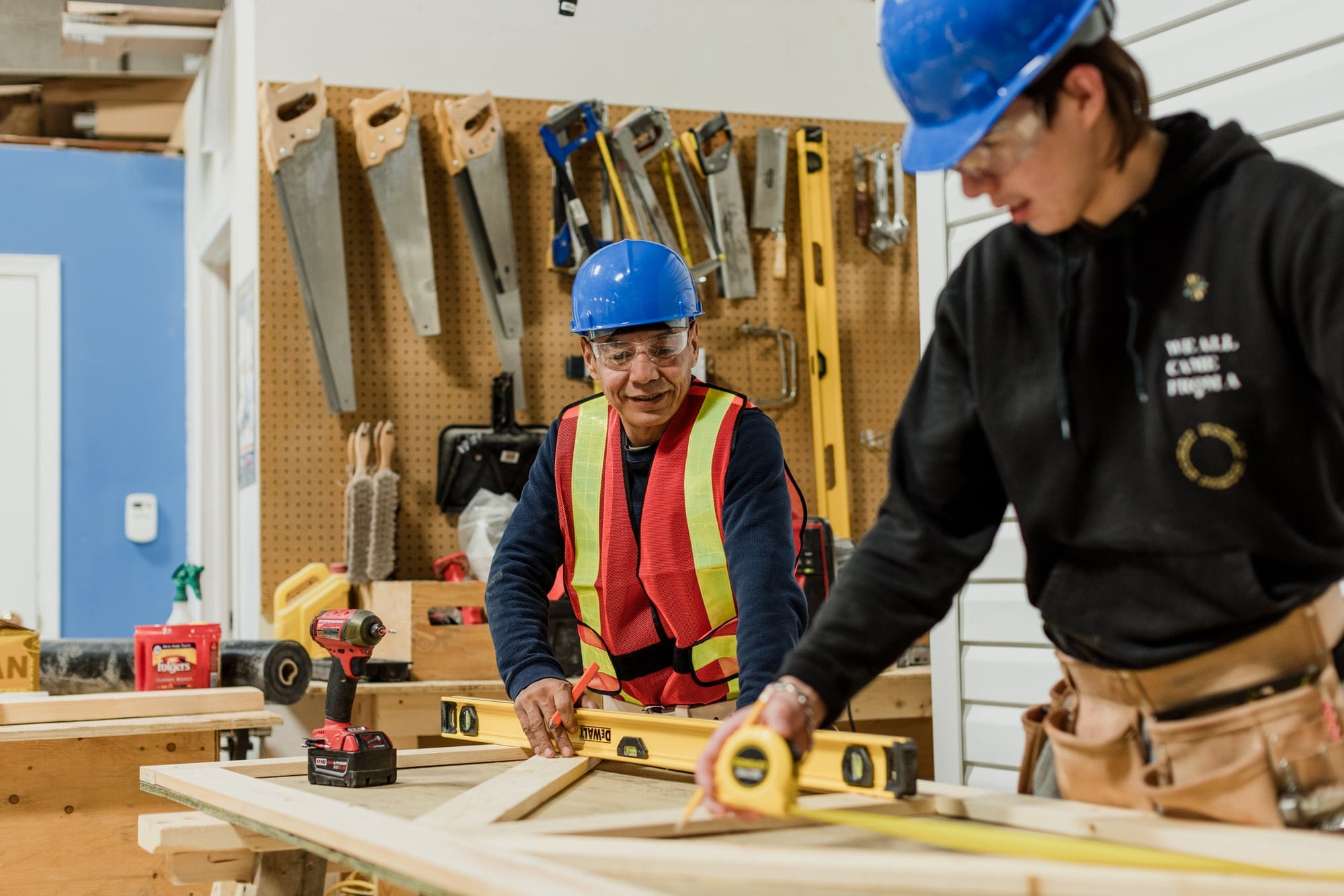
Carpentry Apprenticeship
Electrical Foundation Certificate
Computer Systems Diploma
Cool options
Architectural, Construction and Engineering Fields (ACE): This microcredential for high school grads provides introductory knowledge before two six-month paid internships in the field.
Cardiovascular Perfusion: In this certificate program, students learn how to operate specialized perfusion equipment and graduate ready to enter the operating room. First-year classes are online, while in the second year, students gain hands-on skills through clinical rotations.
Construction of Mass Timber Structures: This associate certificate provides students with technical knowledge in building with mass timber, a sustainable and renewable material.
Related Posts
Saskatchewan Indian Institute of Technologies