College of New Caledonia
The College of New Caledonia (CNC) has deep roots in its region and offers programming distinctly relevant to northern British Columbia. These include a full range of programs in university studies, business, health sciences and trades and technologies. The college has six campuses—in Prince George, Quesnel, Burns Lake, Fort St. James, Vanderhoof and Mackenzie—
spanning a region of 117,500 square kilometres.
Many of the school’s campuses have breathtaking natural surroundings, making them appealing destinations for nature enthusiasts. Students have a wide range of ways to study and connect at CNC. These include hybrid flexible options for some programs and courses that blend digital and in-person learning, along with online education and in-classroom learning. The school offers hands-on training through shop spaces, labs, practicum placements and other work-integrated learning opportunities.
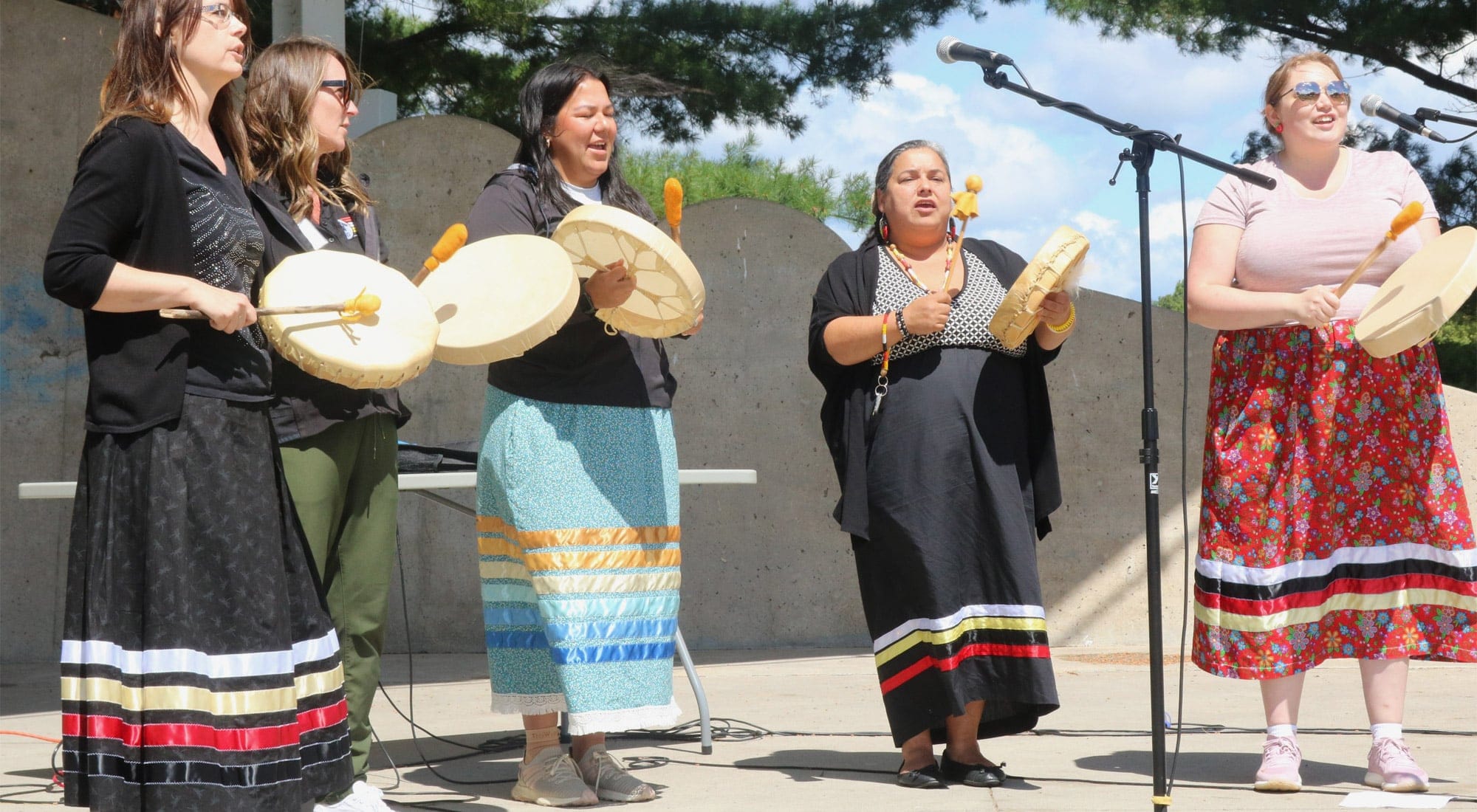
Fifteen per cent of CNC’s full-time students identify as First Nations, Métis or Inuit. A new Aboriginal student housing facility opened in 2021 and offers culturally supportive housing for Indigenous students from remote communities. The college’s Aboriginal Resource Centre provides academic support, study space, computer labs and access to a cultural adviser. An Elder is also available at the centre to support Indigenous students as they pursue their education.
Quick facts
School size:
Mid-size
Tuition:
Diploma $3,900-$13,600
Certificate $3,500-$8,600
Post-Grad $5,400
Related Posts

Saskatchewan Indian Institute of Technologies

Capilano University
Residence offerings:
Yes
Popular programs
Business Management Diploma
Associate Degree in Arts
Northern Collaborative Baccalaureate of Nursing
Health Care Assistant Certificate
Human Resource Management Post-diploma
Cool options
Tourism and Hotel Management: Led by industry experts, students learn analytical, interpersonal and practical skills for supervisory and management roles in this post-diploma program.
Civil Engineering Technology: Students gain relevant theoretical and practical knowledge in this two-year, hands-on diploma program.
Medical Sciences Diploma—Veterinary Pathway: This program prepares students for veterinary school.
Related Posts