Lethbridge Polytechnic
On a clear day, you can see the Rocky Mountains from Lethbridge’s 110-hectare main campus. Canada’s first publicly funded community college, Lethbridge was redesignated as a polytechnic institution in the fall of 2024. It offers more than 65 certificate, diploma, pre-employment, applied degree and apprenticeship programs. Depending on their program, students can choose from classroom-based courses, online courses or a combination of the two. Programs include nursing, justice studies, agriculture and engineering technologies. There are university transfer programs in both business administration and general arts and science, and students in them can complete their first two years at Lethbridge and then transition to universities across Canada. Students live in single suites or two- and four-bedroom apartment-style residences.
Areas of applied research at Lethbridge include irrigation, agricultural engineering and technology, virtual and augmented reality, green antibiotics (plants with antibiotic properties), post-harvest technology and aquaponics. Students at the college also benefit from the use of augmented and virtual reality technology.
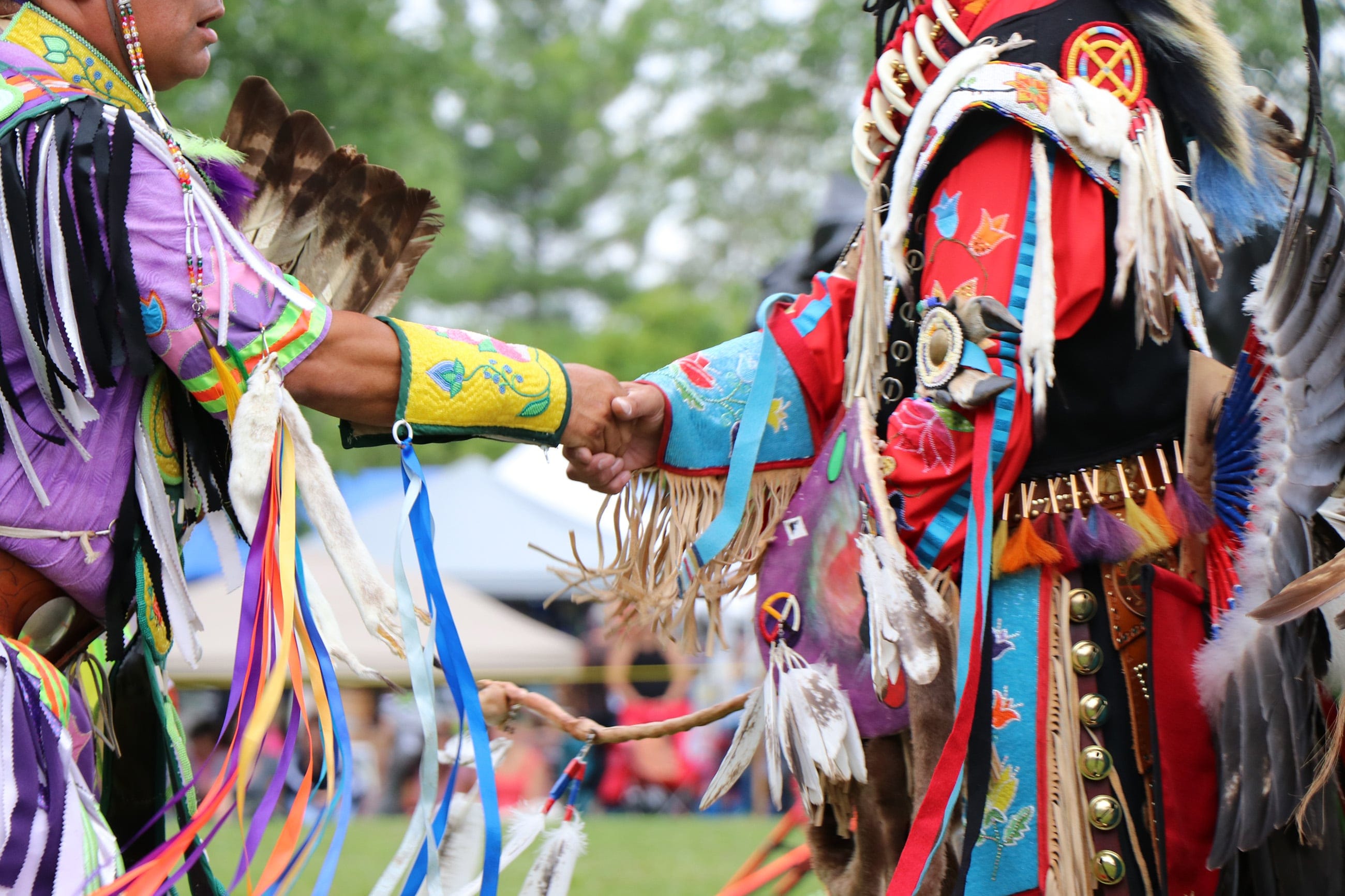
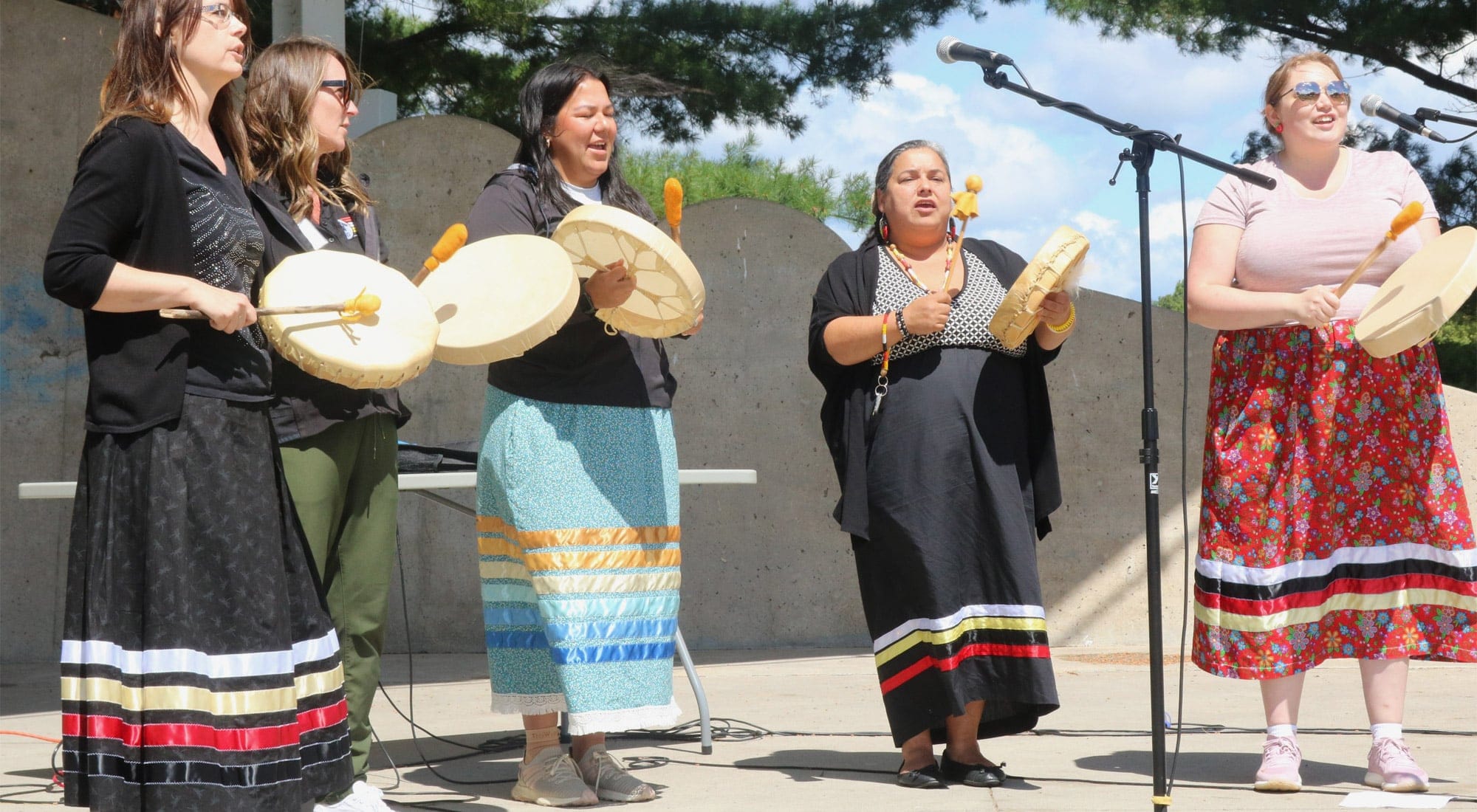
Lethbridge Polytechnic offers many resources to support First Nations, Métis and Inuit students, as well as its many international students.
School size:
Mid-sized
Tuition:
Degree $8,500-$9,500
Diploma $5,500-$8,500
Certificate $5,000-$12,500
Related Posts
Saskatchewan Indian Institute of Technologies
Capilano University
Residence offerings:
Yes
Popular programs
General Arts and Sciences Diploma
Business Administration Diploma
Criminal Justice Diploma
Computer Information Technology Diploma
Practical Nursing Diploma
Cool options
Wind Turbine Technician: Focused on safety and designed to meet international certification standards, this program provides hands-on experience. Students work on wind turbine components, like the 309,000-pound nacelle, and scale the training tower on campus. Eighty-five per cent of graduates obtain related jobs within one year of graduating.
A’paitsitapisksinimaattsaa (Weasel People Education): This one-year certificate combines both classroom and land-based learning to explore the A’paitsitapi. Blackfoot culture sees weasels as the mark of a leader or strong knowledge keeper. The program incorporates knowledge from experts in Blackfoot traditions and heritage and aims to broaden students’ understanding of Blackfoot culture.
Early Childhood Education Internship: Geared to those already working in early learning and childcare settings, classes are scheduled in person or online in the late afternoon, so students can spend most of the day at work to maintain their income.
Related Posts