Affordable Dorm Alternatives for University Students
Residence life isn’t for everyone—some students find it too expensive, too busy or too regulated by rules and quiet-hour policies. Those looking for alternatives aren’t limited to renting rooms near campus, however. Here, we look at two students who found alternative living arrangements off-campus, maintaining independence while still living in the company of their peers, all for a fraction of the cost of residence.
The Student Apartment
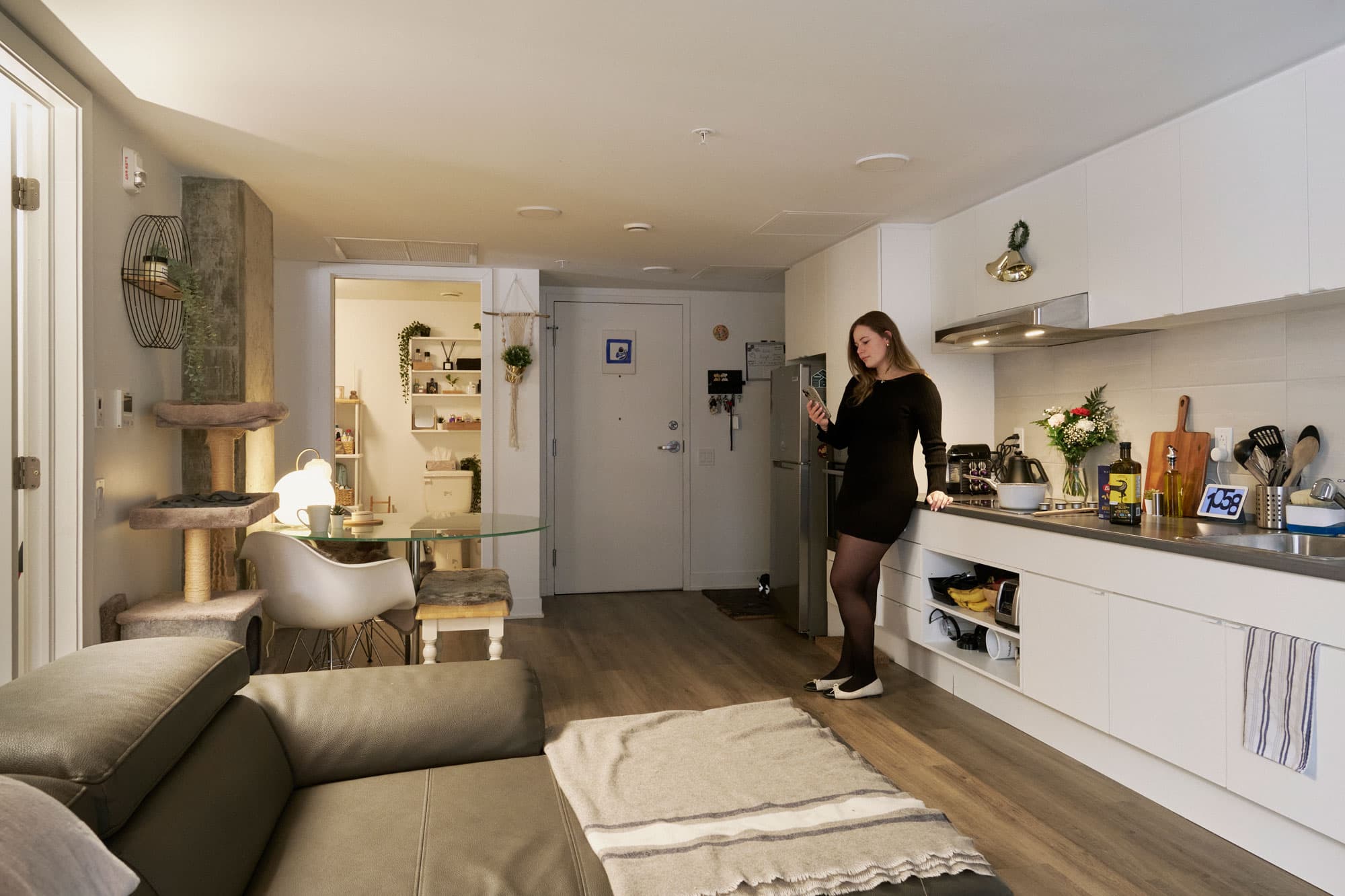
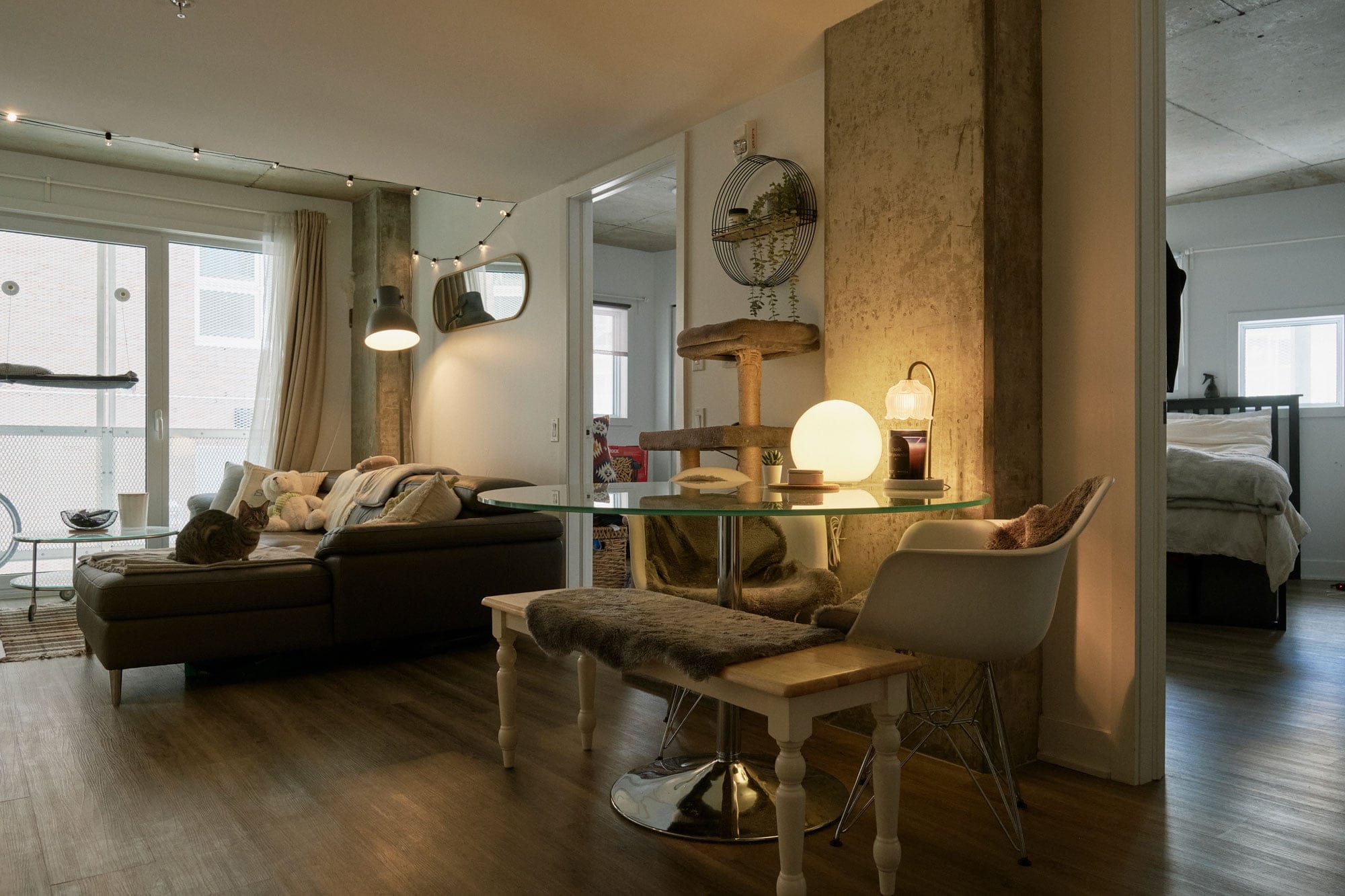
McGill grad student Kassandra Gervasi has lived in an apartment complex run by UTILE, a Quebec-based, non-profit student housing organization, since she began her undergrad in 2022. She continues to live there with her partner (also a student) as she completes her master’s in political science. The building operates more similarly to a standard apartment complex than a traditional residence.
The space: Gervasi’s building, located about 20 minutes from the McGill campus, is largely made up of unfurnished studio apartments—though larger units for couples, roommates and student parents are available, like Gervasi’s two-bedroom apartment. Each unit has its own kitchen and bathroom. Unlike most university residences, students apply directly for a specific unit and aren’t assigned roommates. The building also has amenities available to all tenants, including a laundry room, bike storage and a communal room with seating, TVs and games that residents can use for studying or social hangouts. Students also frequent Cafe Kujira, located on the ground floor.
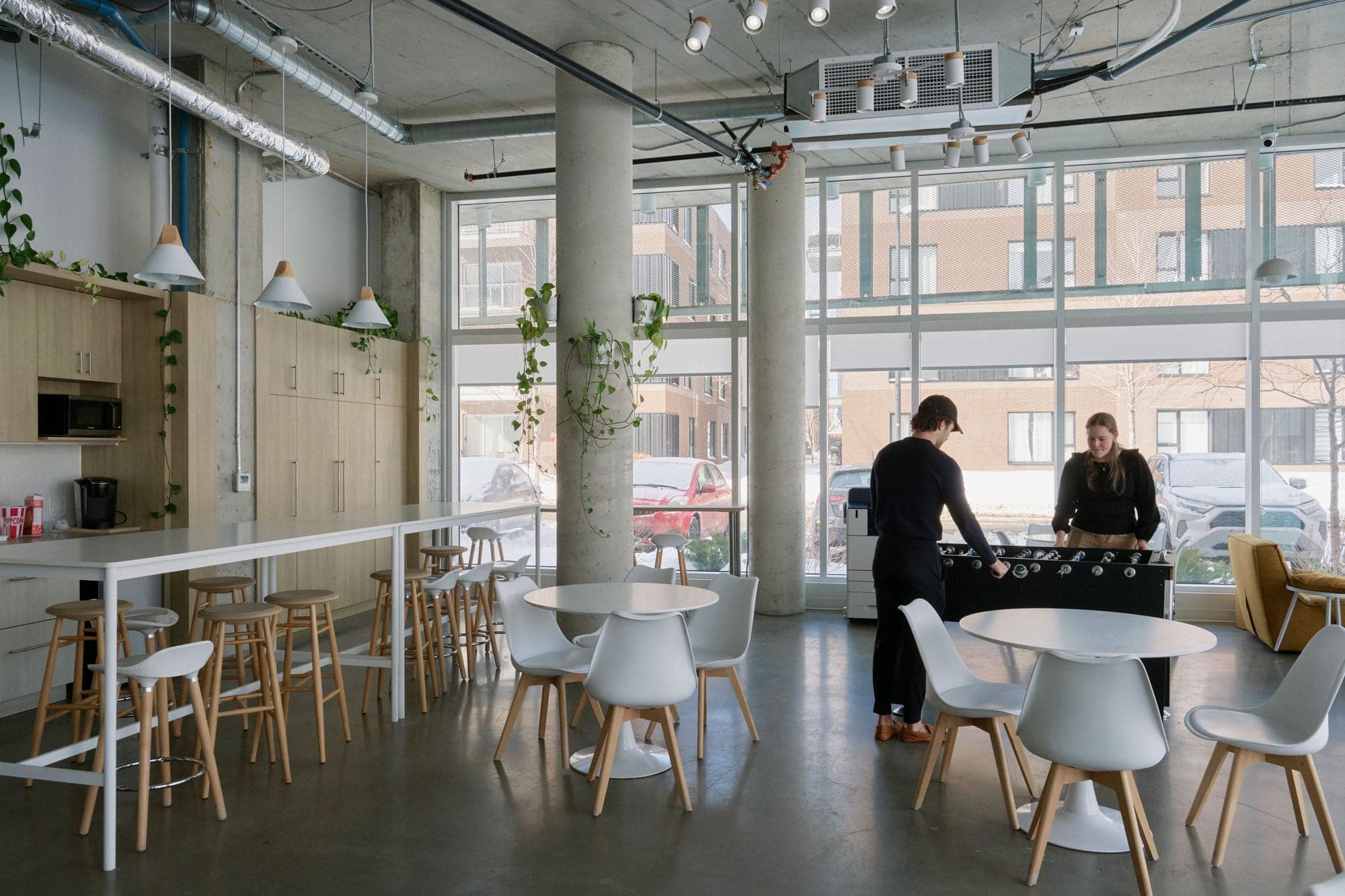
The arrangements: Each tenant is responsible for furnishing and cleaning their own unit, while the building is responsible for maintaining common spaces, like the communal room.
The cost: Gervasi’s unit is $1,355 per month, which includes utilities and Wi-Fi. There is no meal plan, so students are responsible for buying and cooking their own food.
Related Posts

The Confusion and Controversy of University Meal Plans

How to Plan a Gap Year
In her words: “The whole concept of student living is that it brings people together. You’re with people from all over the province, but they’re all there for a common reason—to pursue their education.”
The Student Co-op
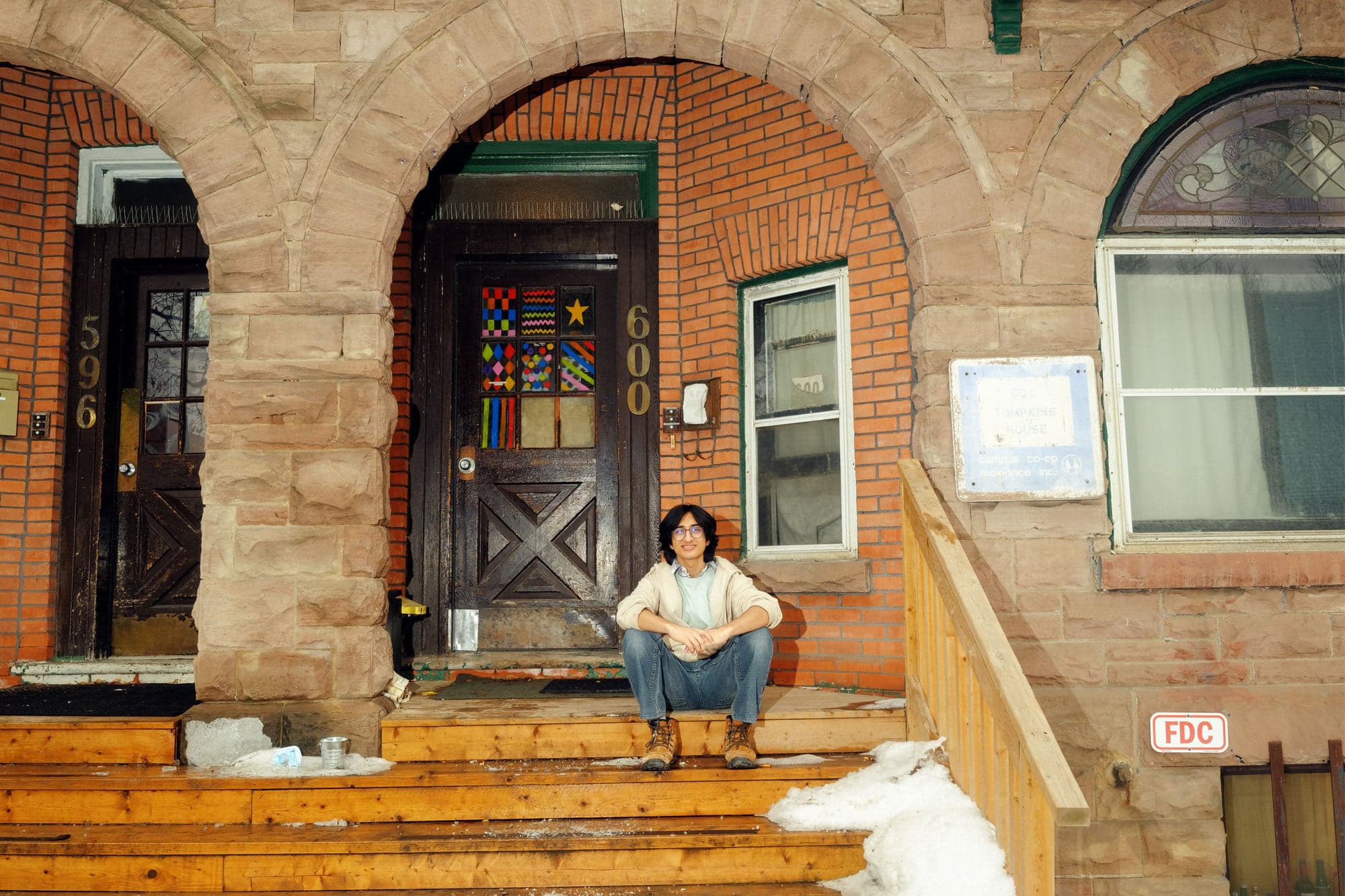
Rayyan Ahmed moved from Waterloo to Toronto to begin his first year studying psychology at Toronto Metropolitan University last September. Instead of living in residence, which was too expensive for his budget, he moved into a house run by Campus Co-operative Residences, a student-led housing co-op.
The space: The co-op is made up of 23 renovated Victorian houses about a 25-minute walk from TMU’s campus. It’s close to a subway line and is within walking distance of grocery stores. Ahmed’s house has three floors, including one shared kitchen, three bathrooms (one per floor), a large living room with a TV and games and multiple outdoor spaces. (The bedrooms and common spaces are partially furnished.) The vibe is a cross between a student residence and a large family home: busy, sometimes chaotic, but still allowing independence.
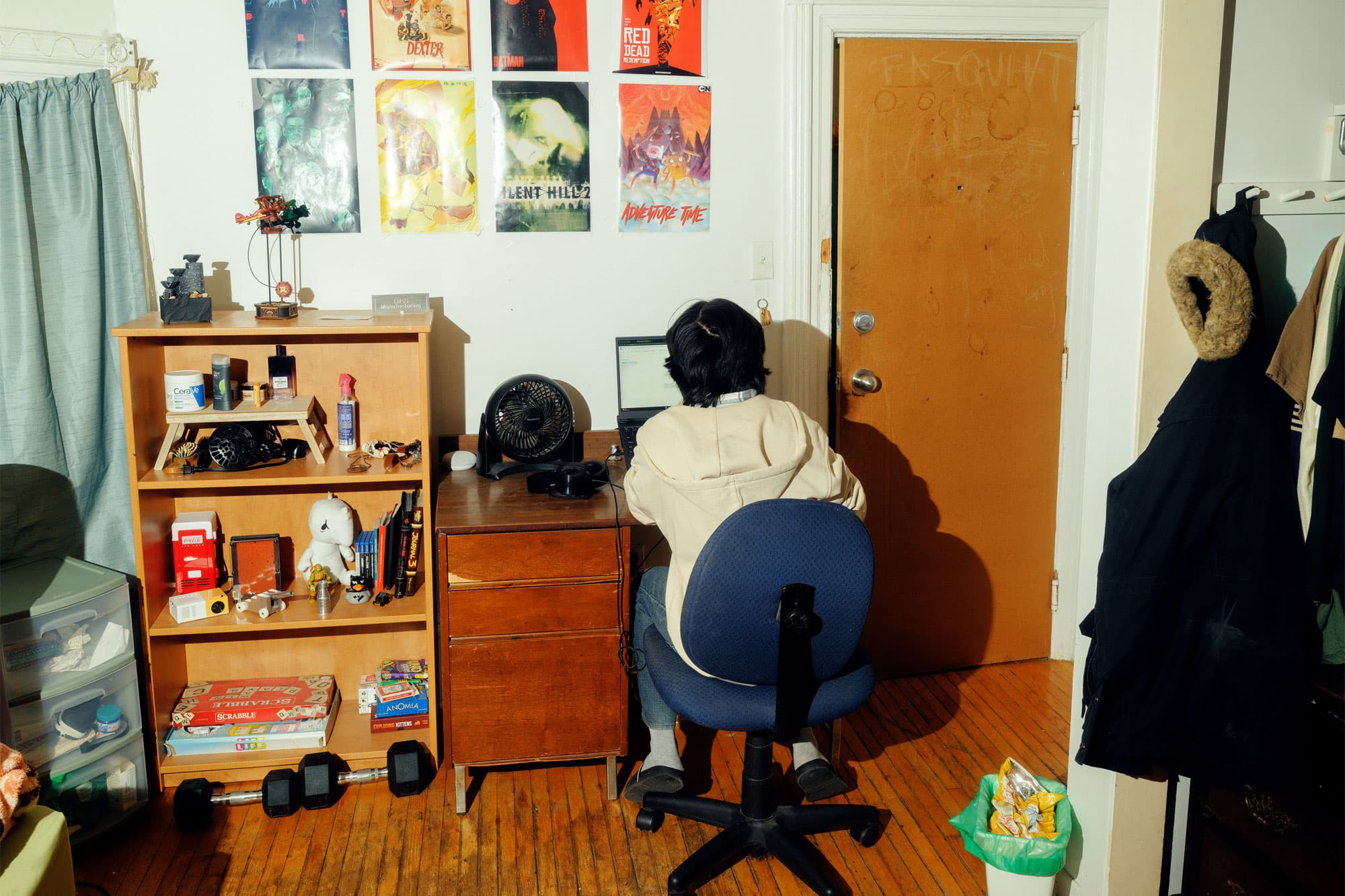
The arrangement: The house’s 12 tenants come from various schools, and each has a private room. They hold monthly house meetings to discuss chores, how the house budget from the co-op should be allocated and any group trips or activities that need approval from the co-op board. Responsibilities are divided up: each floor cleans its bathroom and people share rotating kitchen and common-area chores. (Ahmed is the labour officer, which means he keeps track of who’s doing what.) When conflicts occasionally arise, particularly around shared kitchen space and dirty dishes, students consult house rules to mediate them.
The cost: Prices vary based on room and house. Ahmed pays $770 per month, which includes utilities, Wi-Fi, cleaning supplies, toilet paper and maintenance. Residents can opt into a meal plan provided by the co-op for an additional cost, but Ahmed buys and cooks his own food to keep costs down.
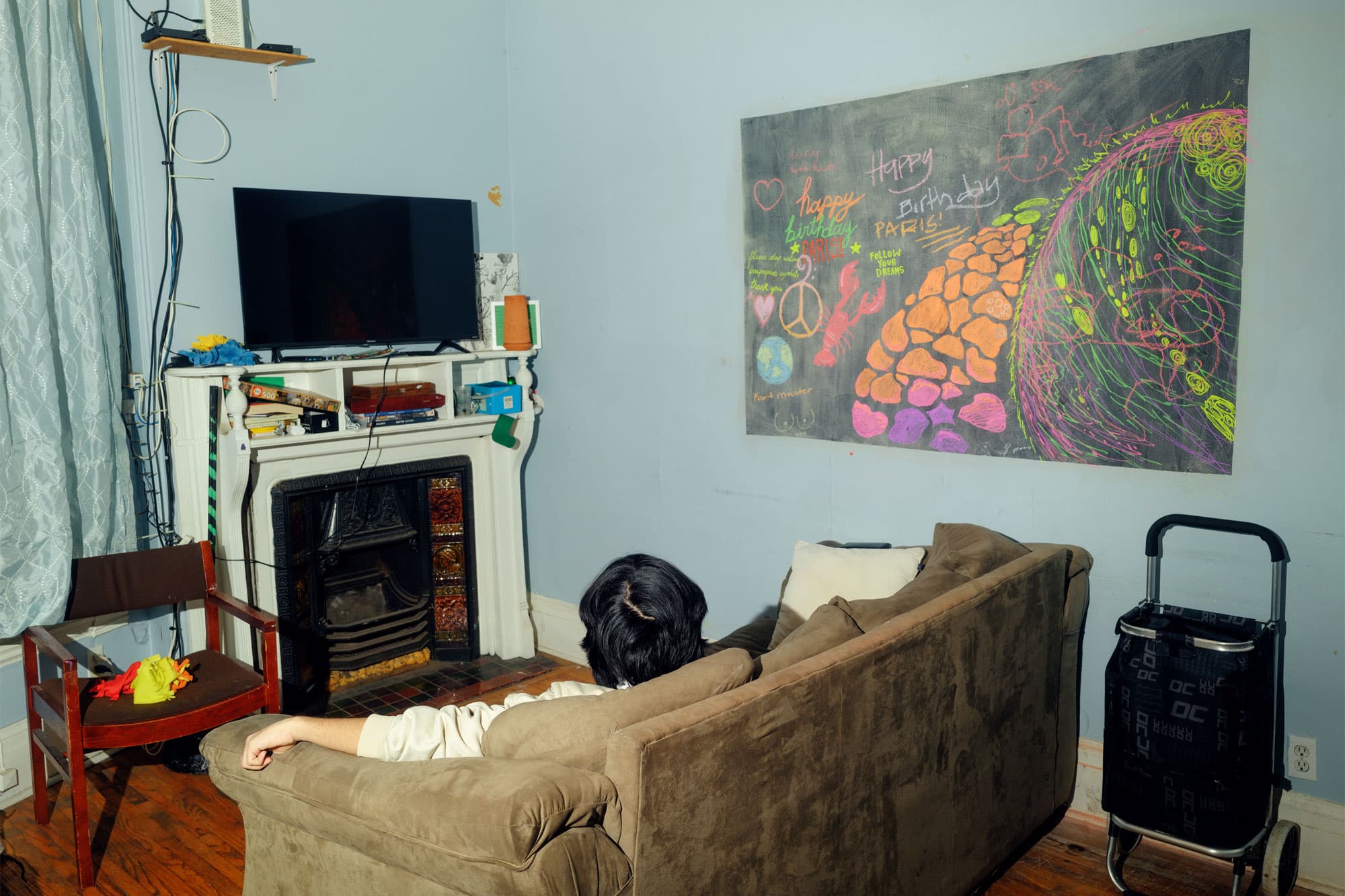
In his words: “Co-ops are basically dorm life at a quarter of the cost. You’re surrounded by other students, and you learn pretty quickly how to live with people and figure things out on your own.”
This story appears in the 2026 edition of the Ultimate Guide to Canadian Universities. You can buy the issue for $19.99 here or on newsstands.
Subscribe to Message Board, our weekly newsletter guide to planning your post-secondary journey
Whether you’re a student, parent or guidance counsellor, Message Board is a resource you won’t want to miss out on.
Related Posts

The Crisis in Student Housing
I was a Campus Tour Guide. These are the Best Questions People Asked Me.

The Fight to End Hunger on Canadian University Campuses