
The Foreign Worker Clampdown Is Killing My Restaurant
Eight years ago, if you wanted authentic Mexican tacos in Mississauga, Ontario, you’d have to drive nearly an hour to downtown Toronto. My then-wife was from Mexico, and we were looking for some extra income, so it became our dream to fill this gap. We wanted to open a bona fide Mexican spot where our young family and neighbours could enjoy the tried and true recipes passed down from my wife’s grandmother.
In 2016, we sold our house and downsized to free up some cash. A local restaurant was closing, so we took over the space and opened El Mariachi Tacos in March of 2017. It was our first time running a restaurant, and we had to teach ourselves how to plan the menu, design the space and structure the business. We eventually got the hang of things, but there was one road bump we just couldn’t overcome: it was a huge struggle to find any kitchen staff, let alone qualified kitchen staff.
We had no problem hiring students and full-time workers to work the front-of-house. But after posting job listings for cooks on Indeed, the Canada Job Bank, Newcomers Job Centre and social media, we received very few resumés, and almost none with relevant experience. We ended up hiring untrained cooks, which backfired quickly. We had good, authentic recipes on our side, but this meant everything was made fresh, leaving a lot of room for error in the back-of-house. My wife and I weren’t professional chefs, so we couldn’t give these cooks the training they needed. The food was inconsistent, and customers often sent dishes back. I started to worry when bad reviews began trickling onto our Google page.

Related: You Can’t Run a Tourist Town Without Foreign Workers
It wasn’t until I was talking about the issue with a family friend who owns several Applebee’s franchises, that I considered the Temporary Foreign Worker Program, or TFWP. If we couldn’t find the workers we needed in Mississauga, why not hire cooks from Mexico or other countries? He connected me with an immigration consultant and, a year after opening, we started hiring TFWs, mainly from Mexico. We welcomed several who had worked as cooks at resorts in Cancun and had culinary training on their resumés. Having grown up in Mexico, they also had the right palates for the authentic Mexican food we were serving. We also hired two experienced chefs who had run kitchens in Jamaica. Pretty soon, the food improved. Word got around, business took off, and by December of 2022 we were opening a second location in Port Credit, in the south end of Mississauga. Across the two kitchens, we had 12 to 14 TFWs cooking for us at a time. Things were looking up.
Then in late 2024, the federal government announced a massive course correction for immigration, which decimated the TFWP. The cap for lower-wage TFWs in the workforce was reduced from 20 to 10 per cent, work-permit durations fell from two years to one, and applications were banned in areas with stronger employment numbers. This resulted in a 50 per cent overall drop in applications across Canada; the number is 70 per cent for low-wage workers.
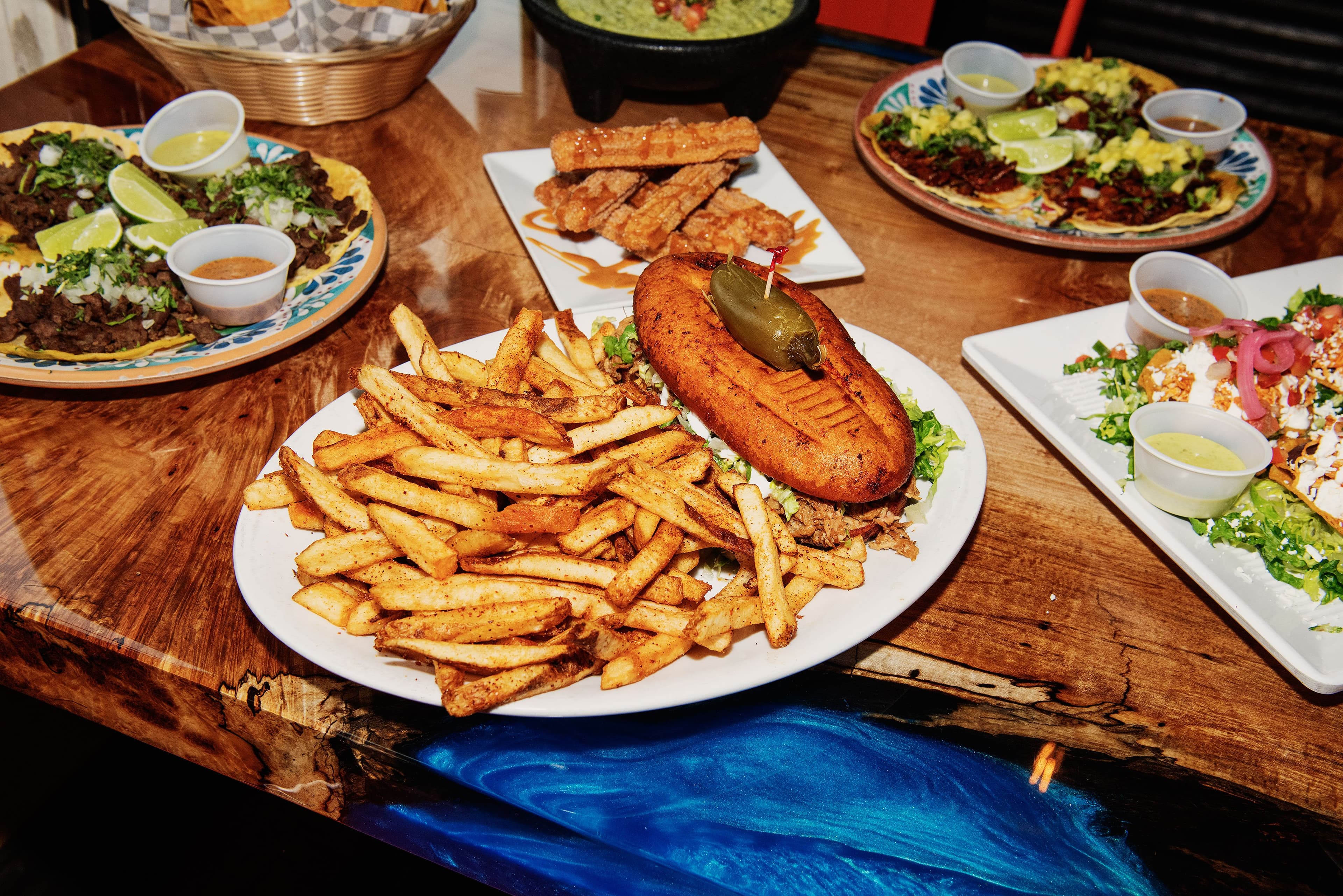
The changes have been a nightmare for the experienced chefs who make El Mariachi Tacos what it is—the chefs who improve upon our recipes and bring the expertise and grit necessary to keep restaurants alive nowadays. Over the last year, we’ve felt the impact of these reductions first-hand. Several of my cooks have returned home following the expiration of their permits, forcing us to operate with reduced staff and with cooks working overtime. We haven’t been able to fill their positions using Canadian labour, and I’m considering closing our Port Credit location.
Related: My Toronto Pizzeria Is Ditching U.S. Ingredients
I’m incredibly stressed out about the future of my two restaurants. I’m also worried about my workers, some of whom have called Canada home for over two years. Back in Mexico, they’re dealing with abysmal pay, unsafe working conditions and cartel violence. One of my cooks was even planning to bring his family here to join him, and now that likely won’t happen. My workers are disappointed, and they’re angry. In hopes of keeping them in Canada, I’ve spoken to my local Liberal MPs Charles Sousa and Rechie Valdez to gauge the future of the TFWP and if there’s anything I can do to retain workers. They simply encourage me to hire domestically.
In the meantime, we’re back to scouring Canadian resumés—and coming up empty-handed. It’s not that there aren’t talented chefs in Toronto and the GTA. It’s that they aren’t applying to work in mom-and-pop restaurants in the suburbs like ours. They want to work in more prestigious kitchens or at corporate chains like The Keg or Moxie’s where they have more opportunities to advance. The reality is that most cooks who work for us will remain cooks. But for TFWs, a job in our kitchen isn’t viewed as a stepping stone to a better position. It’s a way for them to provide for their families and one day get permanent residency.

The TFWP gets a bad rap for being exploitative, and not without reason. When a worker’s legal status in Canada is dictated by an employer, it opens the door for bad actors to coerce them into accepting poor and unsafe work conditions, underpayment, substandard housing, abuse and intimidation. People also say business owners like myself use it for cheap labour and drive up unemployment. But this is patently untrue for employers who use the program ethically. In fact, it’s more expensive and time consuming for me to hire through the TFW than it would be to hire a Canadian. I pay for an immigration consultant, application fees and the work permit, all of which amounts to around $4,300 per worker.
Granted, there is a lot of exploitation within the program, but not in my kitchen. My cooks are paid $22 an hour plus tips and they receive full health and dental benefits. The TFWP isn’t designed to poach jobs from Canadians. It exists explicitly to fill jobs locals can’t or won’t do. My cooks are capable, kind, taxpaying individuals who are here because we need them, not because we want cheap labour.
I blame the feds for my situation. They failed to manage immigration in the wake of the pandemic, and they failed to crack down on the fraud and exploitation that gives the TFWP a bad name. Across the country, small-business owners like myself rely on the program to keep our restaurants, farms and construction sites viable in the face of chronic labour shortages. Without it, we have nowhere else to turn.
Michael Aitken is the co-founder and owner of El Mariachi Tacos and Churros, a Mexican restaurant in Streetsville, Mississauga.
Related Posts

How to Stop the Gen Z Slowdown

Can Canada Survive Trump’s Attack on Science?

Canada Can Be a Refuge for America’s Grad Students

Canada’s Aging Infrastructure Is a Ticking Time-Bomb
Get the Best of Maclean’s straight to your inbox.
Sign up for news, commentary and analysis. Join 60,000+ Canadian readers.