Helping Women Own the Future
Hard work alone isn’t enough anymore. What matters now is taking charge of your money.
Canadians have been told for decades that if they worked hard, got an education, and bought a home, they could build a better life than their parents. That promise of upward mobility—the idea that each generation could climb higher—has been quietly breaking down.
Today, many young people are doing everything “right” and still find homeownership, financial security, and long-term stability out of reach. The rungs of the social ladder have grown further apart. Effort alone is no longer enough.
The defining force of this new reality is inheritance. Once a private matter of the elderly, it is now the central economic, cultural, and emotional force of the 21st century. Family wealth—or its absence—determines who thrives. In Canada, more than $1 trillion will transfer between generations in the next decade, reshaping opportunity and deepening divides.
That doesn’t mean throwing up your hands. It means being smarter, earlier, about money. Financial literacy and investment know-how are no longer optional; they’re essential. Without them, the lifestyle you work so hard for will remain precarious, especially as Canadians live longer and need to fund more years of life than ever before.
For women, this moment carries even greater weight. For generations, women were told that money was a man’s domain. But by next year, Canadian women will control nearly half of all financial assets. The question is not whether women will inherit wealth—it’s whether they will take leadership over it.
At Women of Burgundy, we believe they must. Since 2014, we’ve built a community where women learn, lead, and invest with confidence—not just for themselves, but across generations.
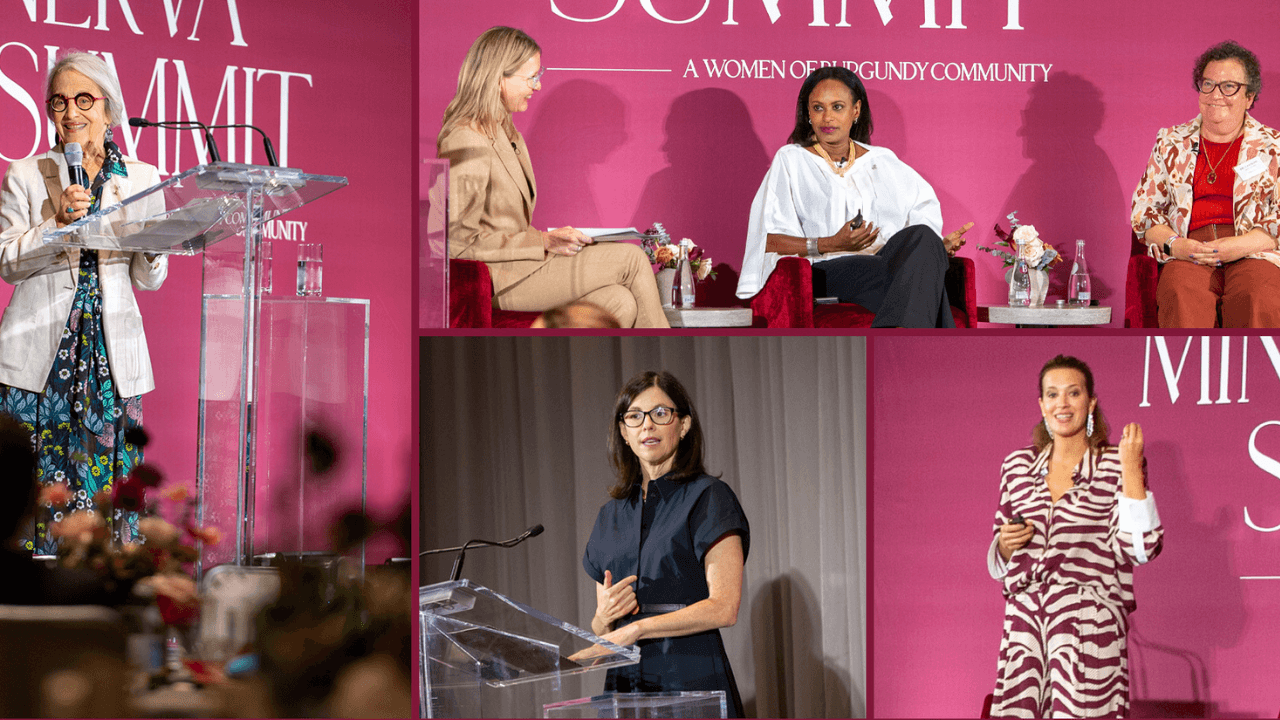
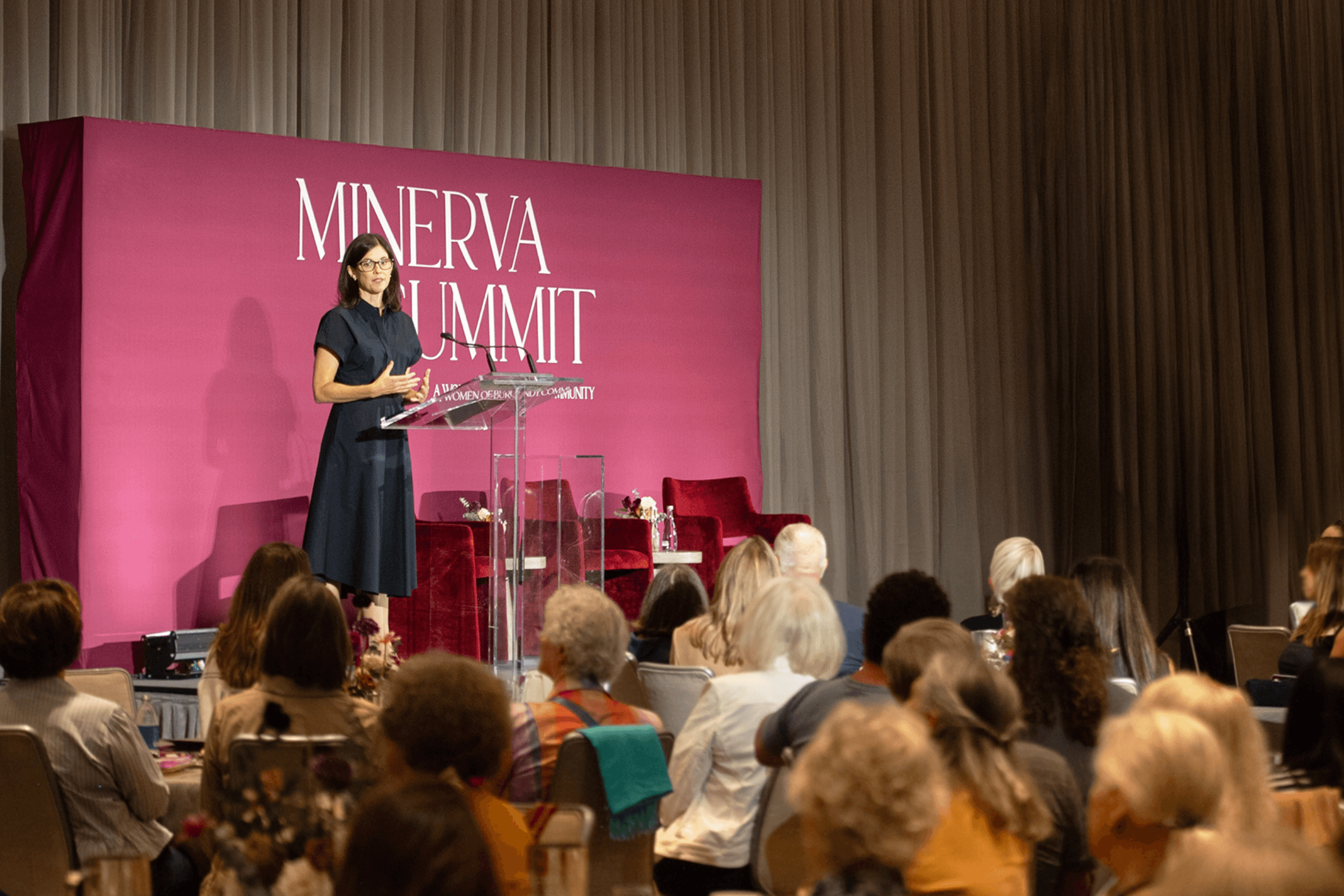
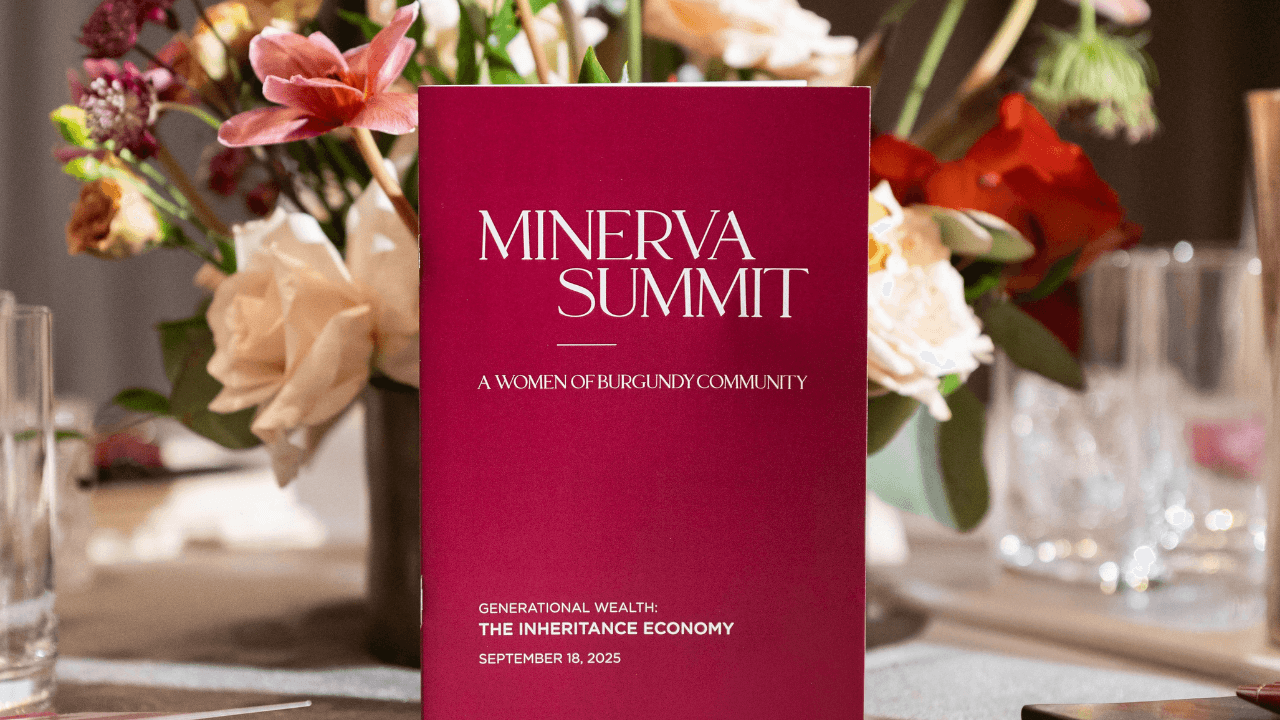
This fall, at our Minerva Summit in Toronto, historian Eliza Filby showed how access to family wealth is reshaping opportunity. Housing expert Carolyn Whitzman and higher education leader Rhonda McEwen explored how these pillars of generational support are under strain in Canada. And renowned political scientist Janice Gross Stein placed these challenges in the wider context of global change.
The inheritance economy is not abstract—it is lived daily in the choices families make: helping children with down payments, rethinking the value of education, and planning for longer lifespans. These are not just financial questions. They are questions of values, agency, and what kind of future women want to create.
At Women of Burgundy, we are preparing women to meet this moment so they can move beyond outdated myths and embrace wealth not as something to be managed quietly, but as a force that can shape lives, families, and communities for generations.
The promise of upward mobility may be fading. But the power to lead in the inheritance economy is wide open. Visit burgundyasset.com/women to join Women of Burgundy—a community where women take charge of their wealth, and their future.
This post is presented for illustrative and discussion purposes only. It is not intended to provide investment advice and does not consider unique objectives, constraints or financial needs. Under no circumstances does this post suggest that you should time the market in any way or make investment decisions based on the content. This post is not intended as an offer to invest in any investment strategy presented by Burgundy. The information contained in this post is the opinion of Burgundy Asset Management and/or its employees as of the date of the post and is subject to change without notice.
Related Posts

Boosting Canadians’ employability for the clean economy

What went down at BMO’s BlueCarpet Premiere of Spotlight - Women in Asset Management

An insider’s guide to epic winter exploration in the Yukon

The beauty industry’s innovative shift to inclusivity and sustainability
Get the Best of Maclean’s straight to your inbox.
Sign up for news, commentary and analysis. Join 60,000+ Canadian readers.