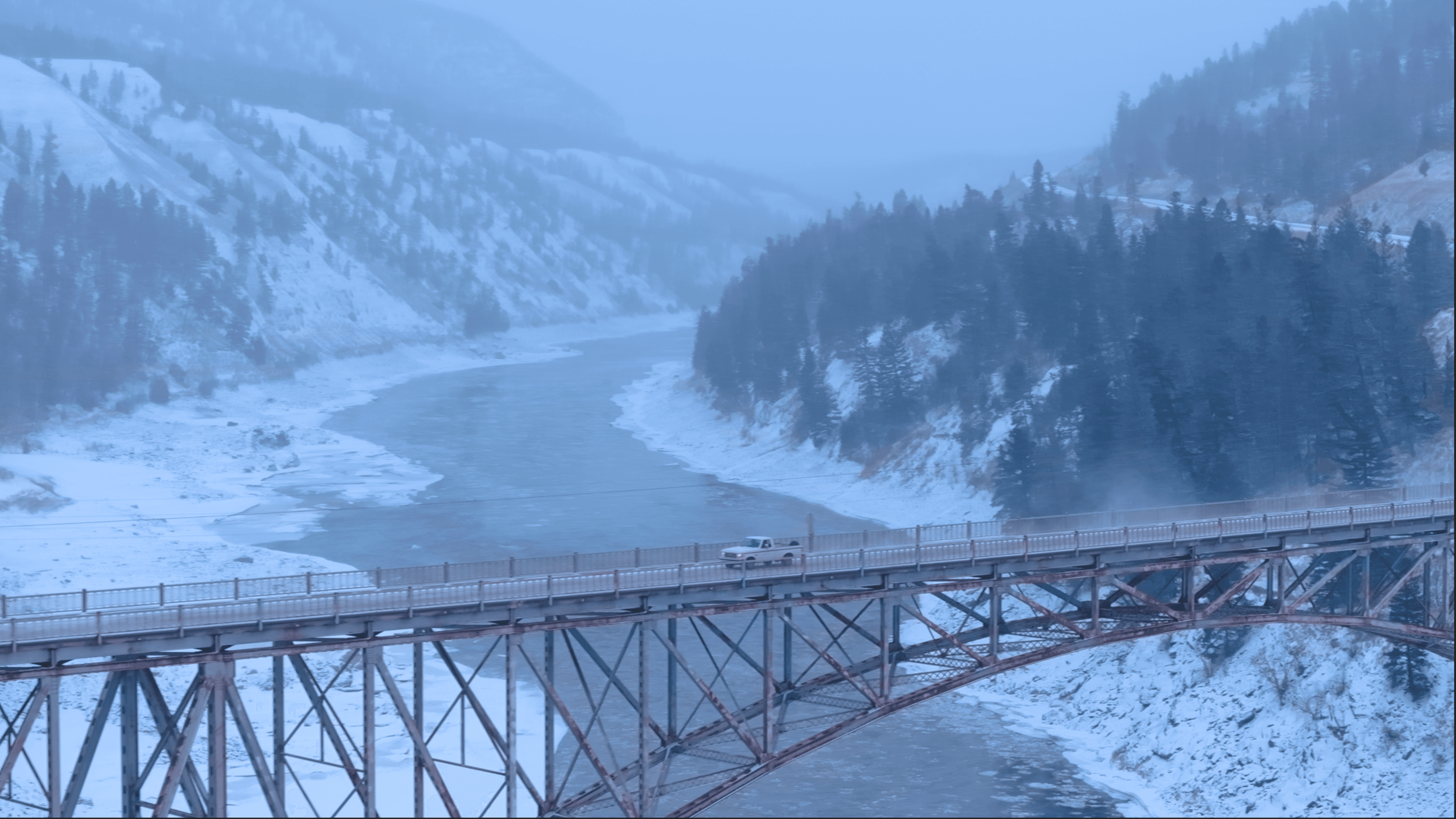
Disconnecting, not disappearing: Canadians want to be offline—but not unreachable

Canada is a country long defined by its vast and varied geography, and for many people, accessing the wilderness offers a way to step back from the pace of everyday life and reconnect with the land and with themselves.
Whether it’s skiing in the Rocky Mountains, hunting in Northern Ontario or kayaking in the Atlantic provinces, every year millions of Canadians travel to places with less infrastructure to find peace and quiet.
But in our highly connected world, full disconnection from friends and loved ones isn’t always practical, and in some situations isn’t always safe. What some Canadians who travel desire is the ability to be offline, but with the option of being reachable for major moments.
Enter Rogers Satellite, a service designed to provide connectivity in places never before thought possible. As the first and only Canadian wireless provider to launch satellite-to-mobile services, Rogers made text messaging and text-to-911 available to all Canadians regardless of their wireless carrier, as part of its beta trial beginning last July.
And following the service’s launch in December, Rogers Satellite now supports some of the most popular satellite-ready apps, including WhatsApp, Google Maps, AccuWeather, X and CalTopo. With these apps, customers can now make app-based satellite-to-mobile calls, check weather, use mapping and stay in touch using most modern smartphones in areas where traditional cell coverage is not available.
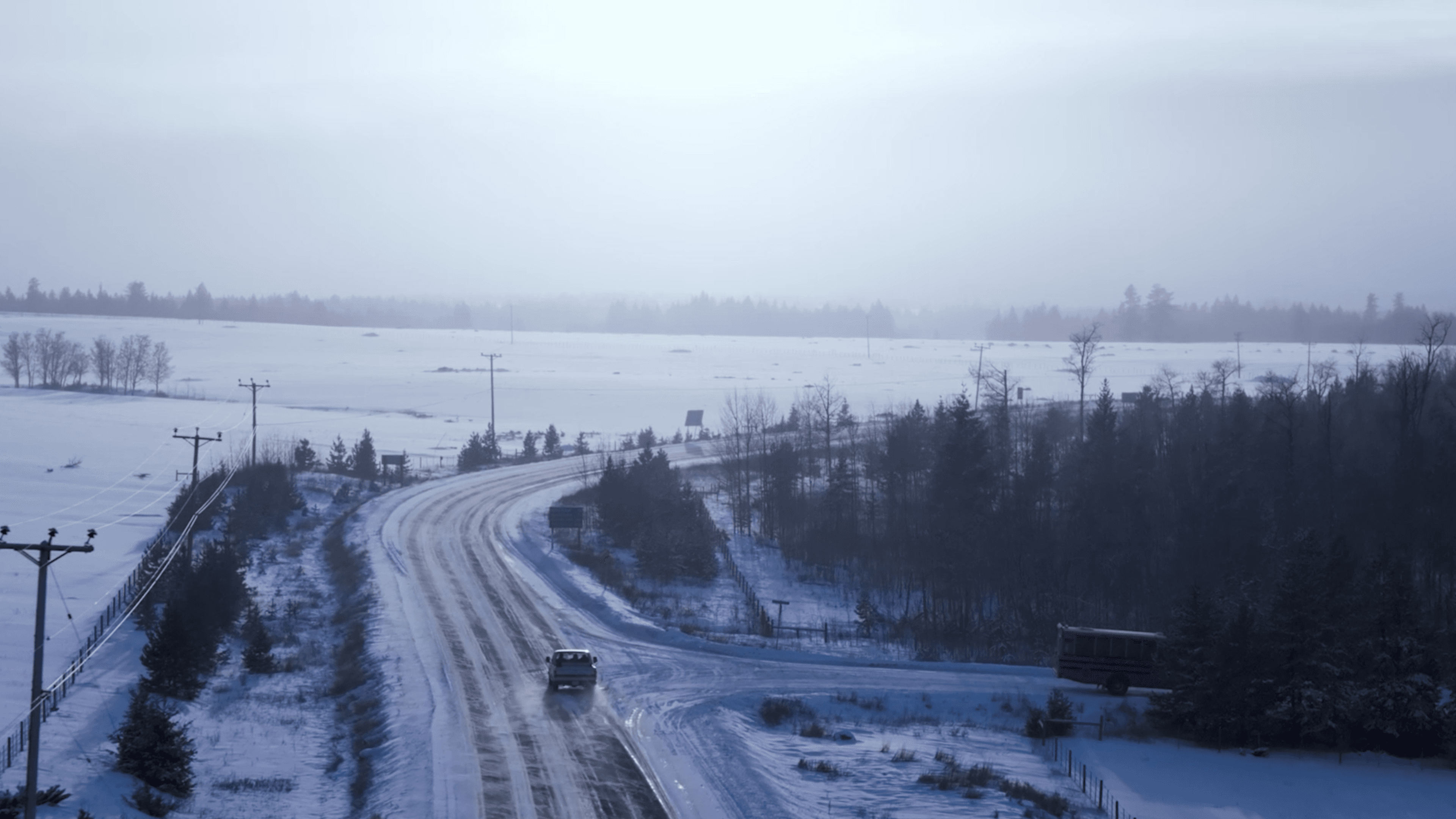
Rogers Satellite brings connectivity to the great outdoors
For Canadians travelling along stretches of highway without wireless service, having access to maps and forecasts can help shape decisions about when to keep going or when to turn back.
The ability to make an app-powered voice call or send a quick check-in message adds a layer of precaution and reassurance. With more satellite-ready apps and features on the horizon, it’s clear Rogers Satellite is changing what it means for Canadians to travel areas not covered by traditional cellular service.
Network traffic shows that during the beta trial, participants used Rogers Satellite as they travelled in some of the country’s most iconic destinations where traditional cell coverage was not available. This included Algonquin Provincial Park in Ontario, Banff National Park in Alberta, Yoho National Park in British Columbia, Les Lacs-du-Témiscamingue in Quebec, and Fundy National Park in New Brunswick.
A survey conducted by Rogers reinforces this view. Eighty-six per cent of Canadians surveyed felt that satellite-to-mobile would help provide “peace of mind” in instances where there is no mobile coverage, while 89 per cent felt satellite-to-mobile would be useful when travelling through areas with no cell coverage.

Canadians want quiet, not isolation
Canadians can choose to step away from the noise and pace of daily urban life to explore parts of our country without traditional cellular network coverage. They can do so knowing they still have a way to reach friends and family when they need to.
Rogers customers on select plans can enjoy Rogers Satellite for promotional periods at no additional cost. All Canadians can sign up for Rogers Satellite for $15/month, with beta trial participants receiving a $5/month discount for the first 12 months.
To learn more about Rogers Satellite, including information about service availability and limitations, visit rogers.com/satellite.
Related Posts

What went down at BMO’s BlueCarpet Premiere of Spotlight - Women in Asset Management

Boosting Canadians’ employability for the clean economy
An insider’s guide to epic winter exploration in the Yukon

The beauty industry’s innovative shift to inclusivity and sustainability
Get the Best of Maclean’s straight to your inbox.
Sign up for news, commentary and analysis. Join 60,000+ Canadian readers.