The Future of Canada’s Health
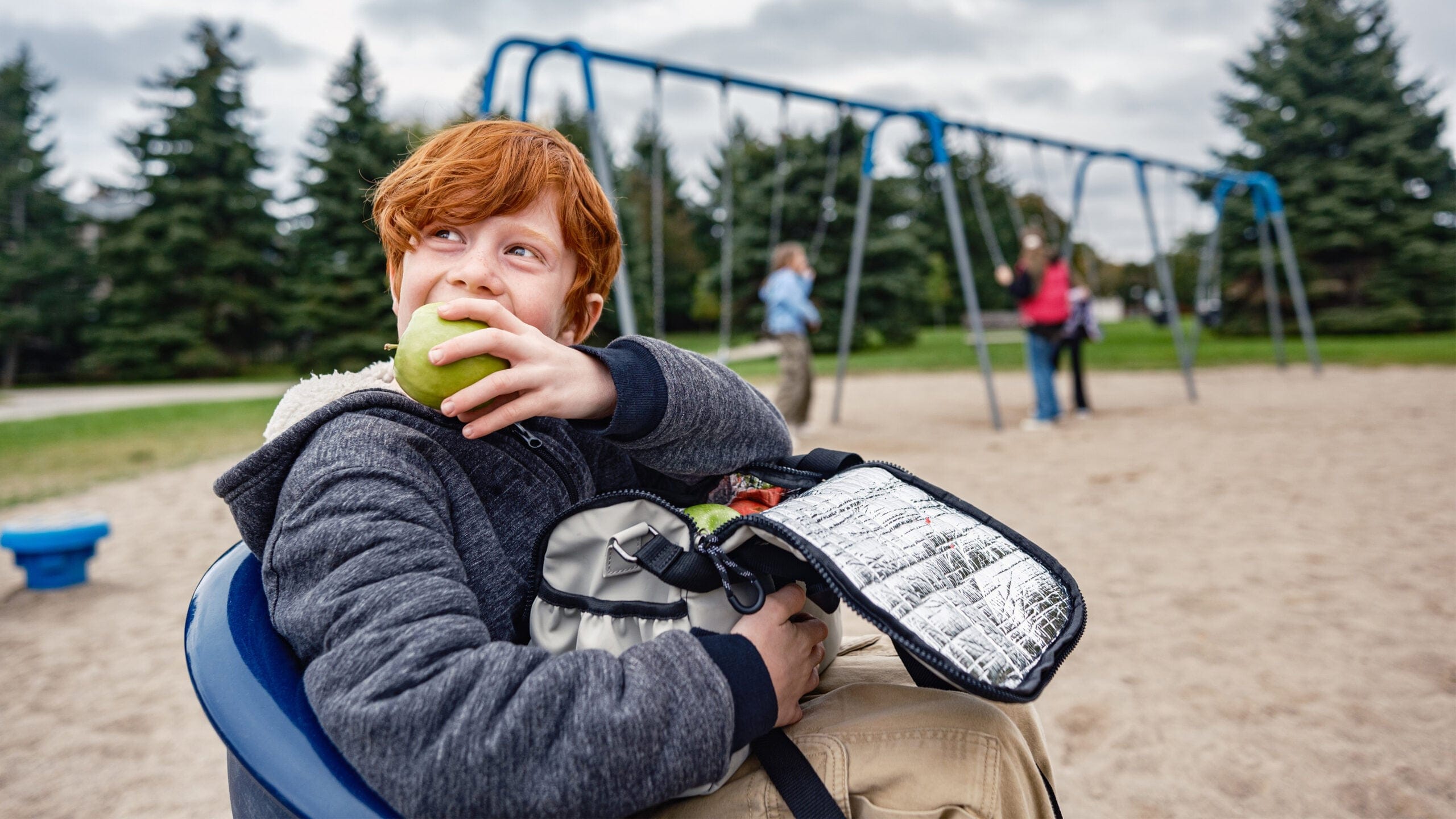
What does it mean to imagine a Canada where every child—no matter their postal code—has the chance to grow up healthy? In many ways, it’s a national ideal. Yet today, that vision seems to slip further from reach. Rising rates of childhood obesity, type 2 diabetes and chronic illness are colliding with inequities in food access, urban design and income—forces that threaten to shape the health of our children and all the children who come after.
The data is sobering. In 2024, global health agencies estimated that 35 million children under the age of five were overweight. By 2050, one in three children worldwide are projected to be living with excess weight or obesity. Here in Canada, the prevalence of type 2 diabetes among children has risen 60 per cent in just a decade. These are not isolated statistics but markers of a shifting landscape—one where prevention is lagging, and the costs, human and economic, will only compound with time.
The barriers are as environmental as they are systemic. A growing body of research shows how neighbourhood design, walkability and safety directly influence physical activity. Children raised in communities with limited green space, fewer affordable grocery stores and higher exposure to ultra-processed foods face greater risks. Food insecurity and low social status do more than reduce choice; they trigger physiological and psychological responses that increase obesity risk. In other words, the health of Canada’s children is not only written at the dinner table or the doctor’s office—it is written into the very environments we build.
Across the country, sparks of reform are enabling change. The ParticipACTION Community Challenge, presented by Novo Nordisk, is one such example. In 2025, more than 856,000 Canadians from 672 communities logged activity through the initiative, competing to be named Canada’s Most Active Community. Beyond the numbers, the challenge demonstrates what can happen when local organizations, municipalities and citizens are supported in creating inclusive opportunities for movement, regardless of background or ability. Since its launch in 2019, it has funnelled over $1.5 million into community sport and recreation programs. That support extends well beyond big cities: remote and underserved places, like Hay River in the Northwest Territories, have taken part—proof that health equity must reach communities often left at the margins.
Novo Nordisk, best known globally as a leader in diabetes care, has placed itself at the centre of these efforts, arguing that solutions must be as “unordinary” as the challenges. Its Network for Healthy Populations, built in partnership with the University of Toronto, is pioneering applied research in the Peel Region with the aim of generating models that can scale worldwide. Through the global Cities for Better Health (CBH) initiative, the company is also backing localized education and urban redesign that integrate nutrition and movement into the fabric of community life. Growing Healthy Places: Mississauga, the Canadian implementation of CBH’s Childhood Obesity Prevention Initiative, will support schools in Mississauga to co-design, implement and evaluate community-driven solutions to promote health and well-being for school-aged children 6 to 13 years old. From investing in healthier food systems to co-creating active public spaces, the work led by local implementation partners Ophea and 8 80 Cities is underscoring a belief that prevention is not a side note to treatment—it is the foundation.
Guided by an equity lens and designing with communities rather than for them, this project is building practical and sustainable place-based solutions that could be scaled across and beyond Ontario.
“If we want to change the trajectory of chronic disease in Canada, we must reshape the environments that influence health,” says Vince Lamanna, president of Novo Nordisk Canada. “At Novo Nordisk, we believe prevention is foundational. That means working with communities, governments and partners to create access to healthy food, active spaces and education so that every child, no matter their postal code, has the chance to grow up healthy. This is not just a health issue—it’s a generational responsibility.”
The future of health in Canada will not be dictated solely by clinical advances but by how we reimagine the environments in which children live, learn and play. It will take coordination across sectors—governments, corporations, schools and neighbourhoods—to reduce inequities that are currently baked into our streetscapes and food systems. But the opportunity is real. And it is urgent.
Building a healthier Canada is not just about adding years to our lifespan. It is just as much about supporting life for years, and to ensure the next generation inherits a country where health is not a privilege, but a shared promise.
Visit novonordisk.ca to learn more.
This article was supported by Novo Nordisk Canada.
Related Posts

An insider’s guide to epic winter exploration in the Yukon

What went down at BMO’s BlueCarpet Premiere of Spotlight - Women in Asset Management

Boosting Canadians’ employability for the clean economy

The beauty industry’s innovative shift to inclusivity and sustainability
Get the Best of Maclean’s straight to your inbox.
Sign up for news, commentary and analysis. Join 60,000+ Canadian readers.