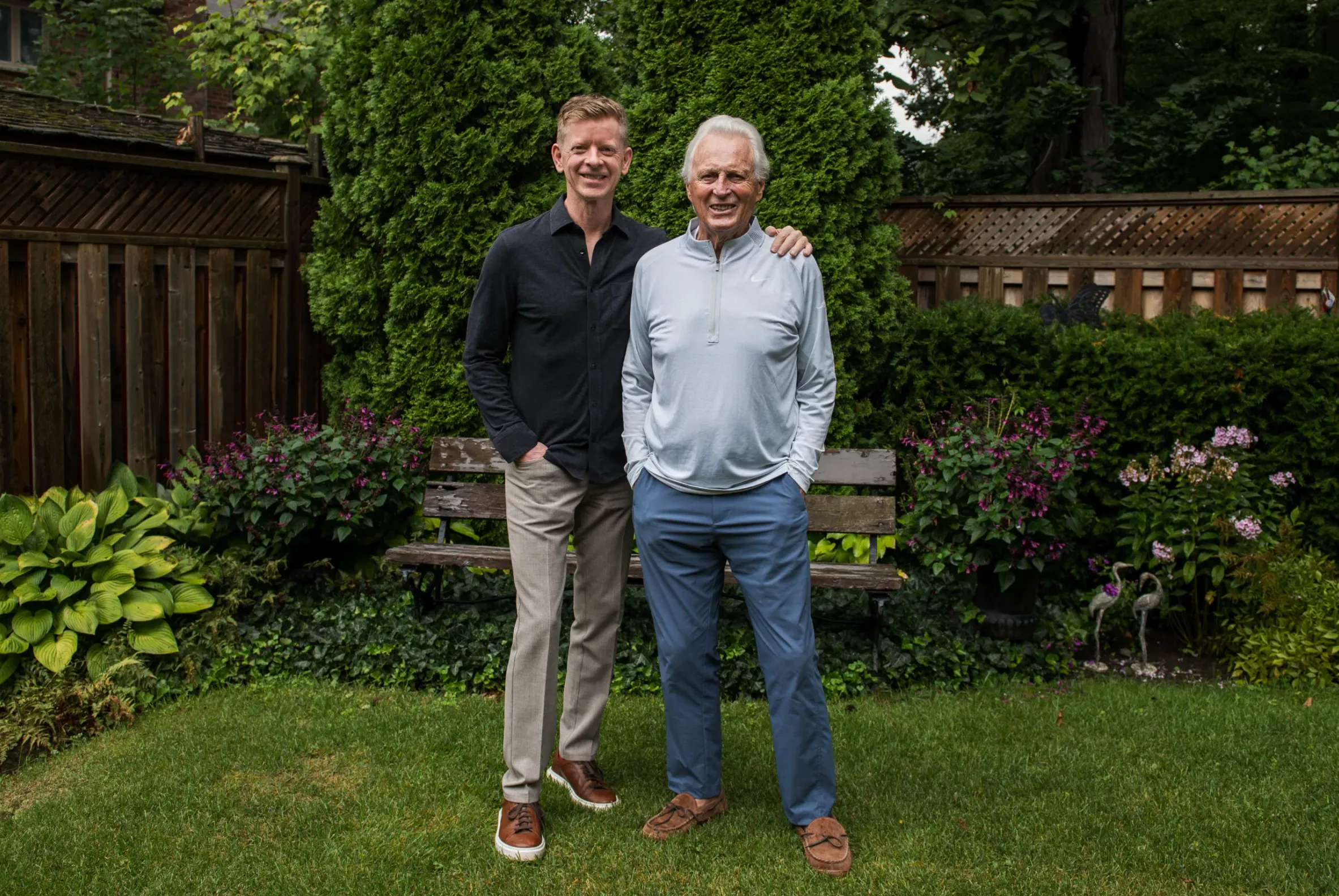
United by a CLL Diagnosis, Sporting Legends Team Up to Encourage Connection, Spark Hope

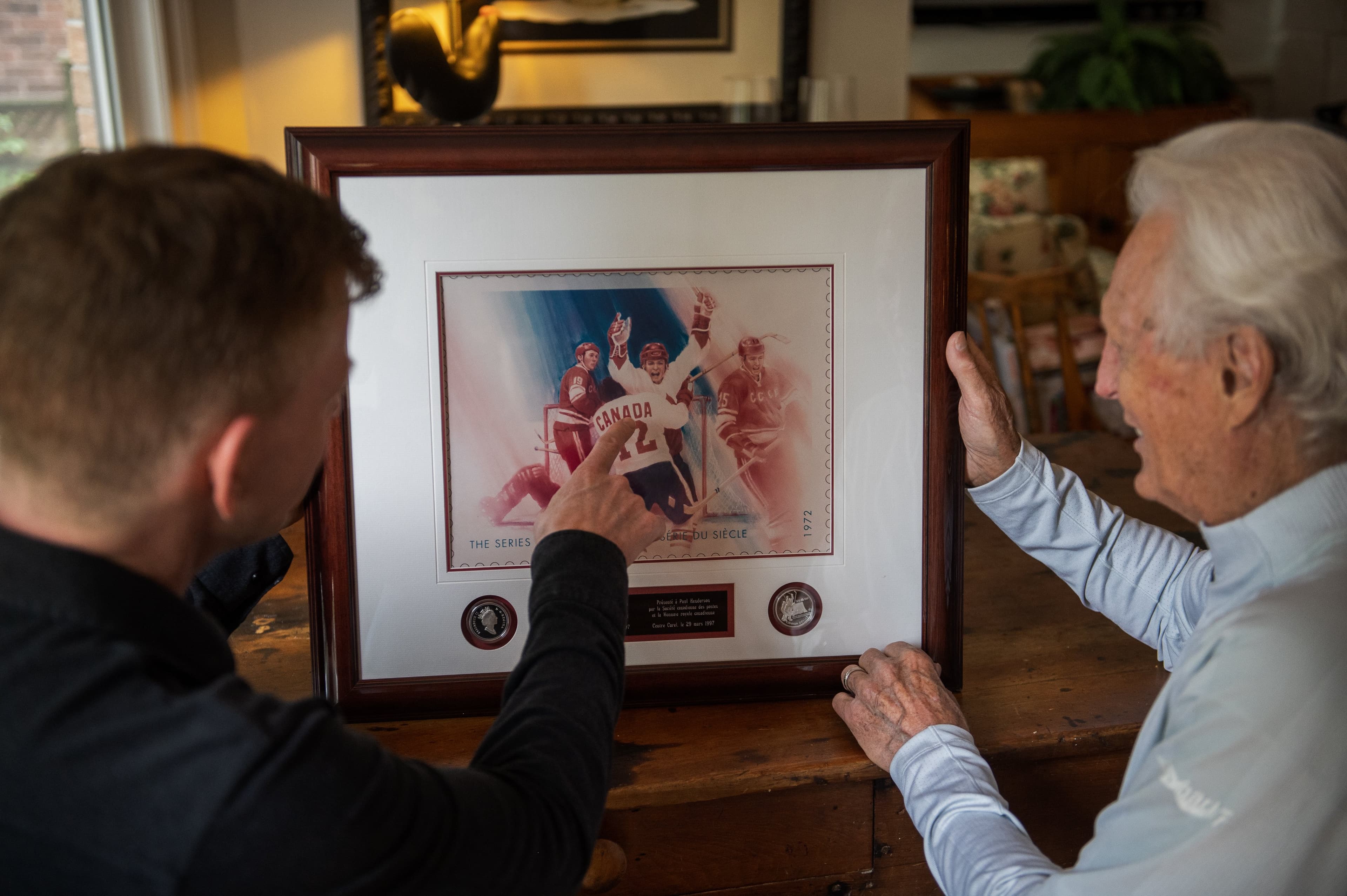
It’s a late September afternoon and the whole of Canada is holding its collective breath. It’s the final game of the 1972 Summit Series. The two greatest hockey teams ever assembled are facing off at the Luzhniki Palace of Sports in Moscow in the middle of the Cold War, and the game is tied 5-5 with less than a minute remaining.
As the clock ticks down, Cournoyer sends the puck over Henderson’s stick and deep into the Soviet zone. It bounces to Esposito. Esposito redirects the wayward puck back towards the net, but Tretiak gets his pad down. He’s been a nearly impenetrable wall in the Soviet net. Suddenly, Paul Henderson jumps on the rebound. He puts it past a diving Tretiak, and 15 million Canadians leap to their feet to cheer with a single voice.
One of those 15 million is a young Jamie Campbell, future sportscaster and voice of the Toronto Blue Jays, sitting cross-legged in sock feet on the gymnasium floor of John Wilson Public School in Oakville, Ontario.
Jamie’s in first grade and classes have been cancelled so the entire school can watch the game, and the goal, that everyone will remember.
In the years that followed, Jamie would stake out hotel lobbies with a binder full of hockey cards until he finally got Henderson’s autograph. Five decades later, Jamie has now cemented his own place in Canada’s sporting history as one of our country’s most celebrated broadcasters. Then, in 2021, Paul Henderson skated back into his consciousness in a way he’d never expected.

Out of left field
In January of that year, Jamie got a call from his doctor saying that a routine blood test had showed an alarmingly high white blood cell count. “I wasn’t prepared for her to tell me she thought I had leukemia,” Jamie recalls. “That word, leukemia, was very frightening to me. My mom had trained as a nurse back in the Sixties and I remember she was helping care for a young patient with leukemia early in her career, and the child didn’t make it. The loss was so emotional for her that she ended up leaving the profession. That story was the first thing that came to my mind when I heard my doctor say that word. But then, within 24 hours of getting that call, someone reminded me that Paul Henderson had been living with the same type of cancer — chronic lymphocytic leukemia, or CLL — for years and years. Instantly, Mr. Henderson became a beacon of hope for me. I figured if he’s still around and living a vibrant life, maybe I’ve got a chance.”
So much to be hopeful about
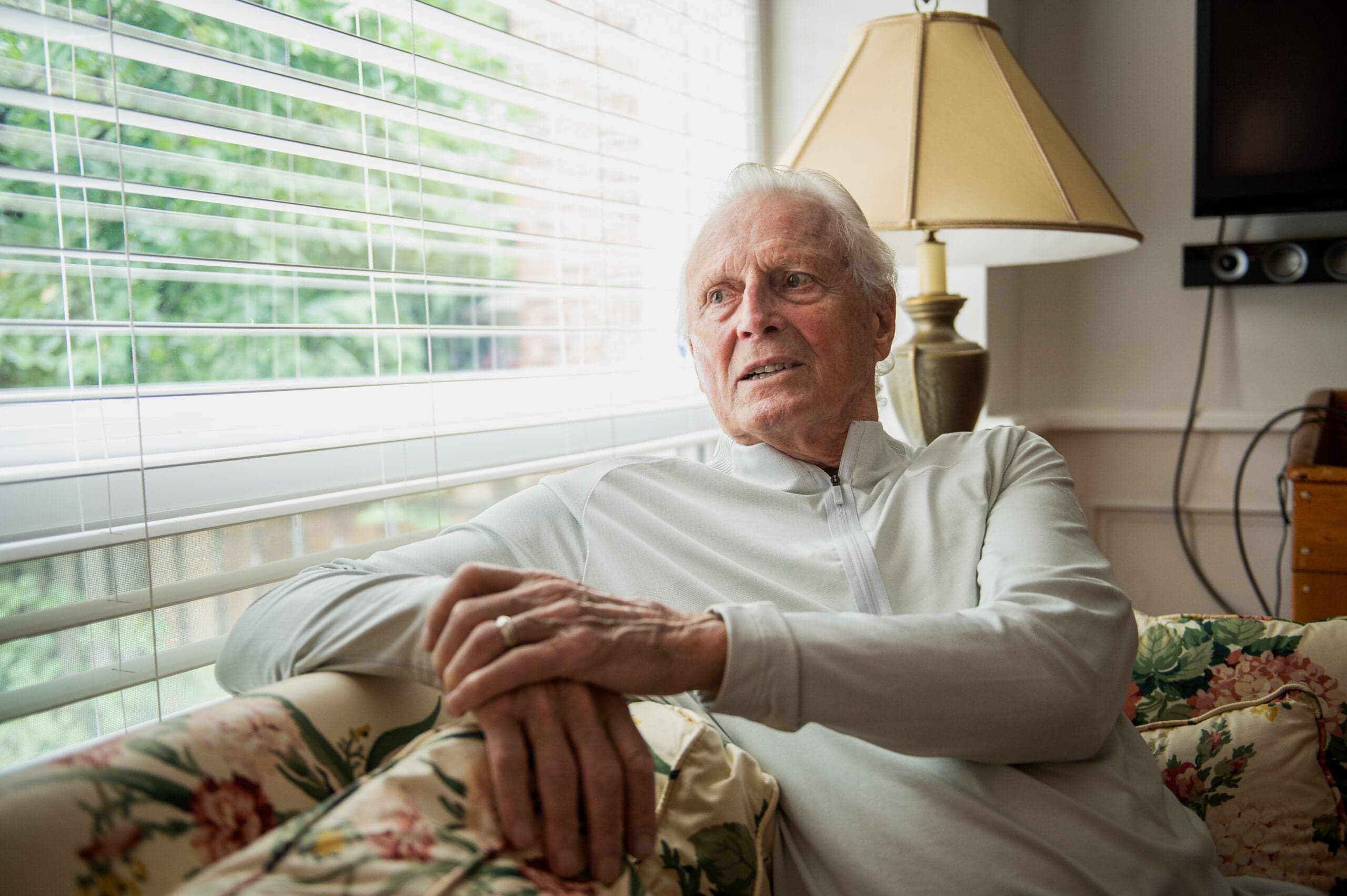
Paul was 66 years old in 2009, when he was diagnosed with CLL. “I’ll tell you, I was totally shocked when the doctor told me I had cancer,” he says. “I mean, I felt great. My appetite was good. My golf game was good. How could I possibly have cancer? I was at a hotel in Toronto with my wife Eleanor for our anniversary when I got the call. I immediately said to Eleanor, ‘We’re not going to let this change anything. We’ve got plans for tomorrow and we’re still going to have a good time. We’re still going to get those peameal bacon sandwiches we love from St. Lawrence Market. And then we’re going to handle this.’”
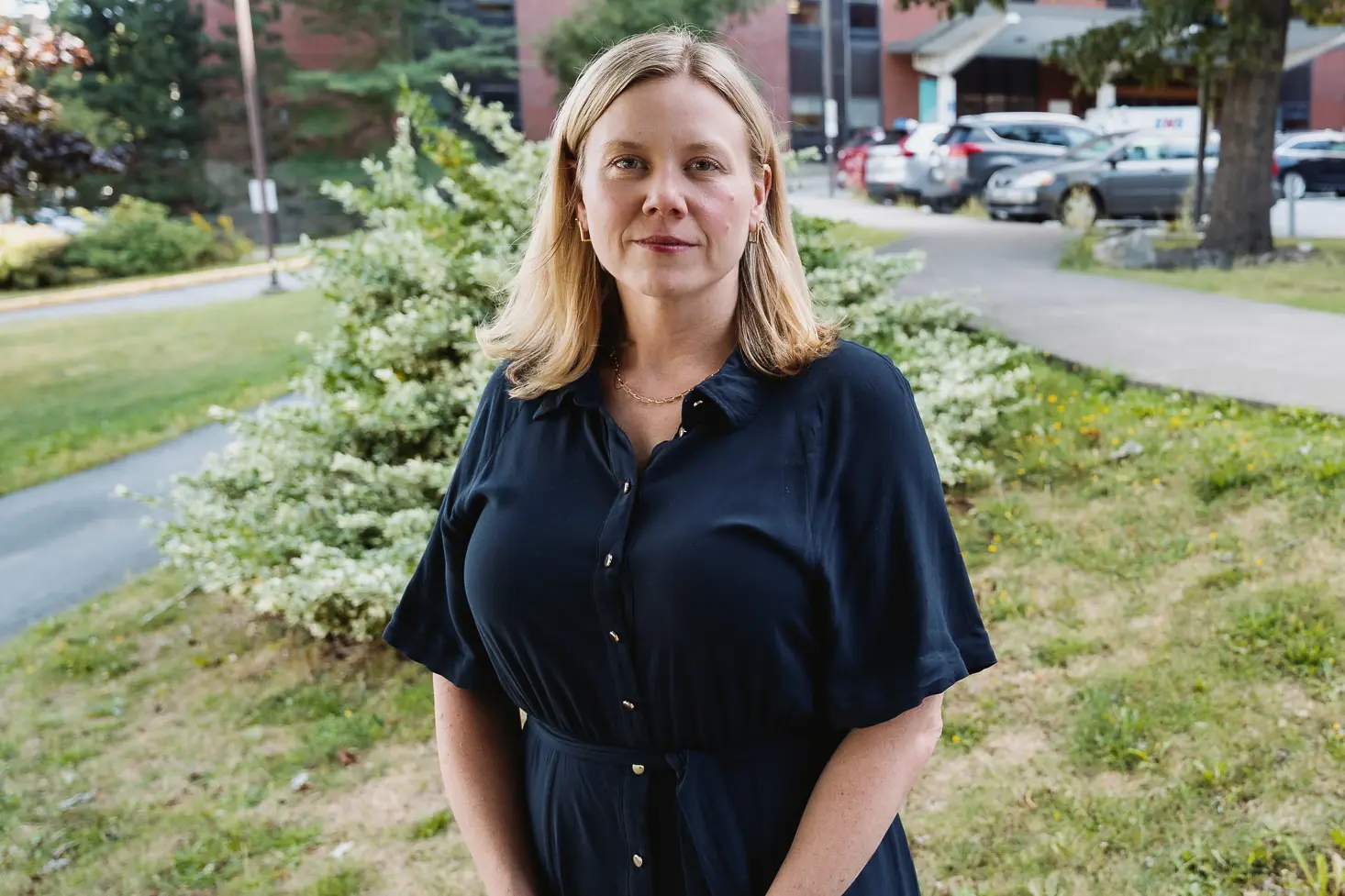
Paul and Eleanor got their sandwiches, celebrated their anniversary, and then began educating themselves about CLL. They learned that, though there is no good cancer to get, CLL specifically offers a lot of hope. “Unlike other acute leukemias, CLL is typically a slow-growing cancer,” says hematologist and CLL specialist Dr. Shannon Murphy of Dalhousie University. “It’s not considered curable, but it is treatable and most people diagnosed with CLL will die with it and not from it. CLL is most often diagnosed incidentally, through routine blood work or a physical exam. Many will have no symptoms attributable to the disease and may not need treatment for years, possibly even decades."
As Paul learned more about CLL, and as he met more people also living with the same type of cancer, he knew he needed to use his influence, visibility, and faith to raise awareness and foster hope. After all, he has always felt that his fame brought with it a responsibility to help people and bring them together. “To this day, when people come up to me to talk about that goal in 1972, they don’t want to ask me questions about the game. They want to tell me about who they were with when it happened, how they celebrated, and what it meant to them,” Paul says. “The people around you are the most important thing. You need people to be there for you when you’re hurting. You need a team, with cancer just as with hockey. So I just try to be there for people.”
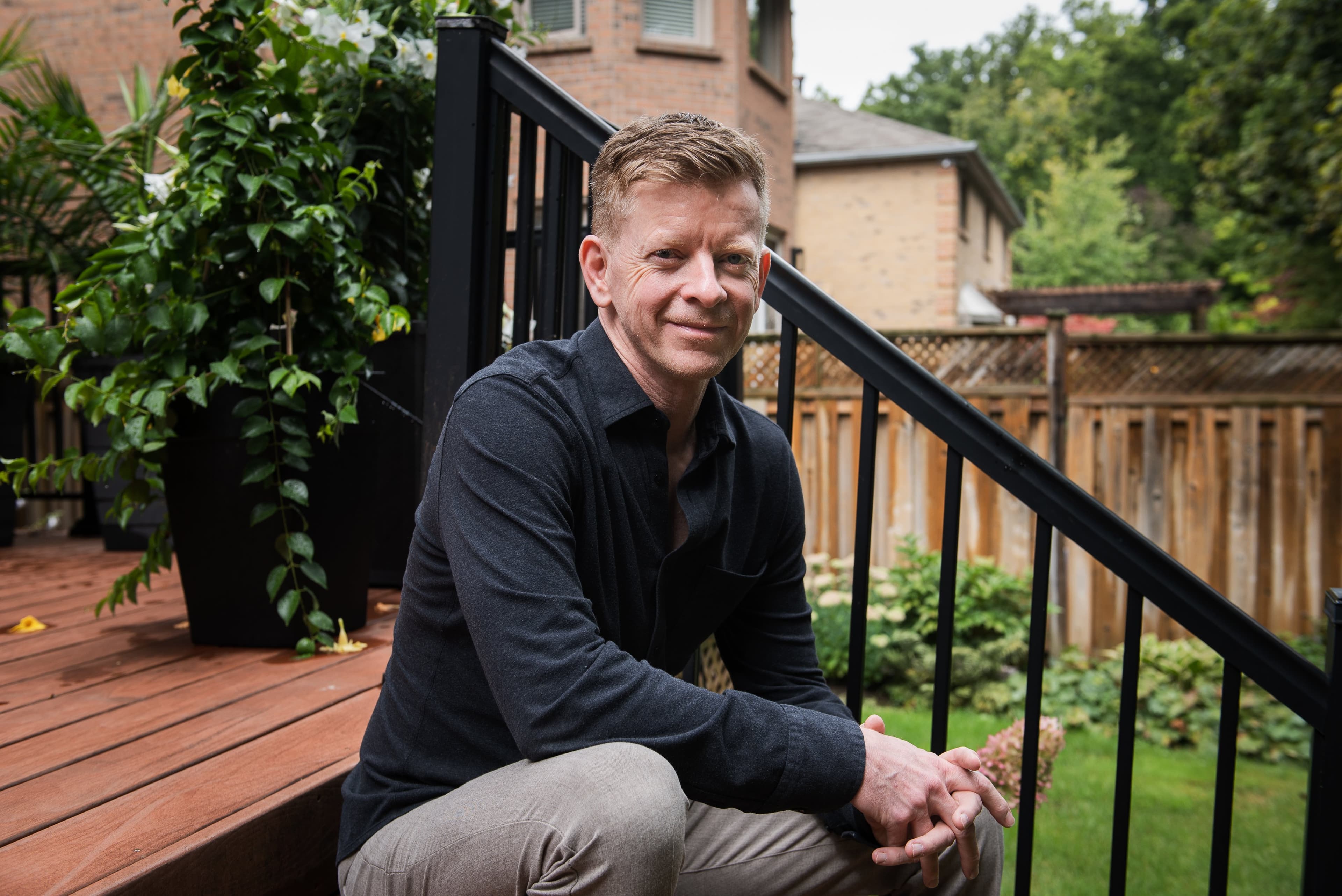
For Jamie, living life on the national stage as the voice and face of Canadian baseball, seeing Paul’s graceful and compassionate openness charted a clear course following his own CLL diagnosis. “Mr. Henderson’s example made me want to be an advocate for others facing a similar diagnosis,” Jamie says. “My job gives me a very special platform to impact people’s lives, and I wanted to become a daily visual reminder that you can live well with CLL. So it wasn’t a difficult decision, and I’ve heard people say they found a sense of calm in the wake of their own diagnosis just from seeing my smiling face on the Blue Jays broadcast.”
No days off
Jamie’s biggest concern was that, as his disease progressed, he might need to take an extended amount of time off work for treatment. He wanted to be there every night for the fans, especially now that he’d become a national symbol of cancer survivorship. Thankfully, due to incredible strides in cancer research, the last decade has seen the introduction of new CLL therapies that allow patients to not only manage their disease, but also preserve the aspects of life that matter most to them.
“It’s essential for patients and caregivers to feel comfortable asking about their options,” says Dr. Murphy. “We’re better at treating CLL than we’ve ever been, and every year we have more tools in our toolbox.”
When Jamie’s disease did eventually progress to the point where intervention was required, he underwent three weeks of radiation but never missed a Blue Jays broadcast. He transitioned to a new medication two and a half years ago that he hopes will maintain his health for years to come. When told that lifestyle choices could make a big difference in treatment outcomes, Jamie leapt on the opportunity to make his own luck. He turned to healthy food, fresh-pressed juice, and an intense workout regimen. At the age of 58, Jamie says he feels great.
"You have to play on"
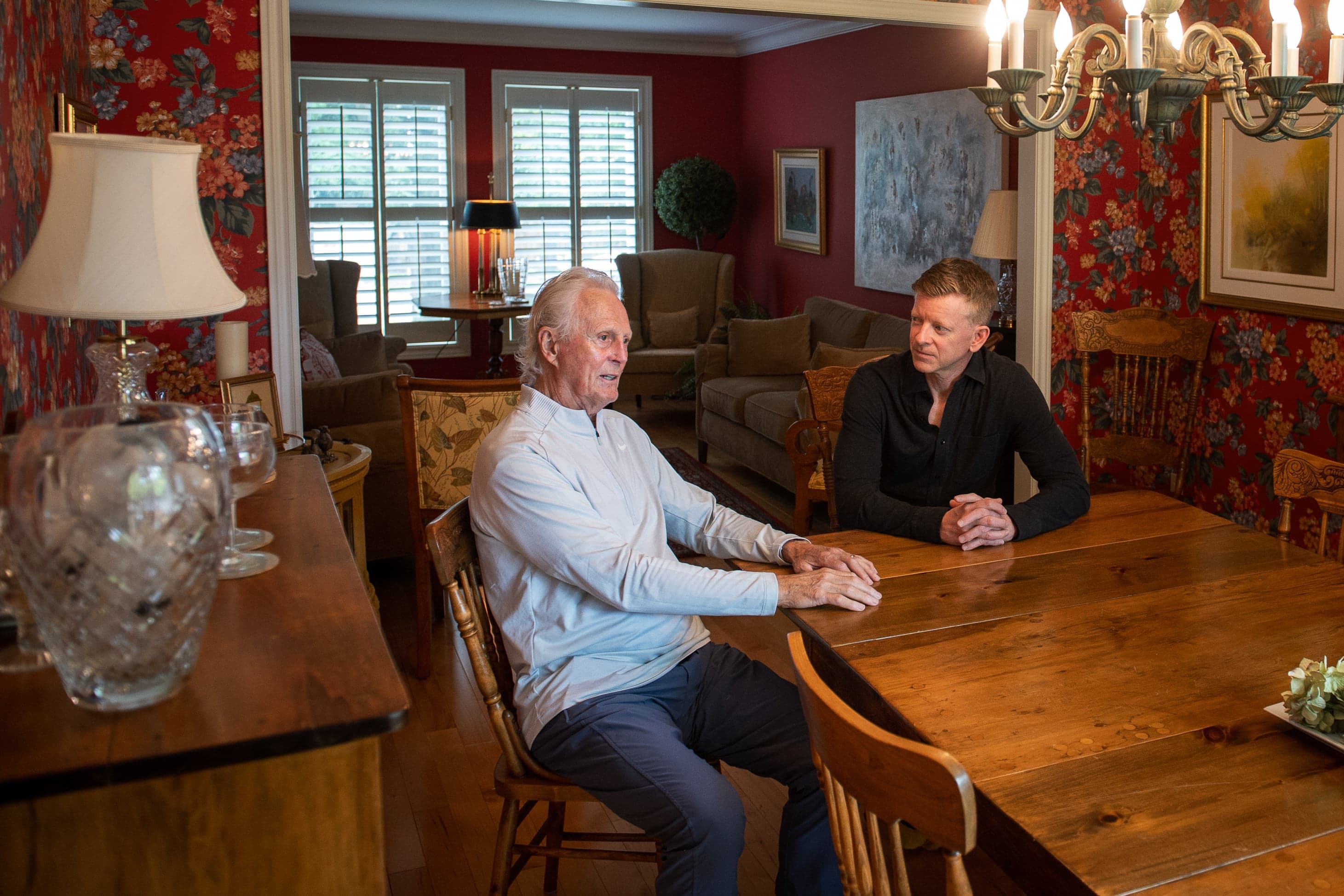
Paul has also taken charge of his own health. He has a whole gym in his basement, and his bathroom scale still reads the same as it did in his NHL days. At 83, maybe he’s not moving as fast as he used to, but he’s never been in the habit of slowing down. His game-winning goal in Game 8 of the Summit Series is forever imprinted in Canada’s collective memory, but fewer people remember the moment in Game 5 when a fall sent Henderson headfirst into the boards. The impact left him unconscious and concussed on the ice. But Paul got back up and scored again in the same game. And in Game 6. And in Game 7. And then came the big one. You have to play on. It’s the way he’s always lived, and it’s the way he’s going to keep living.
“I still wake up every morning looking forward to spoiling my wife, to playing golf with my buddies, to watching my grandkids score goals,” Paul says. “I wouldn’t want to change places with anyone.”
To learn more about chronic lymphocytic leukemia (CLL), connect with community, or support research, please visit Lymphoma Canada or the Leukemia & Lymphoma Society of Canada (LLSC).
Made possible with support from BeOne Medicines Canada.
Photos of Jamie and Paul by Laura Proctor
Related Posts

What went down at BMO’s BlueCarpet Premiere of Spotlight - Women in Asset Management

Boosting Canadians’ employability for the clean economy

An insider’s guide to epic winter exploration in the Yukon

The beauty industry’s innovative shift to inclusivity and sustainability
Get the Best of Maclean’s straight to your inbox.
Sign up for news, commentary and analysis. Join 60,000+ Canadian readers.