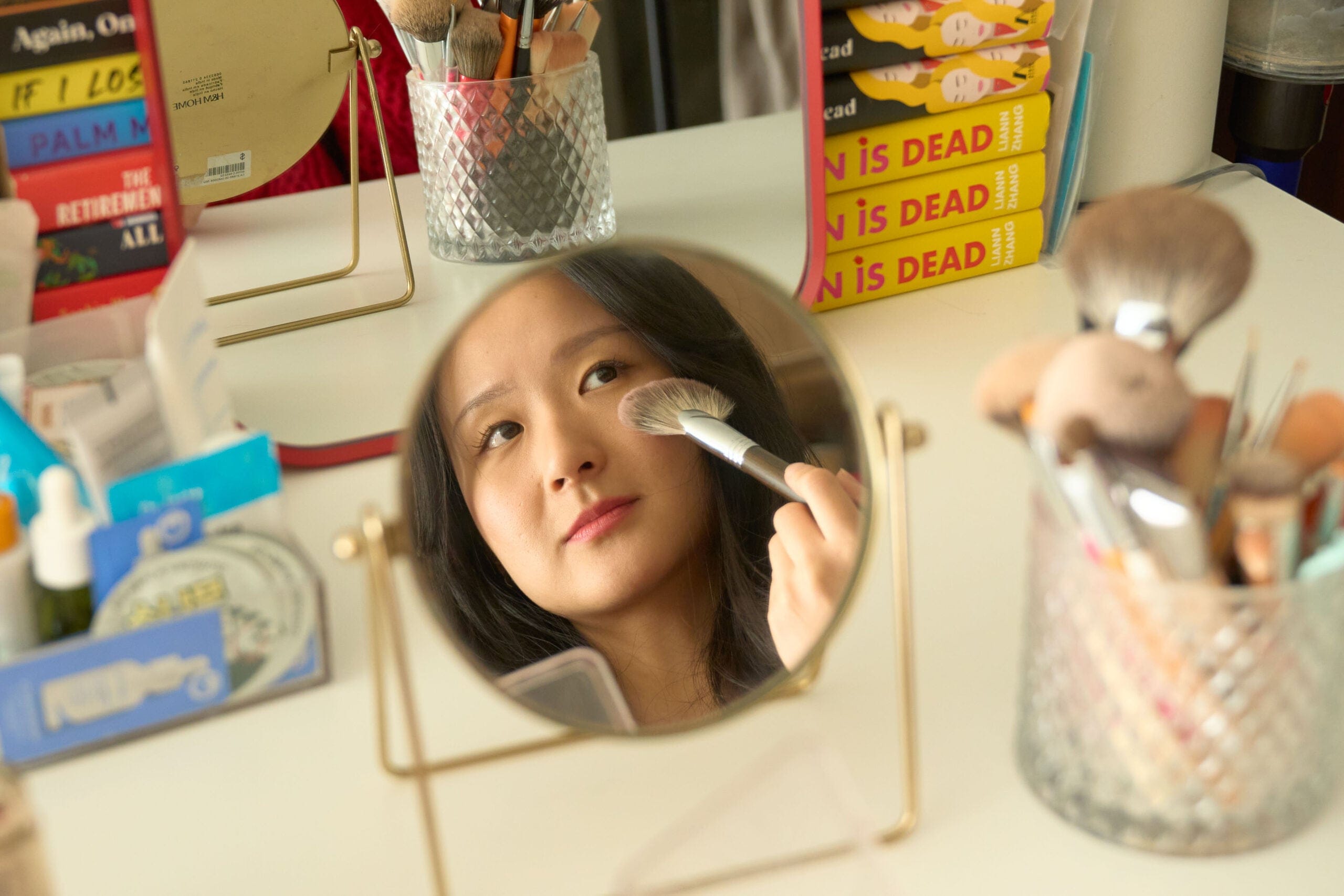
The Case Against Gen Z Botox
When I was 16, my classmates started getting cosmetic surgery. It was 2016, the same year Snapchat’s animated filter technology went viral. I sat down in class after summer break and glanced at a girl nearby. Something was different: I realized she’d had double eyelid surgery, a horizontal incision made along the top eyelid to produce larger, more symmetrical eyes. By lunch, the teenage-girl grapevine had worked its magic, and everyone knew she had gone to Asia to get work done.
I went to an all-girls high school in Vancouver. We generally supported our friends’ decisions, even if that meant going under the knife. This was during the Hallyu Wave, when K-dramas, K-pop and ridiculous K-beauty standards—v-shaped jawlines, pale skin and double eyelids—were at their peak of popularity. It was common knowledge that parents in Korea would gift their children plastic surgery as a sweet-16 present. So our classmate’s actions didn’t feel surprising. And, dammit, she looked really good—good enough for me to look in the mirror after school and wonder if a summer in Korea might be in my future.
Related: I Quit Dating Apps and Found Love Offline
We were young and impressionable, and Snapchat filters had planted the seeds of facial dysmorphia in our minds. Then came sophisticated image-altering tools that helped us beautify ourselves with the swipe of a finger. Altering my appearance was a normal part of teenage life. In our text chains, my friends and I would ask if anyone wanted to edit their faces before we posted a group photo onto our stories. Sharing an unflattering, unfiltered photo of someone could make you a pariah. I knew several people who broke up with their friends for that exact reason.
In those years, I chased perfection. I struggled with hormonal acne, so I pored over forums and videos seeking ways to eliminate pigmentation scars, flare-ups and blackheads. I hadn’t even finished puberty, but I was already obsessed with what I saw online: 10-step skincare routines, chemical exfoliators, trips to dermatologists and micro-needling and laser treatments. But what we were sold wasn’t always what we’d get. That same year, in 2016, Kylie Jenner released the Kylie Cosmetics Lip Kit, which sold out in under 10 minutes. I purchased two kits myself—$70 total—only to be sorely disappointed when my pout looked nothing like King Kylie’s.
Soon, I became a cog in the beauty machine. By 17, I had mutated into a skincare influencer who eagerly peddled serums to my small but attentive base of 25,000 Instagram followers, mostly women aged 16 to 35. When posting a photo of myself, I always added a filter. It was second nature. It’s no wonder why the average young person spends up to seven and a half hours a day in this digital fifth dimension. It’s the realm where flawless versions of ourselves become possible.
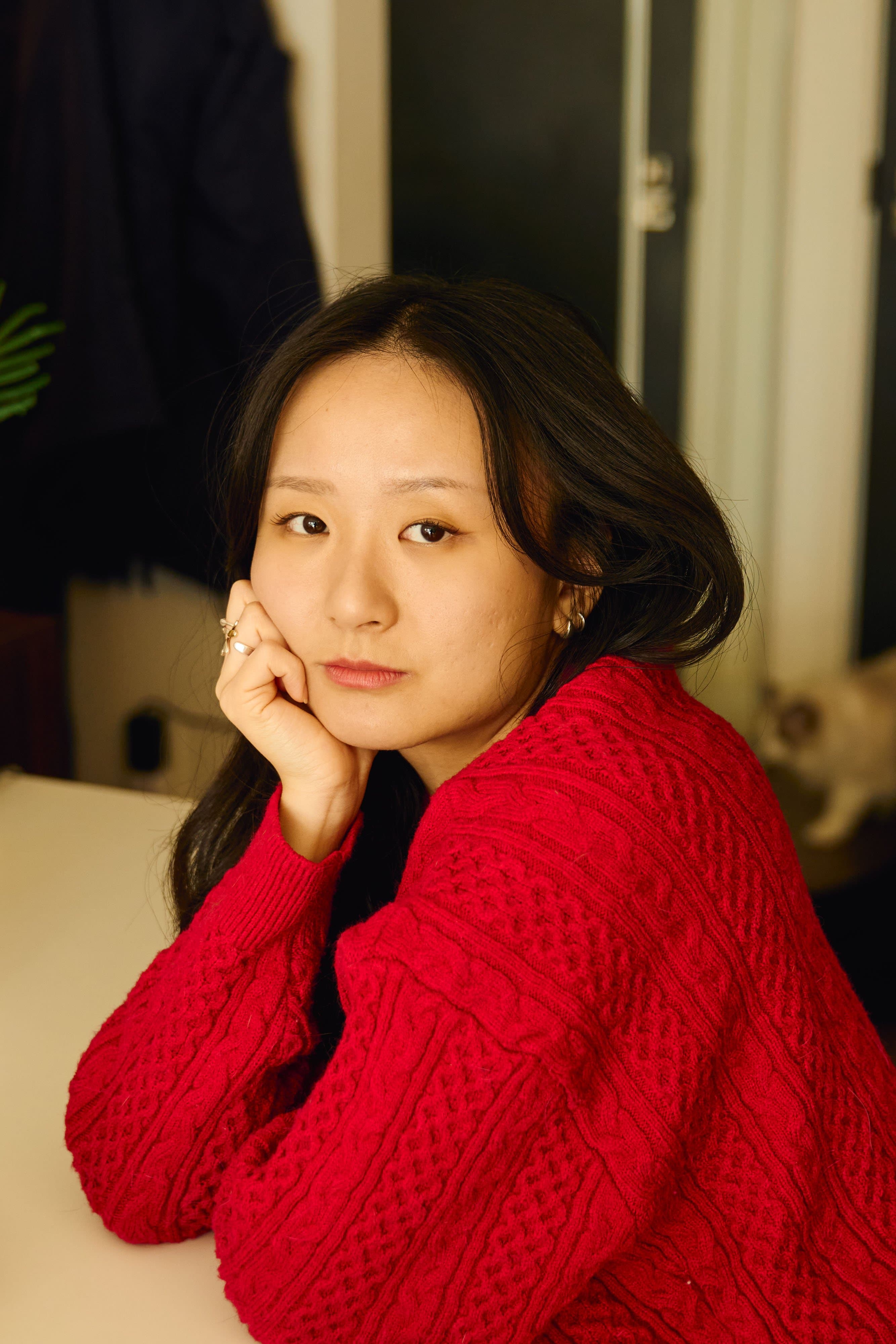
Later, during university, I gave up on Instagram blogging to become a writer. I’m lucky I extracted myself early on. I rode the anti-aging wave of retinol and hydration, then got out before the latest beauty fixation: botox and fillers.
People have used botox to fight wrinkles for decades but these days, the user base is getting younger and younger. Since 2010, the number of botox treatments among twentysomethings has increased by 28 per cent. In 2022, the International Society of Aesthetic Plastic Surgery reported that botox was the most popular cosmetic procedure worldwide. That year alone, people aged 18 to 34 sought out over two million treatments, while kids under 17 had over 55,000 treatments.
With botox, changing your features no longer requires a scalpel, stitches and weeks of bedside recovery, as it did for the girls back in my high school; now it’s just the prick of a needle. My peers are using botox and fillers to change their face shapes: lifting their brows, shrinking their nostrils, slimming their jawlines. Every time a friend undergoes a procedure, I feel conflicted. Their glowing confidence makes me happy, but I miss the faces I knew and loved.
Related: Want Vibrant Cities? Save Gay Bars.
At the same time, people are becoming more transparent about their procedures than ever: some influencers frame their botox treatments as “pampering.” Instead of criticizing people for perpetuating harmful beauty ideals, we’re praising them for their radical transparency. Maybe that’s because young consumers raised on social media are tired of being lied to.
But we shouldn’t venerate transparency about botox just because the bar is so low—especially when influencers don’t mention that the “self-care” and “wellness” videos they’re making often involve paid promotions or free procedures. For the rest of us, botox can cost anywhere from $200 to $1,000 and requires a re-up after just a few months. Clinics aren’t selling a single miracle product. They’re securing lifelong customers by locking them into a subscription with a renewal every quarter.
The problem is systemic. Sarah Wynn-Williams’s recent memoir, Careless People, goes behind the scenes of her time as a high-level employee at Facebook. In it, she reveals that their platforms would detect when a young girl was feeling particularly insecure about her appearance—such as when she deleted a selfie—and deliver a targeted beauty ad.
All this is only the beginning. Soon, young people will be comparing themselves to computer-generated perfection. In 2025, a University of Illinois student built an AI influencer, Gigi, with perfect tanned skin, winged eyeliner and long black hair. In two months, Gigi gained millions of views—and in just four days, her creator raked in US$1,600 from the engagement. While Gigi slathers an AI bubbling clay mask onto her face, people in her comments debate whether she is real. How many vulnerable young minds will aspire to look like Gigi and her other perfect AI counterparts?
I’m in my mid-twenties now—the prime age to begin preventative botox procedures. There are nights I’ve spent close to the mirror, microanalyzing lines invisible to everyone but myself. It’s been almost a decade since my influencer days, but those insecurities run deep. Still, a few months ago, my mindset changed. I went with a friend to watch a movie starring an actress with “pillow face.” Her cheeks were so frozen from botox that her appearance approached the uncanny valley effect of AI creations. Seeing her, it clicked: our skin is beautiful because it is autobiographical. To erase these etchings is to erase evidence of our humanity.
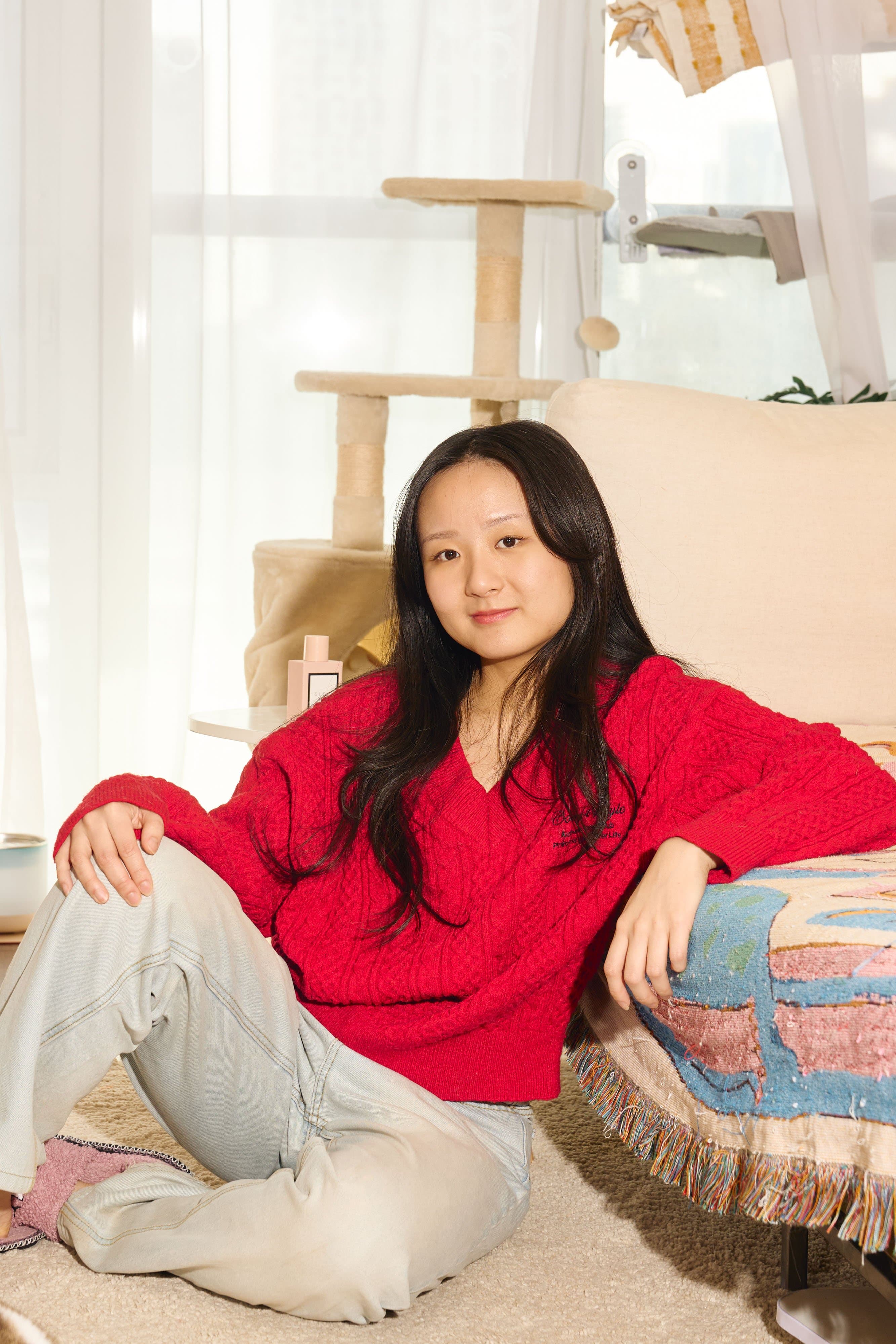
After the movie, my friend and I talked about how disconcerting it was to watch this actress who could not emote to save her life. We chatted at length about botox: how we’d both considered it, and how so much of girlhood is defined by the chasing of unrealistic beauty standards. But then she said, with an exasperated sigh, “I’m tired. Let’s just be 80-year-old wrinkly ladies together.” Nothing could have made me happier.
That same month, I noticed a refreshing TikTok trend, which garnered over 500,000 stitches and millions of views. Users had begun highlighting their unfiltered imperfections to a sound in which Bobby from the animated sitcom The King of the Hill muses about the Japanese concept of Wabi-Sabi—or “celebrating the beauty of what’s flawed.”
The tide is changing. During an era when young people will increasingly fight to assert ourselves in an AI-dominated space, we must embrace what sets us apart from machines. We can’t trade the grooves of existence for the artificial beauty that Silicon Valley execs sell us. We must establish a new brand of radical transparency online, one that embraces our wabi-sabi imperfections. I hope for a future filled with unfiltered faces, one in which growing wrinkly together is a joy to look forward to.
Related Posts
The Golden Age of Smut
How the Olympics Remade Montreal

How to Win the Westminster Dog Show
Heated Rivalry Is Anti-Dystopia Art
Get the Best of Maclean’s straight to your inbox.
Sign up for news, commentary and analysis. Join 60,000+ Canadian readers.