Sleepaway Camp for Scientists
Roughly 13,000 years ago, shifting glaciers carved out a pristine expanse of land now known as the Oak Ridges Moraine, a protected conservation site about an hour’s drive northwest of Toronto. In 1969, Murray Koffler, founder of Shoppers Drug Mart, and his wife, Marvelle, carved out their own 350-hectare slice in the area—a breather from city life. Over the years, Jokers Hill, as the Kofflers called it, gained an equestrian facility, visited on occasion by Prince Philip and Pierre Trudeau. But in 1995, wanting to preserve the moraine’s wildlife, the Kofflers donated their plot to the University of Toronto—for science.
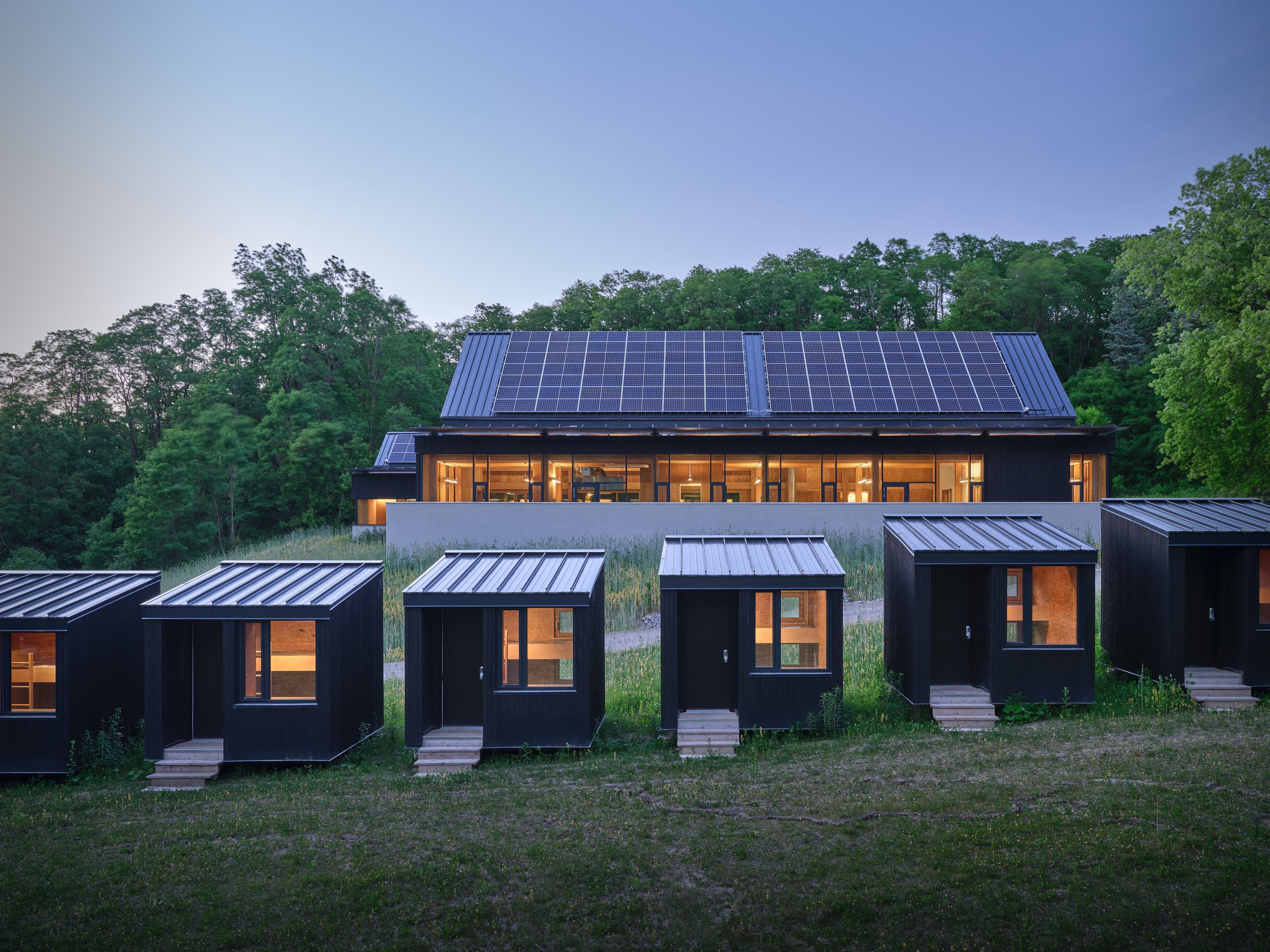
The Koffler Scientific Reserve welcomed hundreds of students, U of T faculty and NGO workers each year—for days, weeks or months at a time, depending on the project. By 2017, with some of the site’s staff housing in disrepair, the university hired the Toronto architecture firm Montgomery Sisam to design a new central operations centre, where field researchers could exchange notes and, importantly, sleep.
Related: A Heritage Building To Call Home
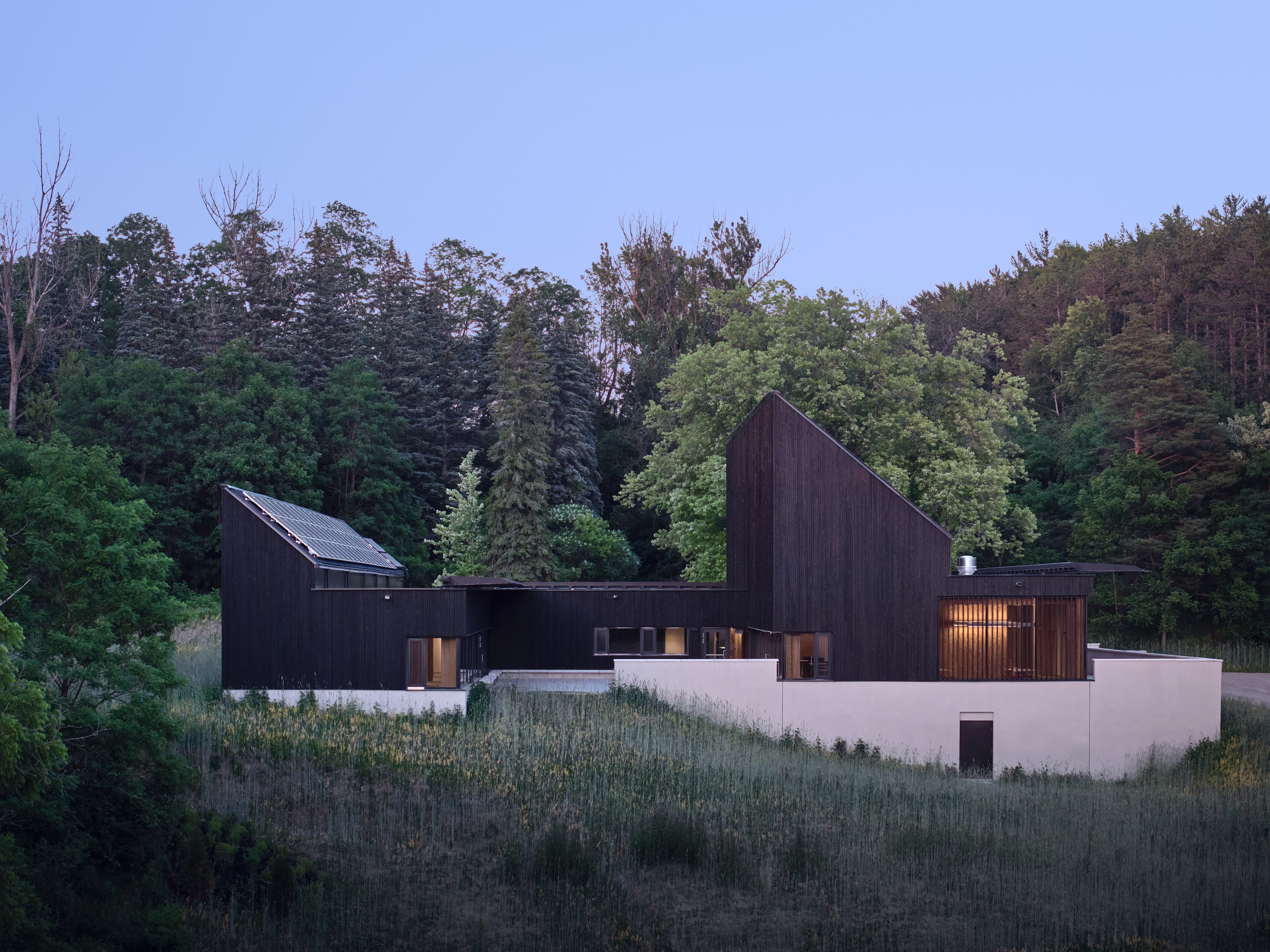
For the main building, the architects took inspiration from traditional barns (think stone walls and wooden hay lofts). The exterior siding is made entirely from local lumber, darkened and preserved using a method called shou sugi ban, the Japanese technique of charring wood to make it more moisture-resistant. Inside, the centre is powered by a combination of new and extremely old technologies. Rooftop solar panels feed energy into the grid, while underground, an earth tube—an ancient Roman invention—routes fresh air into the mechanical system to warm the building in winter and cool it in summer.
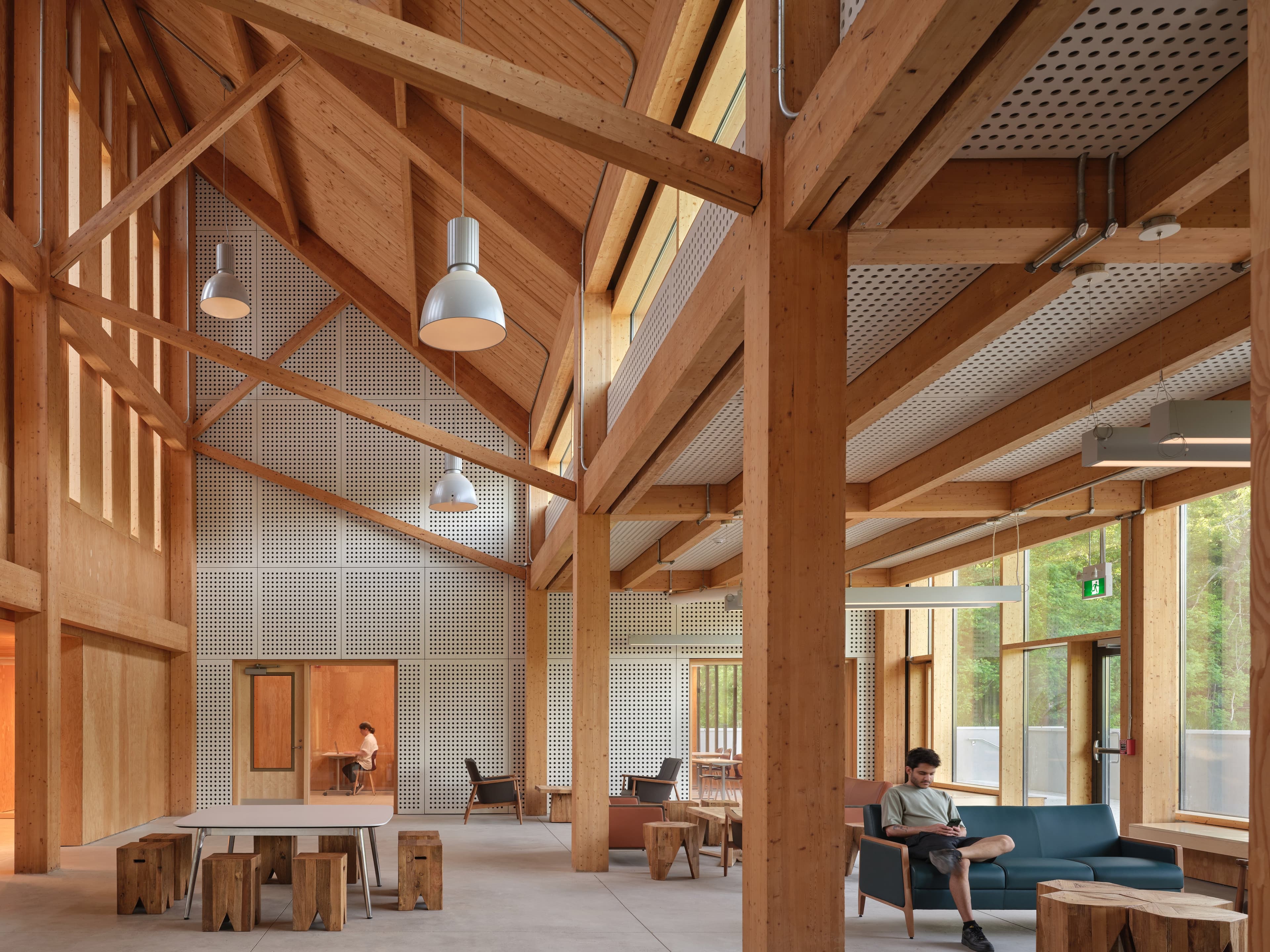
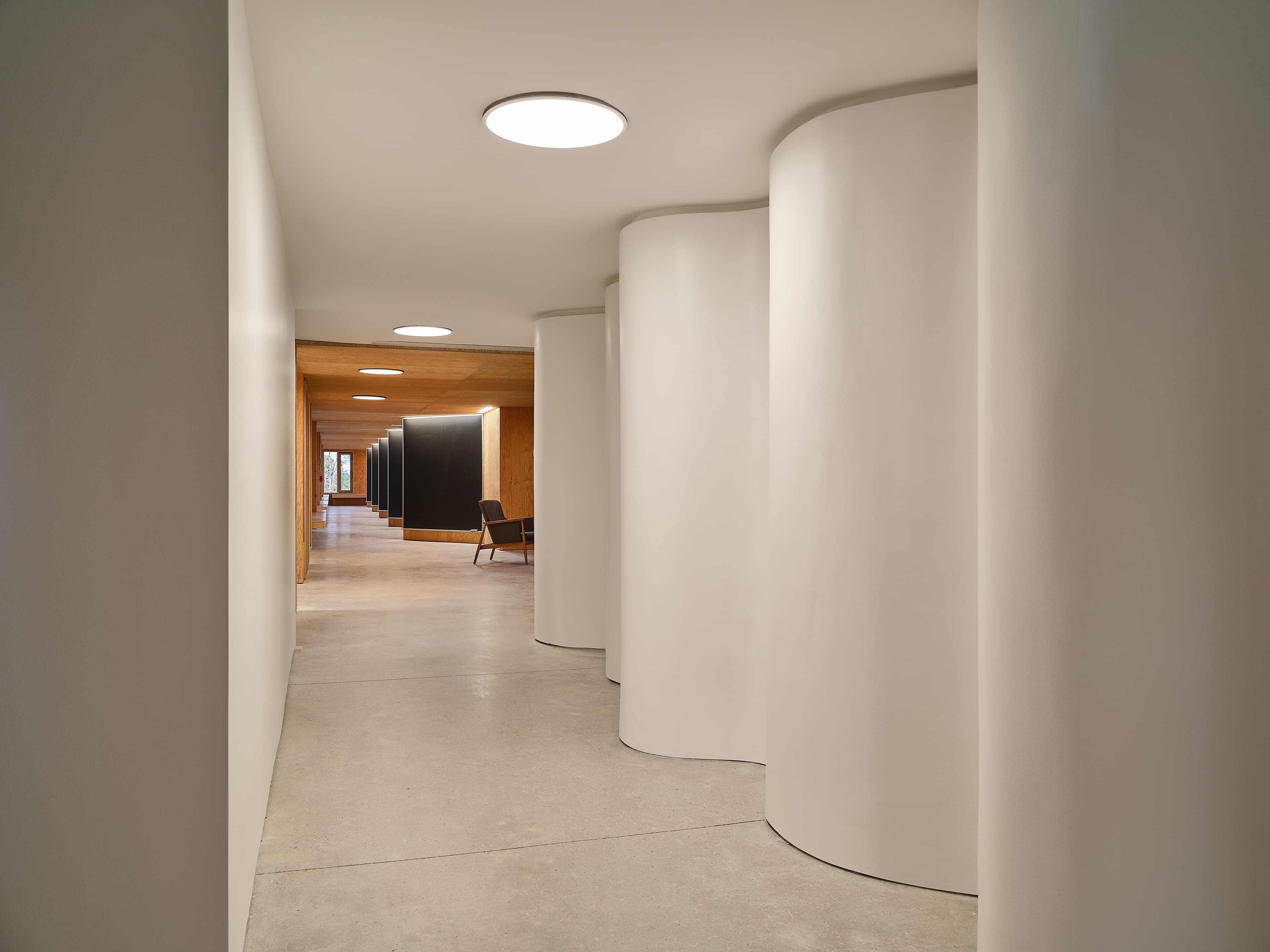
Visiting researchers can share their findings in an on-site classroom and conference room, or over a meal in the communal kitchen or outdoor courtyard. For nighttime accommodations, there’s a dorm wing, which sleeps 20 in camp-style bunk beds and includes floor-to-ceiling chalkboards for recording data or doodling. Those craving even more nature can crash in one of 20 120-square-foot outdoor bunkies, available from May until the October chill sets in.
The centre officially opened this past winter, welcoming its first research cohort soon after: a multi-university group studying the fate of microplastics in lakes. The facility is closed to the public, but hikers are more than welcome to explore the reserve’s trails to the east.
This story appears in the April 2026 issue of Maclean’s. You can subscribe to the magazine here or send a gift subscription here.
Related Posts

Home Prices Are Finally Dropping
Inside a Canadiana-Themed Island Cottage
Little House in the County
The Great Unbuild
Get the Best of Maclean’s straight to your inbox.
Sign up for news, commentary and analysis. Join 60,000+ Canadian readers.