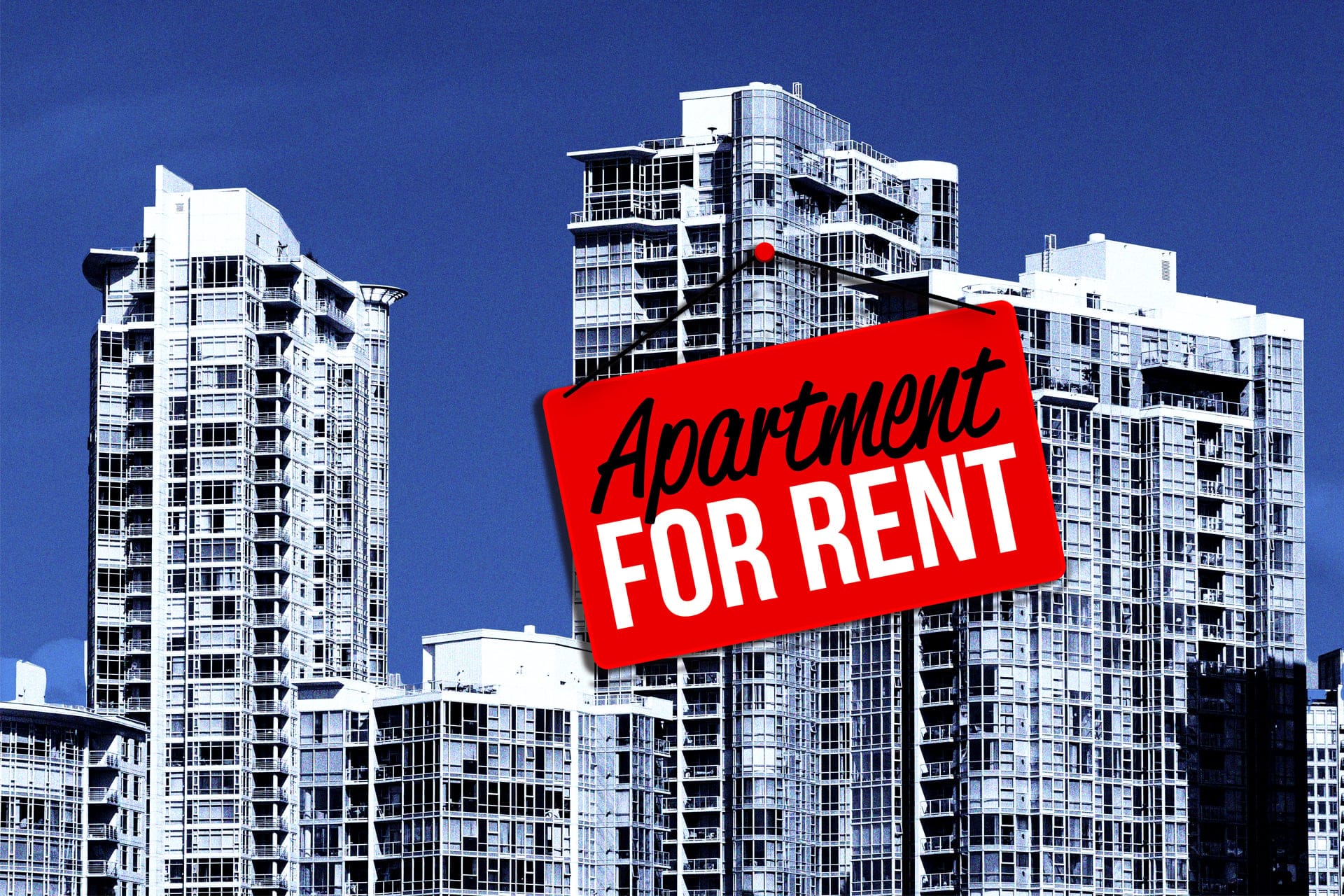
The Plan to Rescue Empty Condos
In the first quarter of 2026, something happened that would’ve been unthinkable just a few years ago: fewer than 250 new condos sold across the entire Greater Toronto and Hamilton Area. It’s the lowest number of new condo sales since 1991. Even more alarming? For the first time in at least three decades, there were no condo project launches in the region either.
I began my career in investment banking, covering real estate and alternative finance. For years, I managed a family office with public and private real-estate investments. Historically, new condo projects in Toronto took a year or two to sell. Then the market took off. By 2021 and 2022, entire buildings were selling out in hours. The buyers were split between people who planned to live in the units and investors keen to jump in before they got priced out. Most of them felt lucky just to secure a condo. It reminded me of the tech bubble of the late 1990s, when dot-com companies were sustained more by rampant speculation than by genuine market demand. By early 2023, I was already seeing clear signs that the condo market was heading for the same kind of collapse.
Condos were being planned and sold that, in a more rational market, would’ve likely never existed; they were driven less by homeowner demand than by investors looking to build their portfolios. These investors, in turn, counted on a narrow pool of renters, mostly young professionals and short-term tenants, like international students. But after the government tightened its immigration numbers, that demand evaporated. People who’d purchased pre-construction units a few years earlier were no longer willing or able to close. Meanwhile, construction continued at a rapid pace, on condo projects that had been launched back when demand was still strong.
Around the time the market started to crumble, I teamed up with an old friend, Carey Kurtin, who also came from a family office background. We decided to launch our own investment firm, called High Art Capital. Soon after setting up shop, while exploring opportunities for our first major investment project, we met with a Toronto developer. During the meeting, he told us about the trouble he was having with an investor in one of his buildings, who was defaulting on 15 units.
Out of curiosity, Carey and I ran the numbers on how those kinds of defaults would affect everyone involved. For developers, they meant unsold inventory; entire projects might collapse if enough buyers walked away. For investors, it meant a costly exit and potential legal action for failing to meet their contractual obligations.
Related Posts

Inside a Canadiana-Themed Island Cottage

Home Prices Are Finally Dropping
That’s when the idea clicked: what if we stepped in to purchase units from defaulting investors and convert them into long-term rentals? Developers could sell inventory they were struggling to offload, while investors could exit without facing the full weight of financial or legal consequences. It would also benefit everyone else; even though rental prices have declined slightly in Toronto due to the drop in investor demand and immigration, they’re still unaffordable for most residents. Having more housing supply would bring prices down further.
We didn’t acquire those 15 units, but the conversation pushed us to do more research and develop a game plan for similar situations down the line. The first step would be to identify developers with defaulting buyers. From there, we’d assess whether those condos would generate a reasonable return. A large part of it came down to a more basic question: would people actually want to live in them?
The city is full of units collecting dust in the sky, often in areas that are less desirable due to their distance from amenities or subway lines. In other cases, the condos themselves are the issue. Many of the units built during the boom are small one-bedrooms or studios designed for investors, rather than the people who would live there. Those condos don’t necessarily appeal to families or long-term tenants.
And yet, despite the collapsing market, rents are increasing in certain neighbourhoods because people want to live in them. Those are the kinds of condos we want to buy: well-built units in high-demand areas in the Toronto core. Larger units along new transit corridors also stand out as promising options for working professionals and small families. In this way, we won’t need to alter units to attract tenants.
Once we identified viable condos, we’d work directly with developers, who’d present an agreement to the original buyer. Then we’d step in to complete the transaction in short order. But we wouldn’t be managing the properties ourselves; it would be outsourced to established rental managers like Menkes or Tridel. They would handle tenant relationships and day-to-day operations.
When we first approached developers with our proposition a few years ago, they often laughed us out of the room. The prevailing view was that any slowdown in the market would soon pass. But over the next 18 months, the defaults materialized just as we’d expected. By early 2025, developers who’d dismissed us were now reaching out, asking if we were still interested in acquiring units.
We’re currently buying 2,200 units across the Greater Toronto Area, backed by a fund of $1.3 billion. Building Ontario Fund—a provincial agency that supports large-scale infrastructure projects—is providing $300 million, while the rest comes from private investors. The first tenants are expected to move in as early as the end of May.
Of those units, 550 will be offered at 25 per cent below local market rent or capped at 30 per cent of gross median household income—whichever is lower—and set aside for essential workers who need them. It doesn’t make sense, for instance, that an operating room technician at Mount Sinai Hospital has to commute two hours a day because their income doesn’t match the cost of living in the downtown core. To this end, we’re working with public-service unions and other bodies representing essential workers and NGOs to provide these units to their members.
We’ve had overwhelmingly positive responses about our plans. Many investors, who feel burned by deposits they placed at the peak, are not eager to re-enter the market anytime soon. That means there will continue to be unsold units, as well as buyers who are unable or unwilling to close. The same dynamics are playing out in other major cities, like Vancouver. Provincial and municipal governments across the country have expressed their interest in our model, and we think that billions of dollars’ worth of units could be converted through this approach. If it works, something positive could come out of the market collapse.
Ryan Roebuck is the co-founder of High Art Capital.
What did you think of this story? Send a comment for publication to letters@macleans.ca, and supply your name and address. Comments should be fewer than 200 words, and may be edited for length and clarity.
Related Posts
Inside a Salt-Sprayed Beach House in New Brunswick
Little House in the County
Inside an Ecohome on Stilts in Nova Scotia

The Great Unbuild
Get the Best of Maclean’s straight to your inbox.
Sign up for news, commentary and analysis. Join 60,000+ Canadian readers.