
Summer Checklist: Everything a Student Needs to Do Before the First Day of University
With high school in the rearview mirror and plans set for the fall, students have the summer to relax, work, travel and enjoy the newfound freedom of adult life. But a number of administrative tasks need to be dealt with over the summer to ensure a smooth start to university in the fall. Every school has their own deadlines, and information typically comes to students piecemeal, so it’s important to keep on top of emails and regularly check the school’s website for key dates and deadlines.
Here are a few things that students need to get done before they set off on their post-secondary adventure.
Money-related tasks
Withdraw RESP funds: Families should withdraw money from RESPs in late July or early August to ensure funds arrive on time to meet tuition deadlines. In order to withdraw from their RESP, students need to request a proof of enrollment letter from their post-secondary institution, usually done through the school’s portal.
Apply for loans: Most post-secondary provincial funding applications are open now, and while final deadlines aren’t until 60 days before the end of the study term, students are encouraged to apply at least two months before the start of their semester if they want the funds to arrive before tuition is due.
Pay Tuition: Tuition payment deadlines vary by school, with some as early as June. Students should check their school’s website for deposit and payment deadlines, and ensure they make the payment with enough time for it to process before the deadline.
Related Posts

The Confusion and Controversy of University Meal Plans
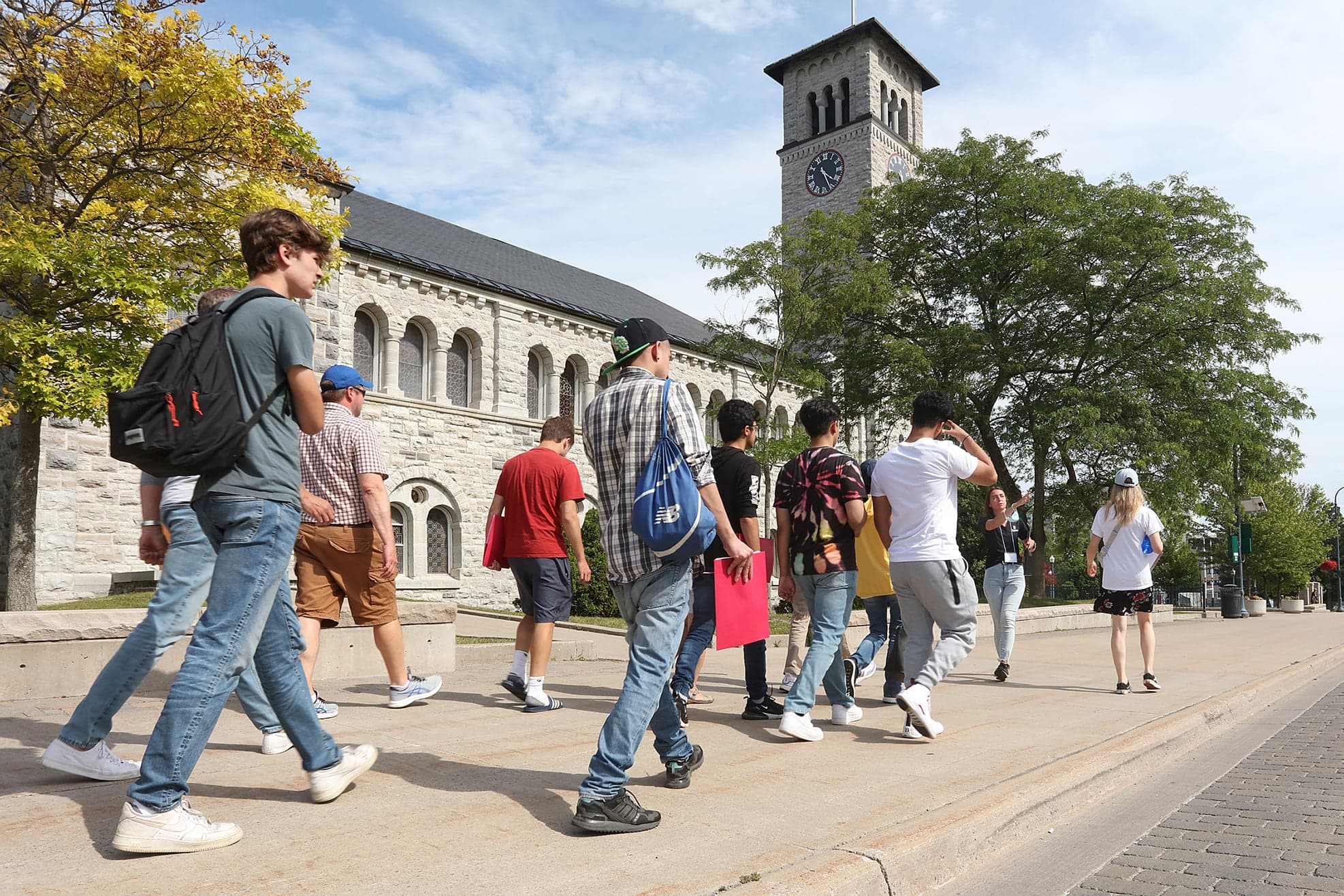
I was a Campus Tour Guide. These are the Best Questions People Asked Me.
Set up a student banking account: If students don’t have a bank account yet, they should sign up for one before getting to campus. Most of Canada’s major banks have student banking packages, which typically include a no-fee checking account, a savings account and a low-limit credit card.
Create a budget: University is often the first time students are in charge of their own spending. Preparing a budget, with clear expectations regarding what parents will pay for and what the student is expected to contribute, sets students up for success and helps them avoid all the spending temptations, like trinkets at orientation booths, university merch, meals out and dorm decor, that come in the first month of school.
Academic and course related tasks
Activate school email: Once students accept their university offer and pay their deposit, all of their university communications will start coming through their official university email. Exactly how students activate their emails varies depending on the school, but at most schools students will use their admission ID to activate their email using the schools login portal.
Pick Courses: Course selection typically opens in late June or early July, depending on the school. Courses fill up quickly, so students should mark the selection day in their calendars and have a game plan for picking their top course, such as pre-loading courses to their cart, or saving the course names to easily search for them when registration opens. It’s also important to research required courses for relevant programs, as well as prepare alternatives, in case the top choice courses fill up before registration.
Apply for learning accommodations: Students who require learning accommodations need to apply for them through the accessibility services department. Students will first have to obtain the required documentation and submit them by the department’s deadlines. If deadlines aren’t met, then accommodations might not be available for the semester and exam period.
Sign up for orientation: Orientation week at the start of first-year is a classic university experience, and gives new students the opportunity to connect with their peers, make friends, and get acquainted with their new university campus and lifestyle. Most schools require that students register for orientation, so students should check their emails for information.
Residence-related tasks
Accept room offers: Schools start sending residence room offers out in late spring, and continue to send them out through the summer. Students who have applied for residence should keep an eye out for their room offer and ensure they accept it and submit the required deposit on time.
Connect with roommates: For students living in double or triple rooms, it’s a good idea to connect with roommates ahead of moving in to coordinate the purchasing of shared items and get a sense of who their roommates are, to ease pre-move in nerves.
Purchase necessary dorm room items: Moving out takes a lot of planning. Students should make their dorm room shopping list and pack everything ahead of time. Often, students can take items from home instead of buying everything new.
Mark your move-in date on the calendar: Many universities stagger move-in dates and times to ensure there isn’t a jam of people trying to get up elevators or narrow stairwells. Students should ensure they know their move in date and time, and make plans to get there at the allotted time.
Related Posts

Lessons From My First Year of University

How to Plan a Gap Year

The Crisis in Student Housing