
Your Senate reference cheat sheet
Nine provinces and two territories—British Columbia has until the end of this week—have now filed the summaries of their arguments in the Senate reference with the Supreme Court.
On the three biggest issues before the court—imposing term limits on senators, allowing for consultative elections and abolishing the Senate—the Harper government argues that Parliament can act unilaterally to impose term limits and allow for consultative elections and that the consent of seven provinces representing 50% of the population is sufficient to abolish the Senate.
Here is how the provinces view those questions.
Can Parliament unilaterally implement term limits on senators?
Alberta, Manitoba, Newfoundland, New Brunswick, Nova Scotia, Nunavut, Prince Edward Island and Quebec say no.
Related Posts
New federal budget will include up to $8 billion in defence spending
Jonathan Vance pleads guilty, gets conditional discharge
Ontario says Parliament can act unilaterally to impose fixed term limit of nine years or more or three Parliaments.
Saskatchewan says Parliament can act unilaterally to impose fixed term limit of ten years or more.
The Northwest Territories takes no position.
Can Parliament unilaterally implement legislation that allows for consultative elections for senators?
Manitoba, Newfoundland, Nunavut, New Brunswick, Ontario, PEI, Nova Scotia and Quebec say no.
Alberta and Saskatchewan say yes.
The Northwest Territories takes no position.
Does abolishing the Senate require the unanimous consent of the provinces or is the support of seven provinces representing 50% of the population sufficient?
Manitoba, Newfoundland, Nunavut, New Brunswick, Ontario, PEI, Nova Scotia, and Quebec say unanimity is required, though PEI says section 41 of the Constitution Act is not applicable.
Saskatchewan and Alberta say 7/50 is sufficient.
The Northwest Territories say the federal government is first "obligated to consult, consider and represents the interests of the citizens of the Northwest Territories with respect to this issue."
Related Posts
338Canada: A tale of two premiers
The federal budget is a mixed bag

Inflation rate surpasses a three decade high
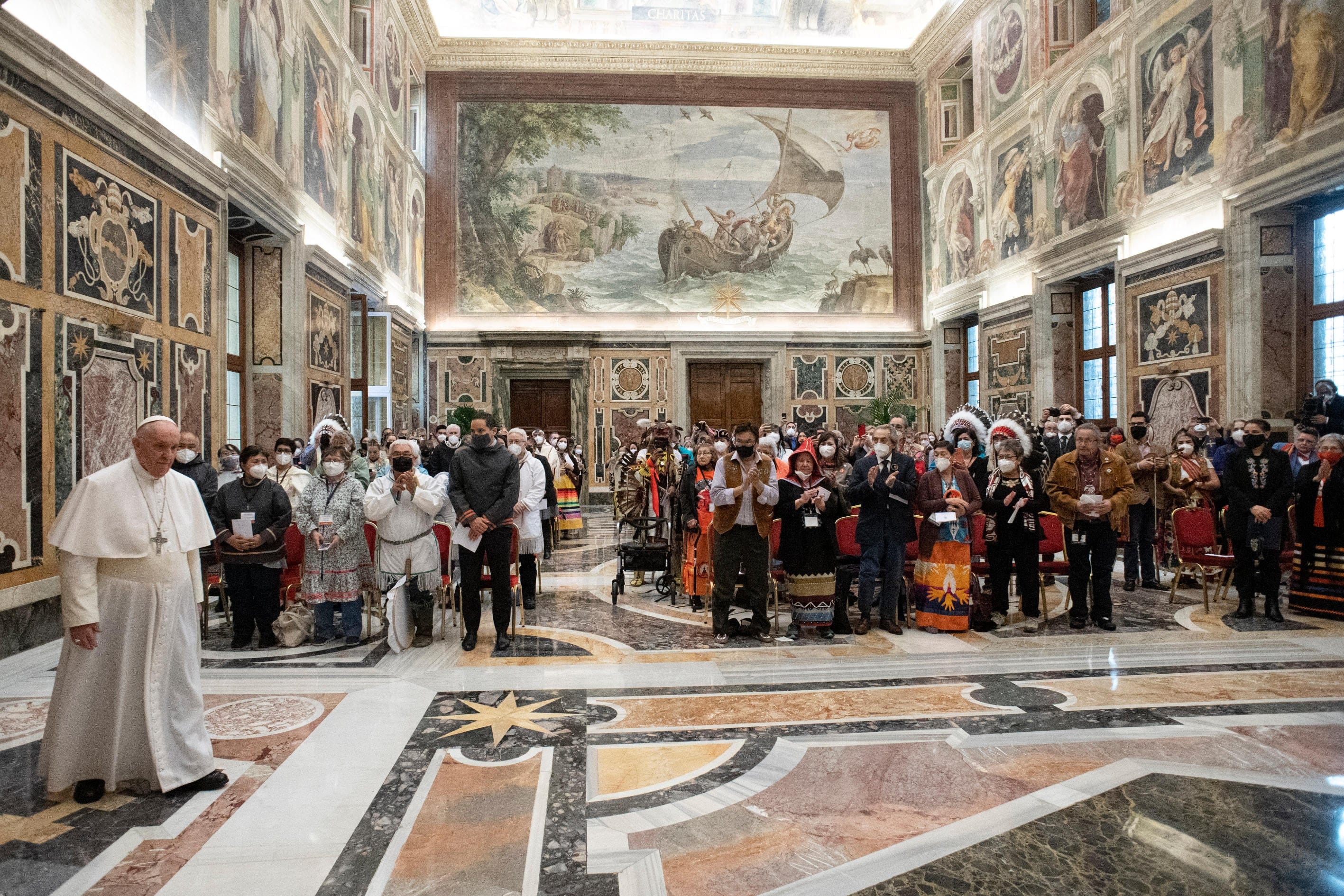
Pope Francis apologizes for residential school abuses
Get the Best of Maclean’s straight to your inbox.
Sign up for news, commentary and analysis. Join 60,000+ Canadian readers.