The Trade War Is Still Pummelling U.S. Businesses
I was never a fast runner. I couldn’t dance or sing or play an instrument. But I had a knack for making pottery. I grew up in Jacksonville, Florida, where I discovered my passion in my high school ceramics class, crafting tall vases and bottles. When I carried my pieces through the halls, students and teachers would compliment them. I dreamt of making a living throwing clay—but it felt like a long shot. At the time, I didn’t know anyone from my hometown who was making it big as a potter. So I pivoted into what I saw as a more realistic profession: I became a CPA.
Related: How Tariffs Are Making Beer More Expensive
I completed a master’s degree in accounting at the University of Florida. My passion for pottery endured; after my master’s, I went to the Penland School of Craft in North Carolina to complete a two-month ceramics program. But then I got a gig as an accountant at PricewaterhouseCoopers. I started working 80-hour weeks during tax season, and my pottery fell to the wayside. After several years of this, I was aching to flex my creative muscle again. I missed connecting with people through craft. By 2011, I’d realized I’d had enough of the white-collar life. I quit my job and started from scratch. One of my high school friends, Mark Warren, had become a professional potter. He’d spent two years at Penland learning the craft. When I left my accounting job, he encouraged me to pick up my old hobby.
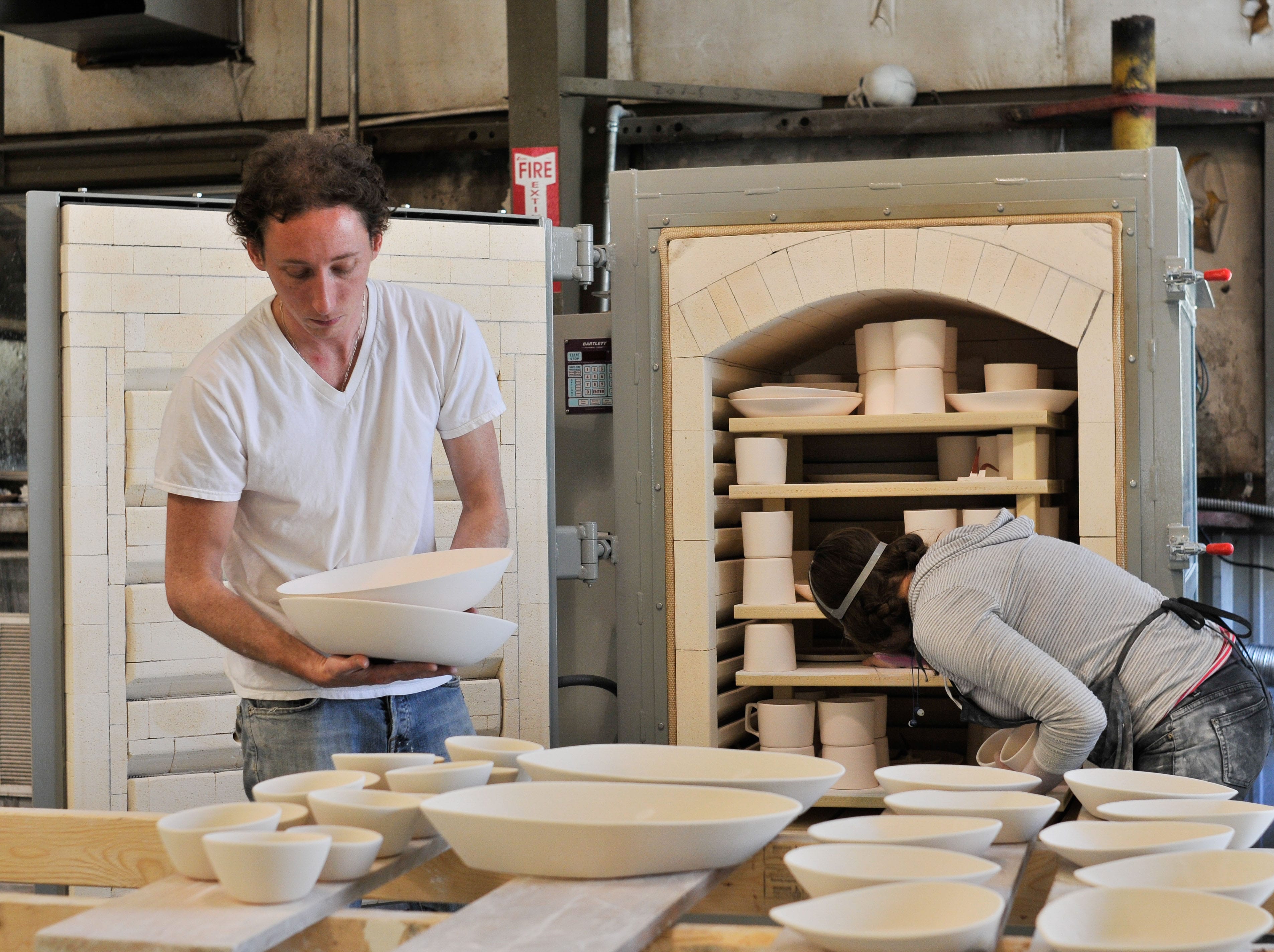
In 2012, we founded a pottery company called Haand. It was humble beginnings. We worked out of a decrepit farmhouse, where the electricity constantly went out and there was no potable water. On weekends, we greased our palms at gift shows and craft fairs in hopes of making sales and landing contracts. A year later, we’d saved up enough to move to a small warehouse in Eli Whitney, North Carolina. In a world filled with soulless, mass-produced objects, we wanted to offer something different: functional, handmade, timeless pieces of art. Beyond the products, we wanted to revive careers that had largely vanished, creating a peaceful space where people could work with their hands.
Related: The Trade War Killed My Company’s American Expansion
Over the next decade, we hired 25 staff and eventually moved into a 13,000-square-foot warehouse in Burlington, North Carolina. Our main revenue stream came from selling our homemade dinnerware to American restaurants and hotels. In 2019, as business boomed, we began selling our pieces abroad, too—including in Canada, where demand was strong. Canadian hospitality companies were keen to work with small companies. They understood the value of our work. We also liked working with Canadians. There is an inherent openness and warmth north of the border; hospitality is part of the Canadian DNA. In 2024, we decided to grow our Canadian footprint. We already had interest in Toronto and Calgary; we wanted to deepen those roots while also moving into other cities like Vancouver, Montreal and Edmonton. Eventually, we hoped to partner with businesses in Canada’s premier hotel locations as well, including Whistler, Banff, Charlevoix and the Okanagan Valley.
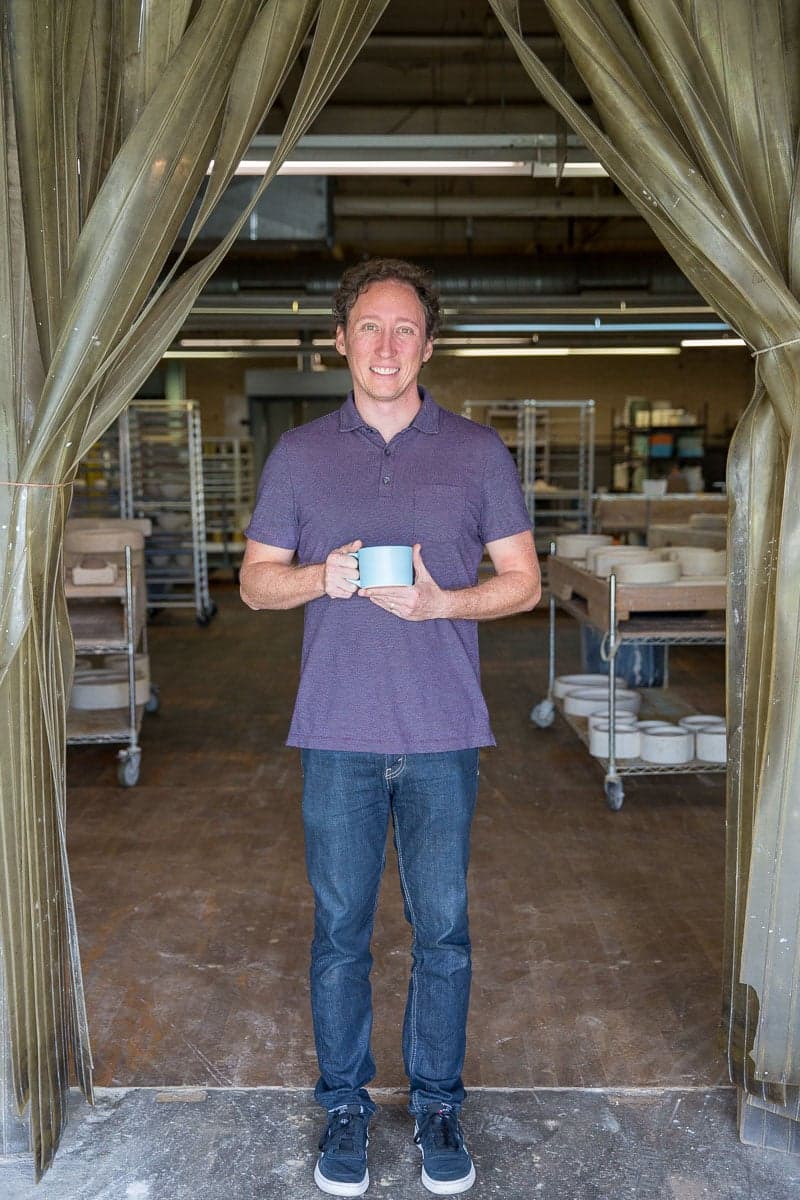
Mark and I spent the bulk of that year preparing for our expansion—and by the end of 2024, Canada accounted for around 10 per cent of our total restaurant and hotel sales. We were even selected to participate in the Restaurants Canada Show in Toronto in April of 2025. Our goal was to establish new relationships with distributors and sales representatives, to find new customers and to build brand recognition. It took a ton of effort, but it was worth it to bring our business to Canada.
Then Donald Trump was elected. Within two weeks of his inauguration, he imposed 25 per cent tariffs on nearly all Canadian goods. Our products were protected under CUSMA, but Trump’s actions left a bitter taste in the mouths of our Canadian customers—one that soured even more when he started making threatening jokes about Canada becoming our 51st state. Almost immediately, we lost contracts with our northern neighbours, who explicitly told us they were choosing to buy Canadian instead. Trump’s fighting words and economic attacks had put them off of dealing with American businesses—even small ones like mine.
Within weeks, we’d lost all of our Canadian customers. We had to back out of the Restaurant Canada Show. Over the course of 2025, our total hospitality revenue shrunk by about 10 per cent. This forced us to downsize for the first time in our company’s history. We let two full-time workers go, reduced hours for three others and cut our own salaries. My employees live in my community. I know their families. It was heartbreaking to look them in the eyes and break the news. After finally recovering from the pandemic, we were suddenly gasping for air again. My whole staff was anxious about when the next shoe would drop. With reduced people power, we had to work overtime to complete orders. The uncertainty made matters worse. Our ability to hire back staff or continue our efforts to expand into Canada all hinged on the contents of our president’s next erratic tweet. We had no control and we couldn’t predict anything. It was infuriating and made it impossible to plan for the future.
Related: Trump’s Tariffs Are Destroying the Trucking Industry
The last year has been difficult financially, emotionally and logistically. The tariffs are framed as a way to bring business and manufacturing back to the States, but as a small domestic manufacturer, that’s not what we’ve experienced. It took us almost a year to recover from the effects of tariffs. Fortunately, we were able to hire new employees and revive sales by focusing on growing our business within America, but we pride ourselves on the relationships we’ve built with customers all over the globe. Revenue aside, it means something when a restaurant or hotel chooses us among a whole host of potential pottery suppliers in their home countries. Canadians specifically showed a lot of appreciation for our work. It’s sad to not be working with clients we’ve known for years.
Canadian aversion to U.S. products persists, as does the uncertainty of it all, but we remain hopeful that we can one day regrow severed relationships and continue our plans to expand into Canada. I’m not a politician—I’m just a father and small business owner from North Carolina. But I do my best to sway a government that seems dead set on undermining fair trade. I’ve shared my story with the U.S. Chamber of Commerce, I write letters to my congresspeople and I’ll tell anyone who will listen: tariffs are a lose-lose game.
What did you think of this story? Send a comment for publication to letters@macleans.ca, and supply your name and address. Comments should be fewer than 200 words, and may be edited for length and clarity.
Related Posts

Carney’s Biggest National Project is Mythmaking

Alberta Treaty Law Could Decide the Arctic

My Adventures in Greenland

Carney Is the Crisis Manager Canada Needs
Get the Best of Maclean’s straight to your inbox.
Sign up for news, commentary and analysis. Join 60,000+ Canadian readers.