Buy Canadian Is Transforming Grocery Shelves
Despite a blink-and-you’ll-miss-it growing season, our country is, in fact, a major food exporter—some $100 billion a year, mostly to the U.S. Yet our food-manufacturing sector is barely growing. After NAFTA came into effect in 1994, multinational companies like J.M. Smucker and Unilever relocated factories to the U.S. and Mexico, or anywhere with cheaper workers who’ve never met a union. In 2004, for instance, Smucker’s bought Bick’s and soon moved its pickling operations from small-town Ontario to Wisconsin. Aside from the couple hundred people who lost their jobs, the average Canadian didn’t care where their cukes were pickled, provided a one-litre jar of baby dills never became a luxury buy.
Then Donald Trump mused about the 51st state, and everything in the supermarket became instantly politicized. Shoppers turned U.S. products upside down and backwards. They boycotted. They expected grocers to stick tiny Canadian flags beside what was safe to buy. Nearly a year into this, they’re still prioritizing Buy Canadian—and each time Trump rants about Canada and how terribly Canadians treat him, they Buy Canadian that much more.
I manage an independent grocery store in Welland, Ontario. My grandfather and his two brothers opened the business 90 years ago, and we’re on a first-name basis with many of our customers. In the last year, I’ve spotted shoppers turning bags of rice over and over, searching for proof of origin. Some older regulars bring magnifying glasses to read the fine print. One guy asked me if our organic maple syrup is from Quebec (it is). Another said she was disappointed our orange juice came from Florida. I’ve had to become an overnight expert on whether a product is “made in Canada” with ingredients from a dozen countries, made elsewhere and packaged here, or is in fact 100 per cent Canadian.
Amid the tariff-driven indigestion, Ottawa has offered only modest supports for domestic processors. But some companies have seized the moment—and their moves will transform how Canadians produce, package, buy and eat food. Ideal Can, a packaging manufacturer in Saint-Apollinaire, Quebec, has doubled its business and is opening a new facility in Chatham, Ontario, in February. The factory is projected to produce 1.2 billion cans annually by 2028. As mundane as it sounds, a reliable local can supplier matters now that American aluminum is subject to a 25 per cent tariff. One of Ideal Can’s biggest clients, Nortera, a Canadian canned- and frozen-food manufacturer, is buying processed vegetable brands Le Sieur and Green Giant from a U.S. owner and investing another $28 million into doubling the output of its facility in Saint-Denis-sur-Richelieu. None of that would be cost-effective without a reliable and cheap provider of packaging. Chocolate makers are doing the same: Ferrero Rocher is spending $445 million to expand its factory in Brantford, Ontario, and Swiss giant Barry Callebaut is investing US$100 million to enlarge its Chatham operation—both to capitalize on Canada’s cheaper, tariff-free sugar.
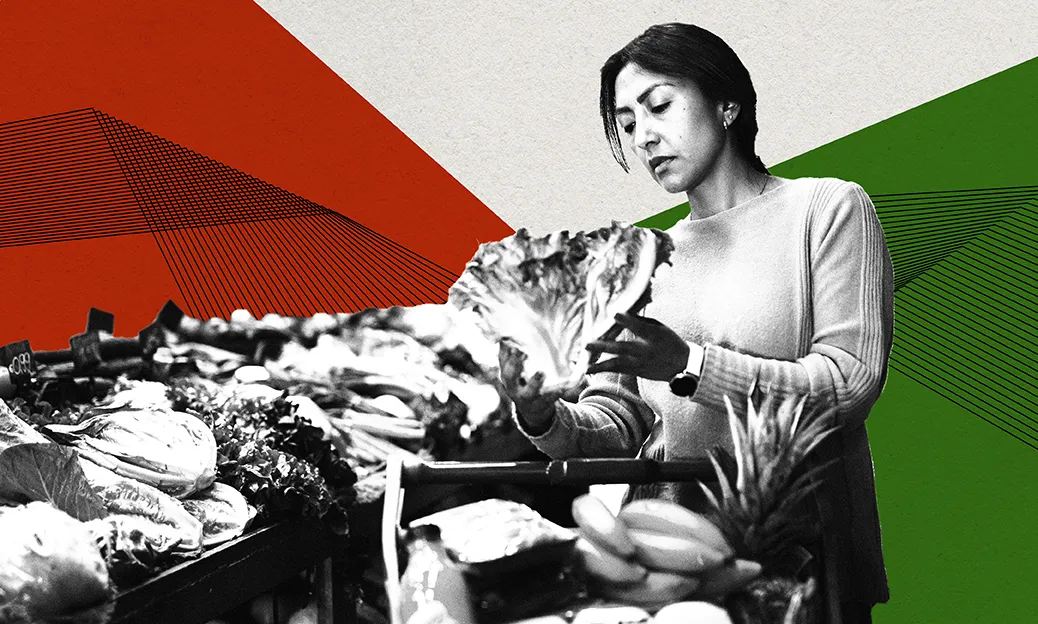
In more typical times, Canada imports some 265,000 metric tonnes of lettuce a year, mostly from the U.S. Now no one wants California romaine if homegrown hearts are available. At my store, we expanded shelf space for boxed lettuce from Vision Greens, an Ontario-based operation that runs a hydroponic vertical farm. Before tariffs, it produced 500,000 pounds of prepackaged spring mix, romaine, green-leaf and red-leaf lettuce for grocers in the Greater Toronto Area each year. After demand spiked, it tripled its output and now supplies every Ontario Loblaws banner store, as well as Metro and independent grocers like us. The company is planning satellite farms for Vancouver, Calgary and Montreal—and even U.S. chains are calling, looking for a clean and reliable lettuce supplier.
Related: Boycotting U.S. Lettuce? Here’s How.
At the end of October, romaine hearts from California were selling for double digits in some Canadian stores. Bad weather, insect-borne diseases and high transportation costs had inflated prices. The price of Vision Greens baby romaine leaves remained unchanged, at $3.99 a box. For all the irritation, worry and real adversity caused by Trump’s trade mess, it has forced us to reassess how we shop and who is benefiting. Protectionist agendas haven’t historically led to greater prosperity. But there’s something to be said for becoming more self-reliant as a country, especially when it comes to the food on our plates.
Mark Pupo is a writer and the managing owner of Pupo’s Supermarket

This story appears in the January/February 2026 issue of Maclean’s. You can buy the issue here, subscribe to the magazine here or send a gift subscription here.
Related Posts
Making Friends With Rec Sports


AI Is About to Outthink Humans

Concert Tickets Are a Luxury Item. That Could Change Soon.
Get the Best of Maclean’s straight to your inbox.
Sign up for news, commentary and analysis. Join 60,000+ Canadian readers.