My Cure for Student Reading Fatigue? Movies.
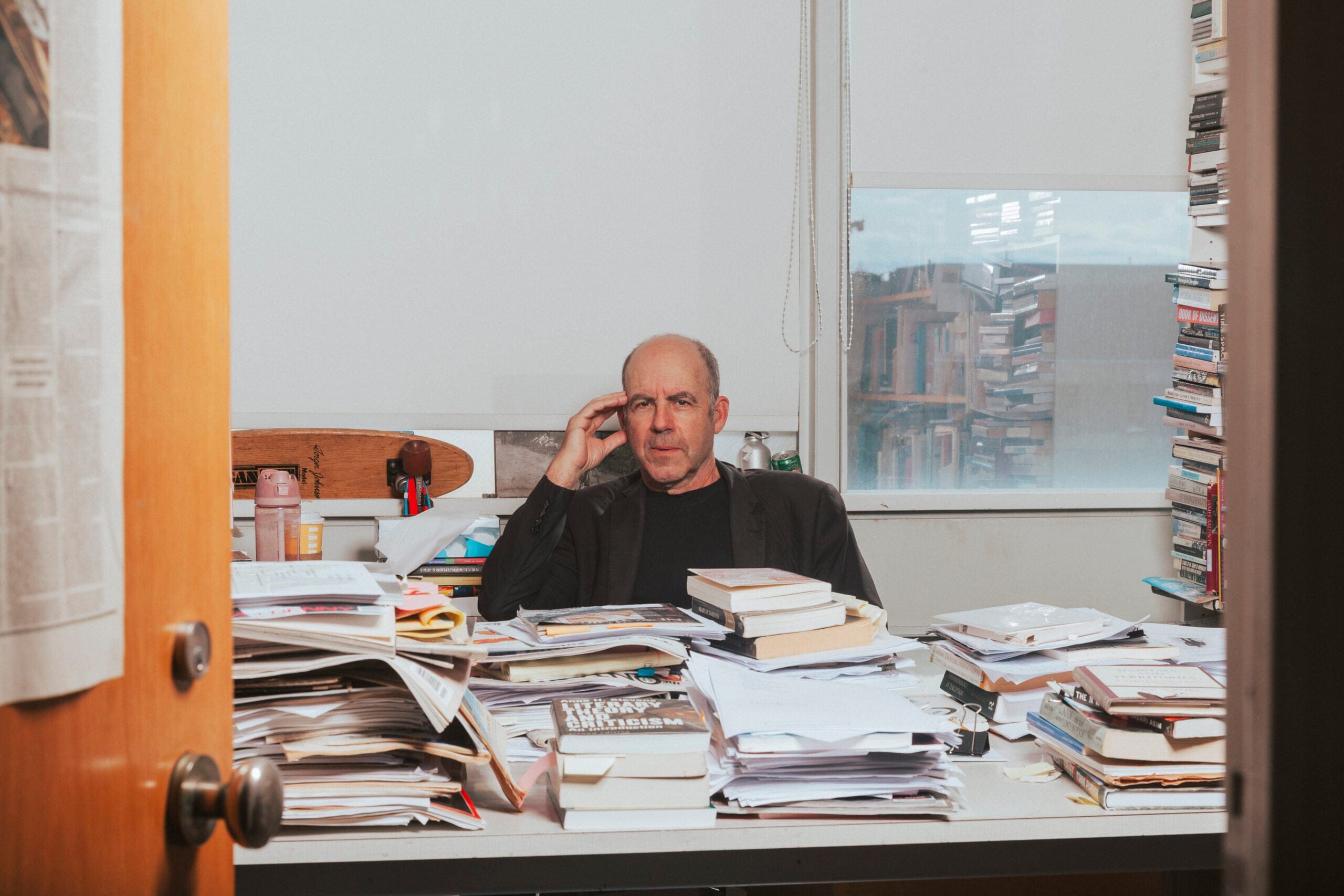
I’ve been teaching English at the University of Guelph since the ’90s. Every four years, it’s like an entire generation has turned over. I’m used to feeling like what once worked in the classroom is suddenly completely out of date. But it’s worse now. One of the books I teach is Hard Times by Charles Dickens. When students begin their seminar presentations, I often ask, “How many of you actually read the book?” Only a masochist would say “no” out loud. But there’s a vibe in the room: everyone’s having trouble keeping up with the readings. And not just Dickens.
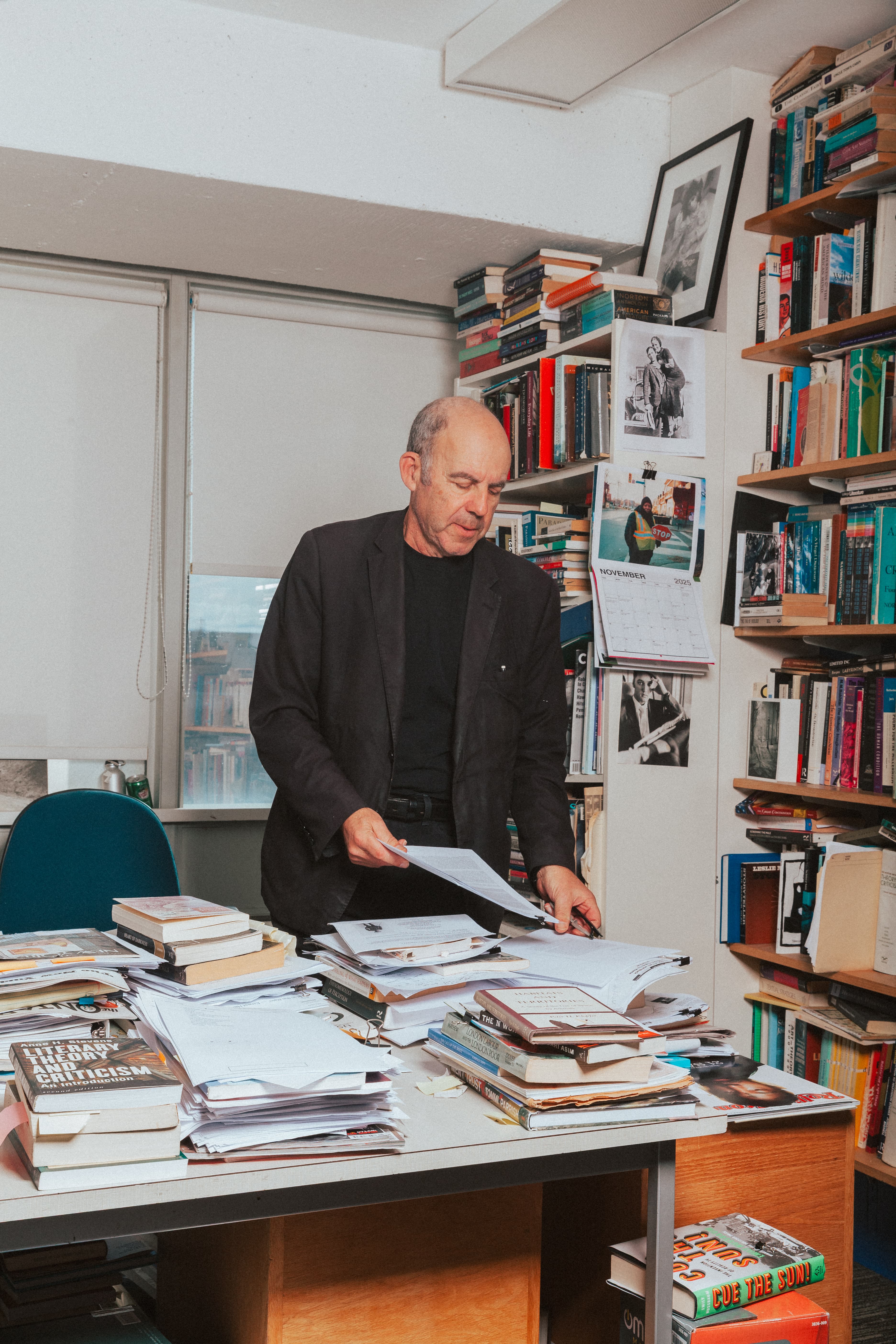
In my American literature course last year, I put William Faulkner’s The Sound and the Fury on the syllabus. When I encountered Faulkner’s novels for the first time at Dalhousie University many years ago, I was transfixed by his sentences. Yet my TA and I estimate that only three students in my American lit class of 75 finished it. The same thing happened with Virginia Woolf. Recently, I broke the ice and asked them directly, “What gives? Why is no one reading?” One responded: “I’m bombarded with fast-paced videos on Instagram and YouTube, and I have serious trouble reading print because the books blur into each other in my mind.” Another said, “To The Lighthouse, and Woolf in general, demand heavy patience. It can feel impossible to summon that in a world full of notifications.”
The classroom itself is under threat: listening to a professor speak for an hour is almost impossible in the smartphone era. My students look at their screens all class long and, when they’re not on their phones, they’re on their laptops. Plus, in the age of ChatGPT, universities are facing a serious existential challenge.
There’s also the problem of grade inflation: Harvard’s Office of Undergraduate Education recently issued a 25-page report that found that more than 60 per cent of grades awarded to undergraduates were As, compared to only a quarter two decades ago. If Ivy League students are skipping readings and classes and still getting high marks, we must reinvent classrooms to promote active discussion and better attendance. So instead of just surrendering, I added movies to many of my course syllabi to complement the books.
Related: The Battle for the Soul of the University
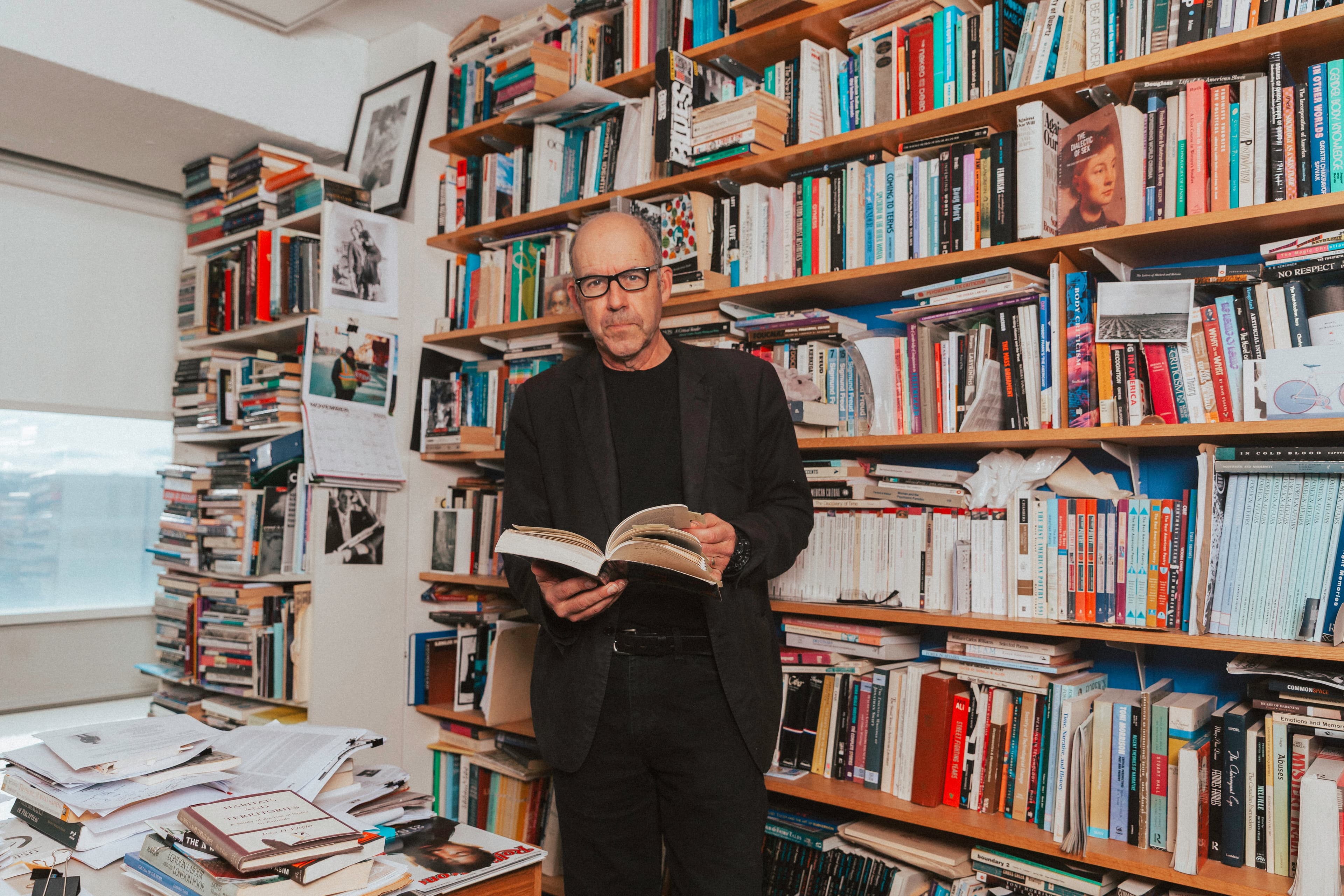
I find that using different media helps with engagement. The advantage of film is simple: movies elicit emotional reactions, are usually done in less than two hours and you can watch them on your laptop at home. After their viewings, the students and I digest the material together in person. Is the movie better than the book? How do the close-ups and camera angles reveal character? I’ve shown students a filmed version of the Royal Shakespeare production of Hamlet to help them understand the play. We’ve also covered No Country for Old Men—the Cormac McCarthy and Coen brothers versions.
I still teach Hard Times on a regular basis, partly because it’s the shortest of Dickens’s novels. It satirizes teachers and classrooms, which Dickens knew would thrill his readers. When the book was published in 1854, England was in the process of developing a public education system to meet the demands of a rapidly changing society—shades of 2025. Sociology was not always Dickens’s great strength; he did, however, have some powerful thoughts on education. In Hard Times, Louisa, the daughter of Gradgrind—a terrifyingly utilitarian school-board superintendent—tells her father that his method of education has failed her. “What I have learned has left me doubting, misbelieving, despising, regretting what I have not learned,” she says.
I follow Hard Times with more educationcore: Alexander Payne’s The Holdovers. Paul Hunham—a prep-school classics teacher—hates his students, his job and his life. One unusual pupil, Angus Tully, risks being thrown out of school and into a military academy. By the end, Angus makes the rarest of discoveries: teachers are human. Like Angus and Louisa, my students are young people reaching the limit of what utilitarian education can provide. At some point, they’ll have to move outside the classroom and deal with who they’ve become—how prepared, or not, they are for life. Dickens and Payne made those connections. I’ll have to read my students’ final papers to find out if they did too.
Some instructors younger than I am have integrated social media to dial up the excitement in their lessons. I might eventually incorporate video games or Marvel comics but, right now, my experiments in connecting film to fiction seem to be working. Last month, we read To the Lighthouse and watched Yorgos Lanthimos’s 2015 film The Lobster. We were talking about modernism as a genre, and The Lobster is quite off the wall. To The Lighthouse has similarly radical artistic touches: Woolf kills off a major character in a throwaway sentence, and the entire middle section of the book just describes time passing.
After The Holdovers, my students requested more academia-coded movies—specifically Dead Poets Society and Good Will Hunting. In 2026, I might try working in The Browning Version from 1951, a film that follows a classics expert at an English public school, forced to retire for health reasons and grappling with his failures as an educator. Teaching in the 2020s provides me with many moments of despair, but also insane moments of joy. When you keep faith in students, they produce works of originality and power. I’m not giving up just yet.
Related Posts
Making Friends With Rec Sports

Concert Tickets Are a Luxury Item. That Could Change Soon.
AI Is About to Outthink Humans
Get the Best of Maclean’s straight to your inbox.
Sign up for news, commentary and analysis. Join 60,000+ Canadian readers.