Canada Doesn’t Need a New Pipeline
Supporters of Canada’s new proposed pipeline from the Alberta oil patch to B.C.’s coast have jumped on Donald Trump’s Venezuela power grab as one more reason to build. If U.S. companies are able to ramp up production of Venezuelan oil, they say, Canada could lose business with our best oil customer. They argue that the new pipeline would reduce our dependence on the U.S. and open up new markets for Canadian oil in Asia. In reality, building it would weaken Canada’s oil sector, and the economy as a whole, by wasting billions on a pipeline we don’t even need.
Related: Why Canada’s Oil Sands Aren’t Coming Back
Canada could spend years building a new pipeline only to find that the world demand for oil is no longer high enough to fill it. Currently, International Energy Agency data show that world oil production exceeds demand by about four million barrels per day, and growth in demand over the next several decades is expected to slow and likely decline. Oil demand in China, which is the target market for the new pipeline, is forecasted to peak in the next few years with the rapid electrification of their transportation sector.
In Canada, we’re not even maximizing the potential of our existing pipelines. There are over one million barrels per day of capacity that could be accessed in the Enbridge and Trans Mountain pipelines through upgrades like stronger pumps and chemical additives to reduce drag. These improvements are much cheaper than building a new pipeline. The capacity available on these two pipelines alone will be able to handle even the most optimistic Canadian government forecast for Alberta oil production, without a risky investment in another new pipeline.
The financial risks of a new build are also deeply concerning; just look at the recent construction of the publicly owned Trans Mountain Pipeline. That project ended up costing just over $34 billion, more than six times the original estimate. The tolls paid by the oil industry to use the Trans Mountain pipeline won’t fully cover the cost of construction, so the overrun will cost taxpayers between $8.7 and $18.8 billion—or up to $1,255 per household over the operating life of the project. Even with subsidized tolls, the cost of shipping to China on the Trans Mountain pipeline is more than $9 per barrel higher than shipping on existing pipelines to the U.S. Gulf refineries. The cost disadvantage of shipping on a new, private-sector pipeline would be even greater because the tolls would be designed to cover the full costs of construction.
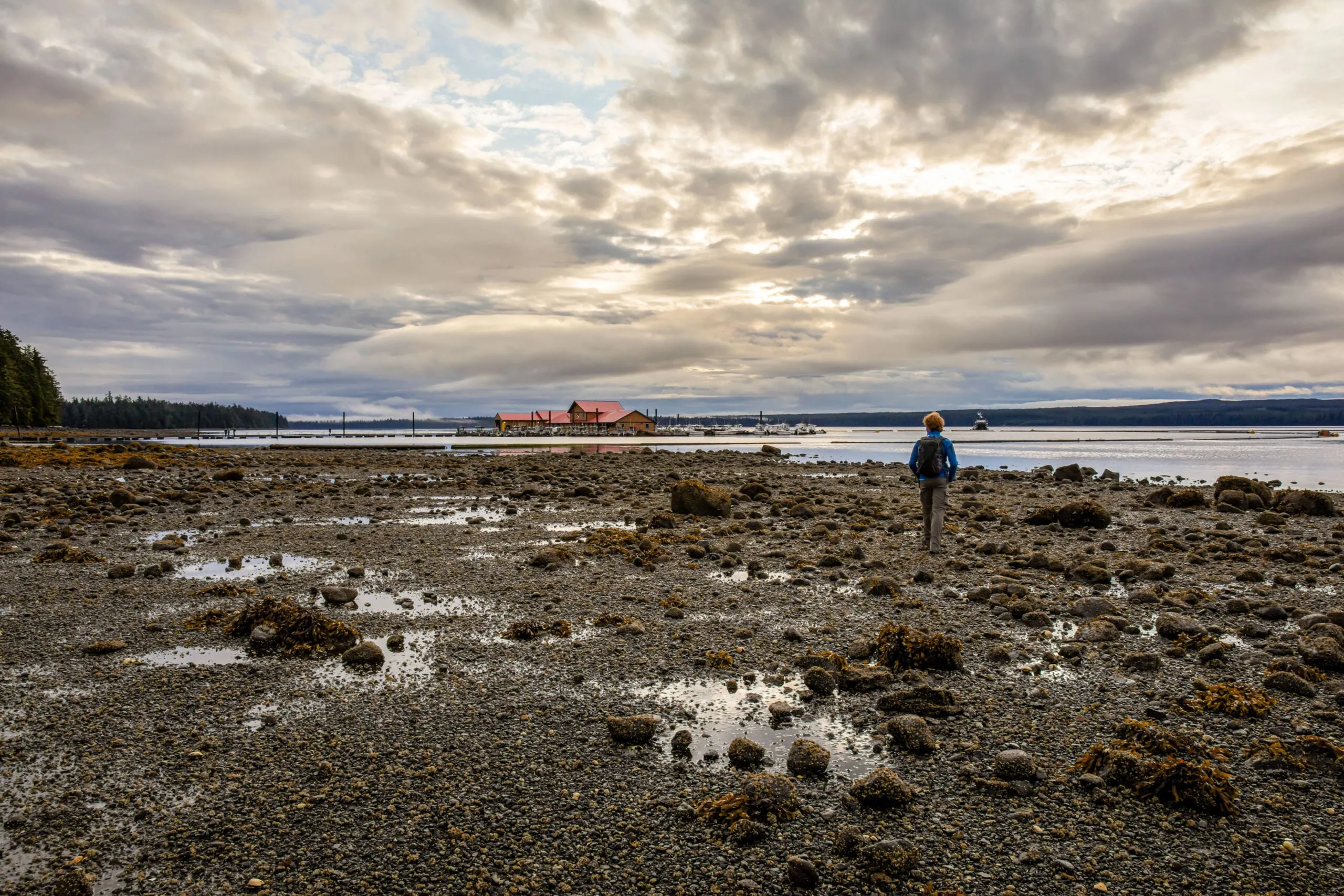
Then there are the environmental risks of new oil tankers along B.C’s coast. The Exxon Valdez oil tanker spill in 1989 along the Pacific coastline showed how devastating an oil spill is on the environment and the economy. The Exxon spill contaminated more than 750 kilometres of shoreline, killing more than 100,000 marine birds, 2,600 sea otters, and over one-third of the resident orca population. Nearly 30 years later, the environment had still not fully recovered.
While the likelihood of a tanker spill has been reduced with improvements in safety since the Valdez spill, the risks are still significant. The rate of tanker spills has actually increased over the last five years. In a 2018 report, my colleagues and I used various risk models and datasets to assess the risk of a tanker spill from the Trans Mountain project; we concluded that the spill risk would be between 43 and 75 per cent over a 50-year operating period, even with state-of-the-art safety measures like tug escorts and double hull tankers. The Trans Mountain project is only about half the size of the Alberta pipeline proposal.
The potential damages from a major spill could exceed $4.7 billion, much of which would be borne through clean-up costs paid by Canadian taxpayers. Given these oil spill risks, it is easy to understand why Coastal First Nations and others who depend on the marine environment oppose lifting the oil tanker moratorium legislated in 2019. The other major environmental risk is the increase in greenhouse gas emissions that would result from efforts to expand oil production in Canada, even if the carbon capture abatement requirements set out in the memorandum of understanding between Alberta and Ottawa are fully met.
Related: Big Idea: Capture Carbon From the Air
It just doesn’t make sense to build a new, expensive and environmentally risky pipeline when there is a glut of oil and lower-cost options for transporting it. That is why no private company has come forward with a viable proposal to build it, and why oil companies have not lined up to take contracts to ship on it. In the end, the only way that a new pipeline would be built is if Canada and or Alberta agree to subsidize it. We’ve been down that road before though: Canada did just that with the Trans Mountain project after Kinder Morgan, the private owner, refused to build it because it was too risky an investment. Canada, to its credit, has stated that any new pipeline must be privately financed. I just hope Canada keeps its commitment—and doesn’t spend taxpayer money subsidizing a pipeline even the oil industry deems too risky.
Thomas Gunton is the director of the Resource and Environmental Planning Program at Simon Fraser University.
Related Posts
The Case for Tourist Taxes
How Do We Keep Canada Insurable?

Canada is Funding its Own Economic Decline
American Carmakers Are Leaving. Bring on the Chinese EVs.
Get the Best of Maclean’s straight to your inbox.
Sign up for news, commentary and analysis. Join 60,000+ Canadian readers.