Canadian Immigration Has an AI Problem
From 2017 to 2023, Canadian immigration was a wild west. The country’s doors were flung open, newcomer targets shot up and application approvals were high. That was especially true after COVID created a sudden need for skilled workers like nurses, and the government responded with a slew of new immigration programs. But then the pendulum swung back. The government implemented caps on temporary residents for the first time, making it harder to move to Canada. Now, the immigration system is facing the consequences of that overcorrection.
By December of 2025, Immigration, Refugees and Citizenship Canada was backlogged by over a million applications. More than half of permanent-residency and visitor visa decisions are taking longer than they should. I’m an immigration lawyer in Toronto, and every day I talk to colleagues and consultants who are frustrated by how complicated, delayed and arbitrary decisions have become. There’s a human cost to these delays. Temporary workers—some of whom have already been living, working and paying taxes in Canada for years—have lost jobs and health-care access because their work permits expired before IRCC got to their PR applications. Some of these workers have children, who are now unable to go to school. Others have lost hope and decided to return home. If they came to Canada to study, they may have lost hundreds of thousands of dollars.
Related: Student Visa Limbo Is Wrecking My Life
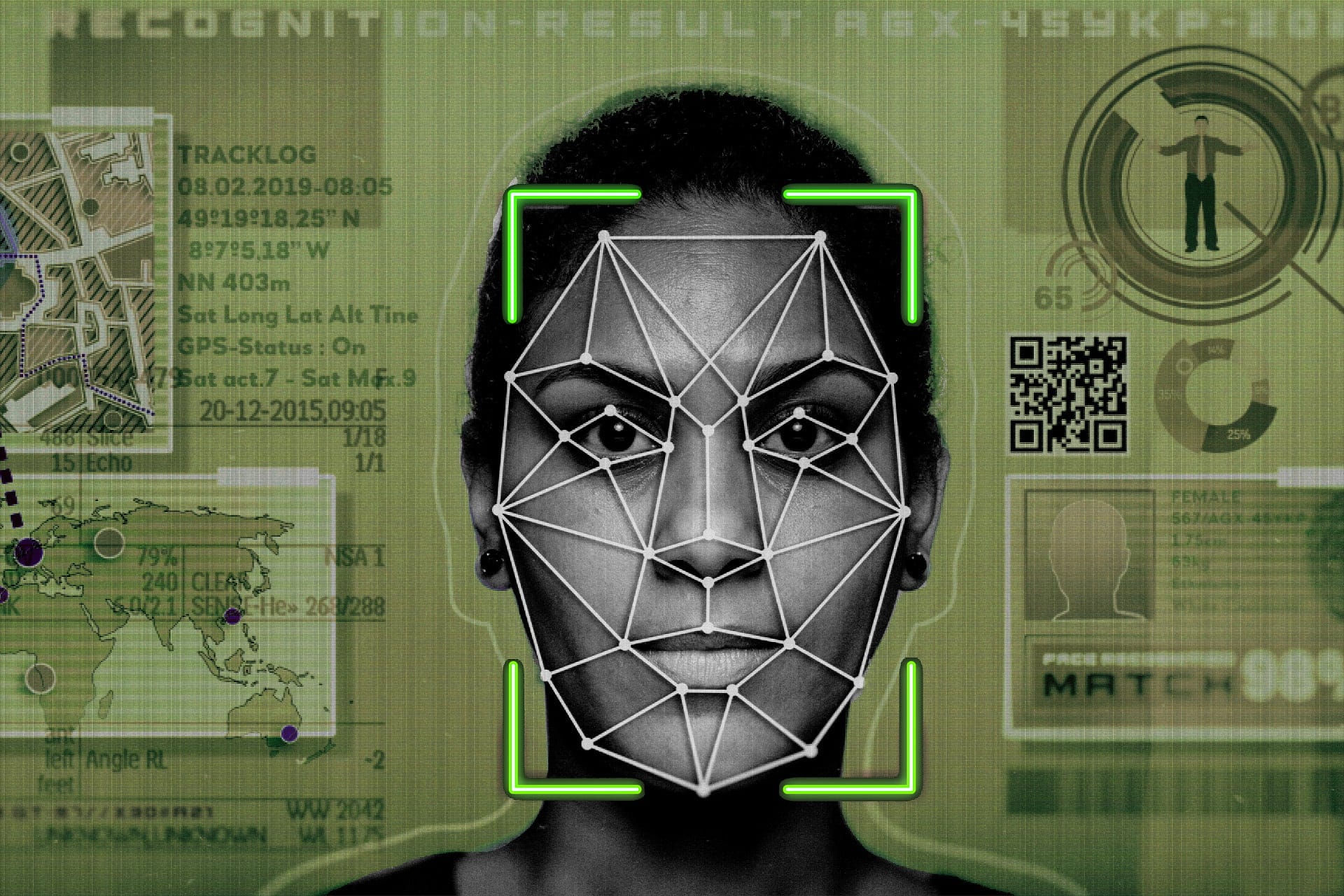
To speed up its processes, IRCC is leaning on AI to triage, sort and summarize applications. Officers need all the help they can get from technology—as long as it doesn’t undermine the system’s integrity. Meanwhile, applicants are growing increasingly desperate, and to give themselves the best shot at approval, many have begun leveraging AI to navigate the immigration system. In some cases, they may not be able to afford legal representation and are using AI to close that gap. In the middle of all this, law firms are using AI to prepare applications quicker than ever before. As these changes gain momentum, AI could overhaul the Canadian immigration system entirely—but it’s not a magic pill. It won’t fix years’ worth of inefficiencies.
There is, of course, plenty of value to using AI and automation in the legal industry. I started practising immigration law in 2017. After a few years, I realized I was spending most of my time on two tasks: completing forms and gathering documents. We’d copy-paste information into PDFs and sort through dozens of supporting documents emailed over by clients. I soon realized that either someone else would build a better tool, or I could just take a crack at it. So in 2019, I co-founded Visto.ai.
Since the platform launched three years ago, lawyers have used it to generate easy-to-follow application checklists. Our tools help them draft submission letters and retainers faster, auto-fill IRCC forms and find specific cases for reference; our custom AI research tool is specially trained on government and legal information, and won’t return an answer if it can’t find one in that data. It also links to the source of the information, so firms can double-check it.
Related: These International Students Wanted Citizenship. Canada Killed That Dream.
This kind of custom-designed tech is especially helpful because the Canadian immigration system has never been more complicated. In the 2010s, there was only a handful of pathways people could use to enter Canada. Over the past six years, however, the government’s introduction of new immigration streams—followed by haphazard backtracking—has created a confusing patchwork of rules and requirements. As a result, lawyers have begun using AI to help them stay on top of it all.
In the next few years, people will continue to develop immigration-specific AI tools. For example, someone might create an AI agent for preparing study permits, which is finicky work. Applying for one entails tracking down several different checklists from IRCC. Many people don’t realize, for example, that there are embassy-specific instructions for study permits. If a well-versed legal professional builds a tool using documents and checklists from government and embassy websites, that could really speed up the application process.
The problem arises when people use general chatbots, like ChatGPT, for immigration work. These bots, which are trained on broad data sets, aren’t reliable enough for high-stakes use—like identifying the best legal precedent for an appeal. Failing to choose a solid precedent could jeopardize a client’s case, and by extension, the course of their life. Also, if a lawyer is caught using hallucinated cases, they could face fines, or worse.
More and more, applicants are relying too heavily on non-specialized AI models for legal research. We regularly receive obviously AI-generated emails from people seeking legal assistance or reaching out with follow-up questions after meetings. Clients tell me they’re using ChatGPT to draft documents, especially submission letters, and to conduct research about which immigration path they should choose. The problem is that while LLMs like ChatGPT “speak” in a confident tone that evinces reliability, they often come up with something—anything—just to provide a response, which can result in hallucinated court cases and laws. Recently, the Toronto Star reported that 31 Cameroonians applied for immigration status citing the same non-existent case law. I suspect many more cases like this will follow.
Related: Why Canada’s New Border Policy Could Screw Over Refugees
In the long run, AI might advance so much that our entire immigration system could just consist of AI models talking to each other. Applicants and law firms will use AI to fill forms out, which will then be evaluated by IRCC’s AI. There would be dangers to that. We might begin to see a big problem with misrepresentation. Applicants might upload all of their documents to a chatbot and ask it to fill out their forms in a way that won’t get their application flagged or refused. (If they get caught, they could face a ban of five years or longer.)
The government has been cagey about the extent to which it uses AI to process immigration applications. But machines follow scripts and lack the nuance of human decision-making, so even if the government’s AI usage remains a black box, law firms—or perhaps the AI technology that they use—will eventually notice patterns. For example, application forms with a certain box checked always get filtered into the slow pile. No law firm wants a low application approval rate, so they (or their AI tools) could start optimizing for success when they fill out forms. That might mean massaging the truth, but within reason, as they have regulators to answer to. Doing so will be especially tempting when an application involves facts that are difficult to check—for example, a criminal record in a country that does not share data with Canada. There are measures built into the immigration system to ensure the safety and wellbeing of Canadians, and over-reliance on AI could undercut them.
There’s nothing inherently bad about IRCC using AI to assess immigration applications, but it needs to do so responsibly and avoid handing out arbitrary rejections. Using AI to ruthlessly clear out applications won’t just ruin the lives of those with a good case for living in Canada. It could also clog up the court system with appeals. Legitimate applicants are the ones who will pay the price for all this. Already, IRCC is refusing more applications than normal. Good applicants are being overlooked, or their papers aren’t being processed. That hurts Canada’s brand.
Related: Keep Immigration Coming
The policies that the government chooses to adopt in the next few months will have consequences for the future of the nation. We’re seeing some of those consequences now. Canada is no longer attracting the best and brightest like it used to, because it’s harder than ever to get an approval and our processing times are too long. Smart people are looking elsewhere. Interest from international students has shrunk. Meanwhile, the number of people leaving Canada is at a record high. For decades, we’ve leaned on new residents to help grow our country and the economy. Now, there are fewer people staying here, and fewer people coming in. The population will shrink; the economy will shrink. It’s a vicious cycle.
I don’t think it’s too late, but I do think we need to revert back to “the old way” as soon as possible: responsible, reliable immigration. That will attract the right people and get Canada back on track toward being a world leader in immigration—to the benefit of us all.
Joshua Schachnow is an immigration and family lawyer in Richmond Hill, Ontario.
Related Posts

How to Stop the Gen Z Slowdown

Can Canada Survive Trump’s Attack on Science?

Canada’s Aging Infrastructure Is a Ticking Time-Bomb
Canada Can Be a Refuge for America’s Grad Students
Get the Best of Maclean’s straight to your inbox.
Sign up for news, commentary and analysis. Join 60,000+ Canadian readers.