After Vikileaks, we can protect privacy, or outgrow it
“We need to talk about your Facebook photos,” one of my supervisors told me, soon after I started working on Parliament Hill. “There are a bunch of you in drag. You need to take them down.”
She was right. As an undergraduate, I had been a member of an old-fashioned theatre troupe. Our show had ended one year with the entire all-male cast—myself included—in pink three-inch heels, doing high-kicks, dressed as sequined swans.
There are pictures. Lots of them. I saw no problem, but my new boss did. “Do you really want to see yourself in makeup on some Conservative blog?” she asked.
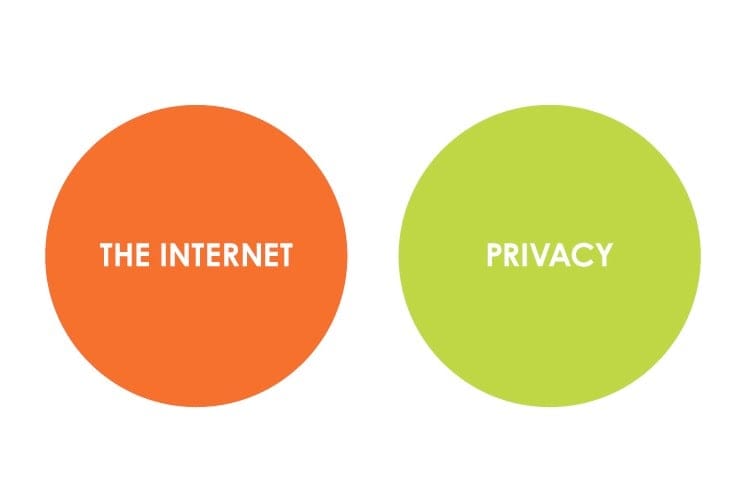
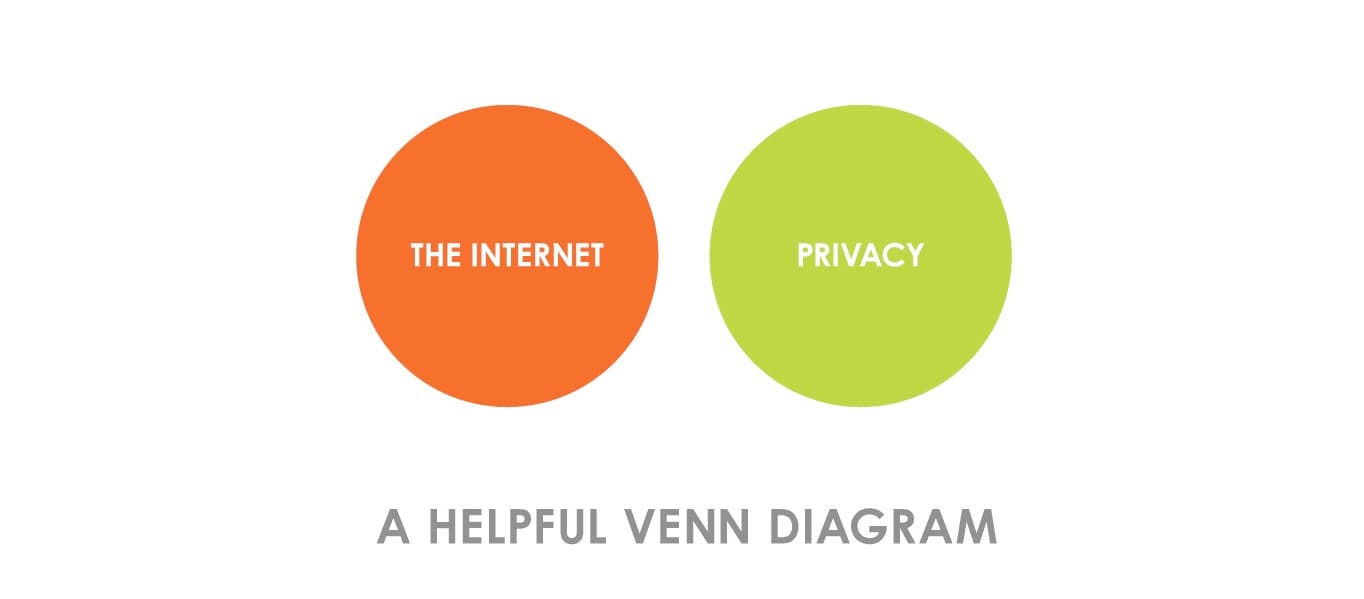
The photos did not survive the afternoon. Yet a crucial question remains: now that the Internet has enabled anonymity and cut the cost of information to nearly nil, are we past the point of protecting our privacy?
When a nameless Twitter user—now revealed to have been a Liberal staffer—published the sordid details of Public Safety Minister Vic Toews’ divorce, the details were enough to make even the most iron-stomached partisan wince. Is this the new normal? Because if marital misconduct is now fair game, heaven knows how low we will go.
Related Posts
Schools vs. Screens
The Terrifying Rise of Ransomware Gangs
In the United States, you can be sued for “[giving] publicity to a matter concerning the private life of another.” In Canada, this is not necessarily so. Some provinces have laws that allow lawsuits for privacy violations. Most do not, and courts have been reluctant to go where legislatures have not gone before.
That may be changing. Last month, in a unanimous decision, the Ontario Court of Appeal recognized “a right of action for intrusion upon seclusion”—in other words, a legal claim for invasion of privacy—in part because “technological change poses a novel threat to a right of privacy.” Not everything is protected under the ruling, however; only “deliberate and significant” intrusions “into matters such as one’s financial or health records, sexual practices and orientation, employment, diary or private correspondence,” can give rise to a lawsuit.
Vic Toews is probably not protected, either. As a “public figure,” the law affords him less protection than a private citizen, and for good reason: politicians seek public attention, and it would be absurd—and a breach of the freedom of expression—to let them sue for bad press. Likewise, in every province whose privacy laws permit lawsuits, those same laws protect “fair comment on a matter of public interest.” In light of the federal government’s proposed new online surveillance legislation, “VikiLeaks” might very well fall into this “fair comment” exception.
But what about private citizens, who never seek the spotlight? You may be less private than you think. Divorce, mortgage, bankruptcy, and property records are all public by law. Everything you post on the internet is public by choice. Last year, in a lawsuit in California, Facebook argued that its users “are ‘public figures’ to their friends.” The court agreed.
If you are under the age of 30, none of this is news. We live our lives in broad daylight, warned by our parents and the press that every Facebook status is subject to scrutiny; entire websites are now devoted to publishing particularly idiotic things that people post. Every young person knows that if you sign up for Facebook and have at least one friend with a camera, you are likely to end up “tagged” more often then you would like. Some opt-out. Most do not. The result: our future leaders will be completely dull, having lived lives devoid of indiscretion—or drag. The meek, at long last, shall inherit.
Will we welcome this tyranny of the teetotalling? Probably not. More likely, we will reach a point of mutually assured destruction, where everyone will have so much dirt on everyone else that no one will be able to reveal anything about anybody without risking retaliation. We will have outgrown our privacy, and thus guaranteed it: faced with the prospect of total carnage, the so-called “Facebook generation” will have none at all.
Perhaps this is too optimistic. Perhaps we do need tougher laws to protect our private lives. We can remove names from public records. We can allow lawsuits for invasions of privacy. We can delete and un-tag our Facebook photos, just to be safe. But we ultimately cannot legislate our expectations—only ask each other to raise them. In the end, the only thing standing between us and “post,” “send,” or “like” is ourselves.
Adam Goldenberg is a J.D. candidate at Yale Law School. He was chief speechwriter to Michael Ignatieff and served as a senior aide in the McGuinty government.
Related Posts
Teach Kids Digital Nutrition

Canada Needs More Robots
Why Gen Z Is Addicted to Location Sharing

A Canadian in Space
Get the Best of Maclean’s straight to your inbox.
Sign up for news, commentary and analysis. Join 60,000+ Canadian readers.