The True Cost of Competing in the Olympics
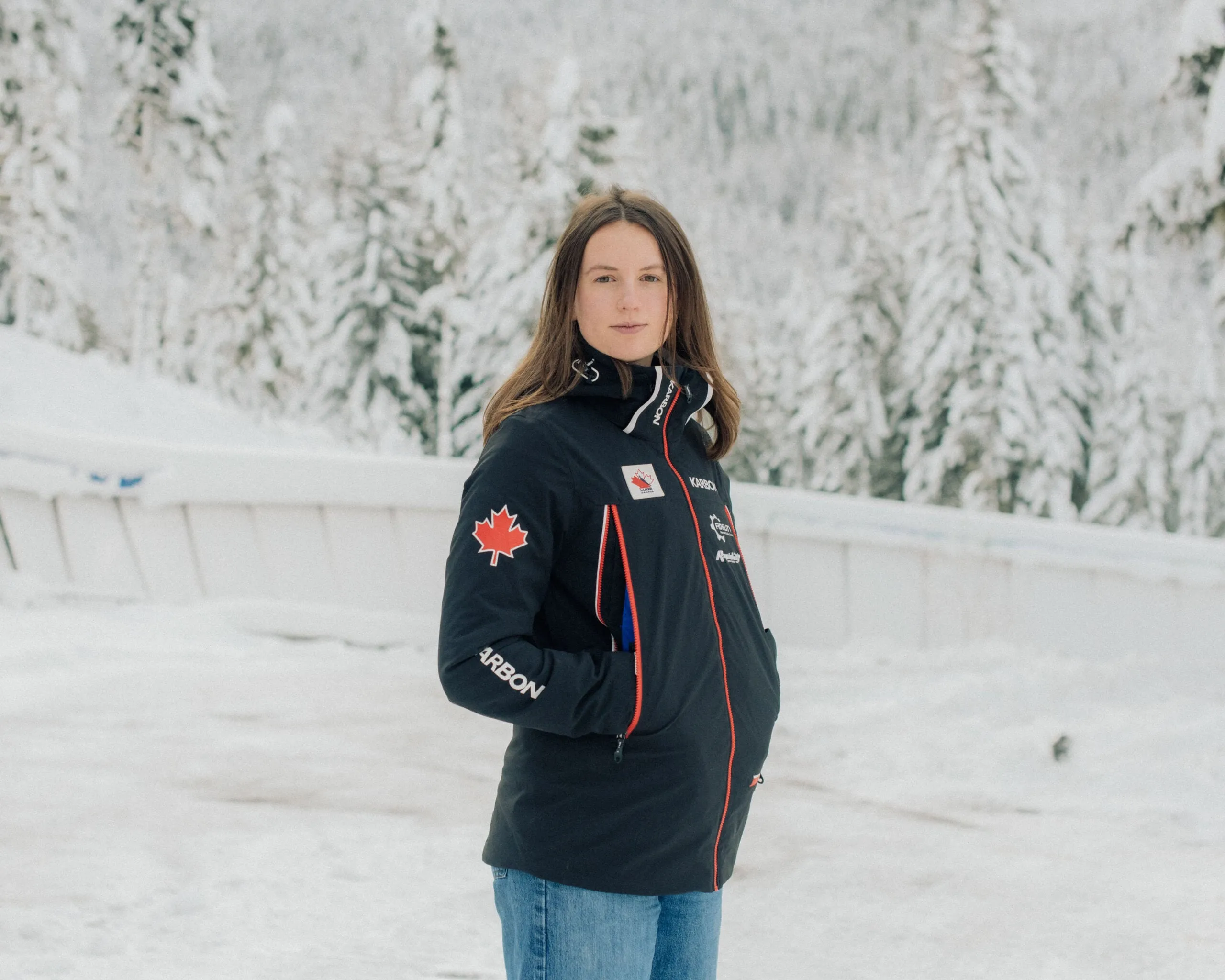
I was 11 when I first tried luge. We were on a school trip to the Whistler Sliding Centre, home to the only official luge track in Canada and roughly half an hour from my home in Pemberton, British Columbia. It was love at first slide. I’m an adrenaline junkie, and I was immediately hooked on the thrill of shooting down the ice at over 120 kilometres per hour.
I began sliding after school, joining the provincial development group based out of Whistler. In 2016, when I turned 14, I was invited to train with the Canadian junior national team. I officially joined the following year. I made my Olympic debut at Beijing 2022, where I was the top Canadian in the women’s singles event, and I was also part of Canada’s relay team, which placed sixth.
Luging gives me a sense of mental clarity—a feeling of focus and presence that I haven’t been able to replicate anywhere else. For 40 to 60 seconds, the world goes quiet, and I am totally focused on executing my lines, shifting my body weight, pointing my toes and pushing my head back, trying to find the fastest path through the corners and straights on the track.
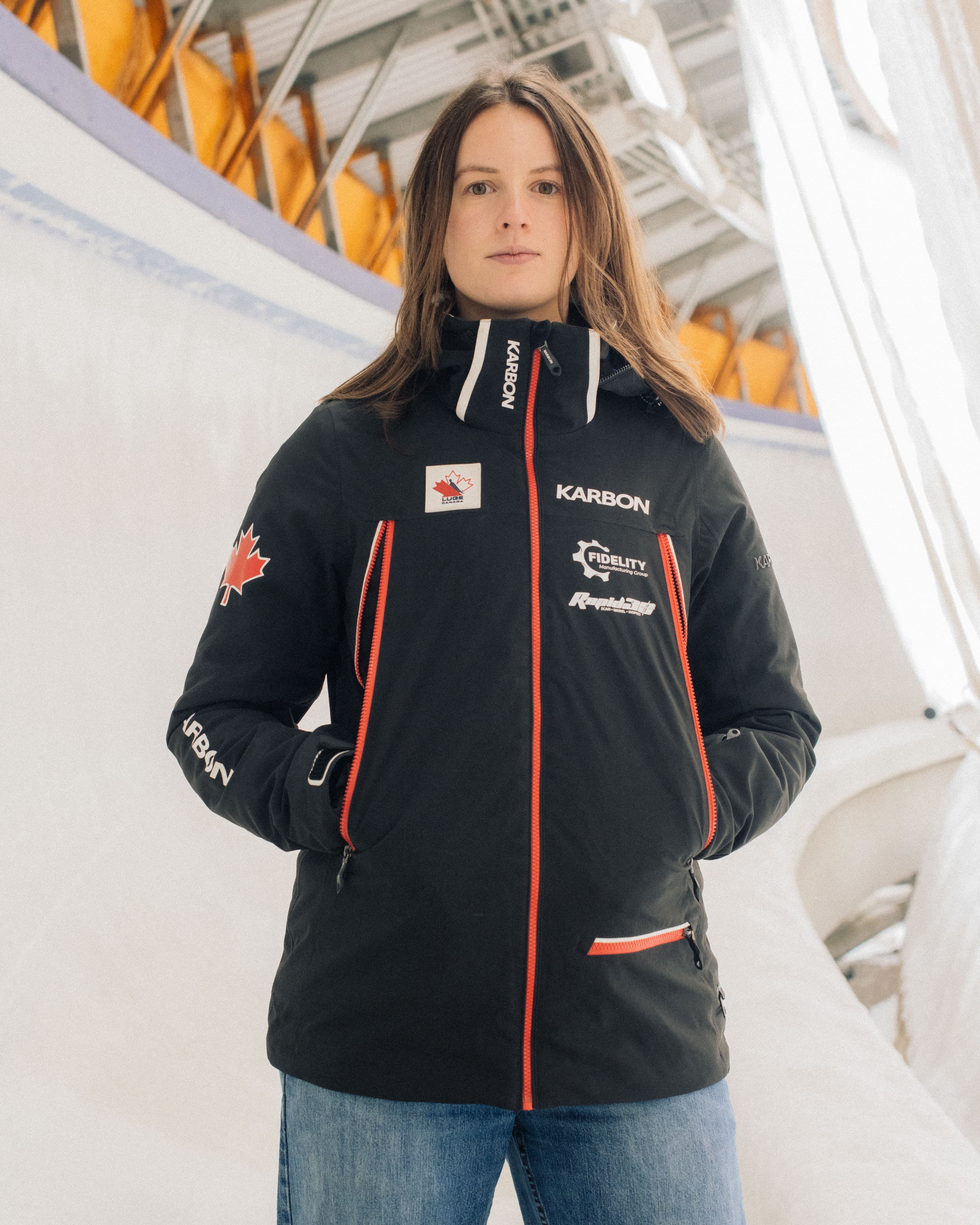
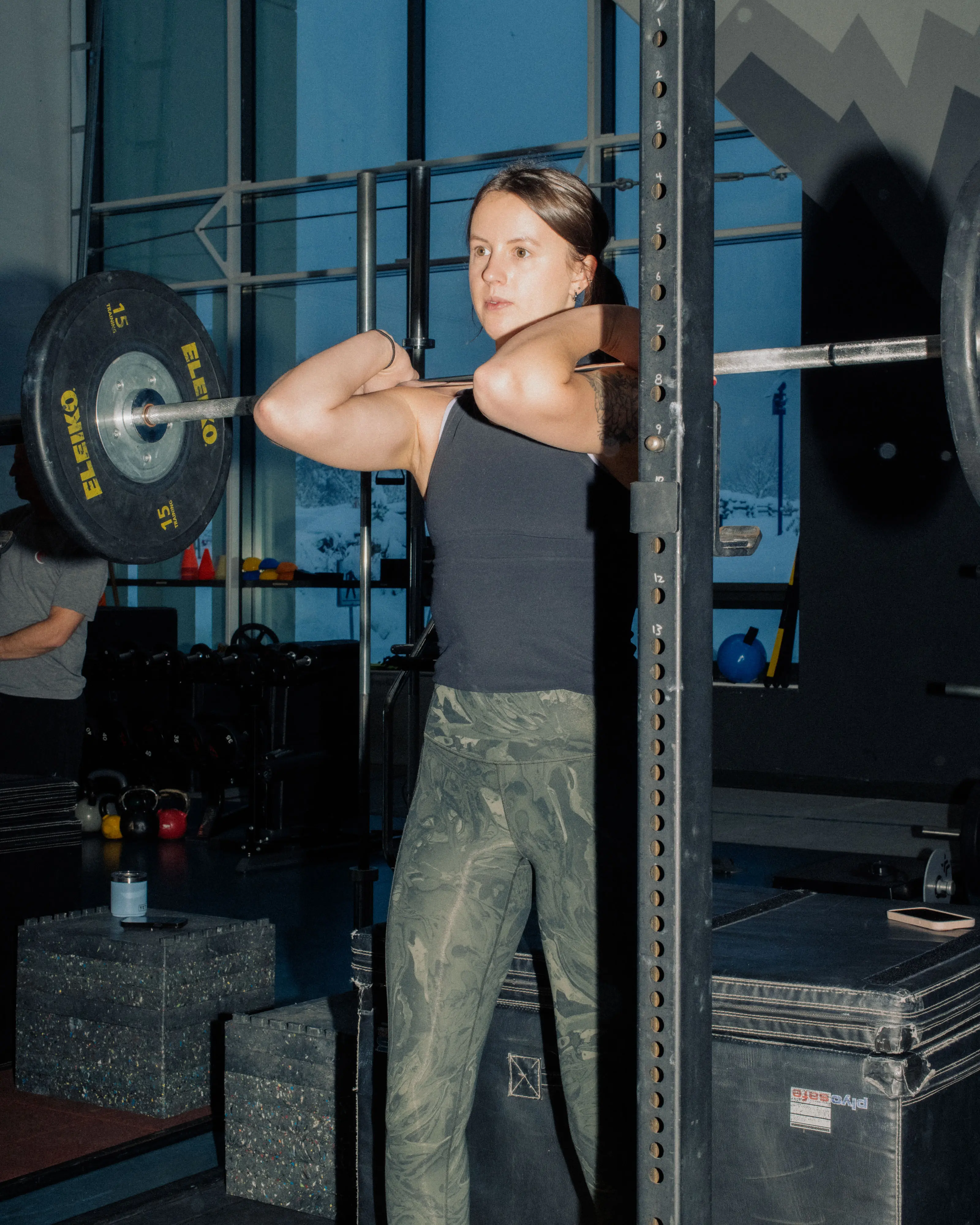
But luge training is demanding. Off-season training takes place in Calgary. We do strength training in the gym on Monday, Wednesday and Friday mornings. In the afternoons, we practise our starts in the Ice House at Canada Olympic Park. On Tuesdays and Thursdays, we do cardio workouts and prehab stability workouts. Our competition season begins in October and lasts until March. We spend a lot of that time on the road. We usually start at Whistler, where we do one or two sliding sessions a day for around two weeks. Then we travel to Europe, where many of the international competitions take place. We’ll spend around a month pre-season training on a variety of tracks, before the World Cup season begins mid-November. My most recent trip was to Winterberg, Germany, for the Luge World Cup.
Like many Olympians, I struggle to pay the bills. And my situation is not unique. The Canadian Athletes Now Fund, or CAN Fund, provides financial assistance to 80 per cent of the athletes who represent Canada at the Olympics. The fund reports that three out of five athletes who apply for funding are in debt, and 53 per cent of athletes work part-time jobs in addition to their training.
Related Posts

Goodbye to Gretzky

The World Cup Will Relegate Canada to the Sidelines
I knew from the beginning of my career that I had to be the best. My family simply could not have afforded to keep me in the sport without the financial assistance available for those at the top. Once I made the junior national team, I started receiving support from the federally funded Athlete Assistance Program, or AAP, which makes my participation possible. It also isn’t enough. The AAP offers $2,175 a month, or $26,100 annually.
Over the last five years, the cost of participating on the national team has risen every year. Our team fee covers all of the travel, accommodation, training and competing we do in Europe between October and March. This year, the fee is about $23,000, up from $15,000 in 2019, my first year on the team. We also have to pay summer fees for coaching and gym access between April and September, which for me cost $3,751 this year. Those of us who aren’t from Calgary—and can’t live with our families during summer training—have to pay rent on top of those fees, not to mention necessities like groceries and gas. Finally, this season we have to pay out-of-pocket for two one-week training camps, one to Norway, and another to Lake Placid in upstate New York, which cost around $3,000 total.
The numbers just don’t add up—the APP funding isn’t enough to cover even the basic training costs for luge athletes. Luge Canada, the nonprofit organization that governs luge racing in Canada, tries to keep the national team fees on par with what the AAP offers. But it’s strapped for cash. Luging is a relatively niche sport, so it’s difficult to get sponsorships. We are occasionally gifted things like outerwear or equipment, but we don’t get any cash in our pockets.
Almost everyone on my team has to work a day job. My teammates have waitressed at pubs and golf courses, delivered for DoorDash, cleaned Airbnbs, painted houses, maintained cemeteries and worked as ticket-booth attendants at the go-kart-luge track in Calgary. I’ve been working since I was 14, when I started picking up shifts at restaurants around Pemberton and Whistler. We couldn’t train in Calgary during the peak of COVID, so I trained in Whistler and worked on an organic farm in Lil’wat Nation that my mother manages, tending to root vegetables and picking strawberries and blueberries when I wasn’t working out. The next year, I landscaped for a family friend who allowed me to plan my shifts around my training and workouts. I was grateful for the income and the flexibility, but by the end of the summer I knew I couldn’t do it anymore; the physical labour was exhausting and compromised my training.
When we resumed training in Calgary in 2023, I had a harder time getting a job. Whistler is a tourist town with a small local population, so restaurants are always looking for extra help. The job market is more competitive in Calgary, and employers understandably prefer to hire people who aren’t trying to schedule around Olympic training. This past summer, I was lucky to discover Hayloft, a café owned by the Canadian speed skater Hayden Mayeur that primarily employs athletes. Hayden understands the rigour of athletic training, and he offers us flexible hours to accommodate our demanding schedules. I also picked up shifts at a catering company.
Going directly from six-hour training sessions to six-hour work shifts is far from ideal. The summers can be exhausting, maybe even more than competition season. I pay so much money to train only for my training to be undermined by poor sleep and overexertion.
This funding problem affects all amateur athletes in Canada, even those who play sports with bigger fan bases like ski racing and speed skating. Other countries, like Germany and Austria, spend a lot more on their national sports teams. It’s hard to do my best when I’m competing against countries spending almost four times Luge Canada’s entire annual budget on just their sled technology. The robust funding in those countries trickles down to the athletes, who don’t have to pay team fees and can focus singularly on their training. When I travel in Europe during the competition season, people from other countries have been shocked to hear how much we’re paying to compete. Once, someone told me, “Wow, I would never compete if it cost that much money. Why are you here?”
It’s a good question with a simple answer: I am here because I love the sport. I also know that I’m getting better every day. But the status quo is unsustainable. And the Canadian government’s recent budget announcement didn’t include new sports funding. The last time the government increased core federal funding for national sport organizations was in 2005—and costs have risen by around 51 per cent over the last two decades in Canada. My teammates and I want nothing more than to represent Canada on the international stage. But it’s hard to do so when we’re constantly worrying about rent and groceries. There’s no easy answer, but an increase in public funding for Canadian sports seems long overdue.
I was lucky enough to receive support from grants like CanFund and the Canadian Olympic Foundation Indigenous award this year, which have eased my financial stress significantly, but I still do what I can to stretch my income. During the summers in Calgary, I live with one of my teammates to save on rent, and we’re always trying to cut costs. We split our groceries and pick items on sale as much as possible. I spend a lot of time in the grocery store comparing prices to get the best deals. My roommate and I cook together and keep our meals simple and repeatable, so we can buy ingredients in bulk. I do my own oil changes, and I replaced the radiator and rear axle on my car myself so I didn’t have to pay an auto shop to do it. But the biggest compromise I make is not seeing my family during the training breaks we get in the summer. The gas prices and the lost income taking time off work mean I just can’t justify going home to B.C.
Related Posts

The Blue Jays Lost. So Did I.
Is Teqball the New Pickleball?

Teresa Resch Is Calling The Shots
Get the Best of Maclean’s straight to your inbox.
Sign up for news, commentary and analysis. Join 60,000+ Canadian readers.