The World Cup Will Relegate Canada to the Sidelines
During the FIFA Congress in Moscow in June of 2018, Canada, Mexico and the United States defeated Morocco for the right to co-host the 2026 World Cup. Their bid was based on the strength of a united North America, and FIFA member countries voted overwhelmingly in favour of the collective offering. Canadians hoped it would cement our rise as a legitimate soccer nation and bring the country together with the world watching. Toronto and Vancouver were selected to host Canada’s matches, along with three Mexican and 11 American cities.
On a grander scale, the united North American bid was expected to calm the political waters swirling around FIFA after four controversial host selections—South Africa, Brazil, Russia and Qatar—generated significant criticism. Returning the World Cup to an economically and politically stable host like North America seemed like an opportunity for FIFA to reset its relationship with the Global North.
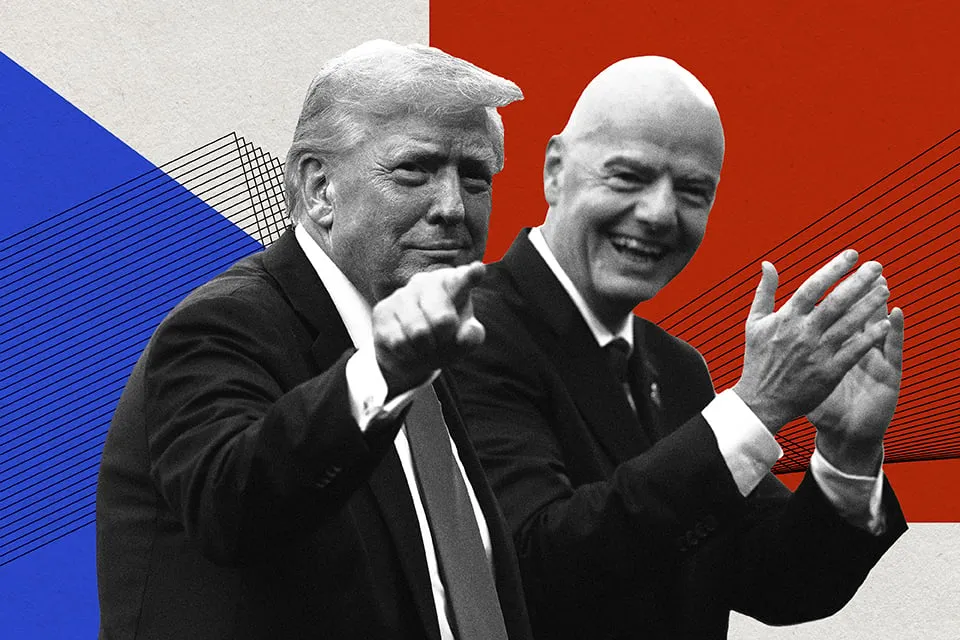
Then Donald Trump was re-elected. Now, geopolitical shifts have challenged the united front central to North America’s successful bid. Trump’s aggressive America-first agenda generates significant challenges related to the World Cup and throws into question Canada’s place as a meaningful host of the tournament.
The 2026 World Cup promises to be at least as politically charged as the ones in Russia (2018) and Qatar (2022). The difference is that those hosts attempted to use the event to project a friendly image to the West, deflecting attention from their repressive politics and human-rights violations. The U.S., on the other hand, is courting political controversy. President Trump has actively weaponized the World Cup: he’s threatened to move matches from Democrat-controlled host cities and use the military to quell the protests that will inevitably arise. He’s also complained about the “non-American” presence within U.S. borders. Trump is replacing the sportswashing tactics used by Russia and Qatar with overt and unapologetic measures designed to reinforce the U.S. government’s conservative political agenda and dominate the off-field headlines.
From the outset, the tournament has been viewed globally as an American event. Now, with the Trump administration’s domestic and international isolationist policies generating significant attention, the Cup will be plagued with logistical challenges. FIFA has estimated that 6.5 million visitors will be attending the World Cup, but that seems like a vast overestimate; the U.S. administration has already imposed travel bans on 12 countries. The 2026 World Cup will be the least welcoming of the 21st century. As a result, tourists will be concerned about travelling to North America and might not bother to come to the U.S. or Canada. And though Toronto and Vancouver are only hosting 13 of the tournament’s 104 matches, and nothing beyond the Round of 16, Canada will still need to invest in infrastructure and put security measures in place as a full-fledged World Cup host.
Related Posts
Teresa Resch Is Calling The Shots

The True Cost of Competing in the Olympics
More symbolically, Canada’s place in the narrative and memory of the 2026 World Cup will be limited. As with all recent World Cup finals, the host’s national symbols are always front and centre. It is unlikely U.S. stadiums will showcase any iconic Canadian or Mexican regalia, prioritizing the American exceptionalism we’ve already seen at sports events like the Super Bowl. President Trump will be front and centre—and Prime Minister Carney will remain in the shadows. Globally, the event will be viewed through a U.S.-centric prism, and Canada will be downgraded to minor-player status.
The one person who could change this World Cup trajectory is FIFA President Gianni Infantino, but that doesn’t seem likely. A great friend of President Trump, Infantino has forged strong relationships with global power players, including Vladimir Putin, Mohammed bin Salman and the Qatari royal family. He sees himself more as a global diplomat than the leader of a sport governing body. He was present at Trump’s inauguration and joined him at economic summits on the Arabian Gulf Coast and in Egypt at the Gaza Peace Summit. In 2025, FIFA opened a new office in the Trump Tower in New York. It seems unlikely the FIFA president will be the advocate for a united World Cup.
The Blue Jays’ World Series run showed the power of sport to unite Canadians coast to coast. The 2026 FIFA Men’s World Cup was supposed to take that patriotism even further and showcase our commitment to a complex, pluralistic society. Instead, we’ll be bit players in a show of American power.
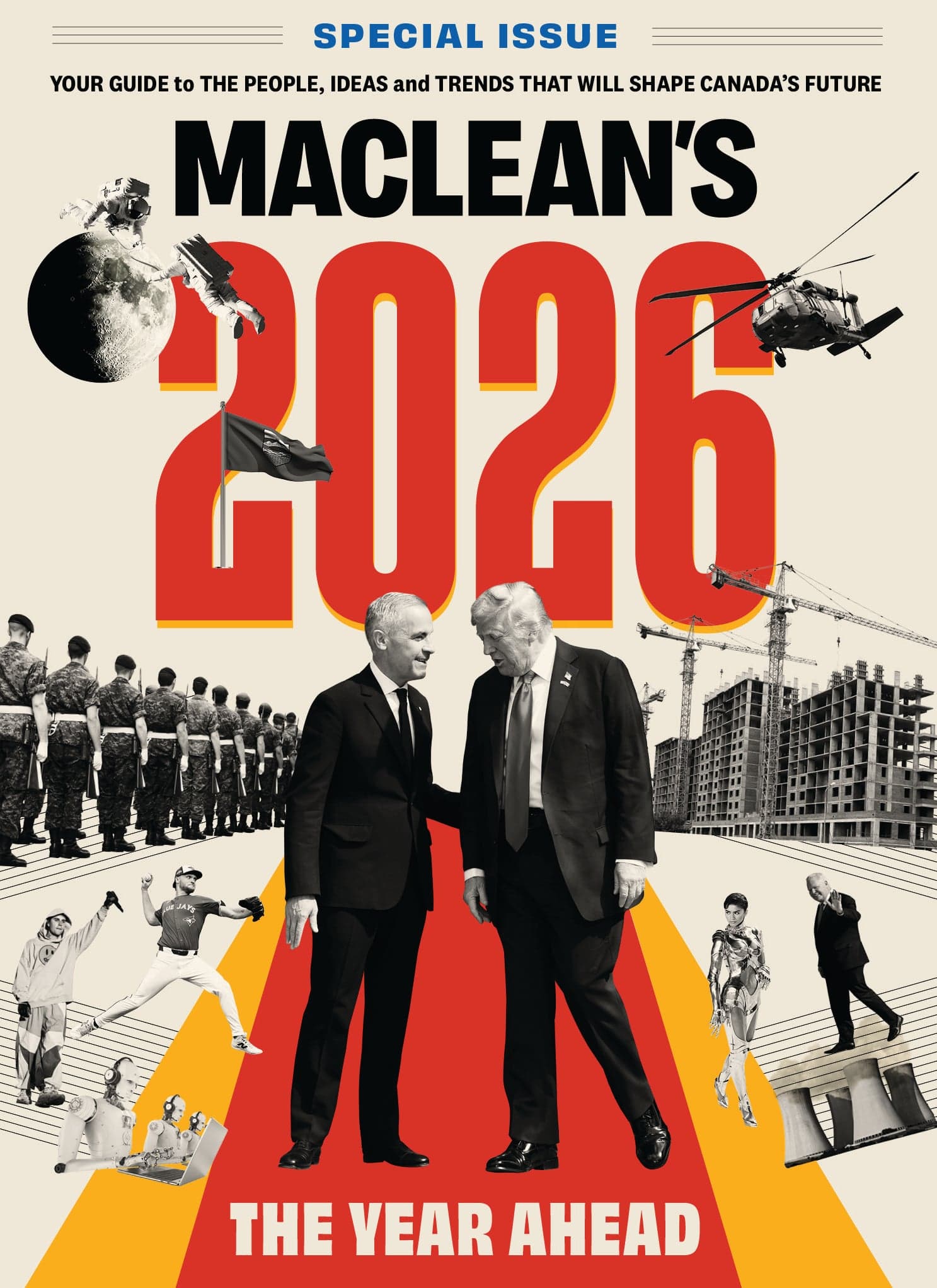
This story appears in the January/February 2026 issue of Maclean’s. You can buy the issue here, subscribe to the magazine here or send a gift subscription here.
Related Posts

The Blue Jays Lost. So Did I.
Is Teqball the New Pickleball?

Goodbye to Gretzky
Get the Best of Maclean’s straight to your inbox.
Sign up for news, commentary and analysis. Join 60,000+ Canadian readers.