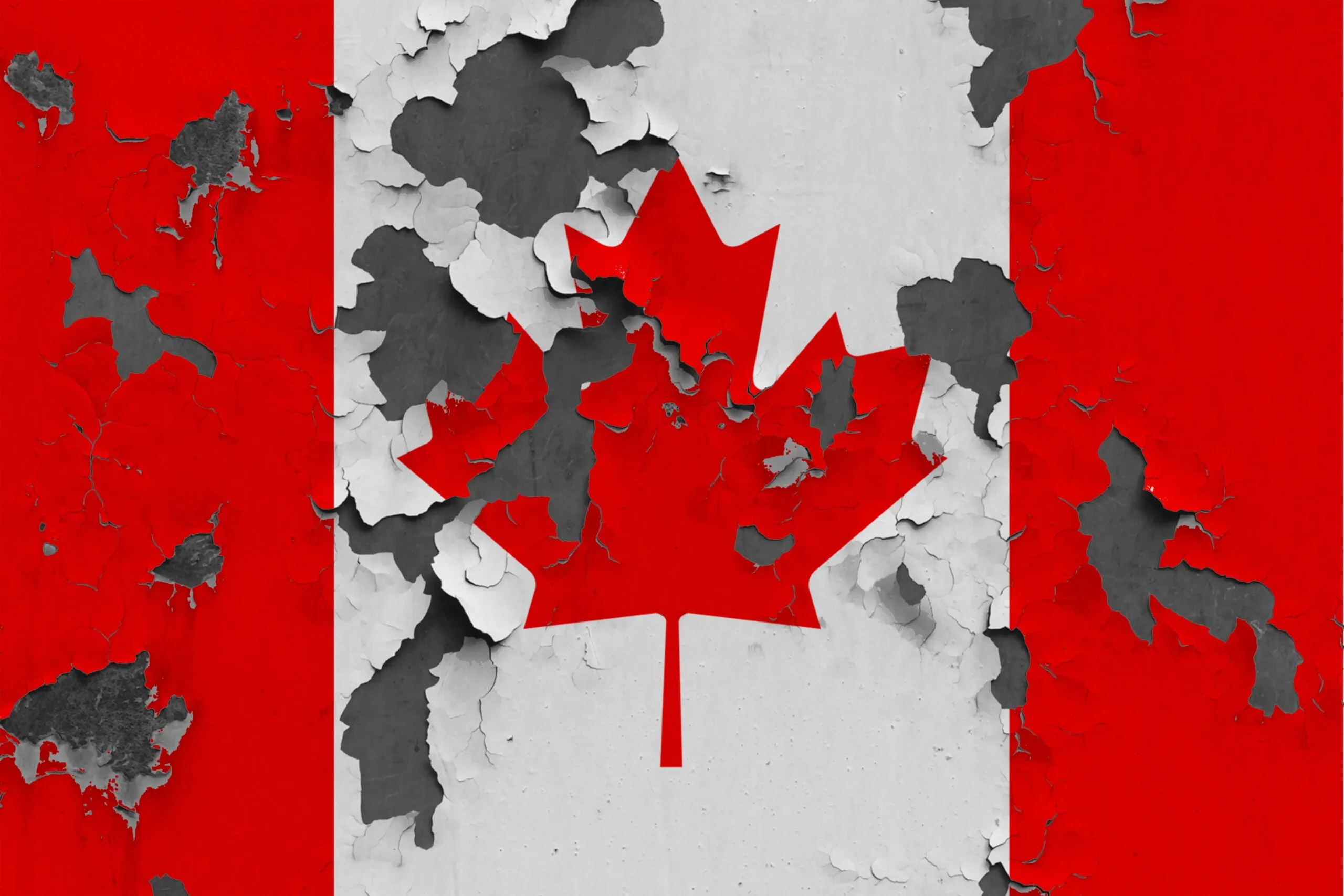
How to Fix Western Alienation
My work as a Toronto-based pollster and writer brings me into contact with Canadians from all walks of life. A few years ago, at a meeting in Banff with business leaders in Canada’s oil and gas industry, one of them leaned across the table and said, “You folks back east have no idea how angry people out here are.” She was not shouting. Her voice was calm, resigned. Around her sat engineers, executives and builders. They were not plotting rebellion. They were Canadians who felt abandoned by their own country. That moment has stayed with me. It showed me how those who are instrumental to Canada’s economy regard their place in the nation.
It’s not just oil executives saying this. Walking through the streets of Calgary, Edmonton or Medicine Hat, you hear similar comments from everyday people. It’s not just casual talk. We also saw it on election night when the Liberals, while nearly winning a majority, returned two seats in Alberta and just one in Saskatchewan. This reflects the quiet fury of a country coming apart.
Related: Why Canada’s Oil Sands Aren’t Coming Back
For more than a century, the Laurentian elite, Canada’s eastern political, cultural and business leaders, have shaped the Canadian story. The same institutions, networks and circles that have ruled since Confederation still believe they know best. Decisions made in the corridor connecting Toronto, Ottawa and Montreal were presumed to serve everyone else. For a long time, the Laurentian consensus, balancing French and English, east and west, urban and rural, worked reasonably well.
It doesn’t work anymore. Power and people have moved west. Energy exports from the West far surpass vehicle exports and auto parts from Ontario. Yet Ottawa still acts as if the country begins in Windsor and ends at Quebec City. The same decisions are made by the same people in the same rooms. The result is a government trapped by its own reflection, convinced it represents a Canada it can’t even see.
Western Canadians feel it most. They pay the bills but are treated as a problem to manage rather than a partner to trust.
Our true economy is not the fantasy of bureaucrats and professors dreaming about superclusters and innovation corridors. It is natural resources and agriculture. It is trade. It is the work of people who produce things the world actually wants to buy. Oil, gas, grain, minerals, lumber and fish. These are the products that still pay for everything else. Yes, we also sell automobiles and computers and financial services. But resource exports have always been our bread and butter, and that is even more true today than in the past.
But that’s not the Canada that Ottawa wants to deliver to the world. To the people who shape policy in the capital, resource wealth is something to apologize for, not celebrate. They talk as if the nation’s future lies in boutique technologies and social innovation, while dismissing the industries that built and still sustain us. The Laurentian elite seems embarrassed by the very strengths that make Canada relevant on the global stage. They want to export their virtue. The world wants to buy our energy and food.
And the consequences of that denial are now at our door. Donald Trump has returned to the White House, and his tariffs have already landed. Ontario’s auto plants are feeling the blow. Assembly lines are slowing. Suppliers are cutting shifts. The manufacturing heartland is being squeezed while the oil fields, the farms and the mines keep the economy running. The parts of the country Ottawa treats as its problem are the ones carrying the load for everyone else.
Canada is a federation, not a fiefdom. The founders knew the country was fragile, and they divided power to prevent any one region from dominating the others. They believed balance was the price of unity. That balance has vanished. Nearly half the federal public service works in Ottawa and Gatineau. From there they try to govern a country they barely know. The capital has become a city-state, comfortable and inward, sustained by its own belief in its indispensability.
We need to move government out of Ottawa and into the country it claims to represent. Natural Resources Canada should be in Calgary or Edmonton, among the energy producers who drive our economy. Agriculture should be in Winnipeg or Saskatoon, close to the land that feeds us. Fisheries and Oceans should be in Halifax, where tides still decide futures. Parks Canada should be in Banff or Jasper, surrounded by the wilderness it protects.
Related: The Age of Wildfires
Departments that deal with defence, foreign affairs, justice and finance can remain in the capital. The rest should be dispersed. The public service must live among the people it serves. You cannot govern a country you never inhabit.
Technology makes this possible. The pandemic proved that the machinery of government can operate from anywhere. Cabinet meets online. Parliament votes remotely. Civil servants work from homes across the country. What matters now is not proximity to Parliament Hill but proximity to reality.
This would not cause confusion. It would create connection. Moving even a portion of the federal workforce would inject billions into regional economies. But the greater benefit would be cultural. When a deputy minister rents an apartment in Halifax or buys groceries in Edmonton, they learn something no spreadsheet can teach. When a policy memo is written in Regina, it sounds different than when it’s written in Centretown. Government would begin to sound like the country it governs.
And more than that, decentralization would wake our national government up to the truth about the country it serves. It would force Ottawa to see Canada as it really is. To understand our economy, not as theory, but in practice. To recognize that our diversity is not an abstraction, it is geography and work and daily life. A government that experiences Canada from the outside in, rather than the inside out, would be a government finally capable of understanding it.
Other nations have done this. Australia moved parts of its agriculture department to Orange in New South Wales. Britain relocated agencies to Manchester and Leeds. Both found that decentralization made government stronger and more trusted. Canada needs this even more.
Critics will say that moving departments would weaken the federal government. They have it backwards. Centralization has already weakened it. A government that only talks to itself becomes deaf to everyone else. A government that shares power renews it. Spreading authority across the country would loosen the suffocating grip of the Prime Minister’s Office and the Privy Council Office. It would create a public service that listens rather than dictates.
This is not rebellion against Ottawa. It is a declaration of confidence in Canada. The Laurentian consensus built a country, but now constrains it. The future will not be written by those who cling to the past. It will be written by those who trust every region to lead.
Imagine the change this could bring. A young graduate in Saskatoon or Moncton could work for the federal government without leaving home. A cabinet minister in Winnipeg could meet citizens who see policy not as theory but as livelihood. A government that speaks with many accents would finally sound like its citizens. Canada would begin to look like the country it truly is.
If that business leader in Banff were sitting across from me again, I would tell her this: the frustration you feel is justified, but it can still be turned into something larger. The old order is ending. The next one is waiting to be built. We face real dangers from abroad and from within. We are not helpless. We can strengthen our federation before others test its strength for us.
This is the moment to act. To move government closer to the people. To make Ottawa the capital, not the centre. To replace a century of distance with a new century of belonging. We can either wait for history to happen to us or shape it ourselves.
Canada has always survived through belief in one another. That belief can still bind us. It is the only thing that ever truly has. If we have the courage to move, to trust, and to share, then this country will not only endure. It will thrive.
Darrell Bricker is the Global CEO of Ipsos Public Affairs and the co-author (with John Ibbitson) of Breaking Point: The New Big Shifts Putting Canada at Risk.
Related Posts

Alberta Treaty Law Could Decide the Arctic
Carney Is the Crisis Manager Canada Needs

Carney’s Biggest National Project is Mythmaking
My Adventures in Greenland
Get the Best of Maclean’s straight to your inbox.
Sign up for news, commentary and analysis. Join 60,000+ Canadian readers.