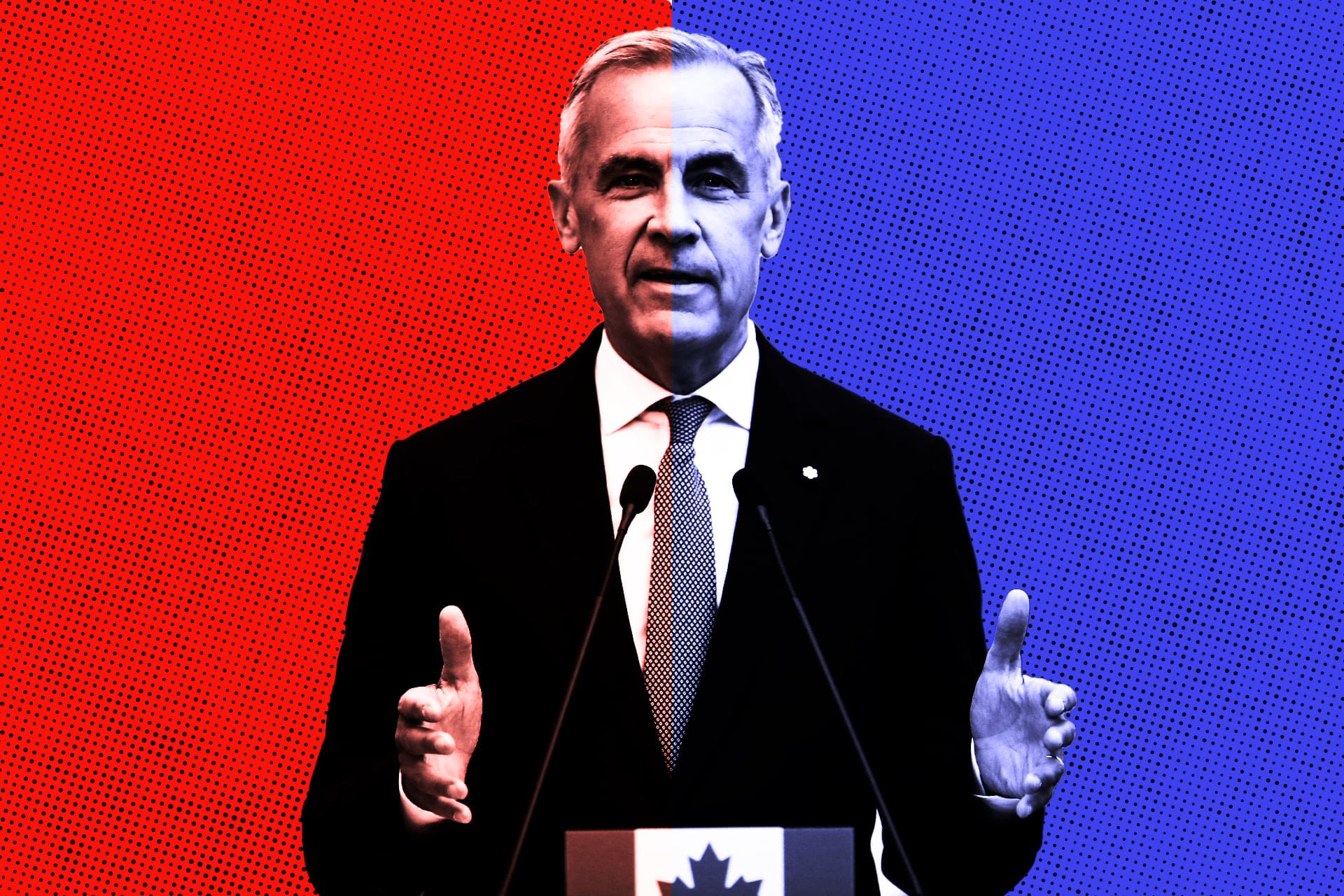
I’m a Conservative. I Like Carney.
I’ve been a card-carrying member of the federal Conservative Party since 2007. I believe in the importance of individual freedom and responsibility, generally favour less government intervention and hold respect for institutions. (I spent my formative years in the military.) I describe myself as fiscally conservative and socially liberal: I trust competitive markets, and I believe in financial discipline. States, I think, should live within their means, just as families and businesses should.
Over Trudeau’s decade in office, I stopped feeling the pride in Canada that I once did. The country became rudderless under his leadership. When Trudeau described Canada as a post-national state, he suggested that there was nothing unique or wonderful about our country and our heritage. This was an affront to all Canadians. Sovereignty depends in part on a shared sense of purpose, and he steamrolled over that. Conservatives—and I think Canadians generally—had a visceral, negative reaction to that sentiment. It was one of the catalysts that pushed me to run federally: last year, I put my name forward as a prospective Conservative Party nominee in Don Valley West, in Toronto. The party eventually appointed a candidate rather than have a nomination contest, but it’s an experience I enjoyed and I hope to do again.
When Mark Carney became prime minister, my first impression was that he was an outsider, someone who hadn’t come up through the Liberal Party, and he had a unique track record. The prospect of a prime minister who’d served as a central banker in two countries was noteworthy, especially at this particular moment in Canada’s history. I can’t remember another period when the country has felt this vulnerable, driven by threats to our sovereignty from the United States. Alberta separatism, a resurgence of Quebec separatism and extreme right-wing populism have made a lot of people worried about our future.
Carney’s first year has looked a lot like what I’d expect from a Conservative administration—particularly his emphasis on economic growth. He’s met with business leaders and the premiers, as well as pursuing multiple trade deals with other countries and signalling to allies that Canada is open for business and that we will push back against unfair trade practices. That prioritization of trade, alliances and stability has deep roots in Canadian conservatism, as Brian Mulroney demonstrated when he signed NAFTA with Ronald Reagan.
Carney’s government has also focused on deregulation, especially around taking down trade barriers between provinces (though a lot of that work, of course, sits with provincial governments). Last month, his government implemented the Free Trade and Labour Mobility in Canada Act, which would have federal authorities recognize provincial rules for goods and services, as well as professional licences and certificates, cutting duplication and red tape. Whether this translates into real streamlining will depend on execution, and governments often stumble at the transition from words to deeds. But the direction is promising. Carney has federal funding to push along deregulation efforts at the provincial level—he should use that leverage to its fullest.
For so long, Trudeau’s rules put us offside with most developed countries who continue to rely on natural resources to power their economies. Most of our wealth is generated through resource extraction, especially oil and gas. I think Carney recognizes this: he scrapped the federal consumer carbon tax on gasoline and home heating fuels, adopting a longstanding Conservative policy position to correct a longstanding terrible Liberal policy. He also actively supports new pipeline development, including signing the recent memorandum with Alberta to clear regulatory hurdles for a new oil pipeline to the West Coast.
Carney is proving to be a serious prime minister who’s willing to make tough tradeoffs. For instance, the deal he struck with China—reducing tariffs on Chinese EVs in exchange for China reducing tariffs on Canadian products—has landed unevenly across the country. Ontarians worry about the auto sector, while Prairie farmers welcome a meaningful increase in agricultural exports. What matters is that, at least so far, Carney’s taking action. Too often, governments talk but don’t walk. In this case, the prime minister identified a problem, navigated a genuinely difficult geopolitical landscape and, most importantly, took action.
Related: American Carmakers Are Leaving. Bring on the Chinese EVs.
At the end of the day, geopolitics should be the focus of every conversation in Ottawa right now. In this dangerous moment, when our sovereignty is at risk both from within and abroad, Canada needs to behave like a serious middle power again. That means investing properly in defence, honouring our NATO commitments, supporting Ukraine and vocally countering the rhetoric of authoritarianism and secessionism.
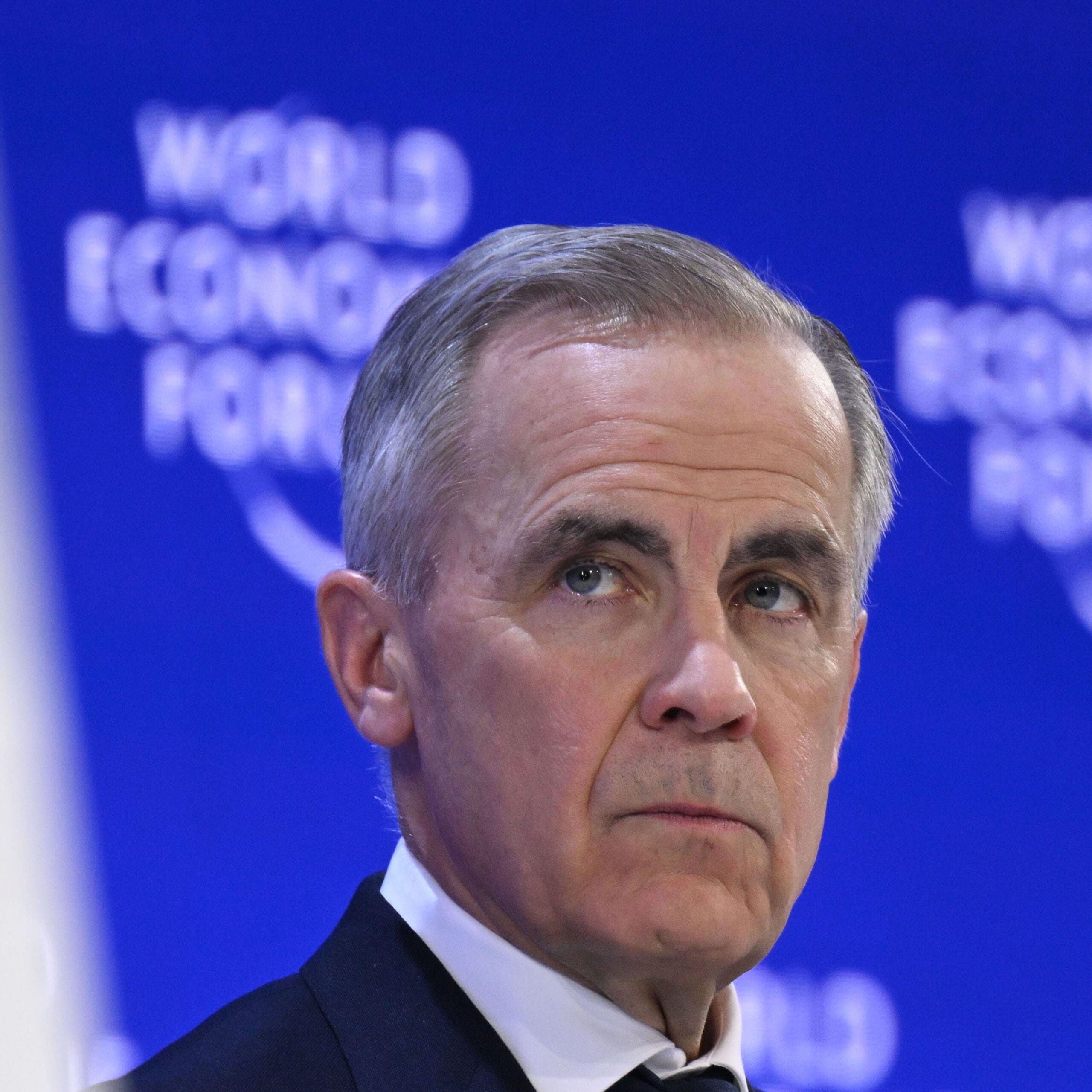
That’s why I was impressed by Carney’s speech in Davos. He sketched out how countries can achieve sovereignty through strategic autonomy. He hit the right notes on defence spending, the credibility of alliances and great-power politics. He also made the case for rebuilding domestic industry and diversifying supply chains. To his credit, he has seized the moment across all of these files in his first year in office, and has strengthened Canada’s position in the world.
Conservative blogs and podcasts generally took the speech positively, though some are focused on secondary concerns and a few have retreated to the comfort of tribalism. But conservatives should acknowledge competence and seriousness when we see it. We don’t do ourselves any favours when our tone is contrarian for no substantive reason.
I want Canada to be a serious, reliable Western ally again. Carney has started that work by treating foreign policy seriously. He can show more of it by continuing to stand firmly with our allies in Ukraine and Europe. Here at home, one lever he can pull is defence spending. He can use that in different ways, such as stimulating the economy by buying Canadian products and by encouraging Canadian companies to help build out our defence capabilities.
Moving forward, I’ll be watching to see whether the Carney government can offer a clearer sense of how his vision for Canada can be achieved, and whether he delivers on defence commitments and tackles the country’s stubborn productivity problem. Above all, I want to see a course that safeguards Canadian sovereignty.
—As told to Layla Ahmad
Tom Robertson is the CEO of Continental Currency Exchange
Related Posts

Carney’s Biggest National Project is Mythmaking
Alberta Treaty Law Could Decide the Arctic
Carney Is the Crisis Manager Canada Needs
My Adventures in Greenland
Get the Best of Maclean’s straight to your inbox.
Sign up for news, commentary and analysis. Join 60,000+ Canadian readers.